


Former President Donald Trump has proposed ambitious plans aimed at addressing the longstanding issues in Gaza, emphasizing economic development and stability. However, these proposals have faced skepticism from various stakeholders, including Palestinian leaders and regional governments, who question the feasibility and intentions behind such initiatives. For more context on Trump’s influence, you can read about his recent calls for a CNN sale. The timing of these proposals comes amid heightened tensions following the recent conflict, which has complicated diplomatic efforts.
Key actors in the region, including Israel, Hamas, and the Palestinian Authority, are navigating a complex landscape of alliances and hostilities. The ongoing blockade and restrictions on movement have exacerbated the humanitarian situation, leading to calls for a reevaluation of strategies to achieve peace and stability. Trump’s plans, while ambitious, may struggle to gain traction without broad support from both local and international players.
The potential for Trump’s proposals to materialize hinges on various factors, including political will, funding, and the ability to engage with all relevant parties. As discussions unfold, the international community is watching closely, as the implications of these plans could have far-reaching effects on the future of Gaza and the broader Middle East region.
Historical Context of Gaza and Trump’s Involvement
The Gaza Strip, a narrow piece of land along the Mediterranean coast, has been a focal point of conflict and humanitarian crises for decades. Historically, it has been governed by various powers, including the Ottoman Empire and the British Mandate, before coming under Egyptian control in 1948. Following the 1967 Six-Day War, Israel occupied Gaza, leading to significant demographic and political changes in the region. The establishment of the Palestinian Liberation Organization (PLO) in the 1960s and the subsequent rise of Hamas in the late 1980s further complicated the political landscape, as these groups have different visions for Palestinian governance and resistance against Israeli occupation. For a contemporary exploration of how political dynamics affect groups, check out this journey of overcoming adversity.
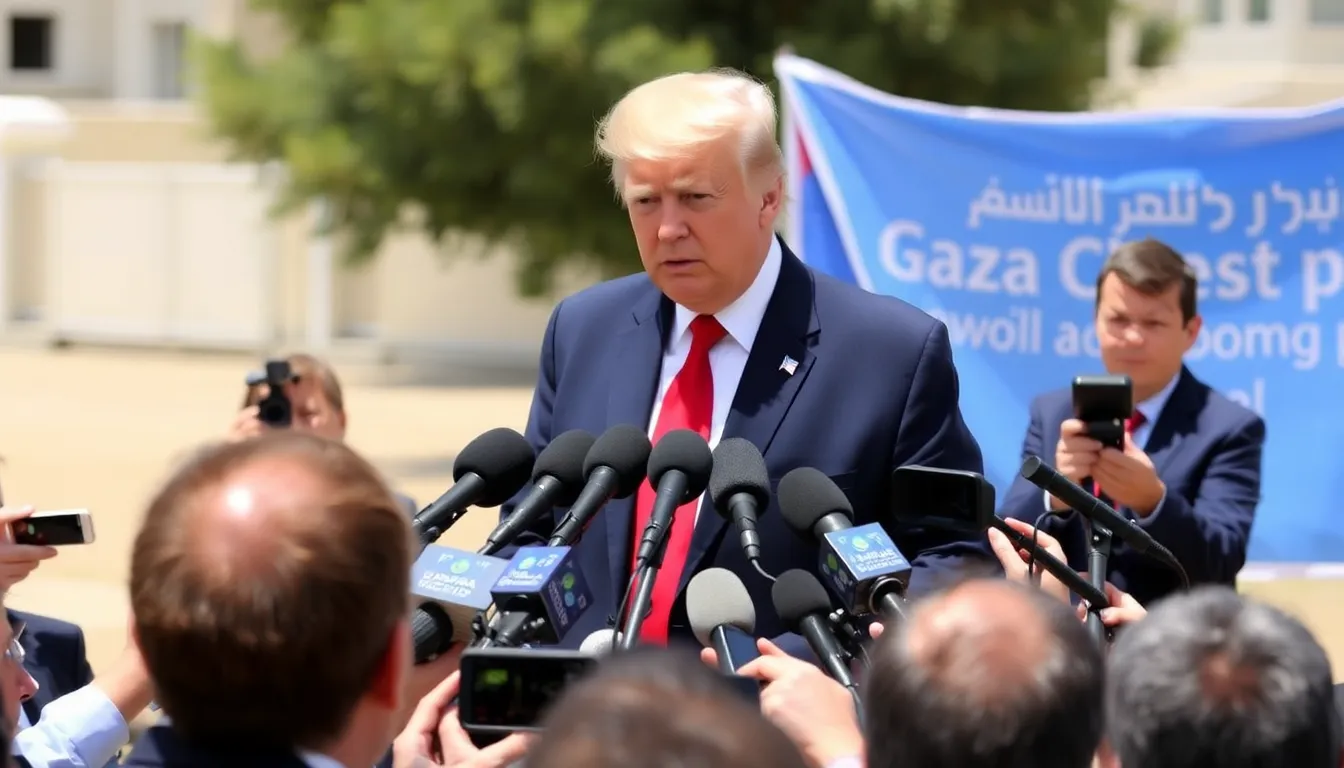
In recent years, the situation in Gaza has been exacerbated by repeated conflicts, blockades, and economic hardships. The Israeli blockade, imposed since 2007, has severely restricted movement and access to basic necessities for the 2 million residents of Gaza. This has led to a dire humanitarian situation, with high unemployment rates, limited access to clean water, and inadequate healthcare. The international community has often intervened, but a lasting solution has remained elusive, with peace talks frequently stalling over contentious issues such as borders, refugees, and the status of Jerusalem.
Donald Trump’s presidency marked a significant shift in U.S. foreign policy towards the Israeli-Palestinian conflict. His administration’s recognition of Jerusalem as Israel’s capital in 2017 and the subsequent unveiling of the “Peace to Prosperity” plan in 2020 were seen by many as favoring Israeli interests while sidelining Palestinian aspirations. Trump’s proposals included significant financial investments in Palestinian infrastructure and economic development in Gaza, which he claimed would create a pathway to peace. However, critics argue that these plans often lacked the necessary political framework to address core issues, such as sovereignty and self-determination for Palestinians. To further understand the implications of his plans, you can read about the recent celebrity events that shaped public perception.
Key Milestones in U.S. Involvement
Over the decades, U.S. involvement in the Israeli-Palestinian conflict has seen various administrations take different approaches. The Oslo Accords in the 1990s marked a significant attempt at peace, establishing the Palestinian Authority and outlining a framework for future negotiations. However, subsequent efforts, including the Roadmap for Peace and Secretary of State John Kerry’s initiatives, have faced numerous setbacks. Trump’s approach, characterized by a more unilateral stance and a reliance on economic incentives, has sparked debate about its viability and potential to bring about meaningful change in the region.
Key Stakeholders and Challenges in Trump’s Plans
As discussions around Trump’s proposed plans for Gaza gain traction, several key stakeholders emerge, each with distinct interests and potential conflicts. The primary actors include the U.S. government, the Palestinian Authority, Israel, and various international organizations. Understanding their motivations is essential to grasp the complexities of the situation.
The U.S. government, under Trump’s leadership, aims to position itself as a mediator in the Israeli-Palestinian conflict, promoting stability in the region while also bolstering its geopolitical influence. However, this ambition often clashes with the interests of the Palestinian Authority, which seeks recognition and sovereignty over its territories. The delicate balance of power in the region complicates any collaborative efforts.
Israel, as a major player, is primarily concerned with its security and territorial integrity. The Israeli government may view Trump’s plans as an opportunity to strengthen its position, but any proposals perceived as threatening to its sovereignty could lead to significant backlash. This creates a trade-off between potential economic benefits and the risk of escalating tensions.
- U.S. Interests: Mediation role, regional stability, and strategic alliances.
- Palestinian Authority: Pursuit of statehood, international recognition, and economic development.
- Israel’s Concerns: Security, territorial claims, and maintaining influence over the region.
- International Organizations: Humanitarian aid, peacekeeping efforts, and advocacy for human rights.
Legal and economic issues also play a critical role in shaping the feasibility of Trump’s plans. Questions around land ownership, the rights of refugees, and the legitimacy of proposed borders are contentious and often lead to disputes. Additionally, economic investments promised in Trump’s plans may require significant international support, which could be hindered by political opposition or legal challenges.
Potential Impacts on Gaza’s Population and Economy
The proposed plans for Gaza, if implemented, could significantly affect various groups within the region. Primarily, the local population, which has long endured economic hardship and instability, stands to be impacted the most. Additionally, businesses in sectors such as construction, agriculture, and tourism could either thrive or face challenges depending on the success of these initiatives.
In the short term, the introduction of new infrastructure projects could create job opportunities, providing much-needed employment for Gaza’s youth. However, the immediate risks include potential political backlash and increased tensions, which could disrupt daily life and business operations. The uncertainty surrounding these plans may also deter foreign investment, further complicating the economic landscape.
In the mid-term, if the plans gain traction, we could see improvements in essential services like healthcare and education, which would greatly enhance the quality of life for residents. Conversely, failure to deliver on promises could lead to disillusionment among the population, potentially sparking unrest and further destabilizing the region.
- Short-term job creation through infrastructure projects.
- Potential for increased foreign investment if political stability is maintained.
- Risks of political backlash and social unrest if expectations are not met.
- Opportunities for business growth in construction and related industries.
- Improvements in public services that could enhance daily life.
Ultimately, the success of Trump’s plans for Gaza will depend on a delicate balance between addressing immediate needs and fostering a sustainable environment for growth. Stakeholders, including local leaders and international partners, will play a crucial role in shaping the outcomes for Gaza’s future.
A: Trump’s plans for Gaza include significant infrastructure development and economic investment aimed at stabilizing the region. However, the specifics of these plans remain largely undefined. A: Key stakeholders include the Palestinian Authority, Israeli government, local NGOs, and international donors. Each has varying interests and influences on the feasibility of Trump’s proposals. A: Major challenges include political instability, ongoing conflict, and differing agendas among stakeholders. These factors could significantly delay or derail the plans. A: If implemented, the plans could lead to job creation, improved infrastructure, and enhanced living conditions for the residents of Gaza. However, the actual benefits depend on successful execution. A: International support is mixed, with some countries expressing interest while others remain skeptical due to the complex political landscape in the region.
Frequently Asked Questions About Trump’s Plans for Gaza
Key Takeaways and Future Outlook on Gaza
The ongoing situation in Gaza presents a complex landscape where political ambitions meet humanitarian needs. As discussions around Trump’s proposed plans continue, the feasibility of these initiatives hinges on a multitude of factors, including regional stability, international support, and the response from local populations. The intersection of these elements will ultimately determine whether any grand plans can transition from conceptual frameworks to actionable strategies.
In the coming months, key developments will likely shape the trajectory of both the region and Trump’s proposals. Observers should remain vigilant to the evolving dynamics, as shifts in political alliances and public sentiment could either bolster or undermine these ambitious plans.
- Monitor the reactions from both Israeli and Palestinian leadership to gauge potential support or opposition to proposed initiatives.
- Watch for changes in U.S. foreign policy that may influence the viability of Trump’s plans, particularly in relation to funding and diplomatic engagement.
- Assess the role of international stakeholders, including the United Nations and neighboring Arab states, in shaping the discourse around Gaza’s future.
- Keep an eye on grassroots movements within Gaza that could impact public opinion and the acceptance of any proposed changes.
- Evaluate the humanitarian conditions on the ground, as these will significantly affect the implementation and reception of any political plans.