


The concert featured Musgrave’s latest work, “Phoenix,” which has been described as a powerful exploration of resilience and renewal. This piece marks a notable addition to her oeuvre and reflects her ongoing influence in contemporary classical music, particularly in the context of female composers gaining recognition in the traditionally male-dominated field.
In contrast, Vaughan Williams’ “A London Symphony” stirred emotions among the audience, evoking a deep sense of place and nostalgia. The performance served as a reminder of the enduring legacy of Vaughan Williams, whose works continue to resonate with both musicians and listeners, showcasing the rich cultural heritage of London.
This concert is part of a broader trend within orchestras to diversify their programming, emphasizing the importance of including both established and contemporary voices. The LSO’s commitment to presenting a balanced repertoire reflects a growing awareness of the need for inclusivity in classical music, which is crucial for attracting new audiences and fostering a deeper appreciation for the genre.
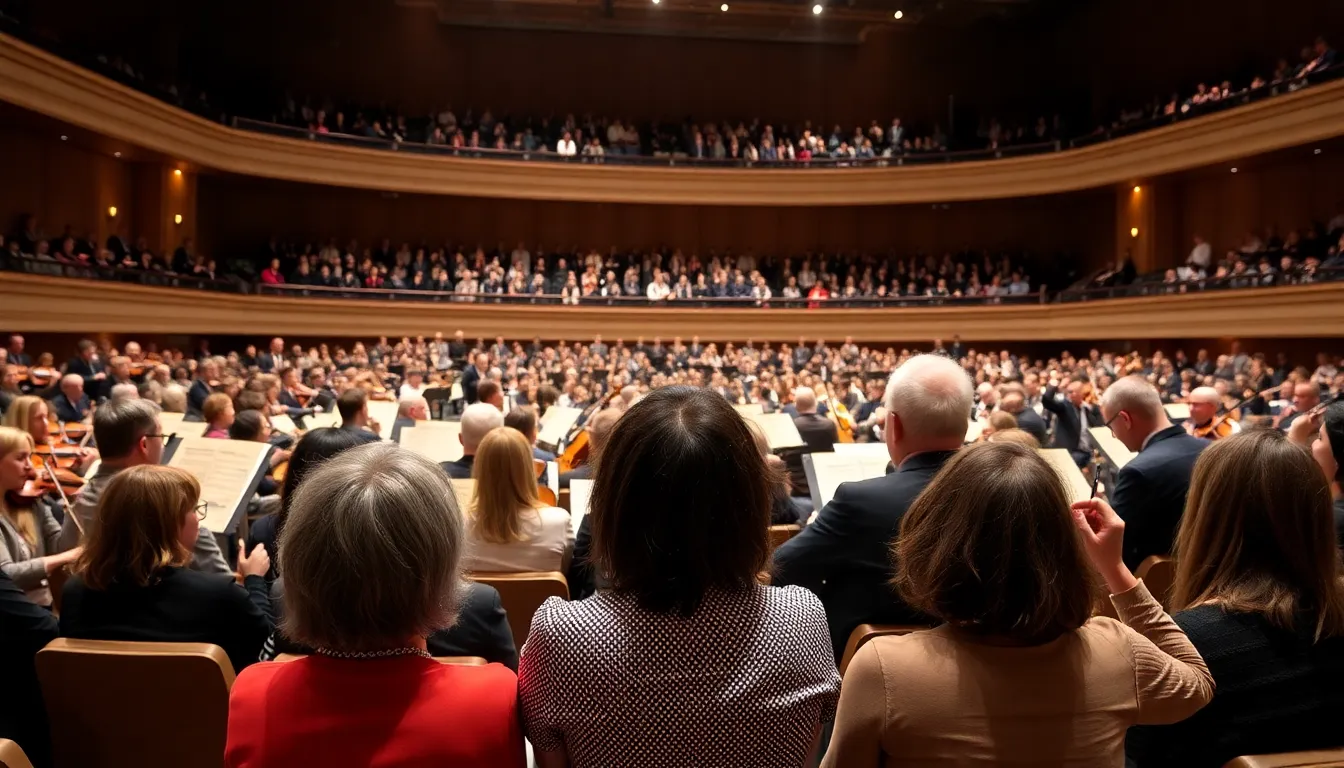
Understanding the significance of Musgrave and Vaughan Williams in contemporary music
The works of contemporary composers such as Thea Musgrave and the legendary Ralph Vaughan Williams reflect a rich tapestry of historical and cultural influences that have shaped British music. Musgrave, born in 1928, emerged as a prominent figure in the 20th-century music scene, navigating through a landscape marked by political upheaval and social change. Her compositions often draw upon personal experiences and broader societal themes, making her contributions particularly relevant in today’s context, much like the themes addressed in modern narratives seen across various artistic expressions.
Vaughan Williams, whose career spanned from the late 19th century into the mid-20th century, is celebrated for his ability to capture the essence of the English landscape and spirit. His works, such as the “London Symphony,” resonate with the emotional and cultural identity of Britain, particularly during a time when the nation faced significant challenges, including the aftermath of the World Wars. Vaughan Williams’ music serves as a reflection of the struggles and triumphs of the British people, establishing him as a cornerstone of the national musical heritage.
The Evolution of British Music
The evolution of British music in the 20th century has been marked by a shift towards embracing diverse influences, from folk traditions to modernist experimentation. This transition was influenced by significant historical events, including the two World Wars, which prompted composers to explore themes of loss, identity, and resilience. Musgrave’s innovative approach, often incorporating elements of drama and narrative, can be seen as a response to this evolving landscape, while Vaughan Williams’ works laid the groundwork for future generations of composers seeking to express the complexities of the human experience.
As contemporary audiences engage with the music of Musgrave and Vaughan Williams, they are not only experiencing art but also connecting with the historical narratives that inform these compositions. The revival of interest in their works, particularly in the context of orchestral performances and recordings, highlights the enduring relevance of their contributions to the cultural fabric of Britain, akin to the cultural resilience shown by various artists in times of change.
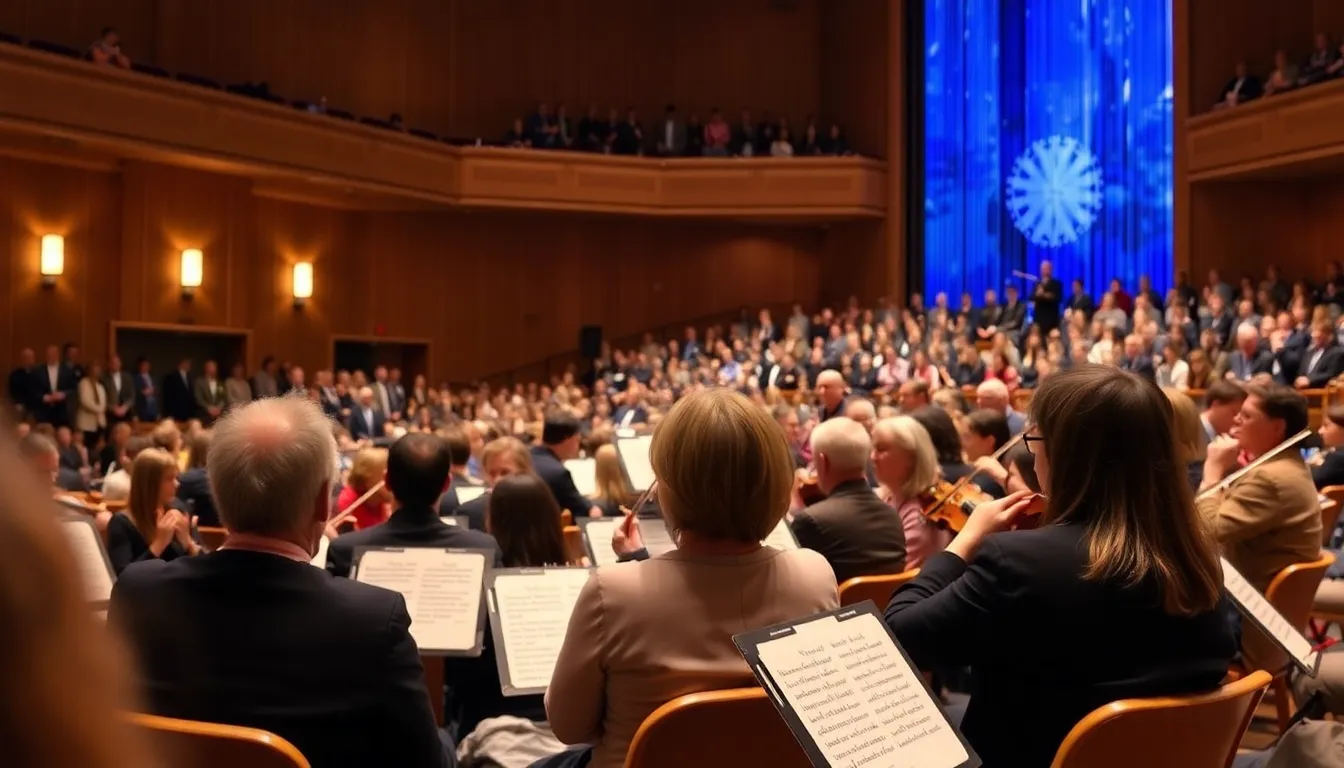
Exploring the themes and emotions in Musgrave’s and Vaughan Williams’ works
The recent LSO/Pappano review highlights the intricate relationship between the composers’ intentions and the audience’s emotional responses. This exploration brings to light the main stakeholders involved, including the London Symphony Orchestra (LSO), conductor Antonio Pappano, and the composers’ estates, as well as the broader public and critics.
One of the key actors is the LSO, which seeks to enhance its reputation and audience engagement through innovative programming. By featuring works from contemporary composer Thea Musgrave alongside the timeless pieces of Ralph Vaughan Williams, the orchestra aims to attract a diverse audience. Their interest lies in presenting a well-rounded concert experience that resonates emotionally with listeners.
Antonio Pappano, as the conductor, plays a pivotal role in interpreting these works. His artistic vision influences how the music is presented, potentially impacting audience reception. Pappano’s commitment to both Musgrave’s modern compositions and Vaughan Williams’ classical repertoire reflects a balancing act that seeks to honor tradition while embracing innovation.
- Musgrave’s Phoenix: Explores themes of rebirth and resilience, resonating with contemporary societal issues.
- Vaughan Williams’ London: Evokes nostalgia and a sense of place, appealing to cultural identity and heritage.
- Economic considerations: The financial viability of programming contemporary works alongside classical pieces can create tension between artistic ambition and budget constraints.
- Audience perception: Different demographics may have varying reactions to the juxtaposition of modern and traditional compositions, influencing future programming decisions.
- Legal issues: Rights and royalties associated with the performance of Musgrave’s work may complicate the orchestra’s planning and execution.
In analyzing these dynamics, it becomes evident that the interplay between artistic expression, audience engagement, and economic realities shapes the landscape of contemporary classical music. Understanding these factors allows for a deeper appreciation of the performances and their broader implications within the cultural context.
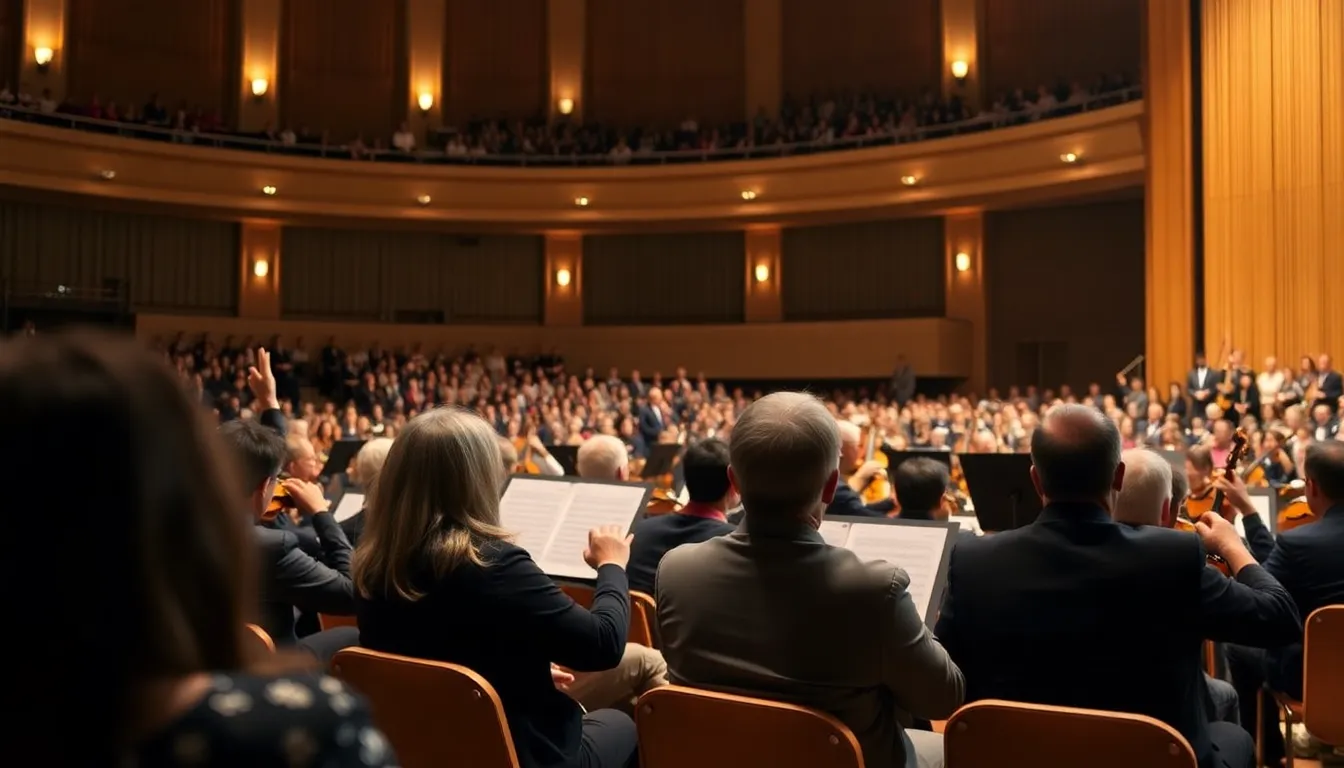
The concert’s influence on audiences and the classical music scene
The recent LSO/Pappano review featuring Musgrave’s “Phoenix” and Vaughan Williams’ “London” has significant implications for various groups, particularly classical music enthusiasts, local businesses, and the broader cultural landscape. Audiences from diverse backgrounds, including students, professionals, and families, are likely to feel the impact of this concert as it fosters a renewed interest in classical music.
In the short term, the concert is expected to boost attendance at similar events, leading to increased ticket sales and heightened engagement with orchestras. This surge in interest can positively affect local economies, particularly in areas surrounding concert venues, as patrons often dine and shop before or after performances.
Mid-term effects may include a shift in how classical music is perceived in society, potentially attracting younger audiences who may have previously felt disconnected from the genre. This revitalization could encourage educational initiatives and partnerships between schools and orchestras, fostering a new generation of classical music lovers.
- Risks: The concert’s success may inadvertently set high expectations for future performances, leading to disappointment if subsequent events do not meet the same standard.
- Opportunities: Increased visibility of contemporary composers like Musgrave can lead to more commissions and performances, enriching the classical repertoire.
- Policy Impact: A growing interest in classical music could influence funding decisions for arts programs, prompting policymakers to allocate more resources to cultural initiatives.
Overall, the LSO/Pappano review not only highlights the enduring appeal of classical music but also emphasizes the interconnectedness of culture and community, with far-reaching implications for audiences and the industry alike.
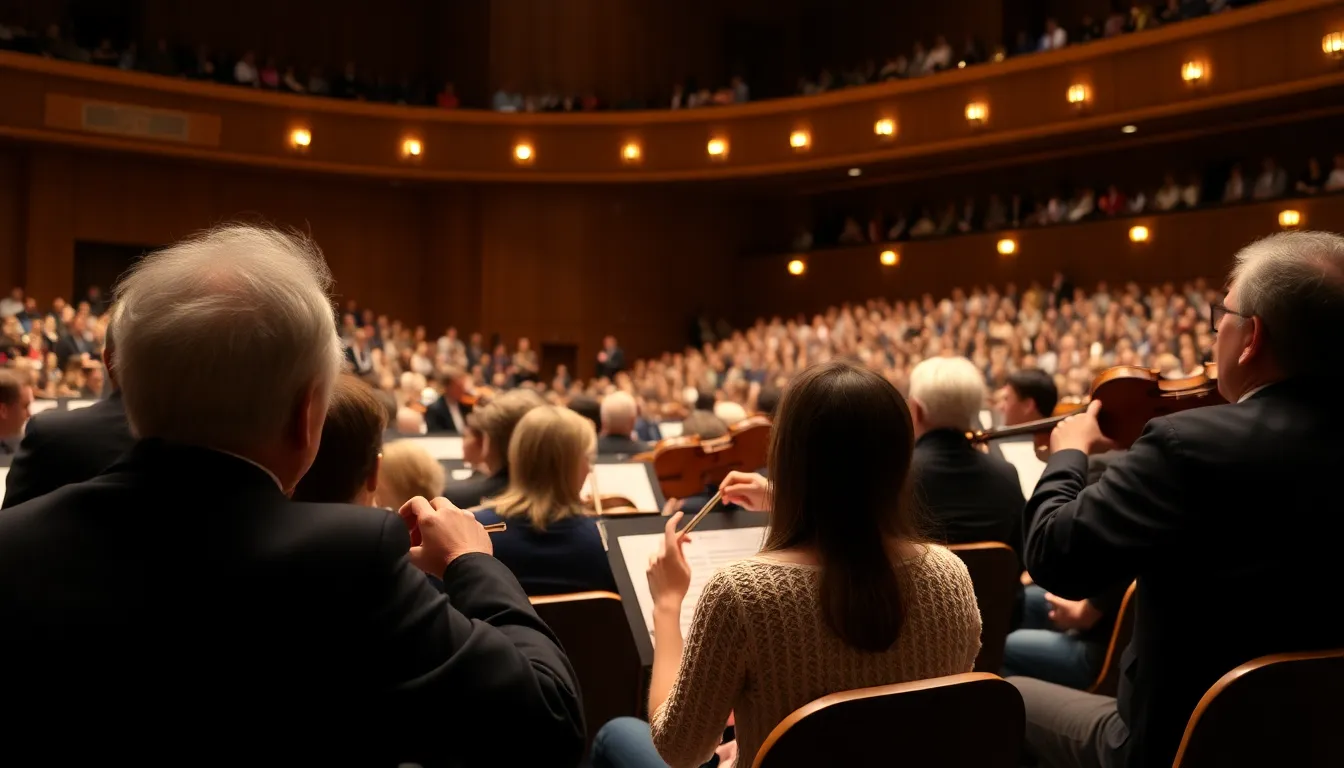
Frequently asked questions about the LSO concert
A: The concert featured Musgrave’s Phoenix and Vaughan Williams’ London, both of which are significant works in the classical repertoire.
A: The concert was conducted by Antonio Pappano, known for his dynamic conducting style and deep interpretations.
A: The audience was deeply moved, with many expressing that the music stirred their emotions and resonated with their experiences.
A: Yes, the LSO has several upcoming concerts featuring a variety of classical works, which can be found on their official website.
Key takeaways and future outlook for LSO performances
The recent LSO/Pappano review highlights a significant evolution in the orchestra’s repertoire, showcasing the compelling works of contemporary composers like Musgrave alongside timeless classics from Vaughan Williams. This blend not only enriches the concert experience but also reflects a broader trend in classical music towards inclusivity and innovation. The emotional depth of Vaughan Williams’ London, paired with Musgrave’s Phoenix, suggests a promising direction for future performances, emphasizing the importance of storytelling through music.
As audiences continue to seek deeper connections with the pieces performed, the LSO’s commitment to diverse programming will likely attract a wider demographic. Observing how this strategy unfolds in upcoming seasons will be crucial for understanding the orchestra’s impact on the classical music landscape.
- Expect a continued focus on integrating contemporary works with classical favorites in future LSO programs.
- Watch for audience engagement initiatives that may arise from the success of emotionally resonant performances.
- Consider the potential for collaborations with living composers to further diversify the LSO’s offerings.
- Monitor how the LSO adapts its marketing strategies to reach younger audiences drawn to innovative musical experiences.
- Stay tuned for critical responses and audience feedback, which will shape the orchestra’s future artistic directions.