


In addition to the historical instruments, Richter has collaborated with a women’s choir, which adds a layer of richness to the score. The choir’s ethereal harmonies serve to underscore the themes of loss and memory central to the narrative. This combination of voices and instruments creates a haunting atmosphere that reflects the complexities of grief portrayed in the story.
Critics have noted that the music plays a pivotal role in shaping the audience’s emotional response, enhancing key moments of the performance. For a deeper insight into how costumes influence productions, check out Exploring Paul Tazewell’s Unique Fashion Choices in Wicked For Good.
This artistic endeavor not only highlights the relevance of Shakespeare’s themes in today’s society but also showcases the evolving landscape of theater music. By bridging historical and contemporary elements, Richter’s work invites audiences to engage with the emotional core of “Hamnet” in a profound way, ensuring that the play’s exploration of love and loss resonates deeply with viewers.
The Historical Significance of Elizabethan Instruments
The Elizabethan era, spanning from 1558 to 1603, was a time of significant cultural flourishing in England, marked by advancements in literature, theater, and music. Instruments from this period, such as the lute, viol, and sackbut, played a crucial role in the development of early music, influencing composers and musicians for centuries. These instruments, with their unique timbres and expressive capabilities, were integral to the soundscapes of the time, often accompanying the poetic works of playwrights like William Shakespeare.
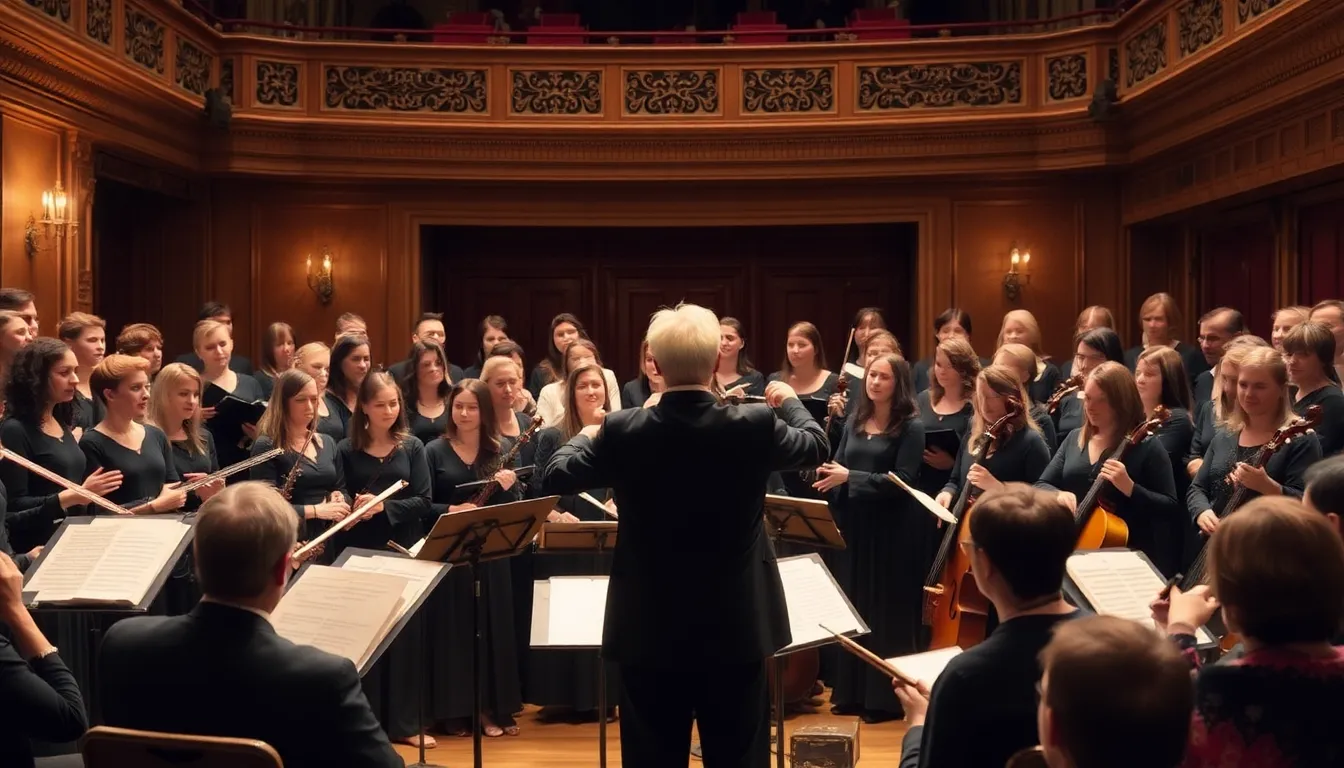
By incorporating Elizabethan instruments into his score, Richter not only pays homage to the historical context of the play but also enhances the emotional depth of the narrative. This intertwining of historical and contemporary elements echoes discussions found in Exploring the Excitement of Two New Bach Pieces.
The Role of Women’s Choirs in Contemporary Composition
In addition to the historical instruments, Richter’s decision to include a women’s choir adds another layer of emotional resonance to the production. Women’s choirs have a long-standing tradition in both sacred and secular music, often symbolizing purity, strength, and communal voice. By utilizing a women’s choir, Richter not only elevates the emotional tone of “Hamnet” but also aligns with contemporary movements that seek to highlight female voices in the arts. This choice reflects a broader societal shift towards inclusivity and representation, echoing the dynamics of Elizabethan theater where women were often absent from the stage.
The integration of these elementsElizabethan instruments and a women’s choirserves to bridge the past and present, allowing modern audiences to engage with Shakespeare’s legacy in a fresh and poignant manner. This artistic endeavor underscores the ongoing relevance of historical music traditions in contemporary storytelling, illustrating how the echoes of the past can shape and inform present-day narratives.
Analyzing the Role of the Women’s Choir in the Score
In the creation of ‘Hamnet’, composer Max Richter collaborated with a women’s choir to evoke the emotional depth of the narrative. This collaboration highlights the intersection of artistic expression and historical instrumentation, offering a unique auditory experience that connects contemporary audiences with the Elizabethan era.
The primary stakeholders in this project include Richter himself, the women’s choir, and the production team behind ‘Hamnet’. Each party has distinct interests: Richter aims to explore innovative soundscapes, the choir seeks to showcase their vocal artistry, and the production team is focused on delivering a compelling adaptation of Shakespeare’s work. This synergy is crucial for achieving the desired emotional resonance.
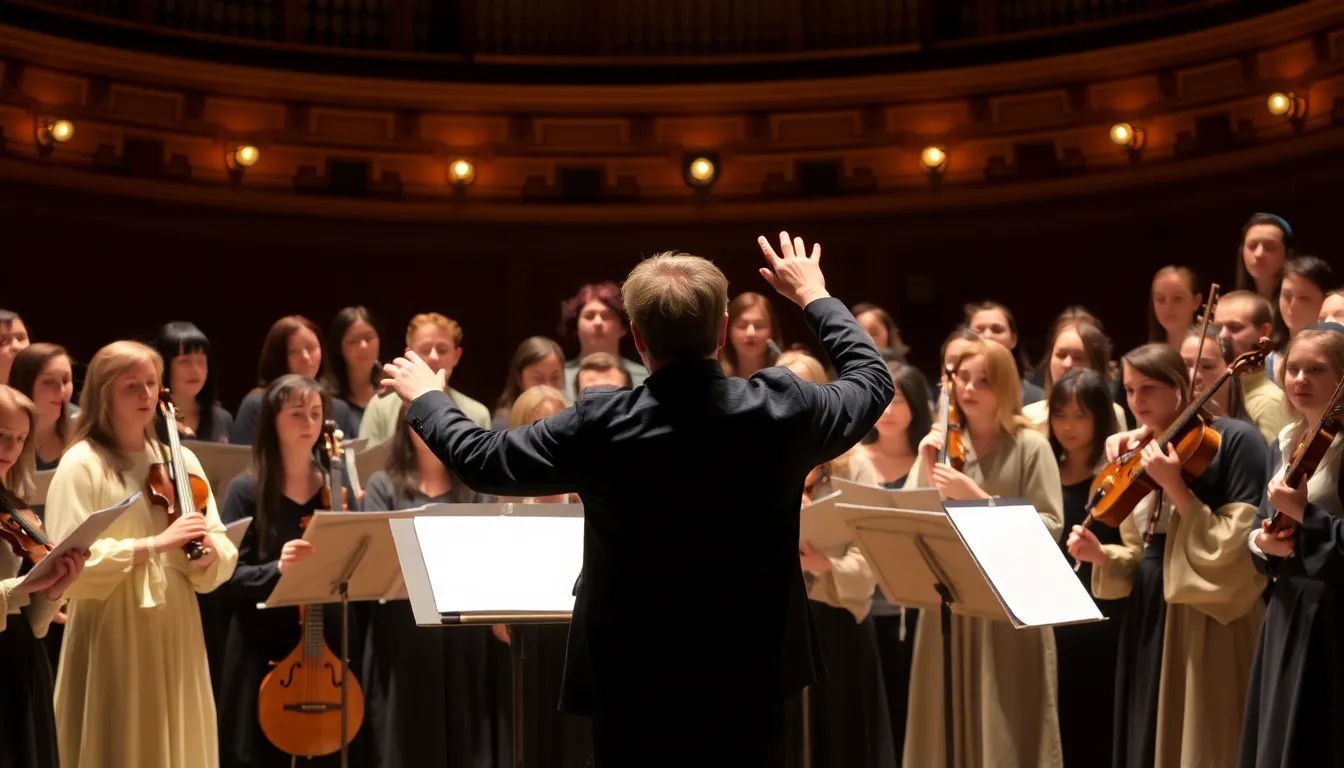
However, this collaboration is not without its challenges. The use of Elizabethan-era instruments alongside modern choral arrangements raises questions about authenticity versus innovation. Stakeholders must navigate the trade-offs between historical fidelity and contemporary relevance, which can lead to conflicts in creative direction.
- Authenticity vs. Innovation: Balancing the use of traditional instruments with modern interpretations can create tension among musicians and producers.
- Economic Considerations: Funding for such artistic endeavors often hinges on the perceived value of blending historical elements with modern storytelling.
- Legal Issues: Copyright concerns around the original works of Shakespeare may influence how the music and performance are structured.
- Artistic Collaboration: The dynamics between Richter and the choir can affect the overall sound, necessitating open communication and compromise.
Ultimately, the integration of a women’s choir and historical instruments in ‘Hamnet’ serves as a powerful reminder of how diverse artistic elements can come together to create a rich tapestry of sound that enhances narrative depth. The ongoing dialogue among stakeholders will be crucial as they navigate these complexities to deliver a cohesive and impactful performance.
The Impact of Music on Audience Reception
This innovative approach not only appeals to theatergoers but also engages musicians, composers, and educators who are exploring historical music practices and their emotional impacts, much like the insights shared in Exploring the Success of Hitmakers and Their Smash Singles.
In the short term, audiences attending performances of ‘Hamnet’ may experience a heightened emotional connection to the narrative, leading to increased ticket sales and a surge in interest in similar productions. Local theaters and arts organizations could see a boost in attendance as they adopt similar musical techniques, fostering a renaissance of classical and historical music within contemporary storytelling.
Mid-term impacts may include a shift in educational curriculums, as music programs incorporate the study of Elizabethan instruments and choral arrangements. This could lead to a greater appreciation for historical music, influencing how future generations understand and engage with the arts. Additionally, there may be increased collaboration between composers and theater companies, creating opportunities for new works that blend traditional and modern elements.
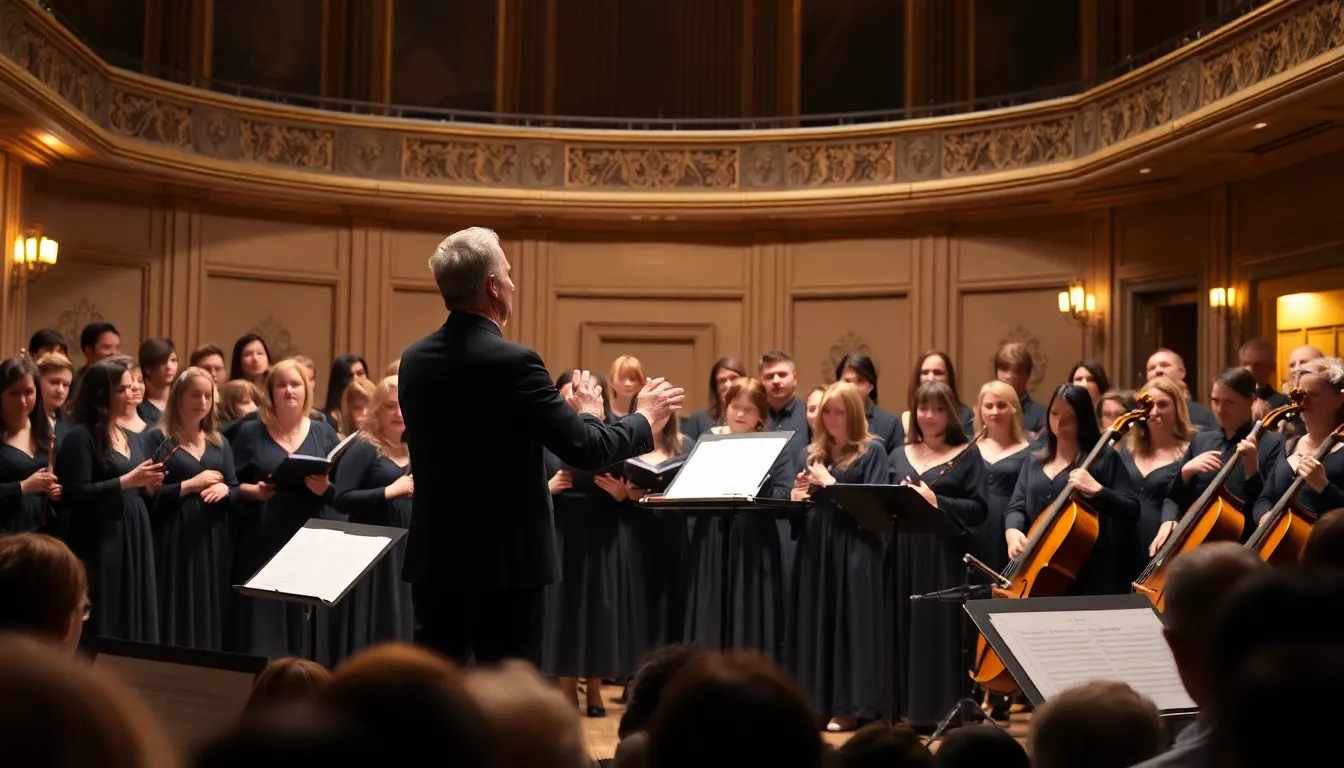
- Increased audience engagement: Enhanced emotional experiences may lead to repeat attendance.
- Revitalization of historical music: A renewed interest in Elizabethan instruments could inspire new compositions.
- Educational reforms: Music education may evolve to include more historical contexts and instruments.
- Collaboration opportunities: Potential partnerships between composers and theater companies for innovative productions.
However, there are risks involved, such as the potential for niche appeal limiting broader audience reach. If the unique soundscape does not resonate with all viewers, it could impact ticket sales and overall reception. Additionally, reliance on specific historical instruments may pose challenges in accessibility for some theaters, particularly those with limited budgets or resources.
A: Max Richter selected Elizabethan-era instruments to evoke the historical context of the play, creating a unique soundscape that resonates with the themes of loss and memory. A: The women’s choir adds a haunting quality to the music, enhancing the emotional weight of the narrative and providing a contrast to the instrumental sections. A: These instruments not only reflect the time period of Shakespeare but also contribute to a richer, more authentic auditory experience for the audience. A: Audience reactions have been overwhelmingly positive, with many noting how the music deepens their emotional engagement with the story. A: While not common, using period-specific instruments and vocal ensembles is becoming more popular as creators seek to enhance authenticity in adaptations.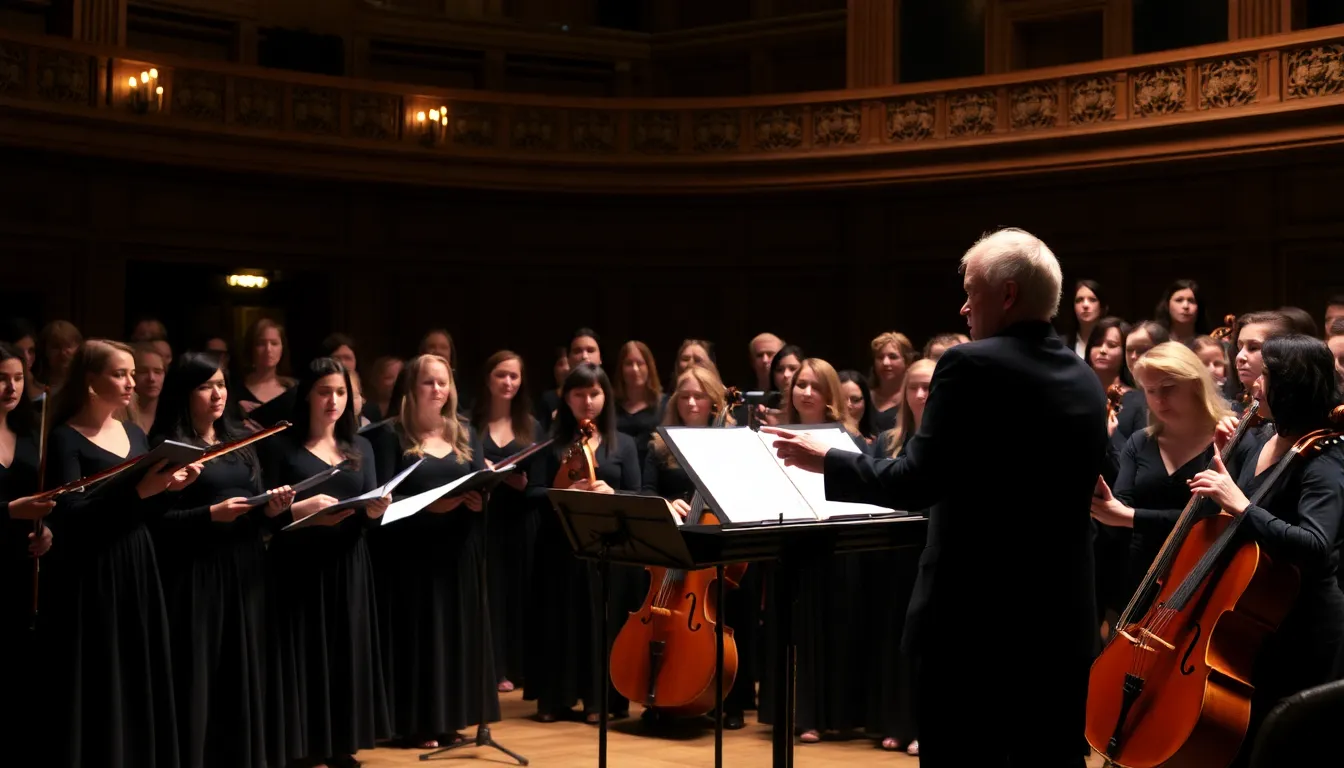
Frequently Asked Questions about Hamnet’s Music
Key Takeaways and Future Perspectives on Musical Adaptations
Max Richter’s innovative use of Elizabethan-era instruments combined with a women’s choir in the score for ‘Hamnet’ not only enhances the emotional depth of the narrative but also invites a re-examination of how historical music traditions can inform contemporary storytelling. This approach highlights the potential for composers to bridge the gap between past and present, creating a rich tapestry of sound that resonates with modern audiences while honoring classical roots.
As the landscape of musical adaptations continues to evolve, the integration of diverse musical elements will likely play a crucial role in shaping audience experiences. The success of Richter’s composition serves as a reminder of the power of collaboration and the importance of inclusivity in artistic expression, paving the way for future projects that prioritize unique soundscapes and cultural heritage.
- Exploration of historical instruments can enhance the emotional resonance of contemporary narratives.
- Collaborations with diverse vocal ensembles, such as women’s choirs, can add depth and richness to musical scores.
- Future adaptations may benefit from a focus on inclusivity and representation in both music and storytelling.
- Innovative soundscapes can attract broader audiences and create a more immersive experience.
- Composers should consider how traditional elements can inform modern interpretations to create a unique artistic voice.