


The lawsuit, filed on October 10, 2023, in the High Court of London, asserts that Shell’s business practices are inconsistent with the UK’s climate commitments, particularly in light of the government’s goal to achieve net-zero emissions by 2050. The plaintiffs argue that the company’s ongoing investments in fossil fuels undermine efforts to combat climate change, posing risks to public health and the environment. This situation is reflective of broader issues highlighted in discussions about climate accountability.
This legal action comes amidst increasing scrutiny of major oil companies and their role in global warming. As public awareness and concern over climate change grow, activists and legal experts believe that this case could set a precedent for future litigation against fossil fuel companies, potentially reshaping the energy landscape in the UK and beyond.
Shell has publicly stated its commitment to transitioning to renewable energy sources, but critics argue that its current operations still heavily rely on oil and gas. The outcome of this case could have far-reaching implications not only for Shell but also for the broader fossil fuel industry as it navigates the challenges of climate accountability.
Understanding the background of climate litigation against fossil fuel companies
The intersection of climate change and corporate responsibility has become a focal point of legal scrutiny in recent years. As global temperatures rise and the impacts of climate change become increasingly severe, communities and governments have begun to hold fossil fuel companies accountable for their role in contributing to this crisis. The case against Shell in the UK marks a significant moment in this ongoing battle, as it represents one of the first legal claims aimed at a major oil company within the country for its climate impacts, reflecting the need for sustainable practices.
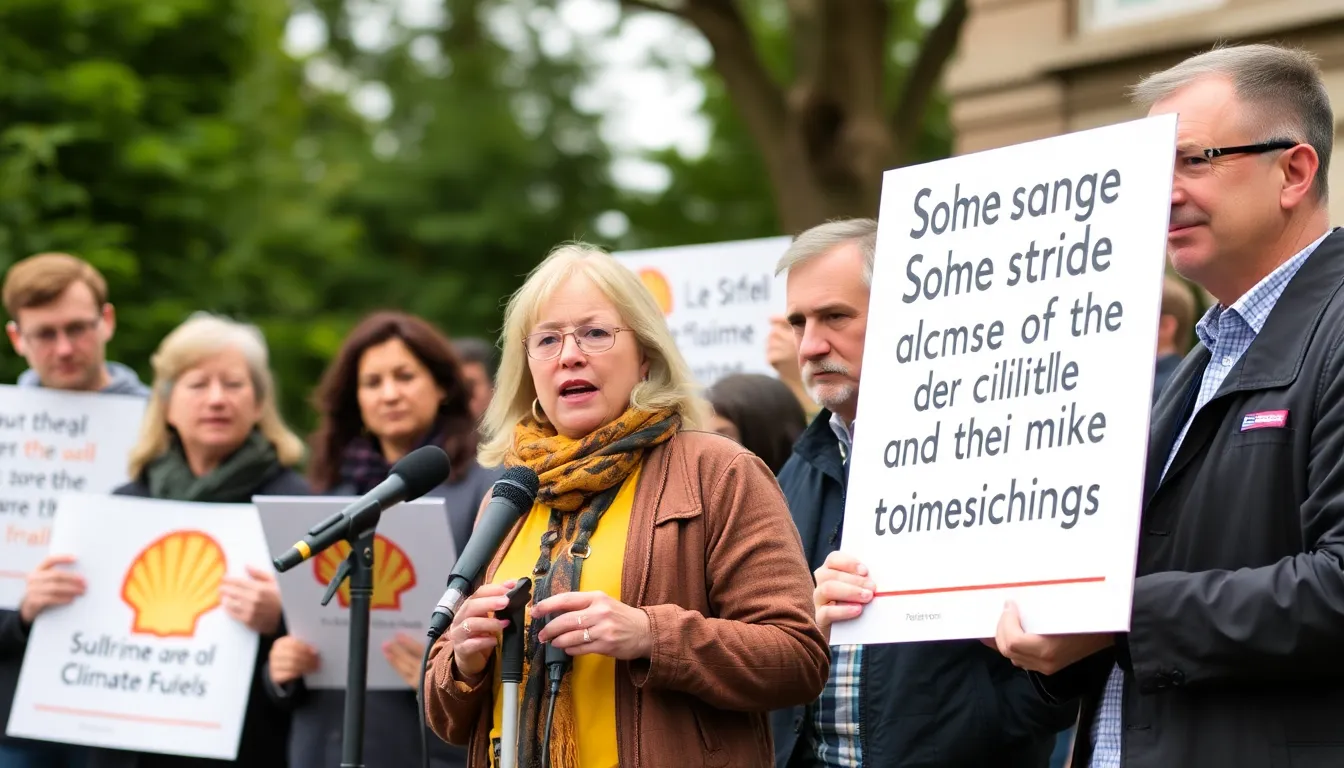
Historically, fossil fuel companies have operated with relative impunity, often prioritizing profits over environmental concerns. However, the growing body of scientific evidence linking fossil fuel consumption to climate change has prompted a shift in public perception and policy. The 2015 Paris Agreement, which aimed to limit global warming to well below 2 degrees Celsius, catalyzed a wave of climate activism and legal actions against companies perceived as contributing to environmental degradation.
Key Milestones in Climate Litigation
Several landmark cases have paved the way for the current legal landscape surrounding climate litigation. In 2018, a California court ruled against the oil company Chevron, allowing a lawsuit to proceed that accused the company of environmental harm. Similarly, the 2020 case against the Dutch government by environmental group Urgenda set a precedent by holding the state accountable for insufficient climate action. These cases have emboldened activists and legal experts to pursue similar claims against other fossil fuel giants, as noted in discussions about legal precedents.
The economic implications of climate litigation cannot be understated. As investors and consumers increasingly favor sustainable practices, fossil fuel companies are facing mounting pressure to adapt or risk financial repercussions. This evolving landscape has prompted companies like Shell to reassess their strategies, yet the legal challenges they face may force them to confront their past actions more directly.
As the UK legal claim against Shell unfolds, it highlights a crucial turning point in the fight against climate change. The outcome of this case may not only impact Shell’s operations but could also set a precedent for future litigation against other fossil fuel companies, potentially reshaping the industry and its approach to climate accountability.
Key stakeholders and issues surrounding the legal claim against Shell
The legal claim against Shell in the UK represents a significant moment in the ongoing discourse about climate change and the fossil fuel industry. Key stakeholders in this situation include environmental advocacy groups, Shell as a multinational corporation, the UK government, and the general public, all of whom have varying interests and stakes in the outcome of this case.
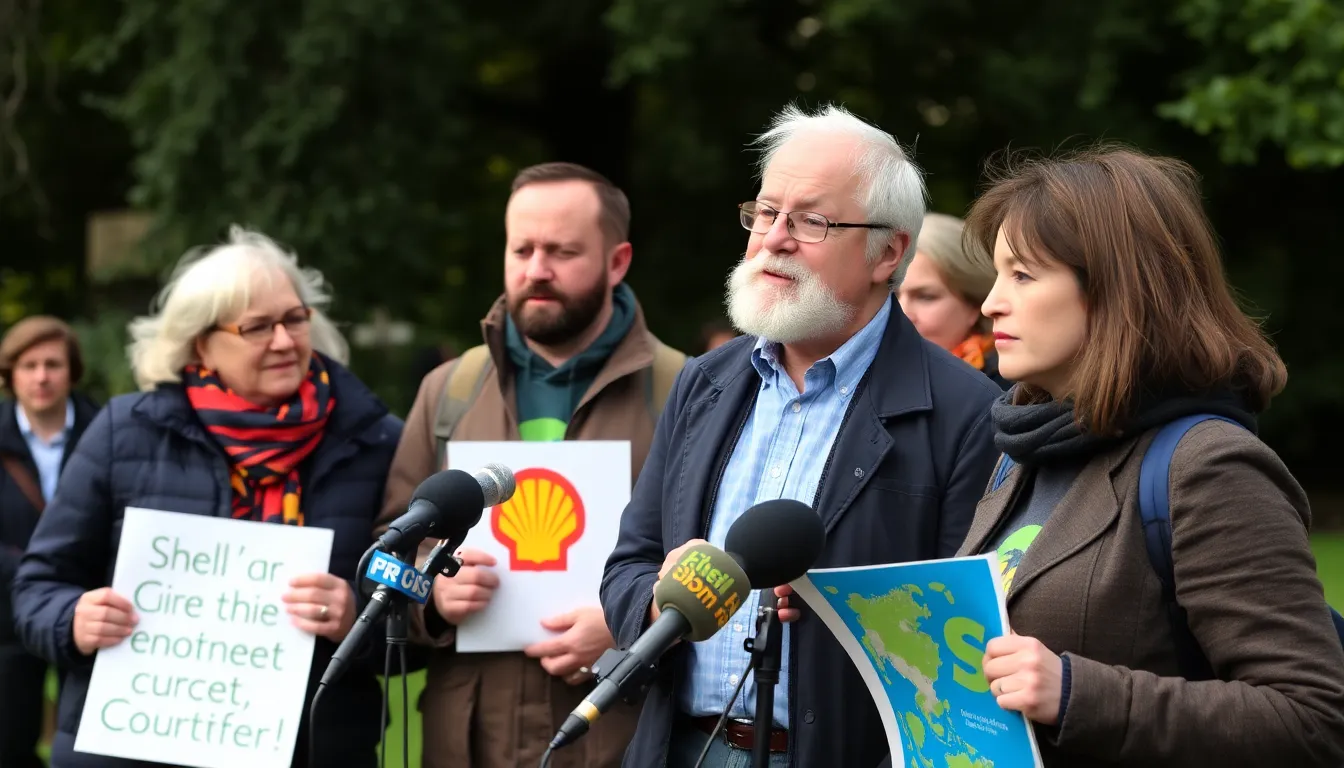
Environmental organizations, such as ClientEarth, are at the forefront of this legal action, aiming to hold Shell accountable for its contributions to climate change. Their primary interest lies in promoting sustainable practices and reducing greenhouse gas emissions. They argue that Shell’s operations are inconsistent with the UK’s climate commitments, thus seeking to compel the company to align its business strategies with environmental goals.
On the other hand, Shell’s interests are multifaceted. As a major player in the fossil fuel sector, the company is concerned about potential financial repercussions, regulatory changes, and damage to its reputation. The legal claim could set a precedent for future litigation against fossil fuel companies, raising concerns about increased operational costs and impacts on shareholder value.
The UK government also plays a crucial role in this scenario. While it has committed to ambitious climate targets, the government must balance environmental objectives with economic considerations, including energy security and job preservation in traditional energy sectors. This creates a complex landscape where legal outcomes could influence policy directions and public sentiment.
Several key issues emerge from this legal claim:
- Legal Precedent: The case may establish a benchmark for future climate-related lawsuits against corporations.
- Economic Impact: Potential financial liabilities for Shell could affect its investment strategies and operational decisions.
- Public Perception: The outcome could significantly influence public trust in Shell and the broader fossil fuel industry.
- Regulatory Response: The legal proceedings may prompt the UK government to reassess its regulatory framework regarding fossil fuels.
- Global Implications: The case could inspire similar legal actions in other jurisdictions, affecting global fossil fuel markets.
Potential implications for Shell and the wider fossil fuel industry
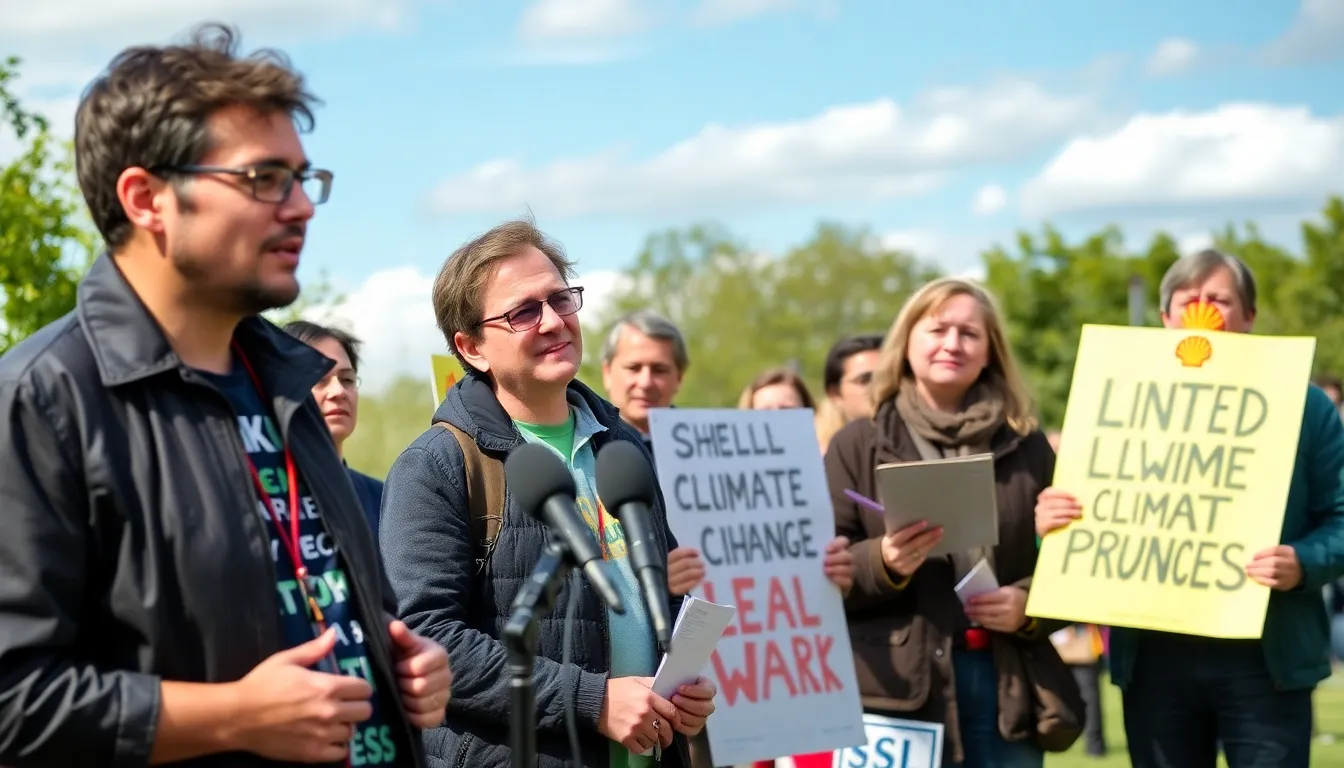
The legal claim against Shell marks a significant moment for the fossil fuel industry in the UK, potentially affecting a wide range of stakeholders. Communities that are vulnerable to climate change, including low-lying coastal regions and areas reliant on agriculture, may experience immediate repercussions. Additionally, environmental advocacy groups are likely to feel empowered by this legal action, potentially leading to more claims against other fossil fuel companies.
In the short term, the ongoing legal proceedings could create uncertainty for investors in the fossil fuel sector. Companies may face increased scrutiny and pressure to disclose their climate-related risks, leading to potential shifts in investment strategies. This uncertainty could also impact job security for those employed in fossil fuel industries, especially in regions heavily reliant on oil and gas production.
Mid-term impacts could include changes in policy as governments respond to the growing public concern over climate change. Policymakers may implement stricter regulations on emissions and incentivize renewable energy investments. This shift could create opportunities for businesses in the renewable sector, as well as for companies that innovate in carbon capture and sustainable practices.
- Communities affected: Vulnerable populations in coastal and agricultural regions.
- Investors: Increased scrutiny and potential shifts in investment strategies.
- Employment: Job security concerns in fossil fuel-dependent regions.
- Policy changes: Stricter regulations and incentives for renewable energy.
- Business opportunities: Growth for renewable energy and sustainable innovation.
Furthermore, the legal action could catalyze a broader societal shift in attitudes towards fossil fuels. As public awareness of climate issues grows, consumer demand for sustainable products and services may increase, prompting businesses to adapt their practices. This evolving landscape presents both risks and opportunities for companies within the fossil fuel industry as they navigate the transition to a more sustainable economy.
A: The legal claim against Shell pertains to the company’s contributions to climate change through its fossil fuel operations, which are alleged to have significant environmental impacts. A: The claim is being brought by environmental activists and organizations that argue for greater accountability from fossil fuel companies regarding their climate impacts. A: The outcome could set a precedent for future climate litigation against other fossil fuel companies, potentially resulting in financial penalties or changes in corporate practices. A: Depending on the outcome, the claim could lead to increased scrutiny of Shell’s operations and may require the company to alter its business strategies to align with climate goals. A: This case could signal a shift in how courts view the responsibilities of fossil fuel companies, influencing regulations and public perception in the industry.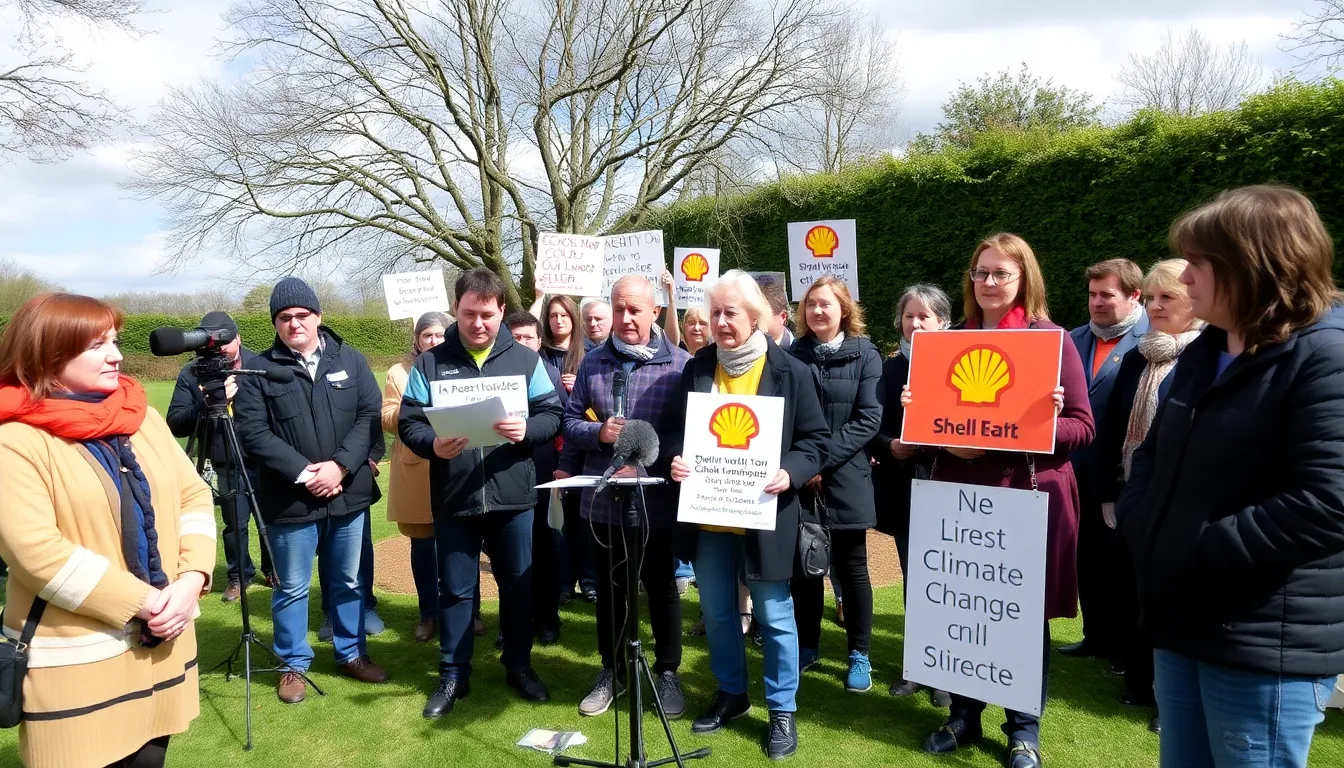
Frequently asked questions about the legal claim against Shell
Looking ahead: key takeaways and future outlook
The legal claim against Shell marks a significant turning point in the accountability of fossil fuel companies for their climate impacts. As environmental concerns continue to escalate, this case could set a precedent for future litigation, not only in the UK but globally. Stakeholders, including investors and policymakers, will need to closely monitor the developments of this case, as its outcomes may influence regulatory frameworks and corporate strategies in the energy sector.
Furthermore, the growing trend of legal actions against major corporations for their role in climate change highlights the shifting landscape of public and legal expectations. Companies may need to reassess their risk management strategies and sustainability commitments to align with the increasing pressure for accountability and transparency in their environmental practices.
- Watch for potential ripple effects in the energy sector as other companies may face similar legal challenges.
- Investors should consider the implications of climate-related litigation on corporate valuations and risk assessments.
- Regulatory bodies may respond with stricter guidelines and policies aimed at reducing carbon emissions and holding companies accountable.
- Public sentiment regarding climate action is likely to intensify, influencing consumer behavior and corporate reputations.
- Monitoring the legal proceedings will provide insights into how courts interpret corporate responsibility in the context of climate change.