


In addition to the assault on the officer, the YouTuber was also charged with making threats during a court appearance in April 2023. He reportedly threatened to “eviscerate” courtroom personnel, further escalating the seriousness of his legal troubles. These actions have raised concerns about the influence of social media personalities on their followers and the potential for real-world violence, as discussed in related articles.
The court’s decision to impose a prison sentence reflects a growing intolerance for violent behavior, particularly from public figures who have a platform that can incite others. Legal experts highlight that this case may set a precedent for how similar incidents are handled in the future, emphasizing the need for accountability among influencers.
This situation has sparked a broader conversation about the responsibilities of content creators and the impact of their actions on society. As the case continues to unfold, many are watching closely to see how it will influence both legal standards and community perceptions of online personalities.
Understanding the events that led to the sentencing
The case of the YouTuber who mowed down a police officer and later threatened to ‘eviscerate’ a courtroom is emblematic of a broader societal issue involving the intersection of social media fame, mental health, and violent behavior. Over the past decade, the rise of social media platforms has transformed ordinary individuals into public figures, often leading to a distorted perception of reality and consequences for actions taken online and offline.
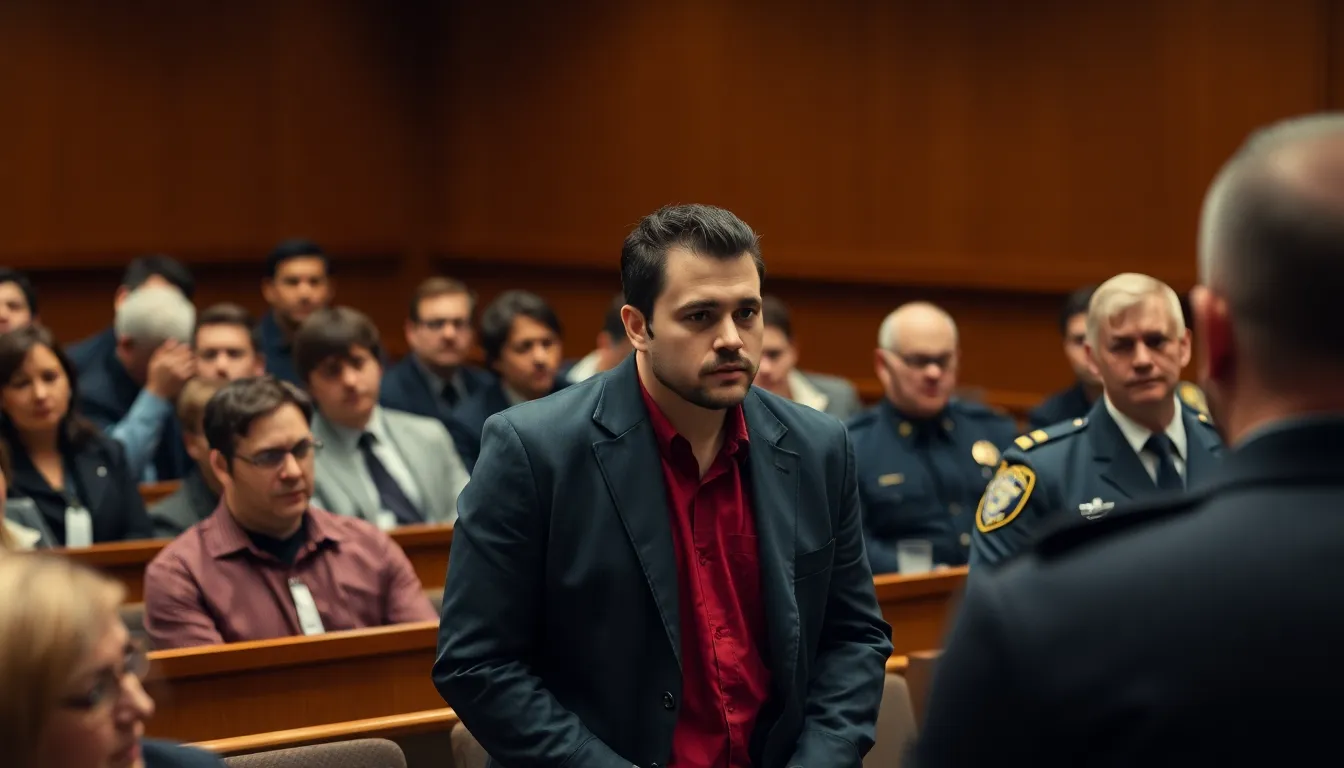
Historically, the phenomenon of “internet fame” has been linked to various incidents where individuals engage in reckless or illegal behavior to gain attention. The case in question is not an isolated incident; rather, it reflects a troubling trend where some influencers feel emboldened to act out violently, believing that their online persona can shield them from real-world repercussions. This has raised questions about accountability, especially when the actions are broadcasted or documented for an audience, similar to other high-profile incidents.
The Role of Mental Health
Another critical aspect of this case is the mental health struggles that often accompany the pressures of online fame. Many content creators face intense scrutiny and criticism, which can exacerbate underlying psychological issues. In this instance, the YouTuber’s erratic behavior may have been influenced by unaddressed mental health challenges, highlighting the need for better support systems for individuals in the public eye. This situation underscores the importance of recognizing mental health as a significant factor in violent behavior and the legal system’s approach to such cases, as explored in related discussions.
Moreover, the case has sparked discussions about the legal implications of actions taken by social media influencers. Precedent cases involving public figures and violent acts have often resulted in complex legal battles that weigh the individual’s mental state against their actions. The sentencing of the YouTuber serves as a reminder that even those with a significant following are not above the law, and that society must grapple with the consequences of their actions both online and offline.
As the legal system continues to evolve in response to the challenges posed by social media, this case may serve as a pivotal moment for future legislation and policies aimed at addressing the unique issues surrounding influencers and their responsibilities. The intersection of fame, mental health, and accountability will likely remain a contentious topic as society seeks to understand the implications of such incidents.
Examining the implications for social media influencers and public safety
The recent case of a YouTuber who mowed down a police officer and subsequently threatened to ‘eviscerate’ a courtroom has raised significant concerns regarding the responsibilities of social media influencers and the potential risks associated with their actions. This incident highlights a complex interplay between individual behavior, public safety, and the role of digital platforms in moderating content and user conduct.
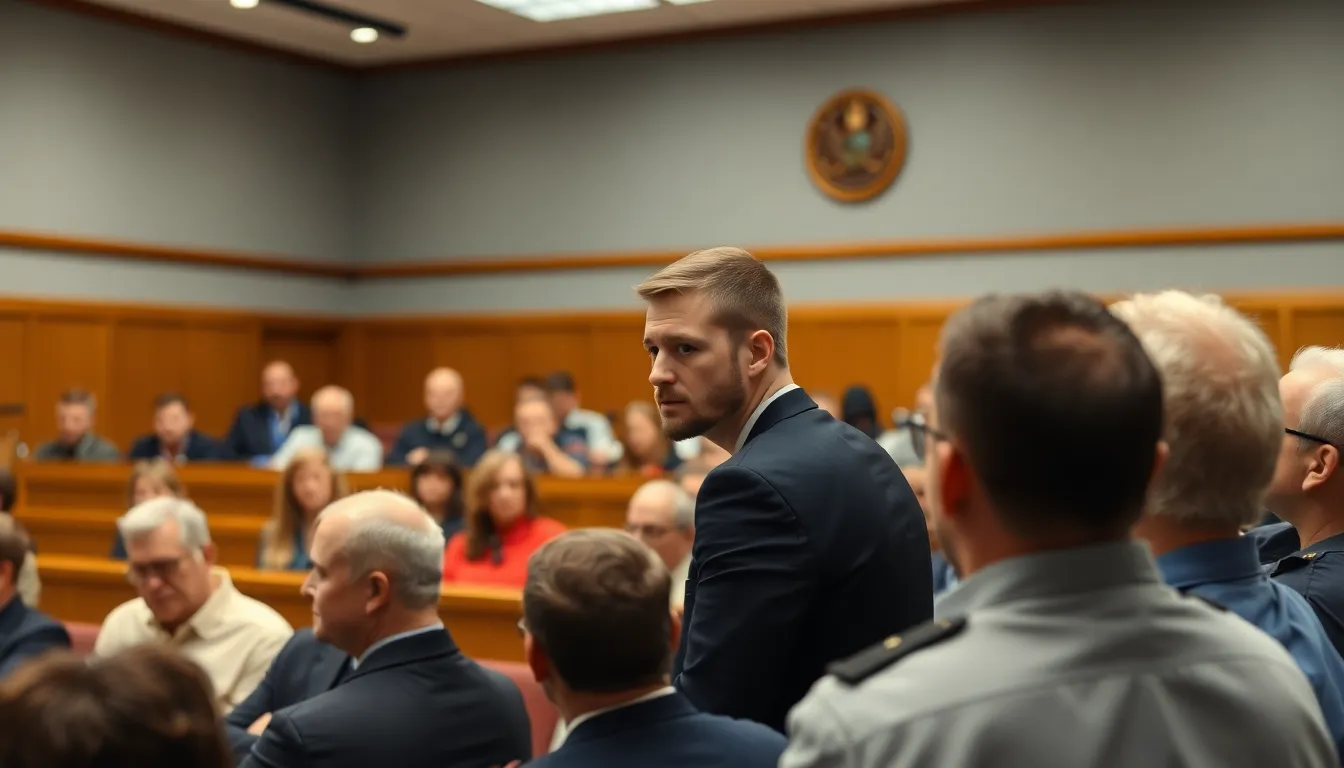
Key stakeholders in this situation include law enforcement agencies, social media platforms, legal authorities, and the broader community of content creators. Each of these actors has distinct interests that shape their responses to the incident. Law enforcement agencies are primarily concerned with maintaining public safety and enforcing the law, while social media platforms are focused on managing their reputations and ensuring compliance with legal standards.
Additionally, the legal system faces the challenge of addressing the implications of online behavior in real-world contexts. Courts must navigate the balance between free speech and the potential for incitement to violence, especially when such threats are made in a public forum. This raises critical questions about how the law applies to digital content and the responsibilities of influencers in shaping public discourse.
- Public Safety Concerns: The incident underscores the potential dangers posed by influencers who may act recklessly or irresponsibly, impacting the safety of the community.
- Legal Accountability: It raises questions about the extent to which social media platforms should be held accountable for the actions of their users.
- Influencer Responsibility: Content creators need to recognize their influence and the potential consequences of their actions, both online and offline.
- Community Impact: Such incidents can erode public trust in both law enforcement and social media platforms, leading to broader societal implications.
As this case unfolds, it serves as a critical reminder of the need for a more nuanced understanding of the intersection between social media, influencer behavior, and public safety. The outcomes of this situation may influence future policies and regulations governing online conduct, as well as the expectations placed on influencers in their roles as public figures.
The broader effects on community trust in law enforcement
The incident involving the YouTuber who mowed down a police officer and threatened courtroom officials has far-reaching implications for various groups and sectors. Law enforcement agencies, local communities, and the digital content creation industry are among those most affected. This event raises significant concerns about the relationship between the public and the police, particularly in regions where trust has already been strained.
In the short term, the immediate impact on daily life may manifest as increased police presence and heightened scrutiny of law enforcement practices. Communities may experience a sense of fear and uncertainty, leading to a potential decline in public cooperation with police. The incident could also spark protests or community meetings aimed at addressing concerns over police conduct and accountability.
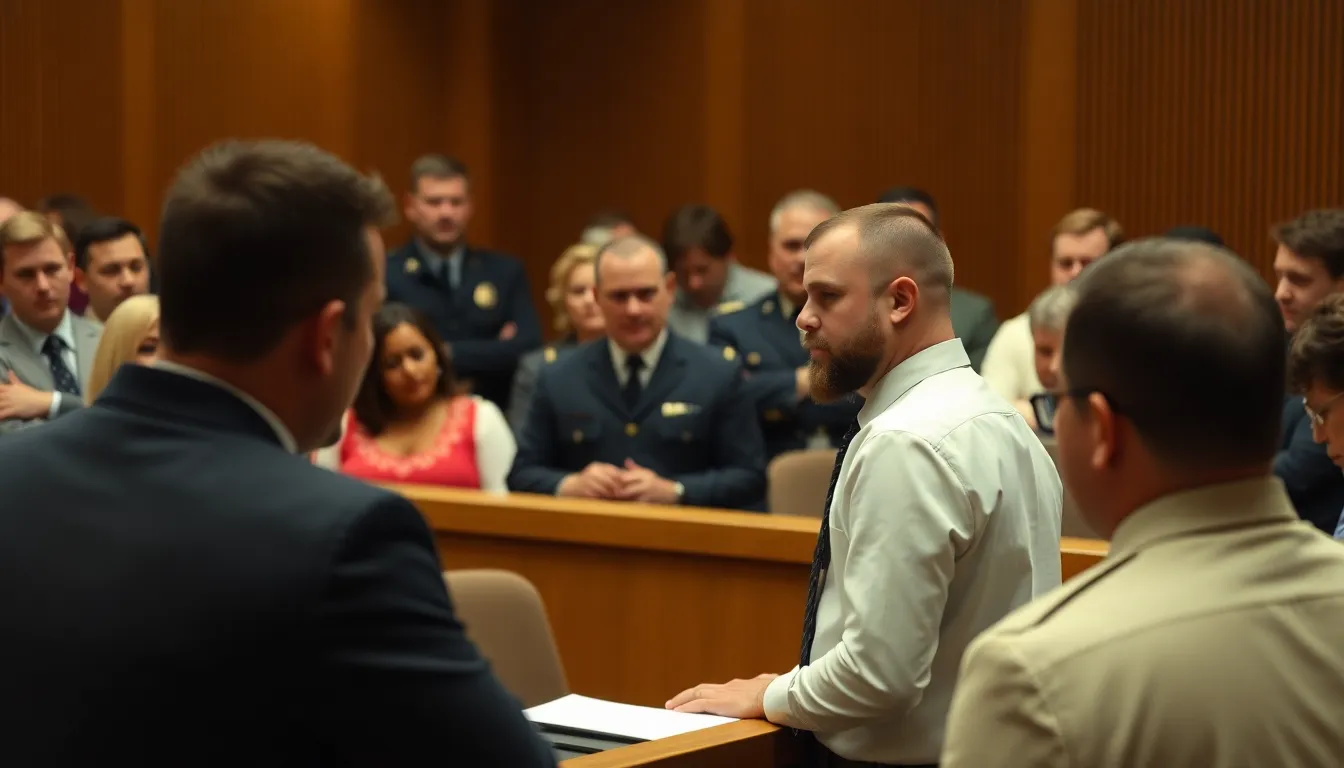
In the mid-term, businesses, especially those in the local economy, may face challenges as community sentiment shifts. Retailers and service providers might see a decrease in foot traffic if residents feel unsafe or distrustful of law enforcement. Additionally, the digital content creation industry may experience backlash, with advertisers and sponsors reconsidering partnerships with influencers who engage in or promote reckless behavior.
- Increased police scrutiny: Law enforcement may implement stricter measures to regain public trust.
- Community unrest: Potential for protests and public outcry against police practices.
- Impact on local businesses: Decreased consumer confidence and foot traffic in affected areas.
- Reevaluation of influencer partnerships: Brands may distance themselves from controversial figures.
While the risks are significant, this situation also presents opportunities for reform and dialogue. Law enforcement agencies could leverage this incident to engage with the community, fostering discussions on safety and accountability. Additionally, the digital content industry may take steps to promote positive behavior among creators, emphasizing responsible content creation that aligns with community values.
A: The YouTuber faced multiple charges, including assault on a police officer and making threats in a courtroom. These actions resulted in a significant prison sentence. A: The incident occurred when the YouTuber deliberately struck a police officer with a vehicle during a confrontation. This was followed by threats made during a court appearance. A: The public reaction has been largely negative, with many expressing concerns about the safety of law enforcement and the influence of social media personalities. A: Yes, this case may lead to increased scrutiny of YouTubers and their behavior, potentially influencing how they interact with law enforcement and the public. A: The long-term effects may include stricter regulations for social media influencers and a heightened awareness of the consequences of violent behavior.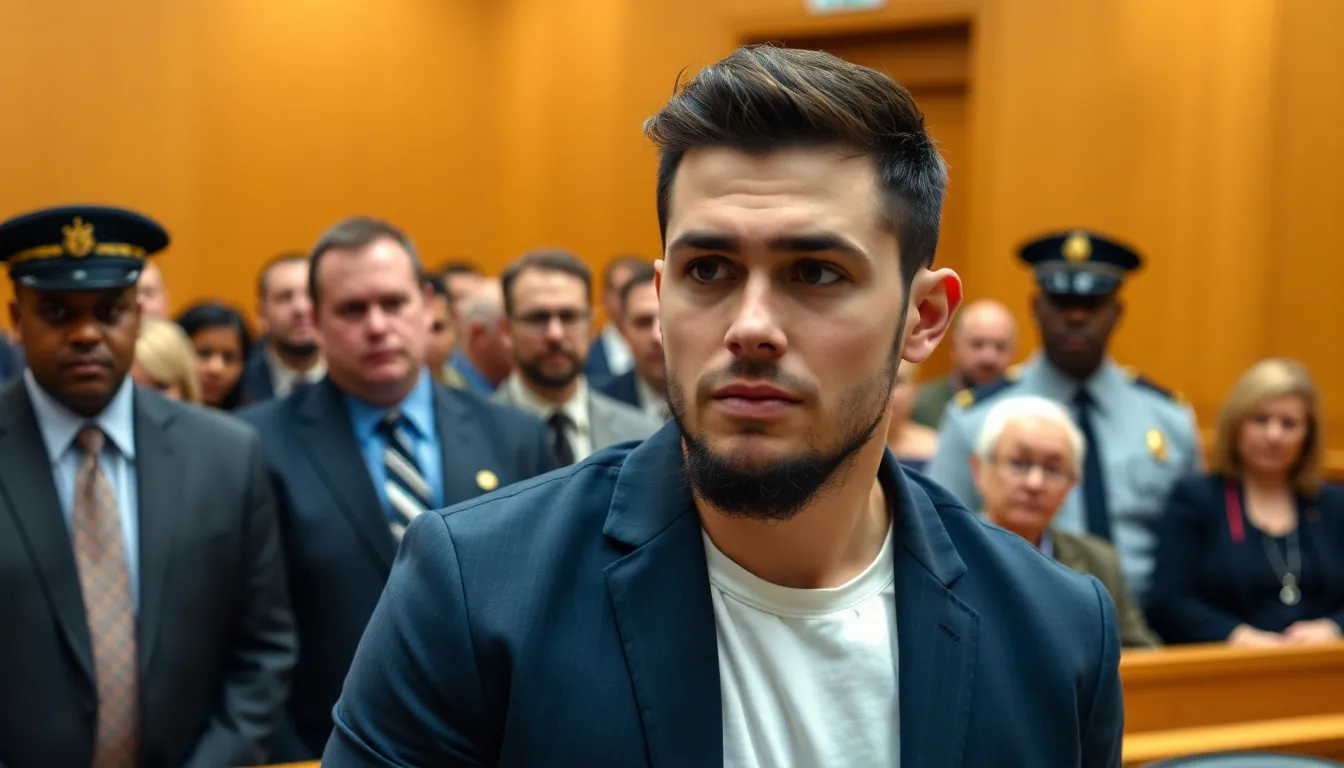
Frequently asked questions about the case
Key takeaways and future implications of the incident
The sentencing of the YouTuber who violently confronted law enforcement underscores the serious consequences of online behavior and the potential for real-world ramifications. This incident highlights the growing intersection between social media influence and legal accountability, raising questions about the responsibility of content creators in shaping public perception and behavior.
As society grapples with the implications of such actions, it is crucial to consider how platforms can enforce guidelines to prevent harmful behavior and the role of law enforcement in addressing threats made in digital spaces. The case serves as a stark reminder of the need for greater awareness and proactive measures to mitigate risks associated with online fame.
- Content creators must recognize the impact of their actions and words, understanding that online personas can influence real-world behavior.
- There may be increased scrutiny on social media platforms to implement stricter guidelines and monitoring systems to prevent violent or threatening content.
- This incident could lead to more robust discussions around mental health resources for influencers, who may face pressures that contribute to erratic behavior.
- Law enforcement agencies may need to adapt their strategies for addressing threats made online, ensuring they are equipped to respond effectively to such incidents.
- The public’s perception of accountability in the digital age may shift, prompting a reevaluation of how society views the actions of those with significant online followings.