


The pieces, believed to date back to the early 18th century, were identified through a combination of stylistic analysis and historical context. Experts have noted that the compositions reflect Bach’s innovative approach to harmony and counterpoint, characteristics that have defined his legacy in classical music. For more insights on influential artists, check out our article on the influence of cruel tales on Paula Rego’s art.
This discovery not only adds to the existing repertoire attributed to Bach but also raises questions about the completeness of his catalog. As musicologists continue to investigate the authenticity of these works, the implications for Bach’s oeuvre and his influence on subsequent composers are significant.
The excitement surrounding these pieces highlights the ongoing interest in Bach’s music and the importance of historical research in uncovering lost works. The music community eagerly anticipates further developments, as performances and recordings of these newly attributed pieces could soon become part of concert programs worldwide.
Understanding the historical significance of Bach’s works and their impact on classical music
Johann Sebastian Bach, a towering figure of the Baroque period, has long been celebrated for his profound influence on the development of Western classical music. Born in 1685 in Germany, Bach’s compositions, including his cantatas, concertos, and keyboard works, have shaped the musical landscape for centuries. His ability to weave intricate counterpoint and rich harmonies laid the groundwork for future composers, making his works a staple in the repertoires of musicians around the world. To explore the impact of other creative influences, see our piece on new characters in Resident Evil Survival Unit.
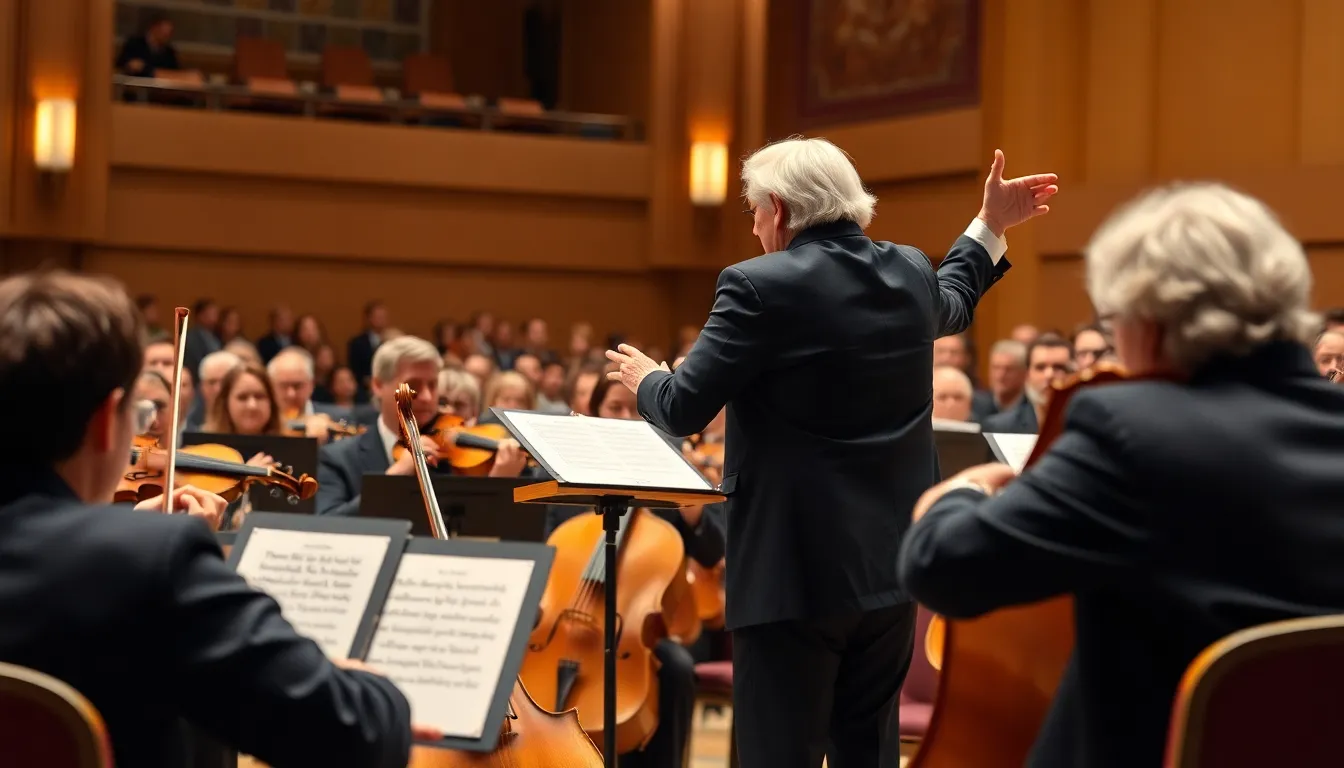
The recent discovery of two new pieces attributed to Bach has sparked excitement among musicologists and enthusiasts alike. These pieces, which have been hidden in archives or misattributed for years, highlight the ongoing efforts to uncover and authenticate Bach’s vast body of work. The process of researching and verifying these compositions is a testament to the enduring interest in Bach’s music and its relevance in contemporary classical discussions.
Throughout the 18th century, Bach faced various challenges, including the shifting tastes of the musical elite and the evolving nature of patronage. Despite these obstacles, his dedication to his craft allowed him to produce a significant amount of music that would later be revered. The revival of interest in Bach’s compositions in the 19th century, led by figures such as Felix Mendelssohn, further solidified his status as a master composer and opened the door for future generations to explore his works.
The Role of Musicology in Rediscovering Bach
In recent decades, the field of musicology has played a crucial role in reexamining Bach’s contributions and uncovering lost or forgotten works. Scholars employ various methods, including archival research and comparative analysis, to authenticate pieces and understand their historical context. This scholarly pursuit not only enriches our understanding of Bach’s oeuvre but also enhances the appreciation of his music’s complexity and artistry.
Key stakeholders and the debate surrounding the authenticity of the new pieces
The recent discovery of two new pieces attributed to Johann Sebastian Bach has sparked considerable interest and debate among various stakeholders. These include musicologists, historians, performers, and institutions dedicated to classical music. Each group has its own perspective on the implications of these findings, particularly concerning authenticity and historical context. For more on how current events shape public interest, check our article on Brighton’s late equaliser against West Ham.
Musicologists and scholars are at the forefront of this discussion, as their primary interest lies in the verification of the pieces’ authenticity. They are tasked with analyzing the manuscripts, comparing them to existing works, and determining if these pieces genuinely belong to Bach. This process involves meticulous research and often contentious debates over stylistic elements and historical accuracy.
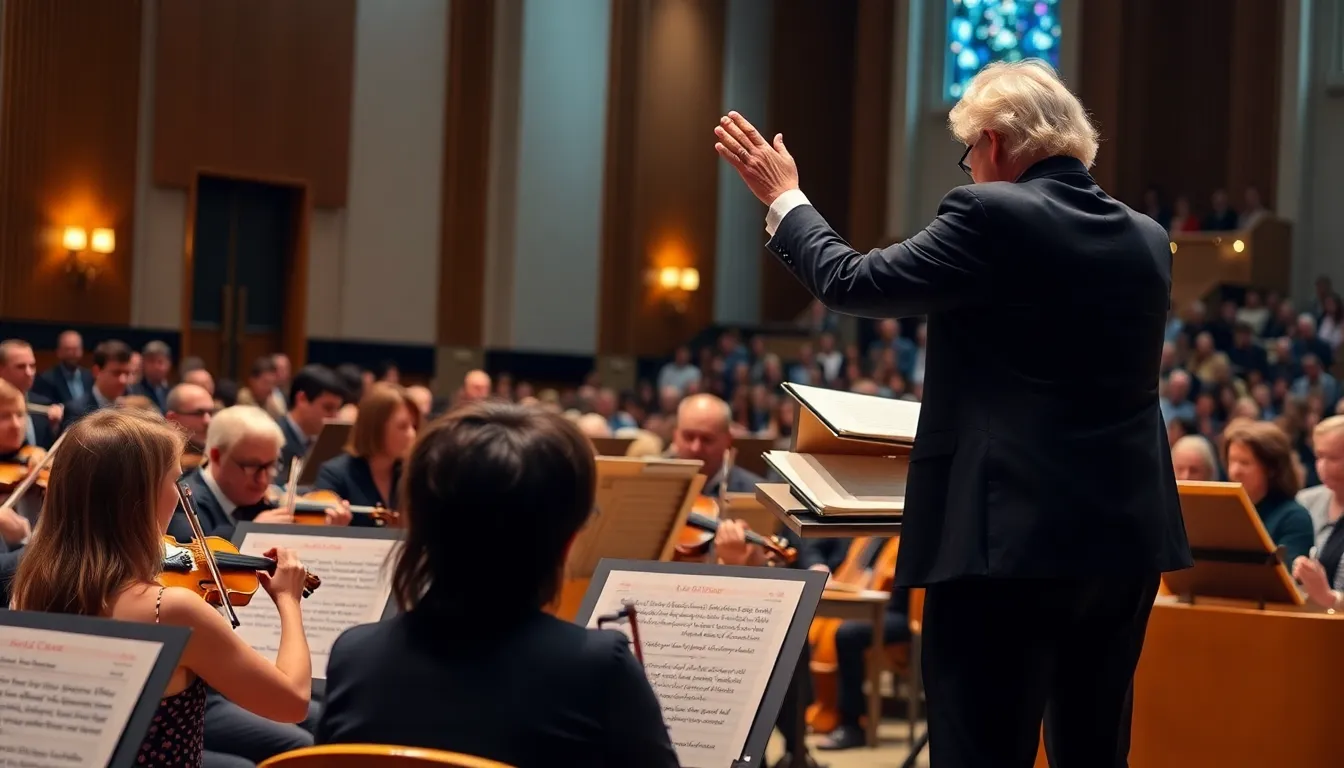
Performers and conductors represent another key stakeholder group, as the introduction of new works can significantly impact their repertoire. Their interest is not only in the authenticity of the pieces but also in how these works can be integrated into contemporary performances. This raises questions about the balance between preserving historical integrity and adapting to modern interpretations.
- Conflicts over authenticity: Disagreements among experts regarding the pieces’ origins can lead to divisions within the scholarly community.
- Economic implications: If deemed authentic, these works could generate significant revenue through performances, recordings, and publications.
- Legal considerations: The ownership and copyright of the discovered pieces may come into play, raising questions about intellectual property rights.
- Public interest: The potential for increased audience engagement with Bach’s music could benefit institutions and performers alike.
In addition to these stakeholders, institutions such as conservatories, museums, and music festivals are also invested in the outcome of this debate. Their interests often align with the promotion of classical music and the preservation of its history. However, they may face challenges in navigating the complexities of authenticity while striving to attract audiences and funding.
The potential effects on musicians, scholars, and the classical music market
The recent discovery and review of two new pieces attributed to Bach has the potential to significantly impact various stakeholders in the classical music world. Musicians, music scholars, and the classical music market as a whole stand to be affected in both immediate and longer-term ways.
For musicians, particularly those specializing in Baroque music, the introduction of new works can create opportunities for performance and interpretation. This could lead to an increased demand for concerts featuring these pieces, thereby boosting income for performers. Additionally, it may inspire musicians to explore and expand their repertoire, leading to a richer musical landscape.
Scholars and researchers in musicology will also feel the impact. The discovery prompts a re-evaluation of Bach’s oeuvre, potentially altering existing academic discourse and leading to new research opportunities. This could result in a surge of interest in Bach studies, fostering collaboration among scholars and institutions.
- Short-term impacts: Increased concert opportunities and heightened interest in Bach’s music.
- Mid-term impacts: Potential growth in academic publications and collaborations.
- Risks: Controversies regarding authenticity and attribution may arise, leading to debates within the community.
- Opportunities: New educational programs and workshops focusing on the newly discovered works could emerge.
Moreover, the classical music market may experience fluctuations as audiences react to the novelty of these pieces. Record labels and concert promoters might seize the moment to market albums and performances, which could lead to a revitalization of interest in classical music overall. However, there is a risk that the rush to capitalize on the discovery could overshadow the quality and authenticity of performances.
In summary, while the excitement surrounding the new Bach pieces presents numerous opportunities for growth and engagement within the classical music community, it also introduces challenges that will need to be navigated carefully. The balance between commercialization and artistic integrity will be crucial for sustaining long-term interest and appreciation for Bach’s music.
A: The two new pieces are recently uncovered manuscripts that some experts believe to be composed by Johann Sebastian Bach. Their authenticity is still under review. A: The discovery is significant because it could provide new insights into Bach’s compositional style and influence on classical music. It also generates excitement among musicians and historians. A: Experts are using a combination of musicological analysis, historical context, and stylistic comparison to assess the authenticity of the pieces attributed to Bach. A: If authenticated, these pieces could be included in concert repertoires, offering musicians new works to perform and audiences fresh experiences of Bach’s music. A: Currently, there are no official recordings available, but as the pieces gain recognition, it is likely that musicians will begin to perform and record them.
Frequently asked questions about the new Bach pieces
Key takeaways and future implications of the discovery
The recent unveiling of two new pieces attributed to Bach has sparked significant interest within the musicology community. While the authenticity of these works remains a topic of debate, the excitement surrounding their discovery highlights the ongoing relevance of Bach’s music and the continuous exploration of his oeuvre. This situation serves as a reminder of the complexities involved in music attribution and the evolving nature of historical scholarship.
As scholars and musicians delve deeper into the implications of these findings, several key areas warrant attention. The pursuit of authenticity in classical music continues to challenge performers and researchers alike, while the potential for new discoveries encourages a re-examination of existing works. The dialogue surrounding these pieces may also inspire contemporary interpretations, inviting a fresh perspective on Bach’s legacy.
- The importance of rigorous musicological research in establishing the authenticity of newly discovered works.
- Potential for increased interest in Bach’s lesser-known compositions as scholars seek to contextualize these new pieces.
- Impact on performance practices as musicians explore innovative interpretations of both known and newly attributed works.
- The role of technology in uncovering historical manuscripts and facilitating collaborative research efforts.
- Encouragement for audiences to engage with classical music in new ways, fostering a deeper appreciation for its historical context and evolution.