


As of October 2023, several wind farm proposals are under review, with public consultations scheduled for later this month. The campaign group is mobilizing community members to voice their concerns during these consultations, emphasizing the need for a thorough assessment of the projects’ long-term effects on local ecosystems and wildlife. For more on community activism in response to energy projects, check out this article on citizen activism.
Key figures in the group include local leaders and environmental scientists who argue that the current plans lack adequate transparency and consideration of community input. They have organized meetings and outreach efforts to educate residents about the implications of wind farm installations, which they claim could disrupt natural habitats and alter the landscape significantly.
The formation of this group highlights a growing tension between renewable energy initiatives and community interests. As the deadline for public feedback approaches, the outcome of this advocacy effort could influence future energy policies and the development of sustainable practices in the region.
Background on Wind Energy Initiatives and Local Opposition
Wind energy has emerged as a significant component of the global shift towards renewable energy sources, driven by the need to combat climate change and reduce reliance on fossil fuels. In many countries, including the United States and parts of Europe, government policies have encouraged the development of wind farms through subsidies and incentives. However, this push for renewable energy has not been without its challenges, as local communities often express concerns about the impact of wind farms on their environment and quality of life.
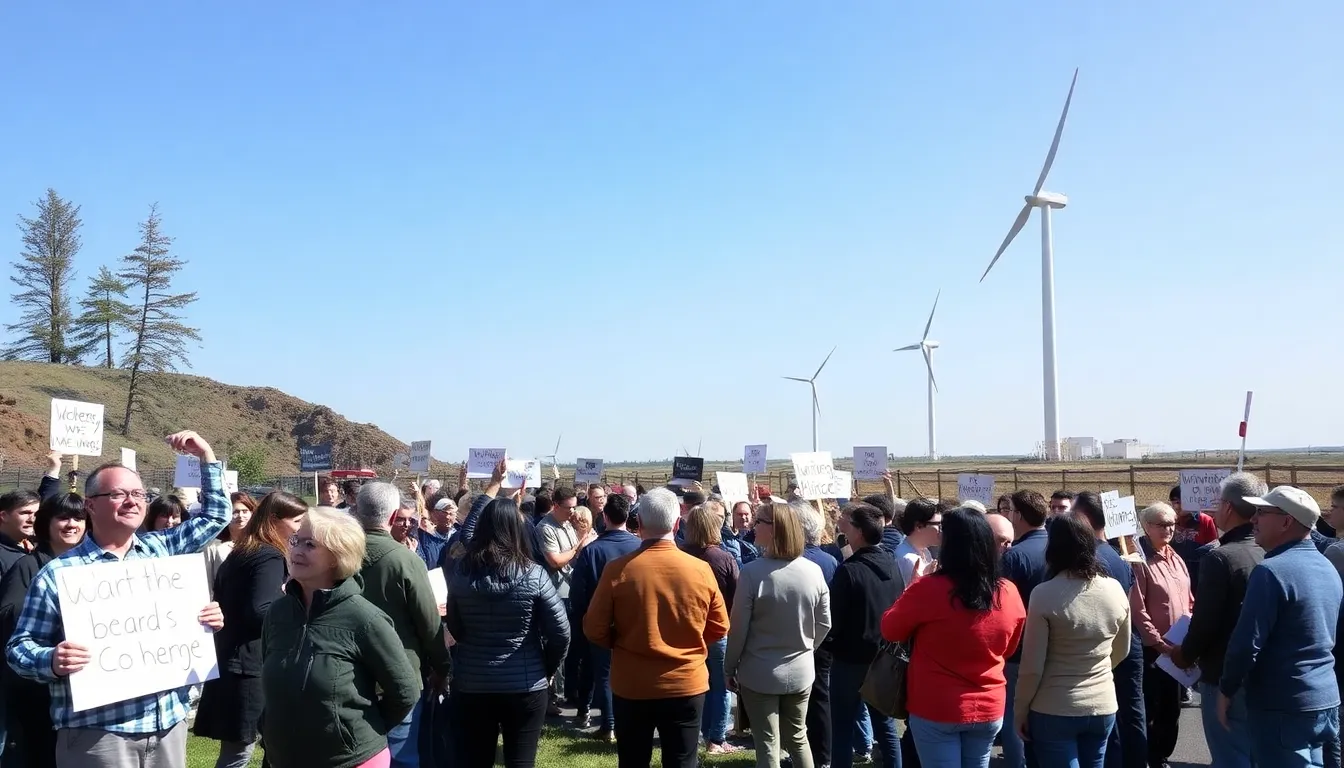
The historical context of wind energy initiatives dates back to the late 20th century when environmental awareness began to rise. As countries sought to meet international climate agreements, investments in wind energy increased significantly. In the early 2000s, many nations set ambitious targets for renewable energy production, leading to a boom in wind farm construction. However, as these projects proliferated, so too did the voices of opposition from local residents who worried about noise, visual impacts, and potential harm to wildlife. For a look at a different perspective on community challenges, see this article featuring Potapova’s switch.
Key Milestones in Wind Energy Development
One pivotal moment in the development of wind energy was the passing of the Energy Policy Act of 2005 in the United States, which provided tax incentives for renewable energy projects. This legislation spurred a rapid increase in the number of wind farms across the country. However, as these projects expanded into rural areas, local opposition began to organize, often citing concerns over land use and community disruption. In many cases, these grassroots movements have led to the formation of campaign groups dedicated to opposing specific wind farm proposals.
In recent years, the conflict between wind energy initiatives and local opposition has intensified, with various high-profile cases drawing public attention. For instance, in 2020, a proposed wind farm in a scenic area faced significant backlash, leading to public hearings and legal challenges. These cases have highlighted the need for a more balanced approach to energy development that considers both the urgency of transitioning to renewable sources and the rights and concerns of local communities.
The formation of new campaign groups to fight against wind farm plans reflects a growing trend of citizen activism in the face of large-scale energy projects. These groups often argue for more transparent decision-making processes and greater community involvement in energy planning, emphasizing that while renewable energy is crucial for sustainability, it should not come at the expense of local interests and environmental integrity. This trend is similar to the journey of BigXthaPlug in becoming an influential figure, advocating for local concerns.
Key Stakeholders and Issues Surrounding the Wind Farm Debate
The recent formation of a campaign group opposing the proposed wind farm plans has brought various stakeholders into the spotlight. These stakeholders include local residents, environmental organizations, government agencies, and energy companies, each with distinct interests and concerns regarding the project.
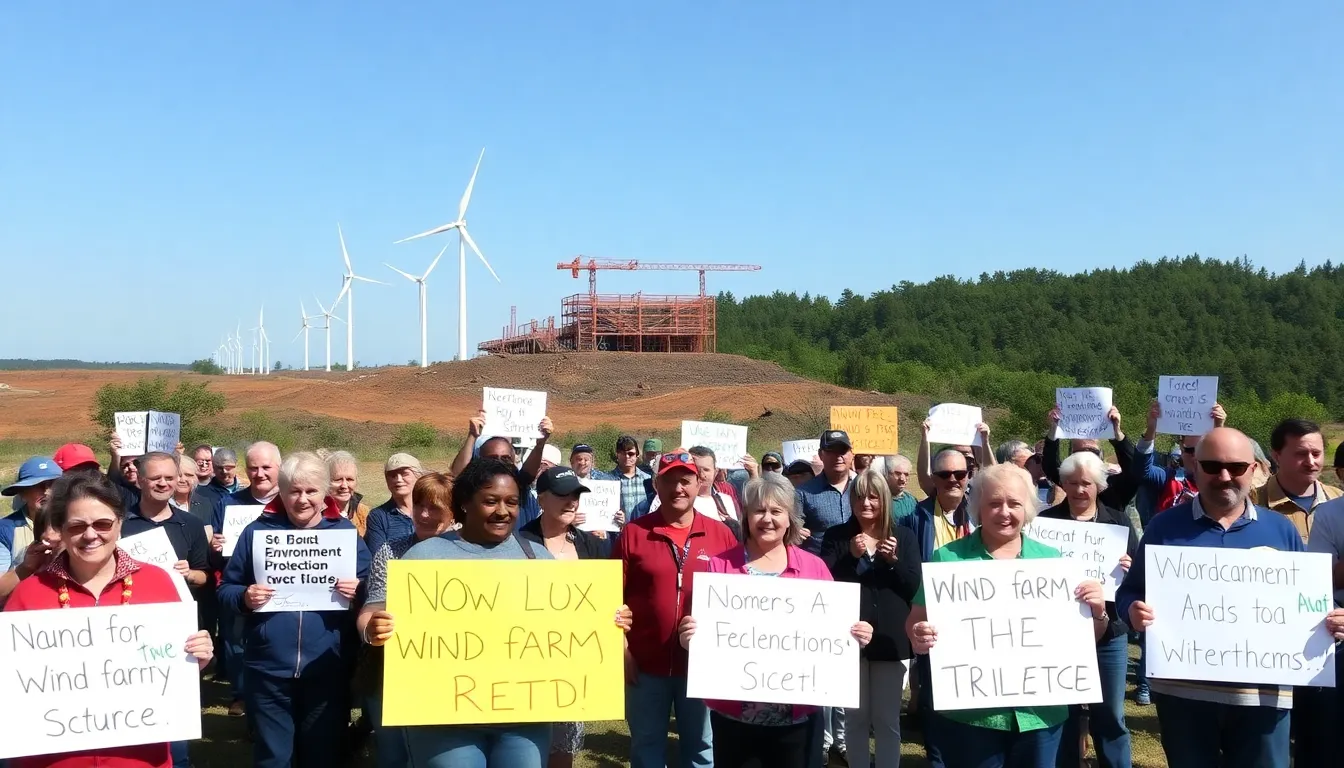
Local residents, often the most directly impacted, are concerned about potential disruptions to their communities, including noise pollution and changes to the landscape. Many fear that the wind farm could affect property values and the quality of life in their area. Conversely, proponents argue that the wind farm could bring economic benefits, such as job creation during the construction and operational phases.
Environmental organizations play a dual role in this debate. On one hand, they may support the wind farm as a renewable energy source that contributes to reducing carbon emissions. On the other hand, they may raise concerns about the impact on local wildlife and ecosystems, particularly if the site is home to endangered species or important habitats.
Government agencies are also key players in this discussion. They are tasked with balancing the need for sustainable energy development with the interests of the local community and environmental protection. Legal frameworks and regulations will determine how the project moves forward, including requirements for public consultations and environmental assessments.
In summary, the key issues at stake include:
- Local community concerns about noise and property values.
- Environmental impacts on wildlife and ecosystems.
- Economic benefits versus potential disruptions.
- Regulatory and legal challenges in the approval process.
- Long-term sustainability goals versus immediate community needs.
Potential Effects on Local Communities and the Environment
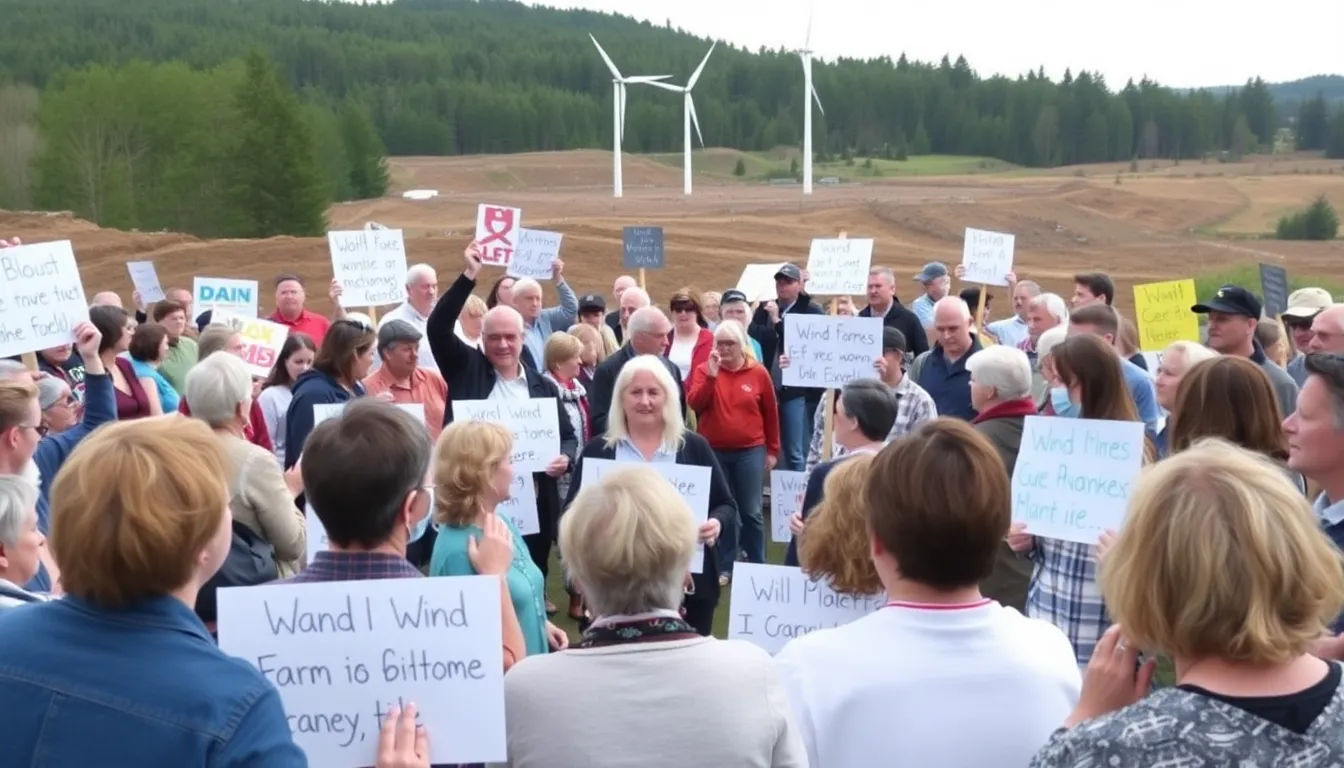
The formation of a campaign group to oppose wind farm developments is likely to affect various stakeholders, including local residents, environmentalists, and energy companies. Communities situated near proposed wind farm sites may experience heightened tensions as differing opinions emerge regarding the benefits and drawbacks of such projects. This conflict can lead to community divisions, impacting social cohesion.
In the short term, residents may face disruptions during the planning and construction phases of wind farms. Increased traffic from construction vehicles, noise pollution, and changes to local landscapes can alter daily life for those living nearby. Additionally, local businesses that rely on tourism may see a decline in visitors who are deterred by the presence of wind farms.
Mid-term impacts could include shifts in local economies. While some businesses may suffer, others could benefit from increased demand for services related to renewable energy, such as maintenance and support for wind farm operations. Moreover, the campaign group’s efforts might influence local policy decisions, potentially leading to stricter regulations on wind farm placements or alternative energy solutions.
- Risks: Community division, decreased property values, and potential loss of tourism.
- Opportunities: Job creation in renewable energy sectors and increased awareness of sustainable practices.
Overall, the implications of opposing wind farm plans extend beyond immediate concerns, potentially shaping the future of energy policy and community dynamics in the region. As the campaign group gains traction, it will be crucial to monitor how these various impacts unfold over time.
A: The main goal of the campaign group is to oppose the proposed wind farm projects and advocate for alternative energy solutions that consider local community needs. A: The campaign group consists of local residents, environmental activists, and community leaders who are concerned about the impact of wind farms. A: Residents are worried about noise pollution, potential harm to wildlife, and the visual impact of wind turbines on the landscape. A: The public can get involved by attending meetings, signing petitions, and participating in local awareness events organized by the campaign group. A: The campaign group plans to engage in public outreach, collaborate with environmental experts, and possibly challenge the wind farm proposals legally.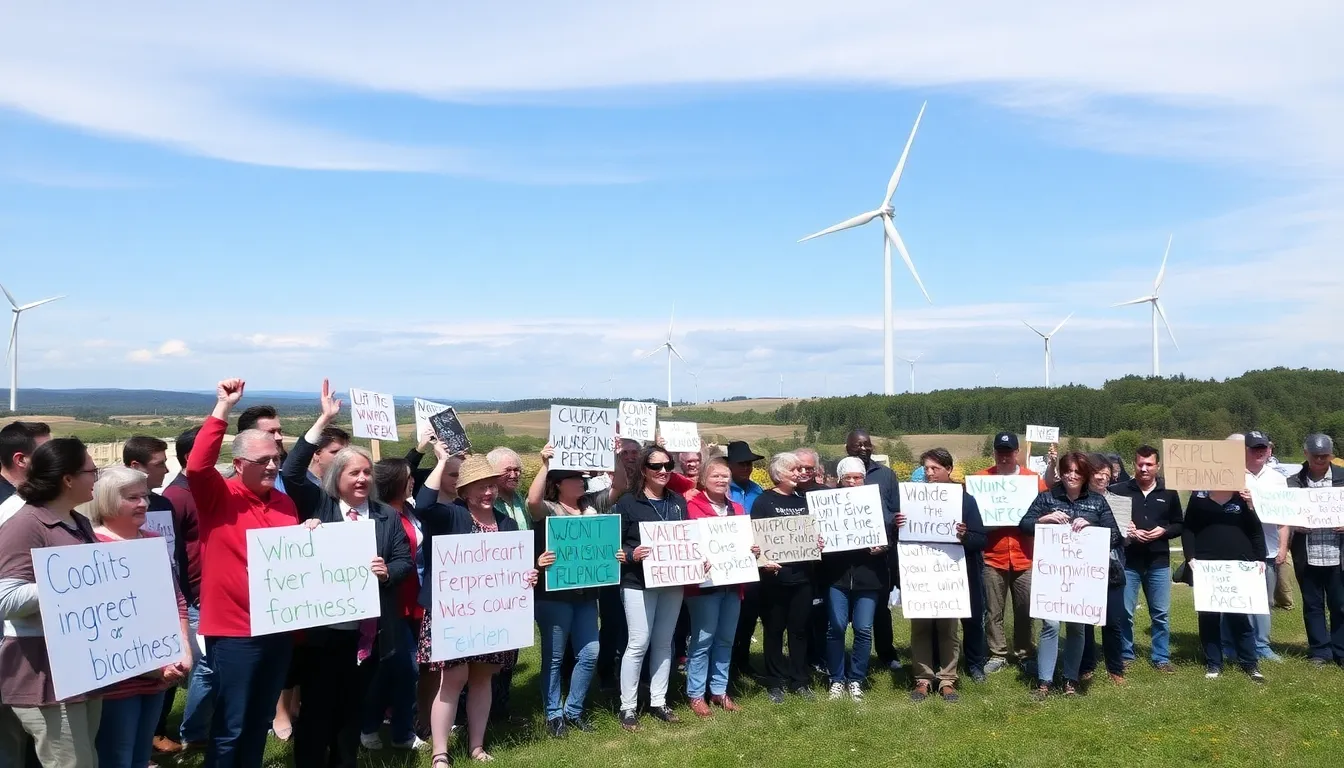
Frequently Asked Questions About the Campaign Group
Key Takeaways and Future Outlook on Wind Farm Proposals
The emergence of a campaign group opposing wind farm developments highlights the growing tension between renewable energy initiatives and local community interests. As the dialogue around sustainable energy continues, it is essential to consider the concerns raised by residents, which may influence future energy policies and project implementations.
Moving forward, stakeholders must navigate these challenges carefully, balancing environmental goals with community engagement and transparency. The response from local authorities and developers will be crucial in shaping the future of wind energy projects in the region.
- Community Engagement: Increased efforts to involve local communities in the planning process may be necessary to address concerns and foster support for renewable energy projects.
- Regulatory Implications: The formation of opposition groups could lead to stricter regulations and oversight for future wind farm proposals, impacting timelines and costs.
- Public Sentiment: Monitoring shifts in public opinion will be vital, as community sentiment can significantly influence political and financial backing for renewable energy initiatives.
- Alternative Solutions: Exploring alternative energy solutions that align better with local interests may become a priority, potentially leading to more diverse energy portfolios.