



One significant development occurred in 2023 when a team of scientists published findings that reveal how specific brain regions are activated in response to internal bodily signals. This research highlights the intricate connections between the brain and the body’s internal states, suggesting that our sense of self is closely tied to how we perceive these signals. Understanding these mechanisms could have profound implications for treating disorders such as anxiety and depression, which is further explored in our article on Understanding How the Brain Maps Internal Body Signals.
Moreover, the integration of artificial intelligence in analyzing neural data is revolutionizing the field. By employing machine learning algorithms, researchers can now decode complex patterns of brain activity associated with internal bodily sensations. This innovative approach is paving the way for new therapeutic techniques aimed at enhancing mental health and well-being, similar to the advancements discussed in our article about Understanding Agentic A.I. and Its Role in Flight Booking.
The ongoing research also raises important ethical questions about the potential applications of this knowledge. As scientists gain a clearer picture of the brain’s internal mapping, discussions surrounding privacy, consent, and the manipulation of bodily perceptions become increasingly relevant. Addressing these issues will be vital as the field continues to evolve and expand.

Historical Context of Brain Mapping Research
The quest to understand the human brain has a rich history that dates back centuries. Early philosophers and anatomists, such as Hippocrates and Galen, laid the groundwork for understanding the brain’s role in sensation and perception. However, it wasn’t until the 19th century that systematic studies began to unravel the complexities of brain function, particularly in relation to the body’s internal states.
In the late 1800s, scientists like Paul Broca and Carl Wernicke made significant strides in identifying areas of the brain responsible for language and cognition. Their work established a framework for associating specific brain regions with particular functions, paving the way for future exploration into how the brain maps bodily sensations. This period also saw the advent of neuroanatomy, where researchers began to use advanced techniques to visualize brain structures, leading to a deeper understanding of the neural connections that inform our sense of bodily awareness.
Technological Advancements in Neuroimaging
The late 20th century brought about a revolution in brain mapping with the development of neuroimaging technologies such as MRI and PET scans. These tools allowed scientists to observe brain activity in real-time and correlate it with bodily sensations and responses. This era marked a significant milestone in understanding how the brain processes internal signals, leading to insights into conditions like phantom limb syndrome and interoception, the sense of the internal state of the body.
As research progressed into the 21st century, interdisciplinary approaches began to emerge, combining neuroscience, psychology, and even philosophy. This shift highlighted the social implications of brain mapping research, particularly in understanding mental health and the biological basis of emotions, which echoes findings in our article about Slight improvement in water quality at bathing sites.
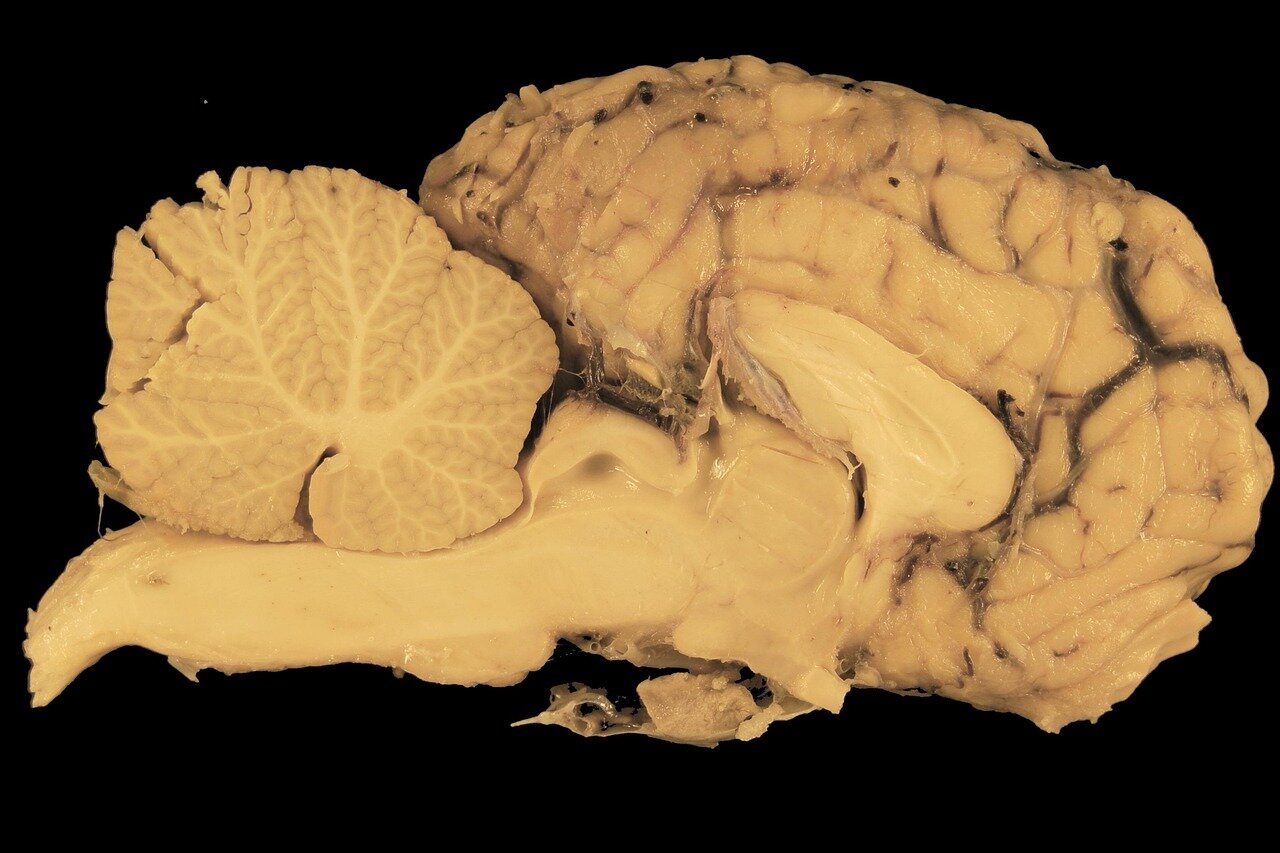
Today, the field continues to evolve, with ongoing studies exploring the neural mechanisms behind self-awareness and emotional regulation. As researchers delve deeper into the brain’s mapping of internal bodily sensations, they are not only uncovering fundamental aspects of human biology but also addressing broader societal questions about health, identity, and the human experience.
Key Stakeholders in Brain Mapping Studies
The exploration of how the brain interprets bodily sensations involves a diverse array of stakeholders, each with unique interests and perspectives. Researchers in neuroscience and psychology are at the forefront, aiming to deepen our understanding of the brain’s complex functions. Their interests typically revolve around advancing scientific knowledge and developing innovative therapeutic approaches for conditions related to sensory processing.
In addition to academic researchers, various healthcare organizations and institutions play a crucial role in this field. Hospitals and clinics are interested in applying findings from brain mapping studies to improve patient care and treatment outcomes. These organizations may collaborate with researchers to translate scientific discoveries into practical applications, such as new diagnostic tools or therapies for patients experiencing sensory disorders.
Government agencies also have a vested interest in brain mapping research, particularly in terms of public health and funding. National health organizations and research councils often allocate resources to support studies that promise to enhance our understanding of the brain-body connection. However, this funding can lead to conflicts over priorities, as different stakeholders may advocate for various areas of research based on their specific interests.
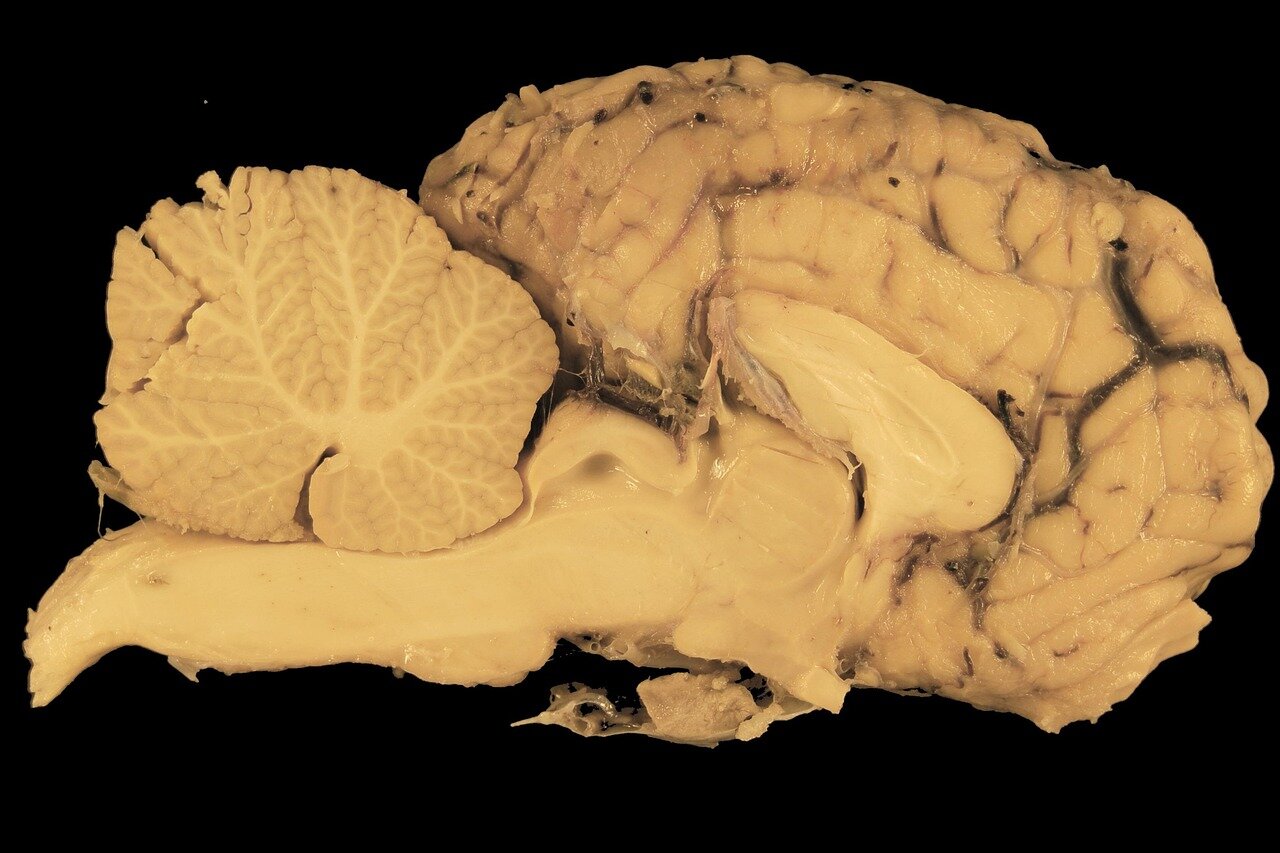
- Economic Interests: Commercial entities, such as pharmaceutical companies, may seek to capitalize on discoveries related to the brain’s sensory functions, leading to potential conflicts over intellectual property and profit-sharing.
- Ethical Considerations: As research advances, ethical dilemmas may arise regarding the manipulation of brain functions and the implications for personal autonomy.
- Public Perception: The general public’s understanding and acceptance of brain mapping technologies can influence funding and research directions, highlighting the need for effective communication strategies.
- Interdisciplinary Collaboration: Successful brain mapping studies often require collaboration across disciplines, which can lead to tensions between different scientific approaches and methodologies.
Understanding these dynamics is essential for grasping the broader implications of brain mapping research. The interplay between these stakeholders shapes the direction of studies and ultimately impacts how advancements in neuroscience are integrated into society.
Impact on Healthcare and Neurology
The research into mapping the brain’s sense of internal bodily states has significant implications for various groups, particularly in the healthcare and neurology sectors. Medical professionals, researchers, and patients stand to benefit as advancements in understanding the brain’s internal mapping can lead to improved diagnostic tools and treatment options for conditions like anxiety, depression, and chronic pain.
In the short term, healthcare providers may see an increase in demand for neurological assessments as awareness of the brain-body connection grows. This could lead to a surge in business for clinics specializing in neurology and mental health. Additionally, pharmaceutical companies may begin to focus on developing new medications that target the brain’s internal mapping systems, creating opportunities for innovation in the industry.
Mid-term impacts could include changes in policy as governments and health organizations recognize the importance of integrating mental and physical health care. This may lead to increased funding for research and the implementation of new treatment protocols that consider the brain’s role in bodily awareness. Furthermore, educational institutions may adapt their curricula to include more interdisciplinary approaches to healthcare.

- Increased demand for neurological services
- Opportunities for pharmaceutical innovation
- Potential policy shifts towards integrated health care
- Enhanced educational programs in healthcare
However, there are also risks associated with this research. Misinterpretation of the findings could lead to over-medication or the development of ineffective treatments. Furthermore, privacy concerns may arise as data collection on brain activity becomes more prevalent, leading to ethical dilemmas regarding consent and data usage.
A: Brain mapping refers to the techniques used to study the structure and function of the brain, particularly how it processes information from the body. A: The brain uses a network of neurons to interpret signals from various organs, helping it understand the body’s internal state. A: Understanding how the brain maps internal signals can lead to advancements in treating neurological disorders and improving overall health. A: Patients with chronic illnesses, neurologists, and researchers all stand to gain insights that can enhance diagnosis and treatment. A: While brain mapping is generally safe, some techniques may involve risks, particularly invasive procedures, which are carefully managed by professionals.
Frequently Asked Questions about Brain Mapping
Future Directions in Understanding Brain-Body Communication
The intricate relationship between the brain and the body continues to unveil new dimensions of human experience, particularly in understanding how we perceive internal bodily states. Recent advancements in neuroscience highlight the significance of interoceptionthe brain’s ability to sense what is happening inside the body. This growing field of study not only enhances our comprehension of emotional and physical health but also opens avenues for innovative therapeutic approaches.
As researchers delve deeper into the mechanisms of brain-body communication, several implications emerge that could reshape our understanding of health and well-being. By exploring the neural pathways involved in interoception, we can better address conditions such as anxiety, depression, and chronic pain, ultimately leading to more personalized and effective treatment strategies.
- Monitoring interoceptive signals may lead to improved mental health interventions, allowing for targeted therapies based on individual bodily awareness.
- Understanding the brain’s processing of internal signals could enhance our approach to managing chronic illnesses, offering new insights into pain management and overall health.
- Future research may reveal the potential for training individuals to enhance their interoceptive awareness, promoting greater emotional regulation and resilience.
- Exploring the connections between interoception and social behavior could illuminate the role of bodily awareness in interpersonal relationships and empathy.