


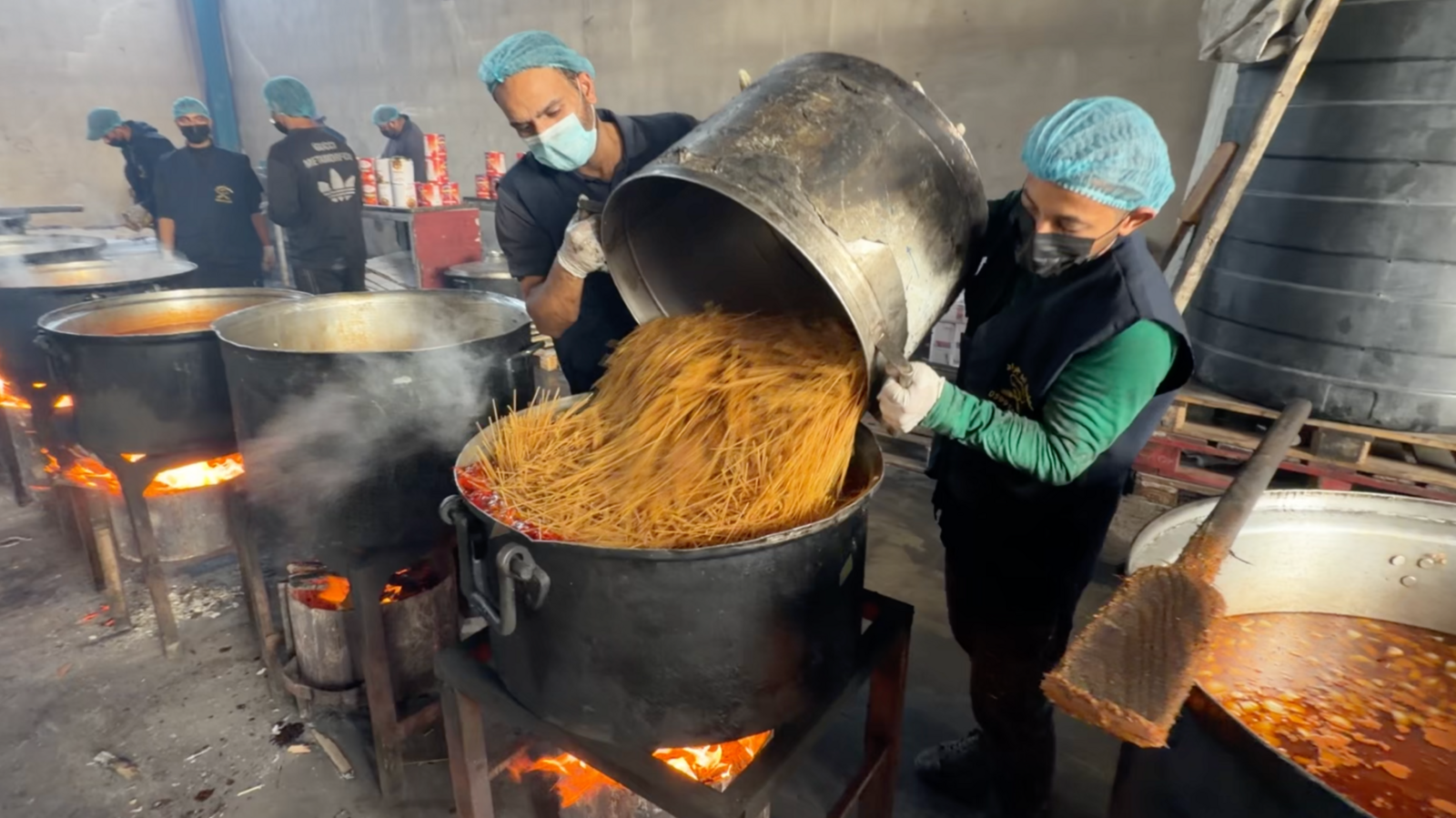
Many kitchens, which serve thousands of families daily, are missing basic ingredients such as flour, cooking oil, and canned goods. The United Nations has highlighted that the humanitarian situation remains dire, with over 2 million people in need of urgent assistance. Local volunteers are working tirelessly, but the lack of resources is hindering their efforts to provide adequate meals. For a deeper understanding of the broader economic context, see our article on working poor families.
In addition to food shortages, logistical challenges persist, as damaged infrastructure and restricted access to certain areas complicate delivery efforts. Aid agencies are calling for increased support and a more coordinated response to ensure that food kitchens can operate effectively and reach those most in need. The situation is exacerbated by ongoing economic instability, leaving many families unable to afford basic necessities.
The need for immediate action is critical, as winter approaches and food insecurity threatens to escalate. As the international community continues to monitor the ceasefire, the focus must shift to ensuring that essential supplies reach those who rely on these food kitchens for their survival.

Understanding the situation in Gaza and the impact of the ceasefire
The Gaza Strip has long been a focal point of conflict, shaped by decades of political tension, military confrontations, and humanitarian crises. The region has experienced a series of escalations, particularly in recent years, leading to significant disruptions in daily life and access to essential resources. The ongoing blockade imposed by Israel, coupled with internal governance challenges, has severely limited the flow of goods, including food and medical supplies, into Gaza.
Despite recent ceasefires aimed at reducing hostilities, the humanitarian situation remains dire. Food kitchens, which serve as crucial lifelines for many families, continue to face shortages of essential products. The ceasefire, while temporarily halting violence, has not addressed the underlying issues of supply chain disruptions and economic instability. The blockade remains in place, restricting imports and exacerbating food insecurity among the population, as discussed further in our article on Germany’s green hydrogen industry.
The Impact of Blockades on Food Security
Historically, the blockade of Gaza has led to a reliance on international aid and local food kitchens for sustenance. Key milestones, such as the 2014 conflict and subsequent escalations, have further strained resources. Many families depend on these kitchens not only for meals but also for community support. However, the persistent lack of essential items, like cooking oil, flour, and fresh produce, highlights the ongoing challenges faced by these initiatives. The combination of political strife and economic hardship has created a perfect storm, leaving many in Gaza struggling to meet their basic needs.
As the international community continues to advocate for peace and stability, the situation in Gaza serves as a stark reminder of the humanitarian implications of prolonged conflict. The need for comprehensive solutions that address both immediate relief and long-term sustainability is critical to improving the lives of those affected by the ongoing crisis. For related global issues, see our coverage on the Indonesia floods.
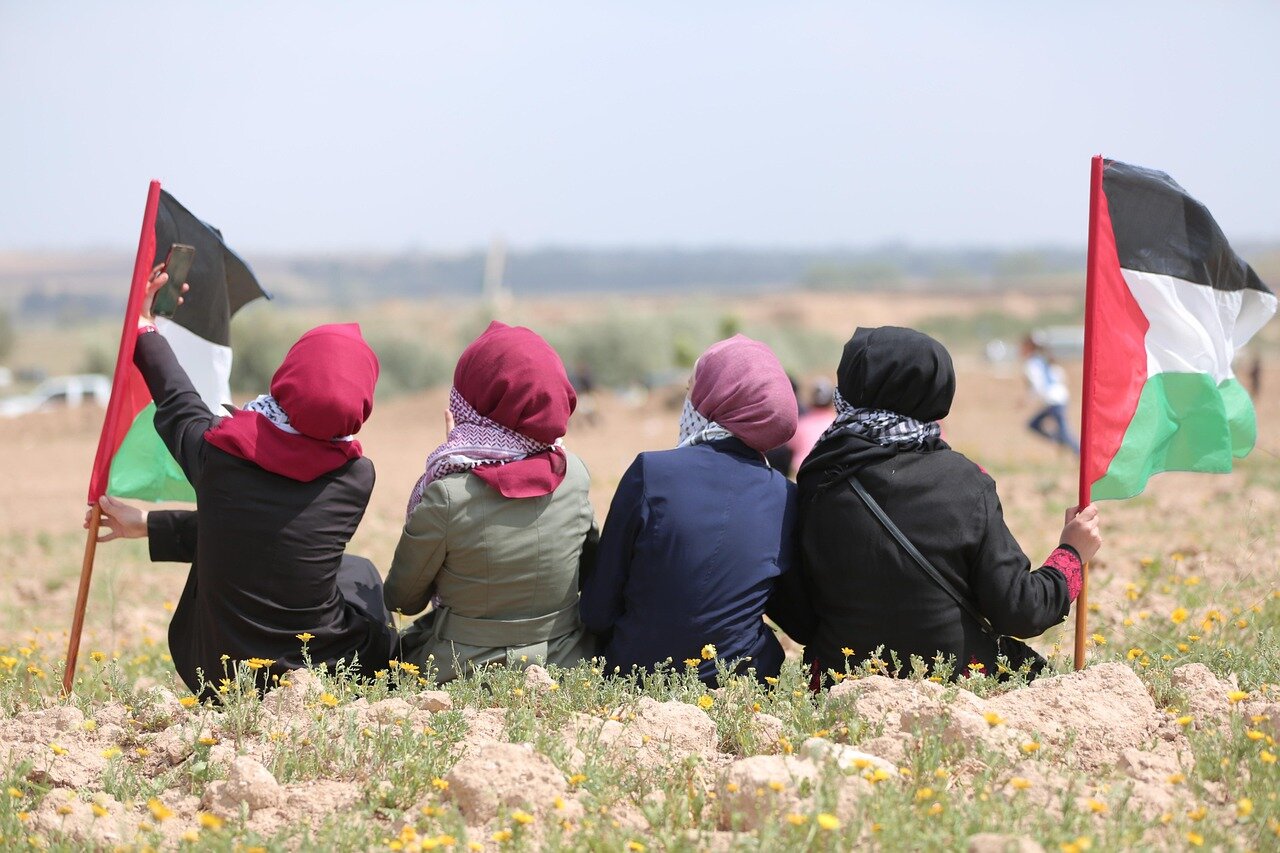
Key stakeholders and issues affecting food supply in Gaza
The ongoing humanitarian crisis in Gaza has drawn attention to the vital role of various stakeholders involved in food distribution and aid. Key actors include local NGOs, international organizations, the Palestinian Authority, and foreign governments, each with differing interests and influences on the ground. Understanding these dynamics is crucial for grasping the complexities of the food supply situation.
Local NGOs, such as the Palestinian Red Crescent Society, are primarily focused on providing immediate relief to affected populations. Their interests lie in ensuring that food kitchens can operate effectively, yet they face challenges related to resource allocation and access to essential products. International organizations like the United Nations Relief and Works Agency (UNRWA) also play a significant role, advocating for aid and support, but often encounter bureaucratic hurdles and funding shortages.
On a governmental level, the Palestinian Authority is tasked with overseeing food security initiatives but struggles with limited control over borders and supply chains. The interests of foreign governments, particularly those involved in peace negotiations or humanitarian aid, further complicate the landscape. These governments may impose conditions on aid that can conflict with the immediate needs of the population.
- Access to Resources: Ongoing blockades and restrictions hinder the import of essential food products, creating a dire situation in food kitchens.
- Funding Challenges: Many NGOs and organizations are facing funding shortages, limiting their capacity to provide necessary supplies.
- Political Influence: The political landscape influences aid distribution, with various factions vying for control and legitimacy.
- Legal Barriers: International laws and agreements impact the ability of organizations to operate freely in Gaza.
- Public Health Concerns: The lack of essential food items poses significant risks to public health, exacerbating existing vulnerabilities.
These interconnected issues highlight the complexity of food supply in Gaza, where the interests of various stakeholders often conflict, leading to trade-offs that affect the most vulnerable populations. The ceasefire has brought temporary relief, but the underlying challenges remain, necessitating a comprehensive approach to address both immediate and long-term needs.

The effects of food shortages on the population of Gaza
The ongoing food shortages in Gaza, despite the recent ceasefire, have left a significant portion of the population struggling to meet their basic nutritional needs. Families, particularly those with children and elderly members, are facing dire situations as essential food products remain scarce. The humanitarian crisis has escalated, affecting not only individual households but also the wider community and local businesses.
Various groups are impacted by these shortages, including low-income families, local food vendors, and health care providers. The lack of essential food items has led to increased malnutrition rates, particularly among vulnerable populations. Additionally, local markets are suffering as vendors struggle to stock their shelves, leading to a decline in sales and potential closures.
The short-term impacts are evident in daily life, where families are forced to rely on limited food supplies, leading to increased stress and health issues. In the mid-term, the ongoing food crisis could disrupt local economies, resulting in job losses and reduced purchasing power among residents. Furthermore, the lack of adequate nutrition can have long-lasting effects on the health and development of children.
- Increased malnutrition: Vulnerable groups, especially children, are at a higher risk.
- Local business decline: Food vendors may face closures due to lack of stock.
- Health care strain: Medical facilities may see a rise in nutrition-related health issues.
- Economic instability: Job losses and reduced consumer spending could follow.
While the situation presents numerous risks, there are also potential opportunities for local and international aid organizations to step in. By providing essential food supplies and support, they can help stabilize the community and foster resilience. Additionally, local farmers may find opportunities to innovate by diversifying crops or exploring alternative food sources to adapt to the ongoing crisis.

A: Many food kitchens are lacking staples such as rice, flour, and cooking oil, which are essential for meal preparation. This shortage is exacerbated by ongoing supply chain issues. A: While the ceasefire has allowed some humanitarian aid to flow, logistical challenges and damaged infrastructure continue to hinder effective distribution of food supplies. A: Various NGOs and local organizations are responsible for supplying food to kitchens, but they face significant challenges in sourcing and distributing the necessary products. A: Increased international support and streamlined aid processes are crucial for improving food access. Additionally, local initiatives to boost agricultural production could help alleviate shortages. A: Yes, several organizations are working on initiatives to provide emergency food assistance and restore local food production capabilities in Gaza.
Frequently asked questions about the food situation in Gaza
Looking ahead: the future of food supply in Gaza
Despite the recent ceasefire, the ongoing challenges faced by food kitchens in Gaza highlight the fragility of the region’s food supply chain. Essential products remain scarce, raising concerns about the long-term sustainability of food aid and the health of the population. As humanitarian efforts continue, it is crucial to address the underlying issues that hinder access to vital resources.
Future initiatives must focus on improving logistics, ensuring the availability of essential goods, and fostering local agricultural production. By prioritizing these areas, stakeholders can work towards a more resilient food system that meets the needs of the population effectively.
- Monitor the distribution channels for food aid to identify bottlenecks and improve efficiency.
- Encourage partnerships with local farmers to boost agricultural output and reduce dependency on external supplies.
- Advocate for international support to facilitate the importation of essential food products.
- Assess the nutritional needs of the population to ensure that food kitchens provide balanced meals.
- Engage community leaders in planning and implementing food security strategies to enhance local resilience.