


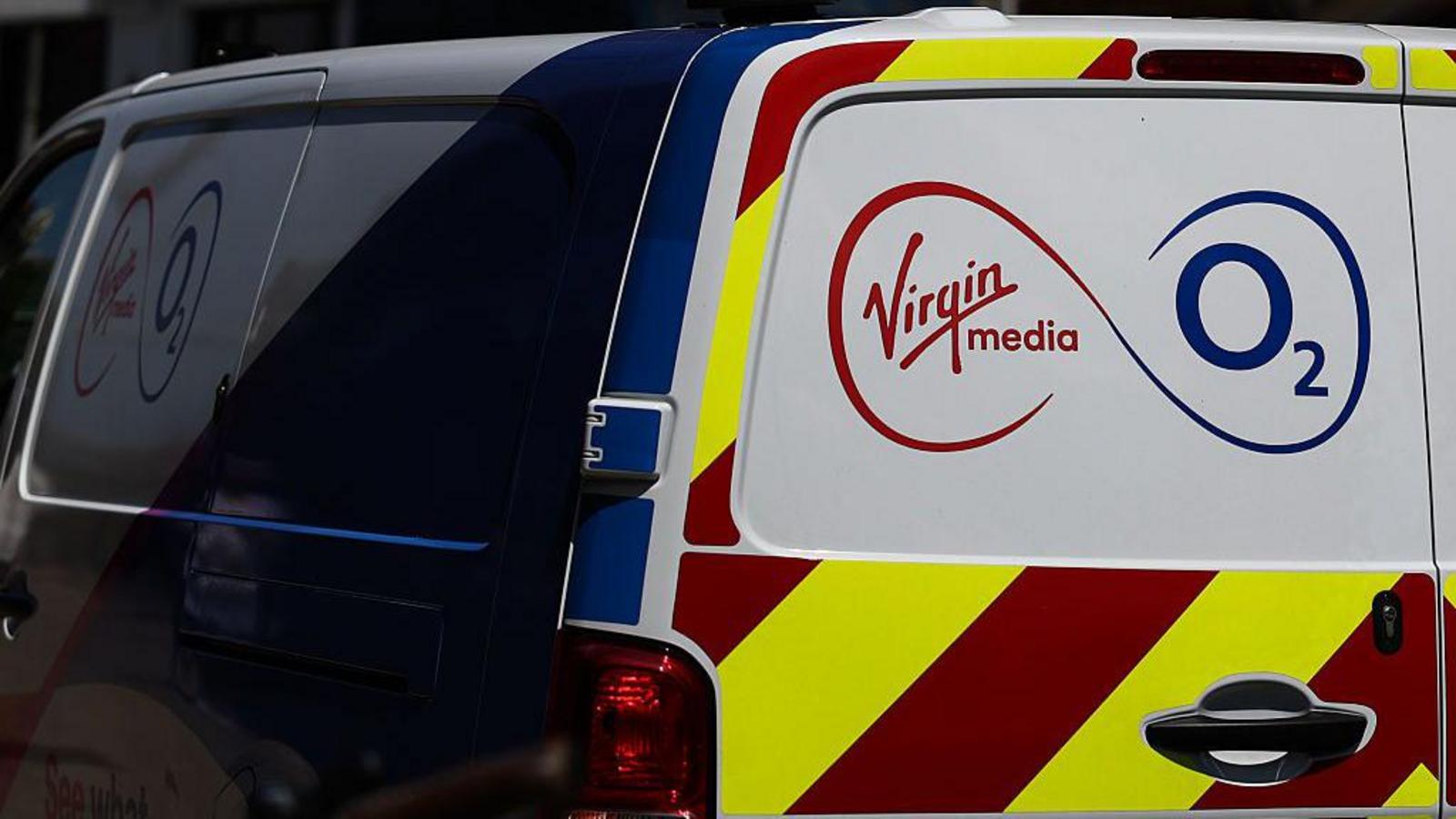
The investigation found that Virgin Media’s practices left many of its most vulnerable customers exposed to potential financial and emotional distress, as highlighted in the recent article about Asahi’s data leak affecting 1.5 million customers. Reports indicated that the company failed to identify and assist customers with special needs or those experiencing financial difficulties, leading to increased risks of disconnection and harassment.
This fine marks one of the largest penalties imposed on a telecommunications provider for customer safety violations. Ofcom emphasized the importance of safeguarding vulnerable individuals, stating that companies must take proactive measures to ensure that their services do not inadvertently cause harm.
The implications of this ruling extend beyond Virgin Media, as it sets a precedent for the industry regarding the treatment of vulnerable customers, similar to the recent outages experienced by Netflix. As companies reassess their policies, the focus on customer welfare is expected to intensify, prompting a broader discussion about corporate responsibility in the telecommunications sector.

Understanding the background of the fine against Virgin Media
The recent £24 million fine imposed on Virgin Media highlights a significant issue regarding the treatment of vulnerable customers within the telecommunications sector. This fine, issued by the UK’s communications regulator, Ofcom, stems from the company’s failure to provide adequate support and protections for customers who are considered vulnerable, including the elderly and those with disabilities. The case underscores a growing concern about corporate responsibility and the ethical obligations of service providers to safeguard their most at-risk clients.
Historically, the issue of protecting vulnerable customers has gained increasing attention in the UK, particularly in light of broader social changes and economic pressures. As the cost of living continues to rise, many individuals find themselves in precarious financial situations, making them more susceptible to exploitation or neglect by service providers. This has led to calls for stricter regulations and oversight in industries that serve vulnerable populations, including telecommunications, energy, and banking.
Key Milestones in Consumer Protection
The regulation of consumer rights in the UK has evolved significantly over the past few decades. Major milestones include the establishment of the Consumer Rights Act in 2015, which aimed to enhance protections for consumers, and the formation of Ofcom in 2003 to regulate the telecommunications sector. These developments have set a precedent for holding companies accountable for their treatment of customers, particularly those who may not have the means to advocate for themselves.
Precedent cases, such as fines levied against other telecommunications companies for similar failures, have also contributed to the current regulatory landscape. These cases have demonstrated that consumer protection is a priority for regulators and that companies can face substantial financial penalties for neglecting their responsibilities. The Virgin Media case serves as a reminder that the industry must prioritize the needs of vulnerable customers to avoid further repercussions.

Key stakeholders and issues surrounding the Virgin Media case
The recent £24 million fine imposed on Virgin Media has brought to light significant concerns regarding the treatment of vulnerable customers. The main stakeholders in this case include Virgin Media as the service provider, the Office of Communications (Ofcom) as the regulatory body, and the vulnerable customers themselves, whose interests are at the forefront of the issue.
Virgin Media’s primary interest lies in maintaining its reputation and financial stability while providing services to its customer base. The company must navigate the regulatory landscape to ensure compliance with legal obligations, particularly concerning the protection of vulnerable individuals. Ofcom, on the other hand, is tasked with enforcing regulations that safeguard consumer rights and ensuring that companies like Virgin Media adhere to standards that prevent harm to vulnerable populations.
Key issues arising from this case include the potential conflict between corporate profit motives and the ethical obligation to protect customers. The fine highlights the economic implications of failing to address these responsibilities, as companies may face significant penalties for non-compliance. Additionally, there are concerns regarding the adequacy of existing regulations and whether they sufficiently address the needs of vulnerable customers.
- The need for companies to implement robust safeguarding measures for vulnerable customers.
- The impact of regulatory fines on corporate behavior and consumer protection.
- The challenge of balancing profitability with ethical responsibilities.
- The role of consumer advocacy in shaping regulatory frameworks.
- The importance of transparency and accountability in corporate practices.
As the situation develops, it is crucial for all stakeholders to engage in dialogue that prioritizes the welfare of vulnerable customers, including insights drawn from cases like Paul Dacre’s testimony in the Prince Harry trial, while also considering the operational realities faced by service providers.

The impact of the fine on customers and the market
The recent £24 million fine imposed on Virgin Media highlights significant concerns regarding the treatment of vulnerable customers. This situation primarily affects individuals who rely on Virgin Media’s services for essential communication and connectivity, particularly the elderly and those with disabilities. These groups may face increased risks if their service is disrupted or inadequately managed.
In the short term, customers may experience heightened anxiety regarding their service reliability and the company’s commitment to customer care. This could lead to a decline in trust, prompting vulnerable individuals to seek alternatives, which may not always be accessible or affordable. Additionally, the fine may result in increased scrutiny from regulators, potentially leading to more stringent policies aimed at protecting consumers in the telecommunications sector.
In the mid-term, the fine could catalyze changes in Virgin Media’s operational practices. The company may be compelled to invest in better training for staff and implement more robust customer support systems. This could lead to improved service quality, benefiting not only vulnerable customers but also the broader customer base. However, these changes may come at a cost, potentially resulting in higher prices for services as the company seeks to recover from the financial penalty.
- Increased regulatory scrutiny on telecommunications companies.
- Potential rise in service prices as companies invest in compliance and customer care.
- Opportunities for competitors to capture market share by appealing to dissatisfied Virgin Media customers.
- Enhanced focus on corporate responsibility and customer care across the industry.
While the fine poses immediate challenges for Virgin Media and its customers, it also presents an opportunity for the telecommunications industry to reevaluate its practices. Companies that prioritize customer welfare and transparency may gain a competitive edge, fostering a more responsible market environment that ultimately benefits all consumers.

A: The fine was imposed due to Virgin Media’s failure to adequately protect vulnerable customers from potential harm, which raised significant safety concerns. A: The fine may lead Virgin Media to reassess its customer service policies and implement stronger safeguards for vulnerable customers to avoid future penalties. A: This case may prompt other companies to evaluate their customer protection measures and ensure compliance with regulations to prevent similar fines. A: Currently, there is no information on compensation for affected customers, but the case has highlighted the need for better support systems. A: Customers should report any concerns to Virgin Media directly or contact consumer protection agencies for assistance and guidance.
Frequently asked questions about the Virgin Media fine
Key takeaways and future outlook on customer protection
The recent £24 million fine imposed on Virgin Media highlights the critical importance of safeguarding vulnerable customers within the telecommunications sector. This situation serves as a reminder of the responsibility companies hold in ensuring their services do not inadvertently expose at-risk individuals to harm. As regulatory scrutiny increases, businesses must reevaluate their practices and prioritize customer welfare to maintain trust and compliance.
Looking ahead, it is essential for companies to implement robust measures that protect vulnerable customers, such as enhanced training for staff, clearer communication of services, and proactive monitoring of customer accounts. The implications of this case extend beyond financial penalties; they signal a shift towards greater accountability in the industry.
- Increased Regulatory Scrutiny: Companies should prepare for more stringent regulations aimed at protecting vulnerable customers.
- Enhanced Customer Support: Investing in training and resources for staff to better identify and assist vulnerable customers is crucial.
- Proactive Communication: Clear and transparent communication with customers about services and potential risks can help mitigate harm.
- Monitoring and Feedback: Regularly reviewing customer accounts and soliciting feedback can help identify at-risk individuals early.
- Reputation Management: Companies must consider the long-term impact of their customer care practices on their brand image and customer loyalty.