


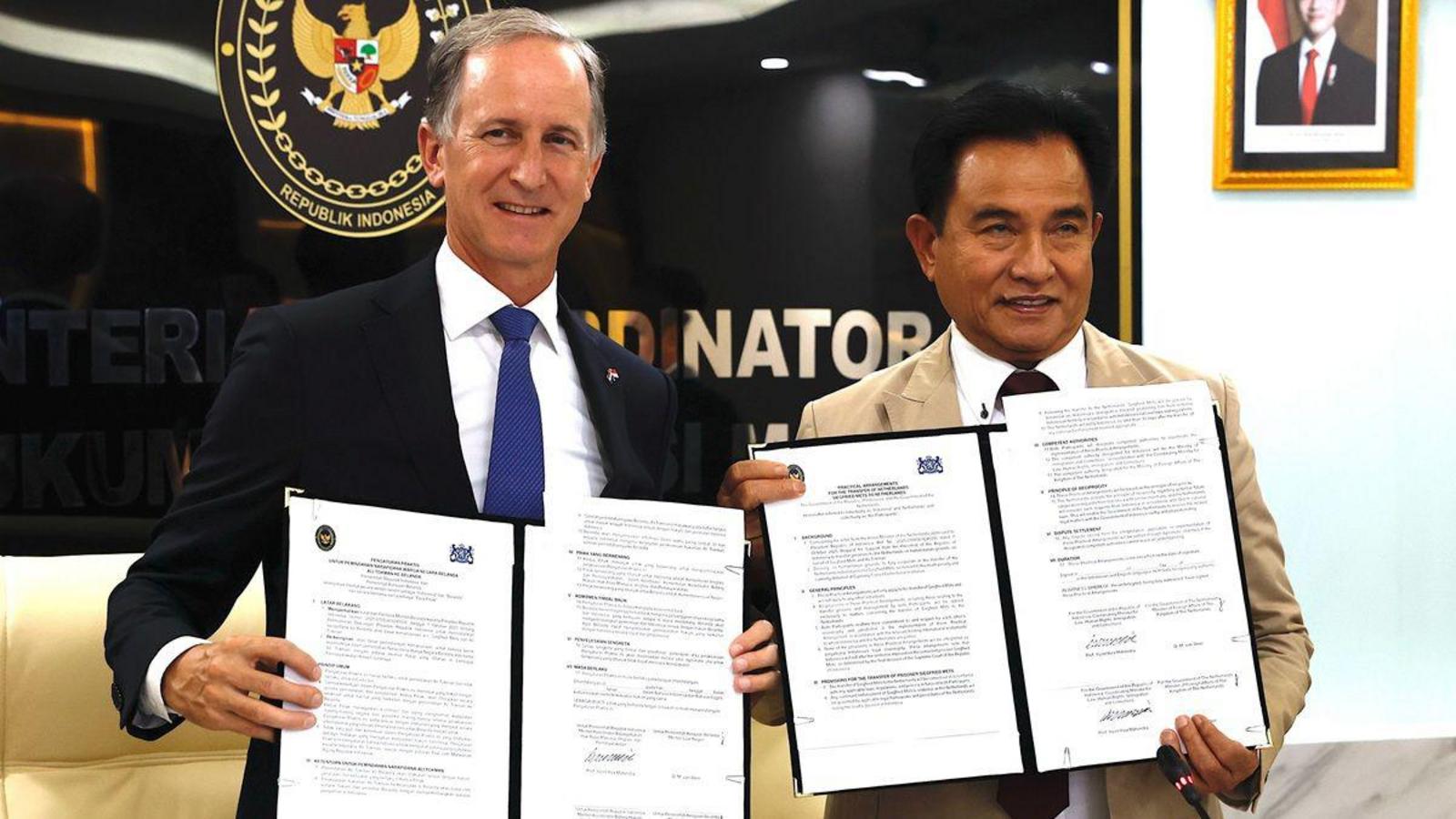
The two men, identified as part of a larger group of foreign prisoners, have been held in Indonesian facilities for several years. Their cases have drawn attention due to the serious nature of their convictions, including drug-related offenses, which are met with stringent penalties in the country. For more on related human rights issues, read about former Daily Mail editor Paul Dacre’s testimony in a high-profile trial.
The repatriation process is expected to take place in the coming weeks, with the Dutch government actively involved in negotiations. Officials from both countries are working to ensure that the transfer adheres to legal protocols and respects the rights of the individuals involved.
This situation highlights the complexities of international law and the challenges faced by countries in managing their respective justice systems. The outcome could influence future diplomatic relations between Indonesia and the Netherlands, particularly concerning the treatment of citizens abroad.

Background on the legal situation of the Dutch men
The repatriation of two Dutch men from Indonesia has garnered significant attention, particularly due to the complex legal and diplomatic implications involved. One of the men is currently on death row, a situation that underscores the contentious nature of Indonesia’s legal system, especially regarding drug-related offenses. Indonesia has some of the strictest anti-drug laws in the world, and the death penalty for drug trafficking has been a focal point of international criticism. Discover more about recent events affecting Indonesia, such as the floods that have caused widespread devastation.
The historical context of this situation can be traced back to Indonesia’s war on drugs, which intensified in the early 2000s. Since then, the Indonesian government has adopted a zero-tolerance policy towards narcotics, leading to a surge in arrests and convictions for drug offenses. High-profile cases, including that of Australian drug traffickers, have drawn international media attention and have often led to diplomatic strains between Indonesia and other countries.
In recent years, the Dutch government has been actively involved in advocating for the rights of its citizens abroad, especially those facing severe penalties. The case of the two Dutch men highlights the delicate balance between upholding national laws and addressing international human rights concerns. Diplomatic negotiations have been ongoing, with the Netherlands urging Indonesia to reconsider its stance on the death penalty and to explore alternatives to incarceration, which mirrors broader themes of justice discussed in humanitarian contexts.
Key milestones in the repatriation process
Several key milestones have marked the journey towards the repatriation of these Dutch nationals. Initially, discussions began after the men were sentenced, with the Dutch government expressing its concerns over the fairness of the trials. Subsequent appeals and legal proceedings have taken place, reflecting the lengthy judicial processes in Indonesia. The recent decision to repatriate them signals a potential shift in Indonesia’s approach to foreign nationals facing severe penalties, possibly influenced by international pressure and changing public sentiment regarding the death penalty.

Key issues surrounding the repatriation process
The decision by Indonesia to repatriate two Dutch men, including one who is currently on death row, brings to the forefront a complex interplay of legal, diplomatic, and humanitarian considerations. The primary stakeholders in this situation include the Indonesian government, the Dutch government, human rights organizations, and the families of the individuals involved.
One of the main actors is the Indonesian government, which has a vested interest in maintaining its sovereignty and legal authority over its judicial processes. The repatriation of the death row inmate raises significant legal questions regarding the enforcement of capital punishment laws and the potential for international criticism. Indonesia has faced scrutiny from human rights advocates for its stance on the death penalty, which complicates this repatriation case.
The Dutch government also plays a crucial role, advocating for the rights of its citizens abroad. Their interests lie in ensuring the humane treatment of their nationals, particularly those facing severe penalties. The Dutch authorities may seek assurances regarding the treatment and legal processes that the repatriated individuals will face upon their return to the Netherlands.
- Legal implications: The repatriation process may challenge existing legal frameworks in both countries, particularly concerning the enforcement of sentences and human rights obligations.
- Humanitarian considerations: The welfare of the individuals involved is a significant concern, especially for the one on death row, highlighting the need for humane treatment regardless of their legal status.
- Diplomatic relations: This case could impact the diplomatic relations between Indonesia and the Netherlands, as both countries navigate the complexities of their legal systems and international human rights standards.
- Public opinion: The response from the public and media in both countries may influence future policies regarding repatriation and the treatment of prisoners.
In summary, the repatriation of these two Dutch men underscores a multifaceted issue that intertwines legal, diplomatic, and humanitarian threads. As stakeholders navigate this process, the outcomes will likely reflect broader themes of justice, human rights, and international cooperation.

Potential impacts on diplomatic relations and public opinion
The repatriation of two Dutch men, including one on death row, is poised to significantly affect Indonesia’s diplomatic relations with the Netherlands. This situation may lead to heightened scrutiny of Indonesia’s legal practices, particularly regarding capital punishment, which remains a contentious issue in international human rights discussions. The Dutch government may express concern over the treatment of its citizens, potentially leading to diplomatic tensions.
In the short term, public opinion in both countries may shift as citizens react to the news. In Indonesia, there may be a mix of support for the legal system and criticism regarding the handling of foreign nationals. Conversely, in the Netherlands, the focus may be on advocating for the rights of their citizens abroad, which could lead to increased pressure on the Dutch government to intervene in similar cases in the future.
Industries related to tourism and international business may also feel the impact. Tour operators and businesses that rely on Dutch tourists may experience fluctuations in travel patterns. If public sentiment in the Netherlands turns negative towards Indonesia, it could deter potential travelers, impacting local economies that depend on tourism.
- Short-term risks: Increased diplomatic tensions, potential travel advisories, and negative public sentiment.
- Mid-term opportunities: Potential for policy dialogue on human rights, and improved bilateral cooperation on legal matters.
- Economic impacts: Fluctuations in tourism and international business relations.
Moreover, this incident could prompt Indonesia to reassess its approach to handling foreign nationals in its legal system. There may be an opportunity for Indonesia to enhance its international image by engaging in discussions about legal reforms and human rights practices, which could lead to improved relations with Western nations.

A: One of the Dutch men was sentenced to death for drug trafficking, which is a serious offense in Indonesia. His case has attracted significant media attention and raised debates about the death penalty. A: Repatriation refers to the process of returning individuals to their home country. In this case, it involves the Dutch government facilitating the return of its citizens from Indonesia. A: The repatriation could influence diplomatic relations, especially regarding discussions on human rights and legal practices. It may lead to further negotiations between the two countries. A: Yes, repatriating individuals on death row can raise legal and ethical questions regarding international law and human rights obligations. Indonesia must navigate these complexities carefully. A: The next steps will involve legal procedures, diplomatic discussions, and logistics to ensure a smooth return of the individuals to the Netherlands.
Frequently asked questions about the repatriation
Outlook on the future of repatriation agreements
The decision by Indonesia to repatriate two Dutch men, including one who is on death row, marks a significant development in international legal cooperation and the handling of foreign nationals in the Indonesian penal system. This move not only reflects Indonesia’s ongoing relationship with the Netherlands but also raises questions about the future of similar agreements with other countries. As nations navigate the complexities of justice and human rights, the implications of this repatriation are likely to resonate beyond these two nations.
As countries increasingly prioritize the rights of their citizens abroad, the dynamics of repatriation agreements may evolve. Future negotiations could see a greater emphasis on humanitarian considerations, especially in cases involving severe penalties. Observers should monitor how this situation influences bilateral relations and whether it prompts other countries to seek similar arrangements for their citizens facing legal issues overseas.
- Watch for potential changes in Indonesia’s approach to foreign nationals in its legal system, particularly regarding death row cases.
- Consider the implications for bilateral relations between Indonesia and the Netherlands, especially in areas beyond legal cooperation.
- Monitor how this case might influence other countries to advocate for the repatriation of their citizens facing harsh penalties abroad.
- Stay informed on public and governmental reactions in both countries, as they may shape future policy discussions.
- Observe any shifts in international norms regarding the treatment of prisoners and the role of repatriation in diplomatic negotiations.