


Major brands, including JBL, Bose, and Anker, have slashed prices by as much as 50%, making high-quality audio equipment more accessible to a wider audience. These discounts are not only limited to Amazon but are also reflected across various online platforms and brick-and-mortar stores, indicating a competitive market environment.
As summer progresses, the demand for Bluetooth speakers remains high, prompting retailers to maintain these promotions to attract buyers looking for versatile and affordable options.
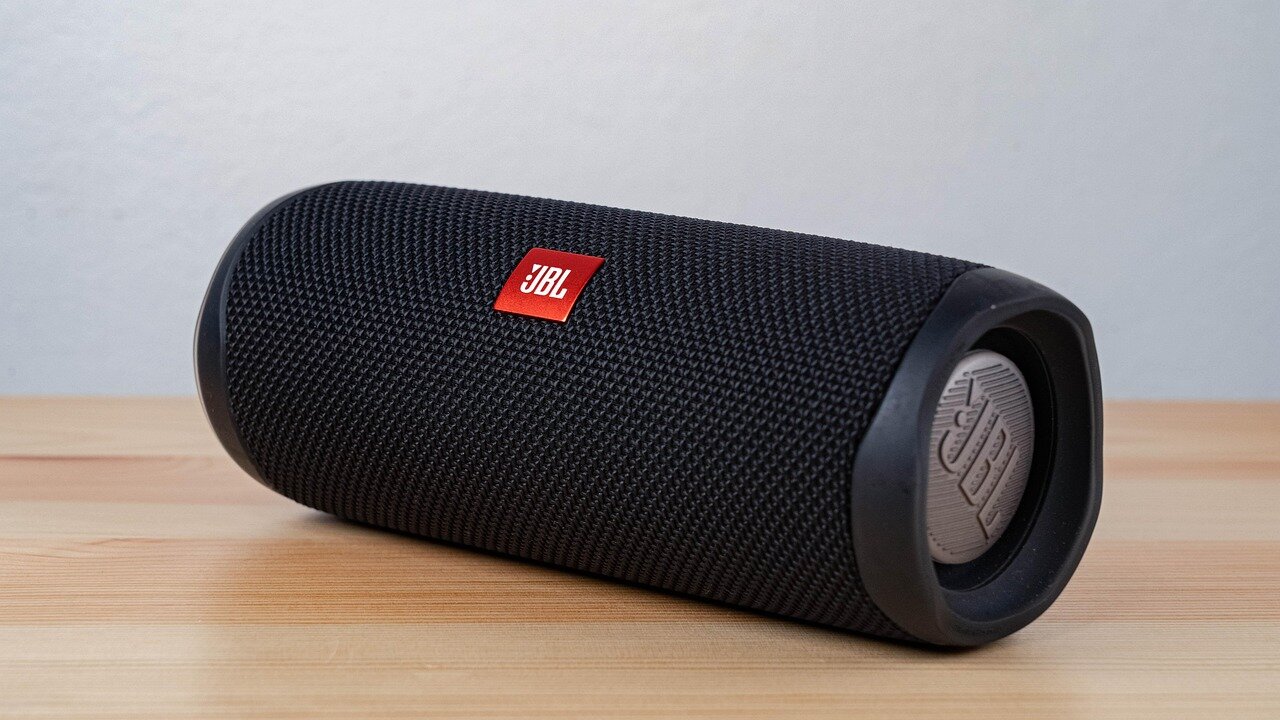
Additionally, the continuation of discounts highlights a shift in consumer behavior, where shoppers are more inclined to seek deals beyond major sales events. This trend may influence future marketing strategies, as retailers adapt to the evolving expectations of consumers who prioritize value and convenience.
Understanding the Timing of Sales After Prime Day
The phenomenon of sales continuing after major shopping events like Amazon Prime Day has become a notable trend in the retail sector. Historically, Prime Day, which started in 2015, was designed to boost Amazon’s sales during a typically slow period in the summer. This event not only offered substantial discounts on a wide range of products but also set a precedent for other retailers to join in on the discounting frenzy.
This strategic timing is particularly advantageous for products like Bluetooth speakers, which have seen an increase in demand as more consumers seek portable audio solutions for their everyday lives.
The Rise of Consumer Electronics Sales
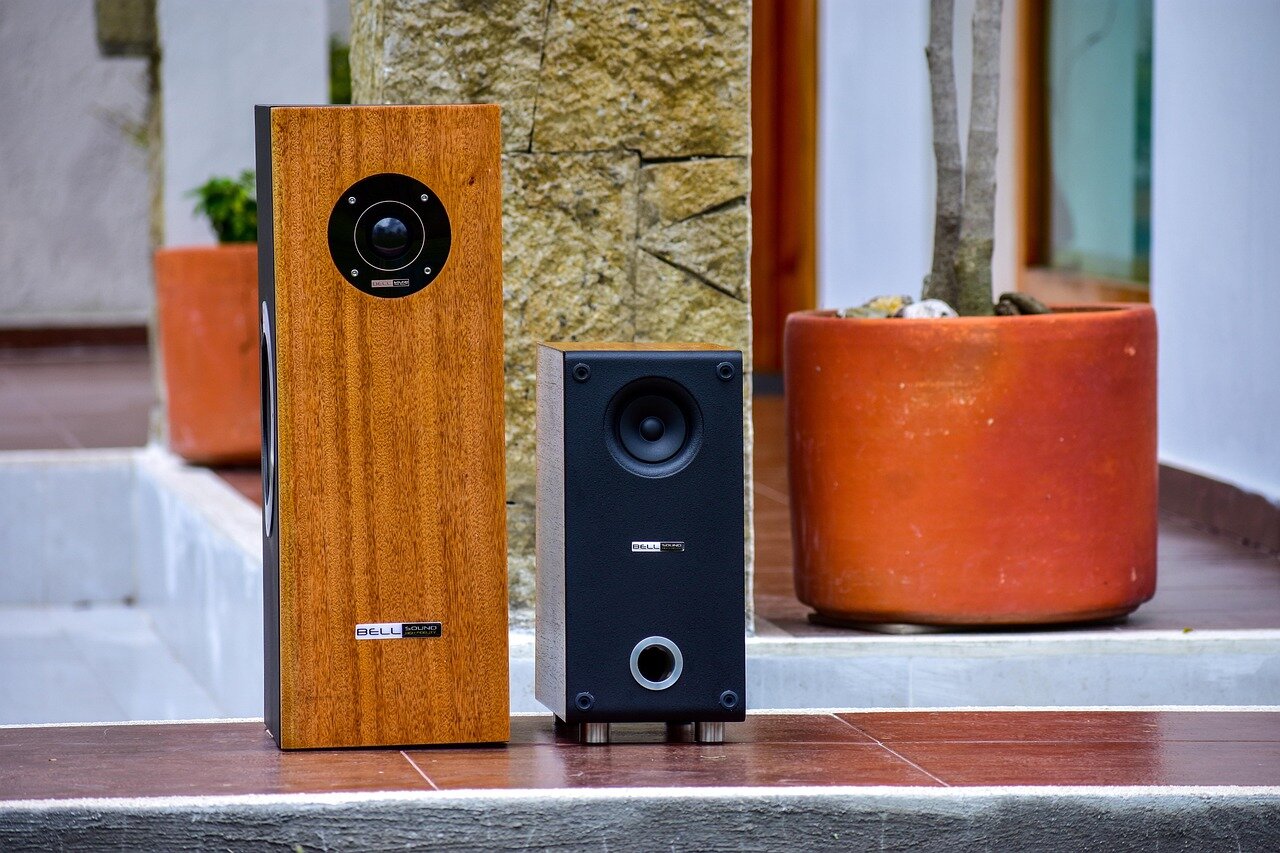
The growth of the consumer electronics market has been a significant driver behind the ongoing discounts seen after Prime Day. With advancements in technology, Bluetooth speakers have become increasingly popular due to their convenience and improved sound quality. As a result, manufacturers and retailers alike are motivated to clear out inventory to make way for new models, often using sales as a tactic to entice buyers.
Moreover, the economic landscape has shifted, with inflation and changing consumer spending habits influencing buying decisions. Shoppers are more price-conscious than ever, leading retailers to offer deeper discounts to remain competitive. This environment has created a perfect storm for ongoing sales, particularly for tech gadgets that consumers might have been eyeing during the Prime Day rush.
As we look at the evolution of retail strategies, it is evident that the continuation of sales post-Prime Day is not merely a coincidence but rather a calculated move by retailers to maximize their reach and sales potential. The trend reflects broader changes in consumer behavior and the retail landscape, making it an important aspect of modern shopping culture.
Key Players and Market Trends in Bluetooth Speaker Sales
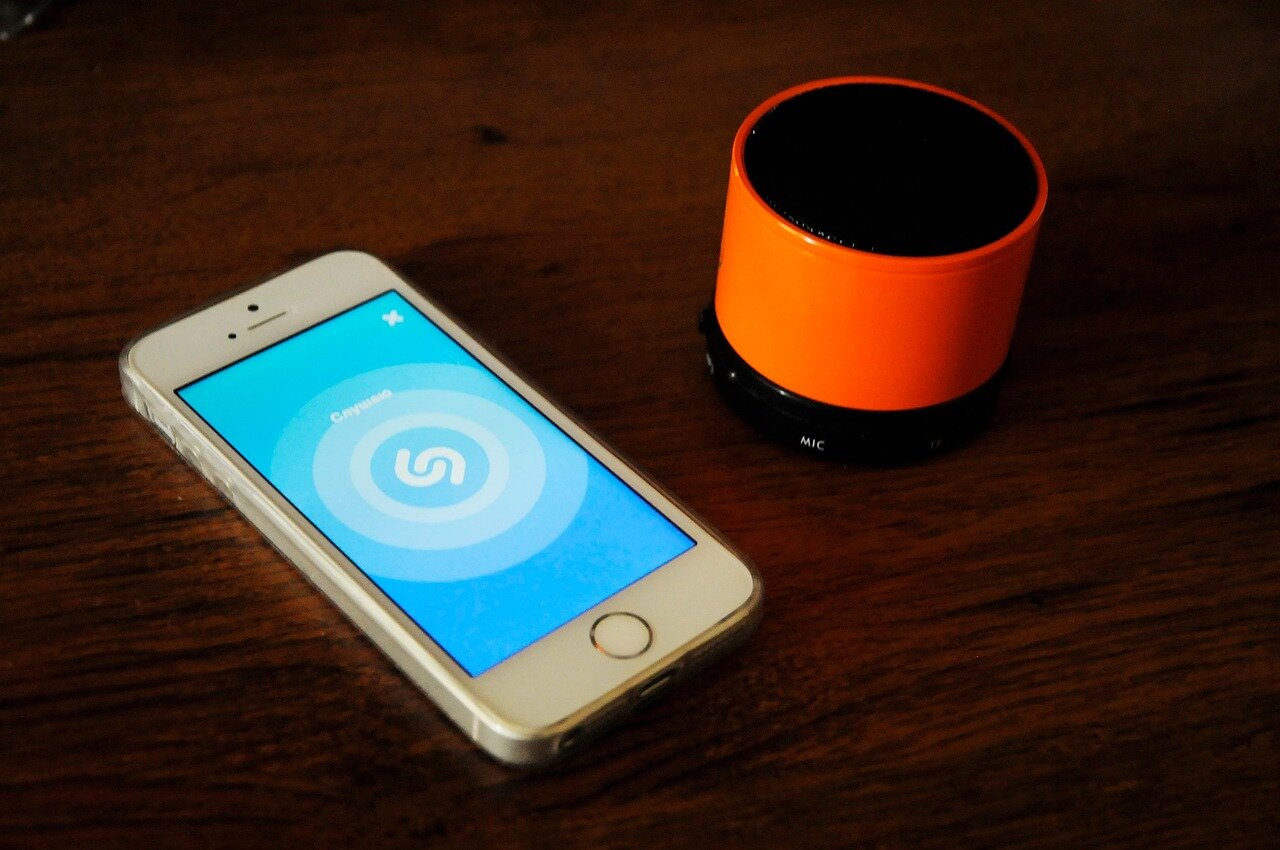
The Bluetooth speaker market is characterized by a diverse range of stakeholders, including manufacturers, retailers, consumers, and online platforms. Major manufacturers such as Bose, JBL, and Sony are continually innovating to capture consumer interest, while retailers and e-commerce giants like Amazon play a crucial role in distribution and pricing strategies. These stakeholders have varying interests that can lead to both collaboration and competition in the marketplace.
Consumers are primarily interested in quality, price, and functionality. The recent trend of significant discounts, especially post-Prime Day, highlights the demand for affordability without sacrificing performance. Retailers, on the other hand, aim to maximize their sales volume while managing inventory effectively. This dynamic creates a competitive environment where promotional strategies can lead to conflicts over market share and pricing.
Additionally, economic factors such as supply chain disruptions and inflation can impact production costs and retail pricing, influencing how discounts are structured during sales events.
- Market Competition: Intense rivalry among brands can lead to price wars, affecting profit margins.
- Consumer Trends: Shifts in consumer preferences towards eco-friendly products may influence future product designs.
- Technological Advancements: Rapid innovation in sound quality and connectivity features can create competitive advantages.
- Regulatory Challenges: Compliance with environmental regulations may impact production processes and costs.
- Global Supply Chain Issues: Ongoing disruptions can affect availability and pricing of Bluetooth speakers.
Understanding these dynamics is essential for consumers looking to make informed purchasing decisions and for stakeholders aiming to navigate the complexities of the Bluetooth speaker market effectively.
Who Benefits from These Discounts and Market Implications
The ongoing discounts on Bluetooth speakers, with savings of up to 50% after Prime Day, have significant implications for various groups, including consumers, retailers, and manufacturers. Consumers looking for affordable audio solutions are the primary beneficiaries, as these deals enable them to enhance their listening experience without breaking the bank. Additionally, families and students, who often seek budget-friendly electronics, are particularly affected by these price reductions.
Retailers, especially those that sell audio equipment, stand to gain from increased foot traffic and online sales. The discounts can attract price-sensitive shoppers, leading to a spike in sales volume in the short term. For manufacturers, this scenario presents both risks and opportunities. While lower prices may compress profit margins, they can also stimulate demand and help clear out inventory, which is essential for maintaining cash flow.

In the mid-term, the impact on daily life could be substantial as more consumers adopt Bluetooth speakers for various uses, such as home entertainment, outdoor activities, and personal enjoyment. This shift could lead to a greater reliance on wireless technology in everyday settings, influencing how people consume media and interact with their environments.
- Increased Accessibility: More consumers can afford quality audio equipment.
- Market Competition: Retailers may need to adjust pricing strategies to remain competitive.
- Consumer Behavior: A shift towards more wireless and portable audio solutions.
- Inventory Management: Manufacturers may need to adapt production schedules based on demand fluctuations.
However, there are risks associated with these discounts. Retailers may face challenges in maintaining profitability if discounts become a norm, potentially leading to a price war. Additionally, consumers might develop unrealistic expectations regarding prices, making it difficult for retailers to sell products at regular prices in the future.
A: Most discounts are available in major markets, but availability may vary by region. It’s best to check local retailers for specific offers. A: The sales typically last until stock runs out or until the retailers decide to end the promotion. It’s advisable to act quickly if you find a good deal. A: Popular brands like JBL, Bose, and Sony are often included in these sales, providing a range of options for consumers. A: Most retailers have a return policy that allows you to return items within a specified period, but it’s important to check the specific terms before purchasing. A: Shipping costs vary by retailer, and some may offer free shipping on orders over a certain amount. Always check the final price at checkout.
Frequently Asked Questions About Bluetooth Speaker Sales
Key Takeaways and Future Outlook on Bluetooth Speaker Deals
As the dust settles after Prime Day, consumers still have the opportunity to take advantage of significant discounts on Bluetooth speakers. The ongoing sales, with reductions of up to 50%, highlight the competitive nature of the audio market and suggest that retailers are keen to maintain momentum in attracting buyers even after major shopping events. This trend may pave the way for further price drops and promotions in the coming months, especially as new models are released.
Shoppers should remain vigilant and consider the features that best suit their needs, whether it’s portability, sound quality, or battery life. Additionally, the current deals may serve as a benchmark for future pricing, indicating that investing in a quality Bluetooth speaker now could yield long-term satisfaction and value.
- Monitor ongoing sales for potential additional discounts beyond Prime Day.
- Evaluate personal audio needs to identify the best speaker features for individual lifestyles.
- Stay informed about upcoming product releases that could influence price trends.
- Consider the longevity and warranty options of speakers when making a purchase.
- Utilize price comparison tools to ensure the best deals are being secured.