


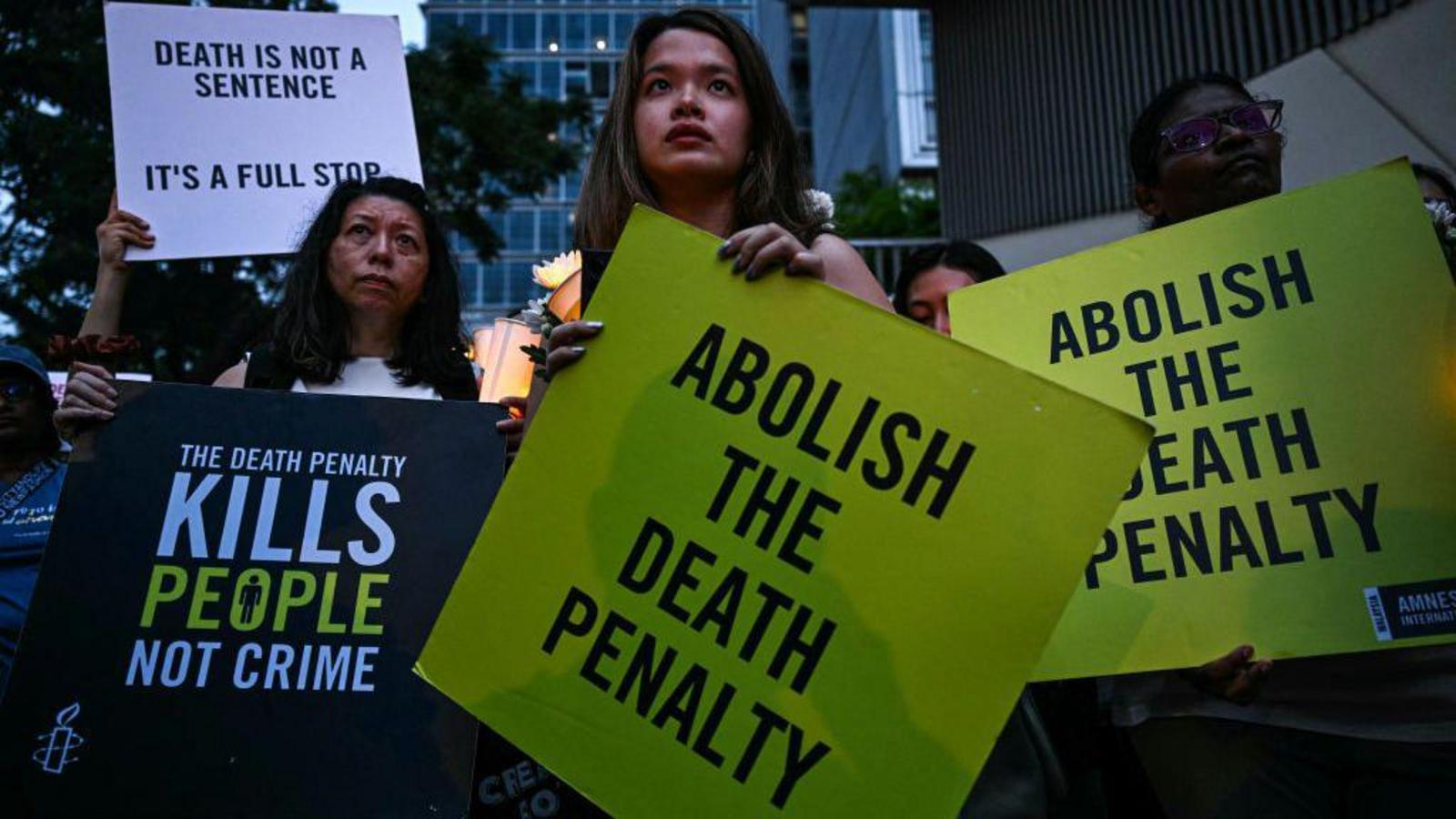
The individuals executed were convicted of trafficking substantial amounts of controlled substances, a crime that carries mandatory death sentences under Singaporean law. The authorities maintain that these harsh penalties are necessary to combat the pervasive drug problem in the country, claiming that they serve as a deterrent to potential traffickers. For more insight on related global issues, see our coverage of death toll in Indonesia floods.
Human rights advocates have criticized these executions, arguing that they violate international norms and fail to address the underlying issues of addiction and drug abuse. Organizations such as Amnesty International have called for a reevaluation of Singapore’s drug policies, urging a shift towards rehabilitation rather than punishment. This perspective resonates as many countries are seeking a more humane approach, which can be explored further in our article on downsizer initiatives.
As Singapore continues to enforce its zero-tolerance policy on drugs, the recent executions may have broader implications for its international relations, particularly with countries that oppose the death penalty. The situation highlights the ongoing tension between maintaining public safety and adhering to global human rights standards. Those interested in related societal issues may find the discussion on the history of cats as companions pertinent.

Understanding Singapore’s strict stance on drug-related crimes
Singapore has long been recognized for its stringent laws regarding drug-related offenses, a policy rooted in its historical context of drug abuse issues that plagued the nation in the 1960s and 1970s. During this period, the country faced a significant increase in drug addiction, which led to rising crime rates and social instability. In response, the government implemented a zero-tolerance approach, enacting laws that impose severe penalties, including the death penalty for certain drug trafficking offenses.
The Misuse of Drugs Act, established in 1973, serves as the cornerstone of Singapore’s drug policy. It categorizes various drugs and stipulates mandatory death sentences for those convicted of trafficking in quantities that exceed specified thresholds. This legislation reflects the government’s commitment to deterring drug-related crimes and protecting public health, but it has also drawn criticism from human rights advocates who argue that such harsh penalties are inhumane and ineffective.
Key milestones in Singapore’s drug policy
Over the decades, several key milestones have shaped Singapore’s approach to drug enforcement. In 1990, the government launched the “War on Drugs,” which intensified efforts to combat drug trafficking and abuse through rigorous law enforcement and public awareness campaigns. The establishment of the Central Narcotics Bureau (CNB) further consolidated efforts to tackle drug-related crimes, allowing for a more coordinated response.
In recent years, the country has faced increased scrutiny from international organizations and human rights groups, particularly regarding its use of capital punishment. Despite this, Singapore has maintained its stance, arguing that the death penalty serves as a crucial deterrent against drug trafficking, which is seen as a major threat to society. The recent execution of three men over two days underscores the government’s unwavering commitment to its anti-drug policies, even amidst growing global calls for reform.

As Singapore continues to grapple with the complexities of drug enforcement, the balance between maintaining public safety and addressing human rights concerns remains a contentious issue. The historical context of drug abuse in the nation has laid the groundwork for its current policies, which reflect a broader societal consensus on the need for strict measures to combat drug-related crimes.
Examining the implications of drug laws and public opinion
In recent days, Singapore executed three men for drug-related offenses, reigniting debates surrounding the country’s stringent drug laws. The primary stakeholders in this situation include the Singaporean government, human rights organizations, and the public, each with distinct interests and perspectives on drug policy and its enforcement.
The Singaporean government, represented by its law enforcement agencies and judicial system, maintains that strict drug laws are essential for preventing drug abuse and maintaining public safety. The government argues that harsh penalties serve as a deterrent against drug trafficking, which is viewed as a serious threat to society. This stance is supported by a significant portion of the public, who prioritize safety and stability over leniency in drug laws.
Conversely, human rights organizations, both local and international, criticize Singapore’s approach to drug offenses, arguing that the death penalty is an inhumane and ineffective solution. These groups advocate for a shift toward rehabilitation rather than punishment, emphasizing the need for a more compassionate response to drug addiction and trafficking. They argue that the current laws disproportionately affect marginalized communities and fail to address the root causes of drug-related issues.

Key issues at play include:
- The effectiveness of capital punishment as a deterrent against drug trafficking.
- The balance between public safety and human rights considerations.
- The potential for reform in drug policy to focus on prevention and rehabilitation.
- The international community’s response to Singapore’s drug laws and their implications for diplomatic relations.
- The societal impact of drug offenses on families and communities.
As discussions continue, the conflict between maintaining strict drug laws and advocating for human rights remains a contentious issue. The differing perspectives highlight the complexities of drug policy, where legal, ethical, and social considerations intersect, shaping the future of drug enforcement in Singapore.
The societal and international reactions to the executions
The recent execution of three men in Singapore for drug offences has sparked significant reactions both locally and globally. Various human rights organizations, activists, and members of the public have expressed their discontent, arguing that the death penalty is an inhumane form of punishment that fails to address the root causes of drug-related issues. These executions may particularly affect families and communities directly connected to the individuals executed, creating a ripple effect of grief and social stigma.
Industries related to tourism, international business, and expatriate communities may also feel the impact. Potential visitors and foreign investors might reconsider their engagement with Singapore, leading to a decrease in tourism and business opportunities. The perception of Singapore as a strict but safe environment could shift, affecting its reputation on the global stage.

In the short term, local businesses may see a decline in customer traffic as public sentiment shifts towards the government’s stance on capital punishment. This could lead to a temporary downturn in sectors reliant on tourism and hospitality. Conversely, there may be a surge in demand for advocacy and support services aimed at addressing drug addiction and rehabilitation, presenting an opportunity for businesses in the health and social services sectors.
Mid-term effects may include policy discussions surrounding drug laws and the death penalty. As public opinion evolves, lawmakers may face pressure to reconsider current legislation, potentially leading to reforms in drug policy and criminal justice. This could create opportunities for legal firms and advocacy groups to engage in policy development and lobbying efforts.
- Increased public discourse on drug laws and human rights.
- Potential decline in tourism and foreign investment.
- Opportunities for growth in rehabilitation and support services.
- Possible policy reforms affecting the legal landscape.
A: The men were executed for serious drug offences under Singapore’s strict drug laws, which mandate capital punishment for certain amounts of controlled substances. A: Singapore has one of the toughest drug policies in the world, often leading to capital punishment, whereas many other countries have moved towards decriminalization or rehabilitation. A: Public opinion in Singapore is generally supportive of strict drug laws, but there are also voices advocating for reform and a more humane approach. A: Yes, various human rights organizations and foreign governments have criticized Singapore’s use of the death penalty for drug offences, calling for a reevaluation of such policies. A: While current laws remain stringent, ongoing debates may lead to gradual reforms, particularly in response to international pressure and changing societal views.

Frequently asked questions about the executions and drug laws
Key takeaways and future outlook on drug policies in Singapore
The recent execution of three individuals for drug offences in Singapore underscores the nation’s steadfast commitment to its strict anti-drug laws. This development not only highlights the ongoing battle against drug trafficking but also raises critical questions about the effectiveness and ethical implications of such punitive measures in deterring drug-related crimes. As Singapore continues to navigate its approach to drug policies, the international community watches closely, especially in light of evolving global perspectives on drug decriminalization and rehabilitation.
Moving forward, it will be essential for policymakers to balance public safety with human rights considerations. The discourse surrounding drug laws may shift as societal attitudes evolve, prompting a reevaluation of existing frameworks and their alignment with contemporary values.
- The potential for increased scrutiny on Singapore’s drug policies from international human rights organizations.
- Possible shifts in public opinion that could influence future legislative reforms regarding drug offences.
- The importance of considering alternative approaches, such as harm reduction and rehabilitation, in the fight against drug abuse.
- Continued emphasis on education and prevention programs to address the root causes of drug trafficking and addiction.