


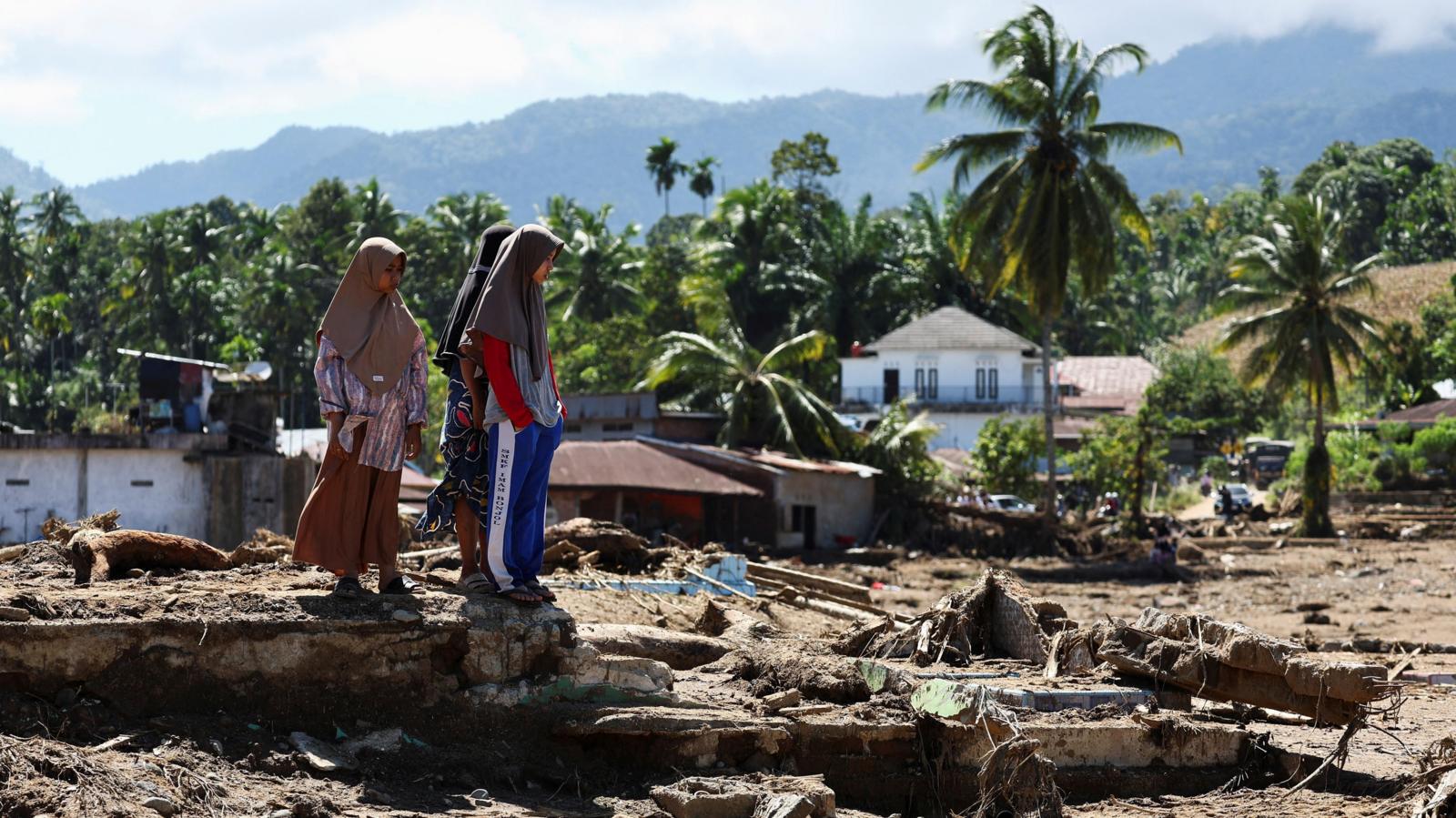
Emergency services and local authorities have been mobilized to assist affected communities, providing aid and conducting search and rescue operations. Thousands of people have been displaced, with many seeking refuge in temporary shelters as the situation continues to evolve.
Government officials have declared a state of emergency in the hardest-hit areas, allowing for the allocation of additional resources and assistance. The ongoing crisis has drawn international attention, prompting offers of support from various countries and humanitarian organizations.
As recovery efforts intensify, concerns are growing over the potential for waterborne diseases and the long-term impact on local infrastructure and agriculture. The situation remains fluid, with weather forecasts predicting further rainfall in the coming days, complicating rescue and recovery operations.
Understanding the background of Indonesia’s flooding crisis
The increasing severity and frequency of such disasters, as highlighted in the recent article on Death toll in Indonesia floods surpasses 500, underscores the importance of addressing the underlying causes of these crises.

The combination of environmental degradation and urbanization has led to exacerbated flooding issues, similar to those seen in Severe floods in Sri Lanka, highlighting the need for effective urban planning.
Climate Change and Its Impact
Climate change is exacerbating Indonesia’s flooding issues, with rising temperatures leading to unpredictable weather patterns. Increased rainfall intensity and frequency are becoming more common, overwhelming drainage systems and leading to catastrophic flooding. The government has recognized the link between climate change and natural disasters, yet responses have often been hampered by political and economic challenges, including budget constraints and bureaucratic inefficiencies.
In recent years, Indonesia has also experienced a series of significant flooding events, each revealing the vulnerabilities in its disaster preparedness and response systems. For instance, the floods in Jakarta in 2021 resulted in thousands of displaced individuals and highlighted the need for comprehensive urban planning and disaster management strategies. The ongoing crisis serves as a stark reminder of the urgent need for effective policies to mitigate the impact of climate change and enhance the resilience of affected communities.
Key stakeholders and issues surrounding the disaster response
The recent floods in Indonesia, which have resulted in a death toll surpassing 500, have brought to light various stakeholders involved in the disaster response and recovery efforts. These stakeholders include local and national governments, non-governmental organizations (NGOs), international aid agencies, and the affected communities themselves. Each of these actors has distinct interests and priorities that shape their responses to the crisis.
Local governments are primarily focused on immediate relief efforts, including search and rescue operations, provision of shelter, and distribution of food and medical supplies. Their interests lie in restoring order and ensuring the safety of their constituents. In contrast, the national government faces the challenge of coordinating larger-scale relief efforts and managing resources effectively across multiple affected regions, which can lead to conflicts over funding and resource allocation.

NGOs and international organizations play a crucial role in providing expertise and additional resources. Their interests often include advocating for the rights of the affected populations, ensuring equitable distribution of aid, and addressing long-term recovery needs. However, the involvement of these organizations can sometimes create tensions with local authorities, especially if there are perceived overlaps in responsibilities or if aid distribution is seen as favoring certain groups over others.
- Resource Allocation: Competition for limited resources can lead to conflicts between local and national governments, as well as between different NGOs.
- Legal Issues: The response efforts may raise legal questions regarding land use, property rights, and the responsibilities of various stakeholders in disaster management.
- Community Engagement: Ensuring that the voices of affected communities are heard is crucial, yet often overlooked, leading to potential mistrust and dissatisfaction.
- Long-term Recovery: Balancing immediate relief with sustainable recovery plans is essential but complicated by varying interests among stakeholders.
- International Aid Dependency: Over-reliance on international aid can create challenges for local governance and self-sufficiency in the long run.
Understanding the complexities of disaster response, as discussed in the context of Indonesia, can offer valuable lessons for other regions facing similar challenges, such as those detailed in the aftermath of the Hong Kong fire.
The impact of the floods on affected communities and infrastructure
The recent floods in Indonesia have devastated numerous communities, particularly in the central and eastern regions of the country. Vulnerable populations, including low-income families and informal workers, are facing the brunt of the disaster. Entire neighborhoods have been submerged, leading to significant displacement and loss of homes.
Industries such as agriculture, fishing, and tourism have also been severely impacted. Floodwaters have destroyed crops, disrupted fishing activities, and led to the closure of tourist sites. This not only affects local economies but also threatens food security, as many families rely on these sectors for their livelihoods.
In the short term, daily life has been drastically altered. Access to clean water, sanitation, and healthcare has become a pressing issue, heightening the risk of disease outbreaks. Schools have been closed, disrupting education for children and creating long-term setbacks for their academic progress.

Mid-term impacts may include shifts in local and national policy as the government responds to the crisis. There may be increased investment in disaster preparedness and infrastructure improvements to mitigate future flooding risks. However, the economic strain could also lead to cuts in other essential services if recovery efforts are not adequately funded.
- Short-term risks: Disease outbreaks, food insecurity, and displacement.
- Mid-term risks: Economic downturns in affected industries and potential policy neglect.
- Opportunities: Investment in resilient infrastructure and increased community solidarity.
A: The floods were primarily caused by heavy rainfall and poor drainage systems, exacerbated by deforestation and climate change. A: The Indonesian government has deployed rescue teams and is coordinating with local and international organizations to provide aid and support to affected areas. A: Immediate needs include food, clean water, medical assistance, and temporary shelter for those displaced by the floods. A: Individuals can contribute by donating to reputable organizations providing relief efforts, volunteering, or spreading awareness about the situation. A: Long-term measures include improving infrastructure, enhancing drainage systems, and implementing sustainable land management practices.
Frequently asked questions about the Indonesia floods
Key takeaways and future outlook on recovery efforts
The catastrophic floods in Indonesia, which have resulted in a death toll exceeding 500, highlight the urgent need for improved disaster preparedness and response mechanisms. As the nation grapples with the immediate aftermath, attention must shift towards long-term recovery strategies that address both the humanitarian needs of affected communities and the infrastructural challenges that exacerbate such disasters.
Moving forward, it is essential to monitor the effectiveness of government response initiatives and the resilience of local communities. The integration of climate adaptation strategies into urban planning will be critical in mitigating the risks of future flooding events, ensuring that the lessons learned from this tragedy lead to more robust systems of support and recovery.
- Enhanced disaster preparedness: Focus on developing better early warning systems and community training programs to ensure swift evacuation and response during emergencies.
- Infrastructure investment: Prioritize funding for flood-resistant infrastructure to minimize damage and loss of life in future events.
- Community support systems: Strengthen local networks to provide immediate assistance and long-term recovery resources for affected families.
- Policy reform: Advocate for policies that address climate change and promote sustainable land use to reduce vulnerability to extreme weather events.
- International collaboration: Seek partnerships with global organizations for technical assistance and funding to enhance disaster resilience efforts.