


Recent inquiries have focused on the efficacy and distribution strategies of various vaccines, revealing that countries with well-coordinated logistics and public health campaigns have seen higher vaccination rates. For instance, nations like Portugal and Chile have successfully vaccinated over 80% of their populations, showcasing the importance of accessibility and public trust in vaccination programs. This raises important questions about the effectiveness of various methods to improve vaccine uptake.
Conversely, disparities in vaccine access remain a pressing issue, particularly in low-income countries where less than 20% of the population is fully vaccinated. The ongoing debate about vaccine equity and the role of international aid continues to shape discussions among global leaders and health experts.
Furthermore, the emergence of new variants has prompted health authorities to adapt their strategies, including booster shot campaigns and updated vaccine formulations. These developments underline the need for ongoing vigilance and adaptability in the face of evolving challenges posed by the virus.
Understanding the background of the vaccine development and distribution
The global response to the COVID-19 pandemic marked a pivotal moment in public health history, characterized by unprecedented collaboration among scientists, governments, and pharmaceutical companies. The urgency to develop effective vaccines arose as the virus spread rapidly across the globe, leading to millions of infections and significant mortality rates. This crisis prompted a race against time, resulting in the fastest vaccine development in history.

Historically, vaccine development has typically taken years, if not decades, to ensure safety and efficacy. However, the COVID-19 pandemic necessitated a shift in traditional protocols. The use of innovative technologies, such as mRNA vaccines, allowed for quicker development times while maintaining rigorous safety standards. The collaboration between institutions like the World Health Organization (WHO) and various governments facilitated funding and resources that were previously unthinkable in the realm of vaccine research.
Key milestones in this extraordinary feat include the rapid sequencing of the SARS-CoV-2 virus genome in January 2020, which laid the groundwork for vaccine design. By December 2020, the first vaccines, including those developed by Pfizer-BioNTech and Moderna, received emergency use authorization in several countries, marking a significant turning point in the pandemic response. This swift rollout was supported by initiatives such as Operation Warp Speed in the United States, which aimed to accelerate vaccine development and distribution.
The Role of Global Collaboration
International cooperation played a crucial role in the vaccine rollout. Initiatives like COVAX were established to ensure equitable access to vaccines for low- and middle-income countries, highlighting the importance of global solidarity in addressing a pandemic that knows no borders. This collaborative approach not only facilitated the distribution of vaccines but also emphasized the need for a coordinated response to future global health crises, echoing sentiments found in discussions about international collaborations in various sectors.
Key stakeholders and critical issues surrounding the vaccine rollout
The rollout of Covid vaccines has involved a diverse array of stakeholders, each with their own interests and objectives. Key actors include government health agencies, pharmaceutical companies, international organizations, and the public. These stakeholders have played critical roles in the development, distribution, and administration of vaccines, often navigating complex relationships and competing priorities.
Government health agencies, such as the Centers for Disease Control and Prevention (CDC) in the United States and the World Health Organization (WHO) globally, are primarily focused on public health outcomes and ensuring equitable access to vaccines. Their interests lie in managing the logistics of vaccine distribution, monitoring safety and efficacy, and communicating effectively with the public to encourage vaccination uptake.
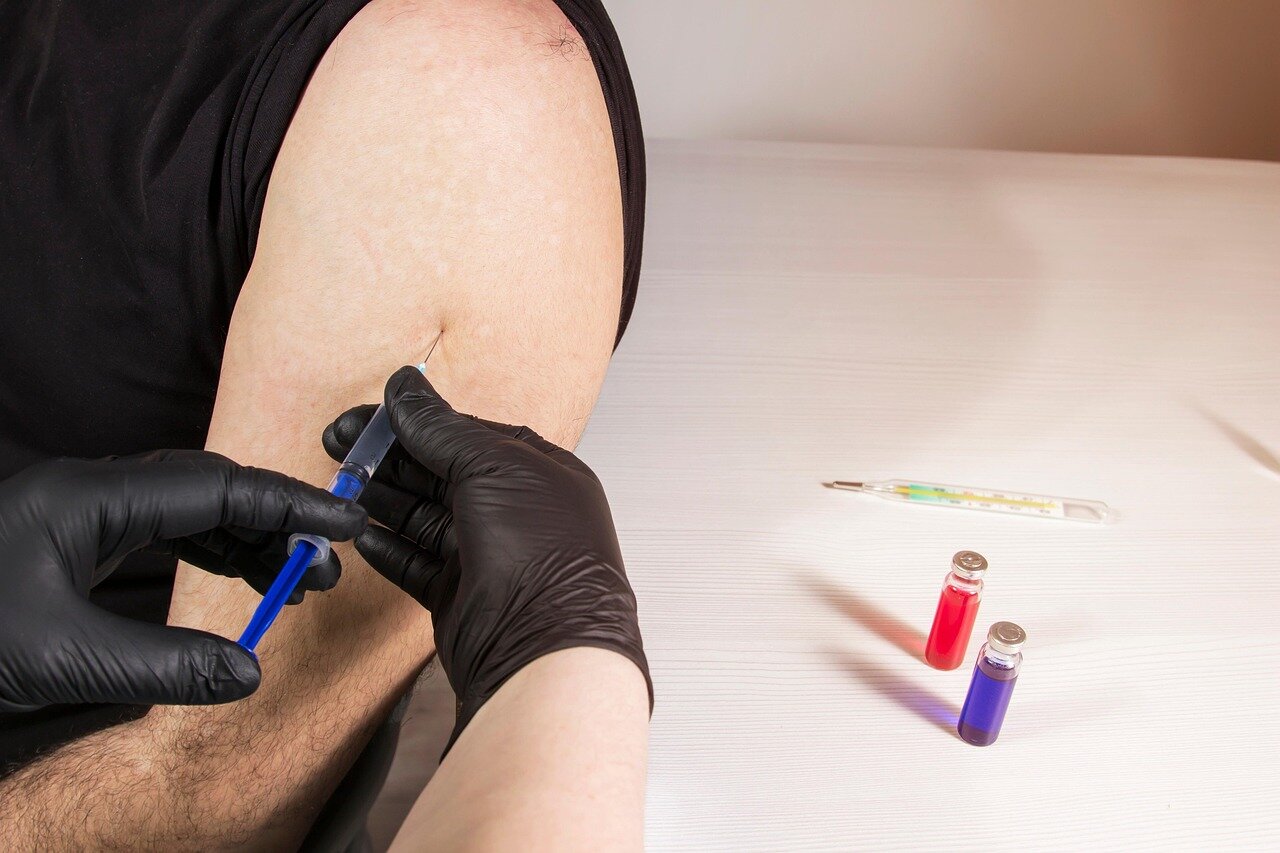
Pharmaceutical companies, including Pfizer, Moderna, and AstraZeneca, have significant financial stakes in the vaccine rollout. Their interests revolve around profit generation, market share, and public perception. The rapid development of vaccines has raised questions about the balance between innovation and safety, as well as the ethical implications of patent protections versus the need for widespread access in low-income countries.
- Equity in vaccine distribution: Disparities in vaccine access between high-income and low-income countries continue to be a critical issue, raising ethical concerns about global health equity.
- Public trust and vaccine hesitancy: Misinformation and skepticism surrounding vaccine safety have posed challenges to achieving herd immunity, necessitating targeted public health campaigns.
- Legal and regulatory challenges: The accelerated approval processes for vaccines have sparked debates over regulatory standards and the implications for future vaccine development.
- Economic implications: The economic recovery from the pandemic is closely tied to vaccination rates, influencing government policies and funding for public health initiatives.
As the vaccine rollout continues, the interplay between these stakeholders and the issues at hand will be critical in shaping the future of public health responses to pandemics. Understanding these dynamics allows for a more comprehensive view of the challenges and opportunities that lie ahead.
Impact of the vaccine rollout on public health and society
The rollout of Covid vaccines has had a profound impact on various groups and industries, significantly altering the landscape of public health and societal interactions. Vulnerable populations, such as the elderly and those with pre-existing health conditions, have seen a marked improvement in their health outcomes due to increased vaccination rates. Additionally, frontline healthcare workers have been able to operate with greater confidence as vaccine distribution has mitigated the risk of severe illness.
In terms of industries, the travel and hospitality sectors have experienced a resurgence as vaccination campaigns have led to the easing of restrictions. This has resulted in a rebound in tourism, allowing businesses to recover from the economic downturn caused by the pandemic. Regions that heavily rely on tourism have particularly benefited, with increased foot traffic and consumer spending revitalizing local economies.
However, the rollout has not been without its challenges. Disparities in vaccine access have created a divide between urban and rural areas, as well as between developed and developing nations. This inequity poses a risk of prolonged outbreaks in under-vaccinated regions, potentially leading to new variants of the virus. Furthermore, vaccine hesitancy among certain populations can hinder overall immunity levels, complicating the path to herd immunity.

- Short-term impacts: Increased public confidence, resurgence of travel and hospitality, and improved health outcomes for vulnerable groups.
- Mid-term impacts: Potential economic recovery for affected industries, ongoing public health policy adjustments, and the need for continued public education on vaccination.
- Risks: Vaccine inequity, potential for new variants, and public hesitancy affecting herd immunity.
- Opportunities: Strengthening of healthcare systems, innovation in vaccine technology, and enhanced global collaboration on health initiatives.
Overall, the vaccine rollout represents a critical turning point in the fight against Covid-19, with implications that extend far beyond immediate health outcomes, influencing economic recovery and societal norms for years to come.
A: The vaccine rollout encountered logistical challenges, vaccine hesitancy, and disparities in access among different populations. A: Governments implemented various strategies, including partnerships with private sectors and public awareness campaigns to improve access and acceptance. A: Rapid development of vaccines, global collaboration among scientists, and effective communication played crucial roles in the successful rollout. A: The inquiry report provides insights into the successes and lessons learned, which can guide future public health initiatives. A: The findings are expected to shape policies and strategies for future vaccination campaigns, ensuring better preparedness for similar public health emergencies.
Frequently asked questions about the Covid vaccine rollout
Key takeaways and future outlook on vaccine distribution
The rollout of Covid vaccines has been hailed as an extraordinary achievement, showcasing the power of global collaboration and scientific innovation. As the inquiry report highlights, the rapid development and distribution of vaccines have not only saved countless lives but have also set a precedent for future public health initiatives. However, the report also emphasizes the need for ongoing vigilance and adaptation in response to emerging variants and public hesitancy.
Looking ahead, it is crucial to focus on equitable distribution, continuous monitoring of vaccine effectiveness, and addressing misinformation to maintain public trust. The lessons learned from this pandemic can inform strategies for future health crises, ensuring that we are better prepared to respond swiftly and effectively.
- Equity in Vaccine Access: Continued efforts are needed to ensure vaccines reach underserved populations globally.
- Monitoring Variants: Ongoing surveillance of virus mutations will be essential to adapt vaccines and treatment protocols.
- Public Education: Combatting misinformation through transparent communication will help sustain public confidence in vaccination efforts.
- Preparedness for Future Pandemics: Establishing frameworks for rapid response to emerging health threats can enhance resilience.
- Collaboration Across Borders: Strengthening international partnerships will be vital in addressing future global health challenges.