


Currently, SpaceX is at the forefront of several high-profile projects, including the Starship program and the ongoing missions to the International Space Station (ISS). With the recent successful launch of the Starship prototype in 2023, the company is poised to advance its plans for crewed missions to Mars, further solidifying its vision of making life multi-planetary.
The contributions of early employees are often overshadowed by the public success of the company; however, their experiences shed light on the challenges faced during the initial phases of development. The first employee’s involvement in early rocket designs and testing protocols helped shape the innovative spirit that is now synonymous with SpaceX.
Understanding the history and evolution of key players like SpaceX is vital, especially when considering other significant projects in space exploration, such as the recent NASA missions to the International Space Station.
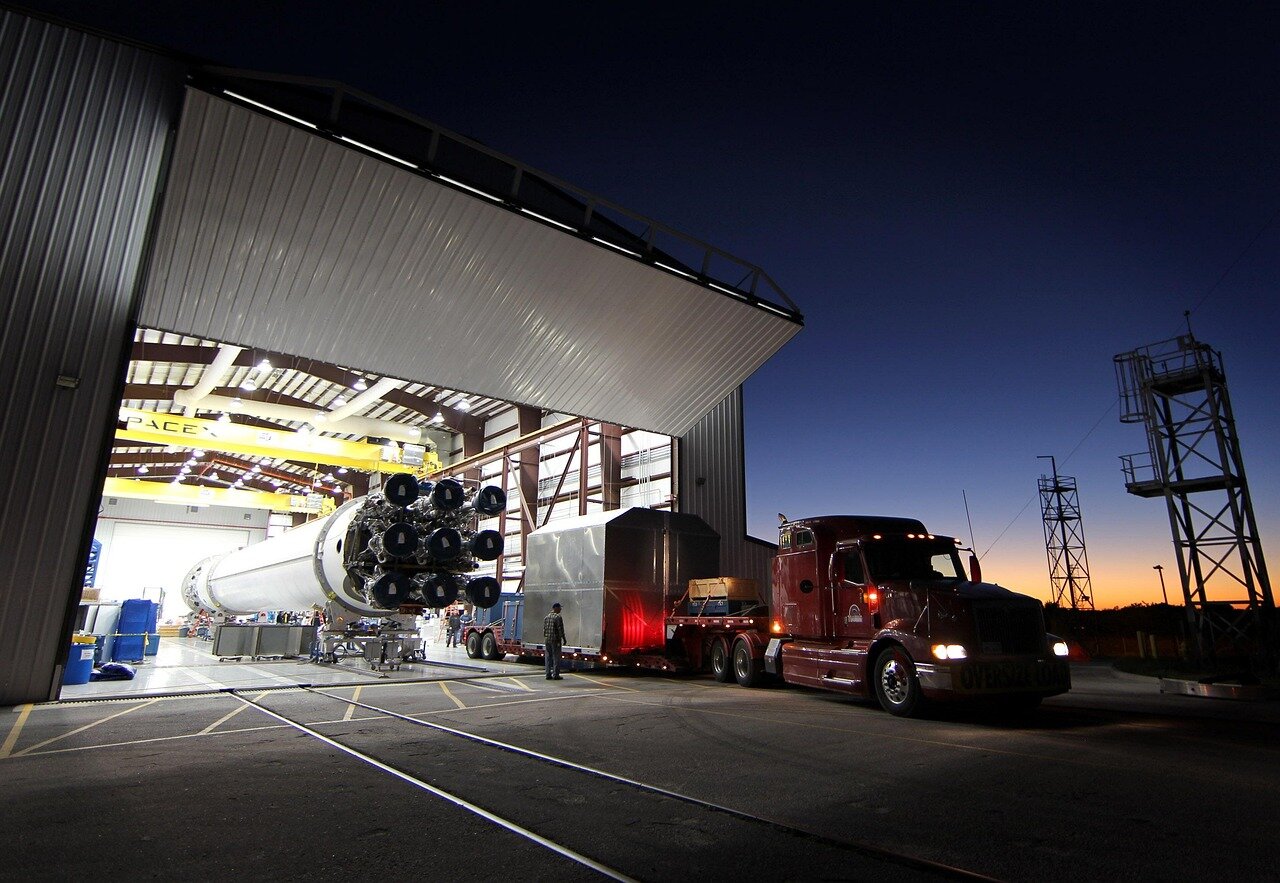
The Founding of SpaceX and Its Vision
SpaceX, officially known as Space Exploration Technologies Corp., was founded in March 2002 by Elon Musk with the ambitious goal of reducing space transportation costs to enable the colonization of Mars. At the time, the aerospace industry was dominated by government contracts and traditional aerospace giants, making it difficult for new entrants to make their mark. Musk’s vision was to revolutionize space travel by creating a more efficient and cost-effective approach to rocket design and manufacturing.
In the early 2000s, the landscape of space exploration was shifting. The end of the Cold War had led to a decrease in government funding for space programs, while private companies began to explore commercial opportunities in space. Musk recognized this gap and sought to leverage advancements in technology and materials to create a new paradigm in space exploration. His commitment to innovation and his willingness to take risks were pivotal in establishing SpaceX as a key player in the industry.
Key Milestones in SpaceX’s Journey
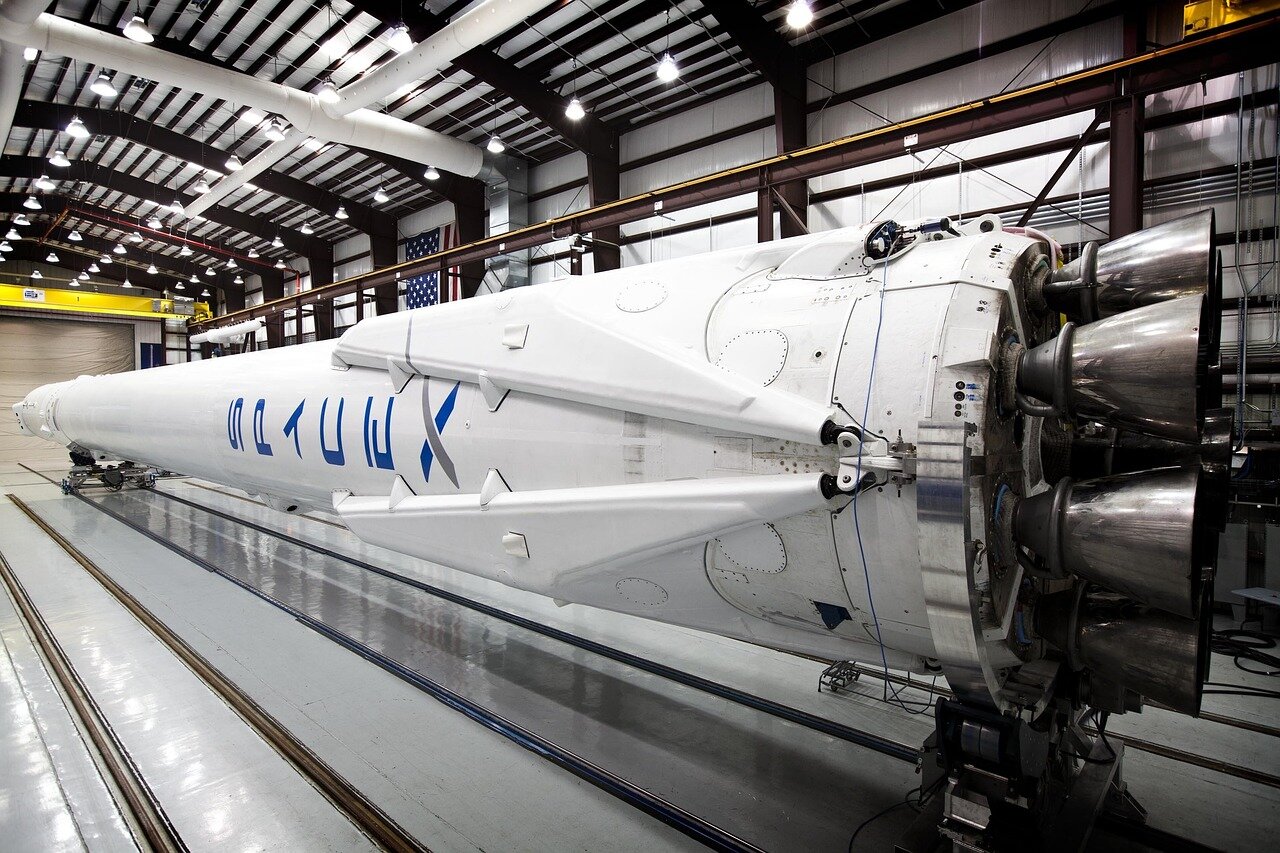
This achievement was followed by a series of successful launches and the development of the Falcon 9 rocket, which became known for its reusability, making it a noteworthy advancement in the context of future lunar missions.
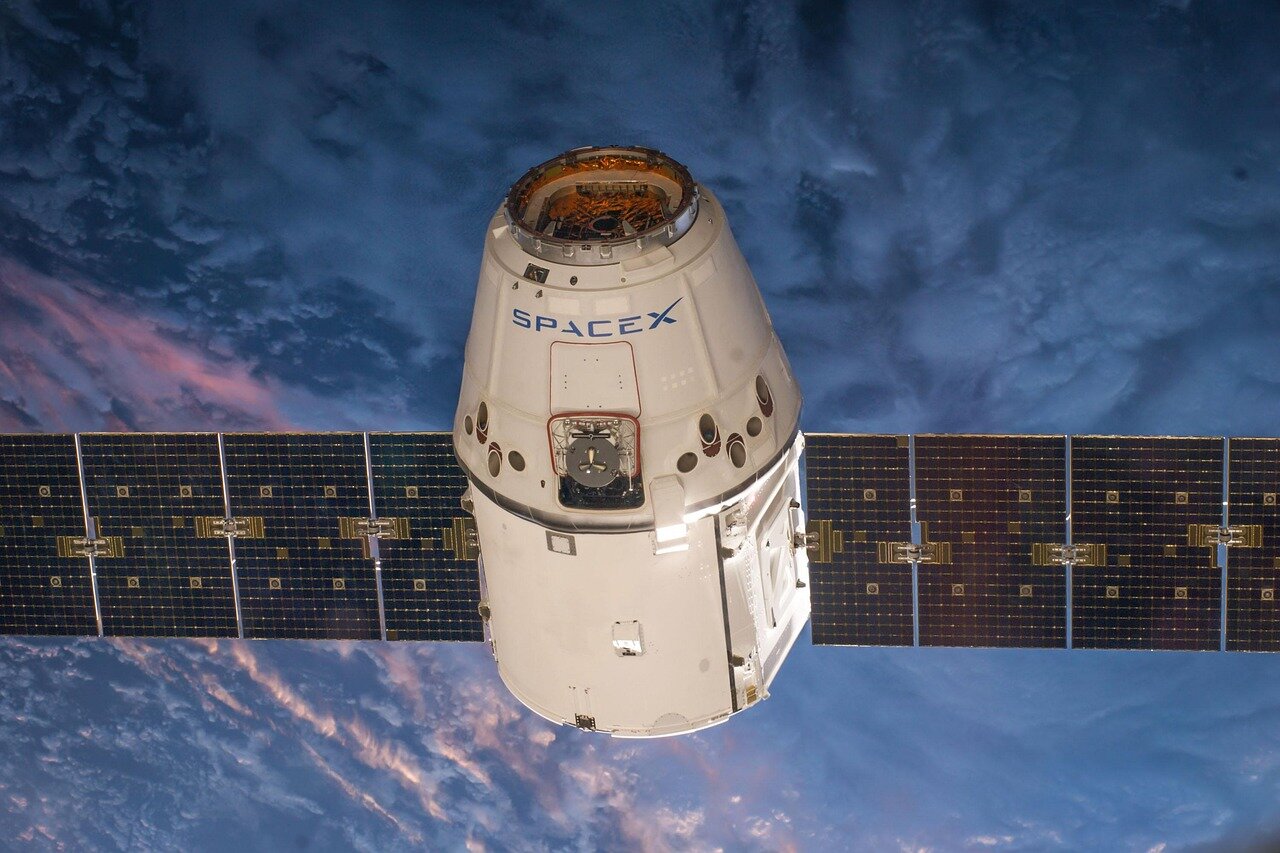
In 2012, SpaceX made history by becoming the first private company to send a spacecraft, the Dragon, to the International Space Station (ISS). This accomplishment not only validated Musk’s vision but also opened the door for further commercial partnerships with NASA and other organizations. Over the years, SpaceX has continued to push boundaries with the development of the Starship rocket, aimed at enabling human settlement on Mars, solidifying its position as a leader in the aerospace sector.
The impact of SpaceX extends beyond technological advancements; it has also influenced the political and economic landscape of space exploration. By demonstrating the viability of private-sector involvement in space, SpaceX has inspired a new wave of startups and encouraged government agencies to collaborate with private companies, fostering a more dynamic and competitive environment in the aerospace industry.
Key Challenges Faced in the Early Days
In the formative years of SpaceX, several key stakeholders played critical roles in shaping the company’s direction and overcoming challenges. The main actors included Elon Musk, as the founder and CEO, early employees, investors, and regulatory bodies. Each of these stakeholders had distinct interests that influenced the company’s trajectory.
Early employees, often referred to as the backbone of the company, were driven by a mix of passion for aerospace innovation and the desire for job security in a high-risk startup environment, much like those in other innovative sectors showcased in cutting-edge technology reviews.
Investors, including venture capitalists and private equity firms, were primarily concerned with the financial viability of SpaceX. Their interests often conflicted with Musk’s long-term vision, as they sought quicker returns on their investments. This tension highlighted the trade-offs between innovation and profitability, posing challenges for the company’s growth.
- Regulatory Challenges: SpaceX faced numerous regulatory hurdles from government agencies such as the Federal Aviation Administration (FAA), which impacted launch schedules and operational capabilities.
- Funding Issues: Securing adequate funding was a constant struggle, leading to difficult decisions about scaling operations and hiring.
- Technological Risks: The development of new rocket technology involved significant risks, with potential failures that could jeopardize investor confidence and employee morale.
- Market Competition: Competing with established aerospace companies posed additional pressure, as SpaceX needed to prove its capabilities in a market dominated by legacy players.
- Public Perception: Building a positive public image was essential for attracting talent and investment, requiring effective communication of the company’s vision and achievements.
These key issues not only defined the early challenges faced by SpaceX but also illustrated the intricate web of interests and conflicts among stakeholders. Understanding this dynamic is crucial for appreciating the company’s evolution and its impact on the aerospace industry.
How the First Employee Shaped SpaceX’s Culture
The journey of SpaceX, from a small startup to a leader in the aerospace industry, has significantly impacted various groups, industries, and regions. The first employee played a pivotal role in establishing a culture of innovation and resilience that resonates throughout the organization today. This culture not only influenced the internal dynamics at SpaceX but also reverberated across the wider aerospace sector and beyond.
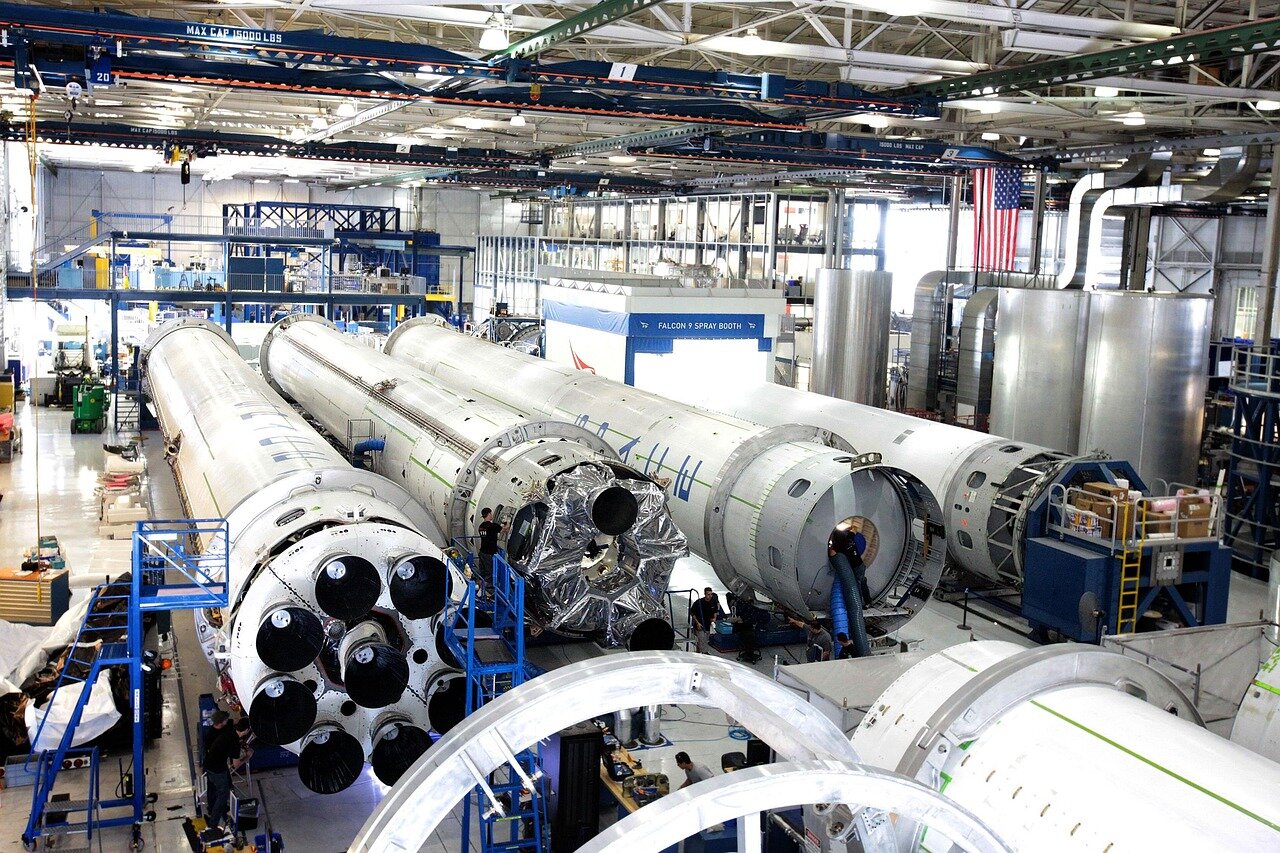
In the short term, the direct impact of SpaceX’s growth can be seen in the local economy of Hawthorne, California, where the company is headquartered. As SpaceX expanded, it created thousands of jobs, both directly and indirectly, benefiting local businesses and service providers. The influx of talent and investment has also attracted other tech companies and startups to the region, fostering a vibrant ecosystem of innovation.
Mid-term effects are evident in the aerospace industry as a whole. SpaceX’s success has prompted traditional aerospace companies to rethink their strategies, leading to increased competition and innovation. This shift has the potential to lower costs for satellite launches and space travel, making space more accessible to a broader audience. However, it also poses risks for established companies that may struggle to adapt to the rapidly changing landscape.
- Job Creation: Significant employment opportunities in aerospace and related sectors.
- Economic Growth: Boost to local economies through increased business activity.
- Innovation Pressure: Encouragement for legacy companies to innovate or risk obsolescence.
- Policy Changes: Potential shifts in regulatory frameworks to accommodate new technologies.
Moreover, the cultural influence of the first employee at SpaceX extends beyond immediate economic impacts. It has inspired a new generation of engineers and entrepreneurs, fostering interest in STEM fields. This cultural shift could lead to long-term educational initiatives and partnerships aimed at cultivating talent in the aerospace sector, ultimately shaping the future of space exploration.
A: SpaceX aimed to reduce space transportation costs to enable the colonization of Mars. The vision was ambitious, focusing on innovation and reusability. A: The first employee encountered numerous challenges, including limited resources, high expectations, and the need to establish a strong company culture from scratch. A: By laying the groundwork for operational processes and fostering a collaborative environment, the first employee played a crucial role in SpaceX’s early achievements. A: The first employee helped instill a culture of innovation and resilience, encouraging team members to embrace challenges and think outside the box. A: While the first employee has moved on to other ventures, their contributions continue to influence SpaceX’s operations and ethos.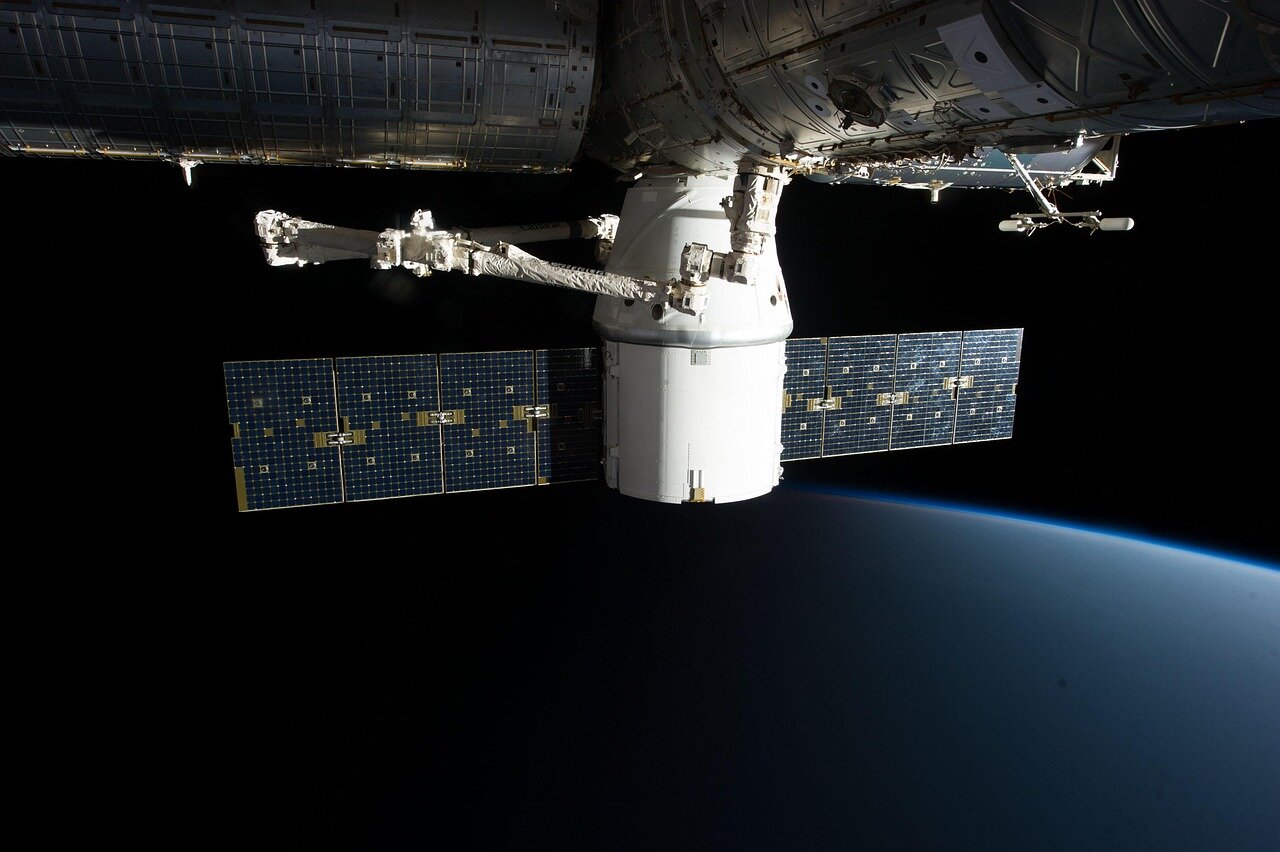
Frequently Asked Questions About SpaceX’s First Employee
Looking Ahead: The Legacy of SpaceX’s First Employee
The journey of SpaceX’s first employee offers a unique glimpse into the early days of a company that has redefined space exploration. This narrative not only highlights the challenges and triumphs faced during its inception but also underscores the innovative spirit that drives the aerospace industry forward. As SpaceX continues to push boundaries, the lessons learned from its foundational period remain relevant for both emerging startups and established companies in the tech sector.
Observing the trajectory of SpaceX, it becomes evident that the principles of resilience, adaptability, and visionary leadership are crucial for success. The experiences of its first employee serve as a reminder of the importance of fostering a culture that embraces risk-taking and encourages collaboration, ultimately shaping the future of technology and exploration.
- Emphasize Innovation: Companies should prioritize a culture of innovation to stay competitive in rapidly evolving industries.
- Leverage Early Experiences: Startups can benefit from the lessons learned by pioneers to navigate their own challenges effectively.
- Foster Collaboration: Encouraging teamwork and open communication can lead to breakthroughs and enhance problem-solving capabilities.
- Embrace Risk: Accepting calculated risks is essential for driving progress and achieving significant milestones.
- Focus on Visionary Leadership: Leaders should cultivate a clear vision that inspires and motivates teams to pursue ambitious goals.