


The planned launch was set to be a critical test for the Starship spacecraft, which is designed for missions to the Moon and Mars. However, sources indicate that the timing of the share sale, expected to take place in early November, influenced the decision to delay the launch, as the company seeks to stabilize its financial position.
Elon Musk, the CEO of SpaceX, has emphasized the importance of securing funding to facilitate ongoing development and operational costs. The upcoming share sale is seen as a pivotal moment for the company, potentially impacting its ability to compete in the rapidly evolving aerospace industry.
As SpaceX navigates this financial landscape, industry experts are closely monitoring the situation. The delay not only affects the company’s immediate plans but may also have broader implications for its future projects and partnerships within the space sector.
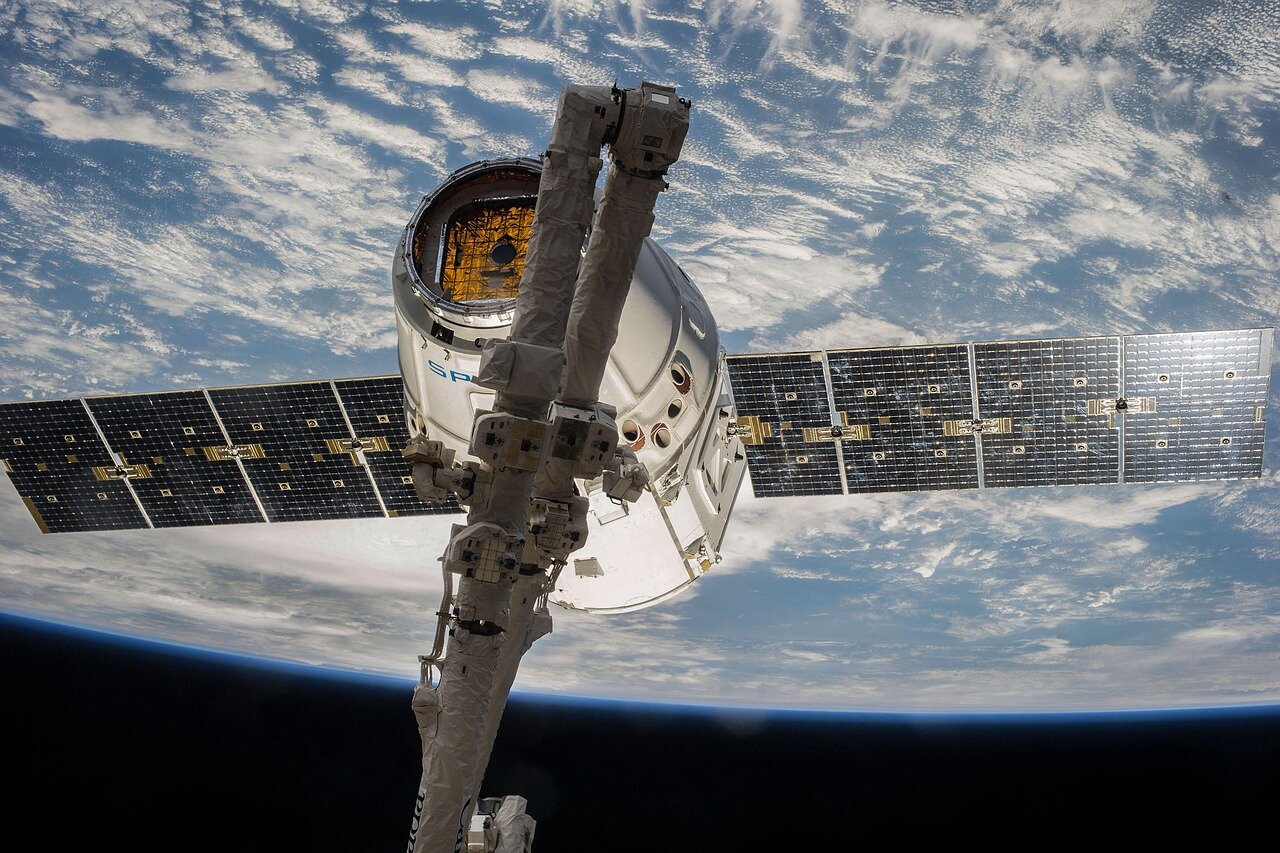
Understanding the background of SpaceX’s launch plans
SpaceX, founded by Elon Musk in 2002, has been at the forefront of the commercial space industry, aiming to reduce space transportation costs and enable the colonization of Mars. Over the years, the company has achieved significant milestones, including the first privately-funded spacecraft to reach orbit and the first to deliver cargo to the International Space Station. These achievements have positioned SpaceX as a leader in space exploration and technology.
The Starship program, which aims to develop a fully reusable spacecraft capable of carrying both crew and cargo to a variety of destinations, has been a critical part of SpaceX’s long-term vision. However, the journey to launch has not been without challenges. Regulatory hurdles, technical setbacks, and environmental concerns have plagued the program, leading to multiple delays in launch schedules.
Currently, the postponement of the Starship launch comes at a time when SpaceX is preparing for a significant share sale. This financial move is expected to raise capital for future projects, including the ambitious Starship program. Investors are closely watching how these developments unfold, as the success of the launch could have a substantial impact on the company’s valuation and investor confidence.
Key Milestones in SpaceX’s Journey
Throughout its history, SpaceX has reached various key milestones that have shaped its current trajectory. The successful launch of the Falcon 1 in 2008, followed by the Falcon 9 and the Falcon Heavy, demonstrated the company’s growing capabilities. The first orbital flight of the Starship prototype in 2020 marked a pivotal moment, showcasing the potential of the spacecraft. However, the series of test flights and subsequent failures highlighted the complexities involved in developing such an advanced vehicle. Each of these milestones has contributed to the current state of the Starship program and the ongoing discussions around its future.
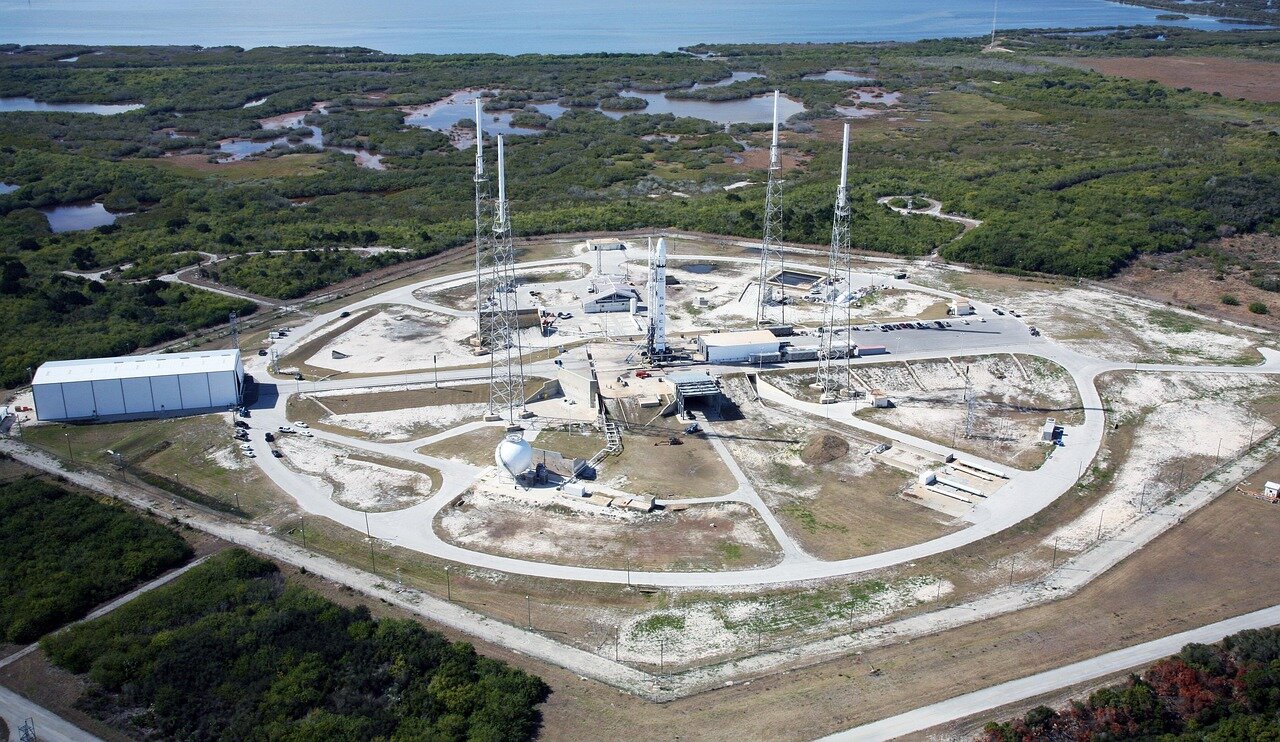
Analyzing the implications for stakeholders and investors
The postponement of SpaceX’s Starship launch is a significant event with varied implications for different stakeholders. Key actors in this scenario include SpaceX, its investors, regulatory bodies, and the broader aerospace industry. Each has distinct interests that influence their reactions to the news.
SpaceX, led by Elon Musk, is primarily focused on advancing its space exploration goals and maintaining its competitive edge in the aerospace sector. The delay may impact its timeline for achieving critical milestones, which could affect investor confidence and future funding opportunities. Investors, including venture capitalists and institutional stakeholders, are keenly watching how this postponement might influence the company’s valuation and its forthcoming mega share sale.
Regulatory bodies, such as the Federal Aviation Administration (FAA), play a crucial role in overseeing space launches. They are interested in ensuring safety and compliance with legal standards. The postponement might indicate potential regulatory concerns or the need for additional assessments, which could lead to further delays and impact the overall launch schedule.
- Investor Concerns: The postponement raises questions about the stability of SpaceX’s operations and its ability to deliver on promises.
- Regulatory Scrutiny: Increased attention from regulatory bodies could lead to stricter compliance requirements that may affect future launches.
- Market Competition: Delays could allow competitors to gain an advantage in the race for commercial space ventures.
- Public Perception: Frequent postponements could harm SpaceX’s reputation and public trust in its capabilities.
- Financial Implications: The timing of the mega share sale may be affected, influencing investor sentiment and market dynamics.
In summary, the interplay of interests among SpaceX, its investors, regulatory authorities, and competitors creates a complex landscape. Each stakeholder’s priorities and concerns will shape their responses to the current situation, highlighting the multifaceted nature of the aerospace industry and the economic implications of such delays.
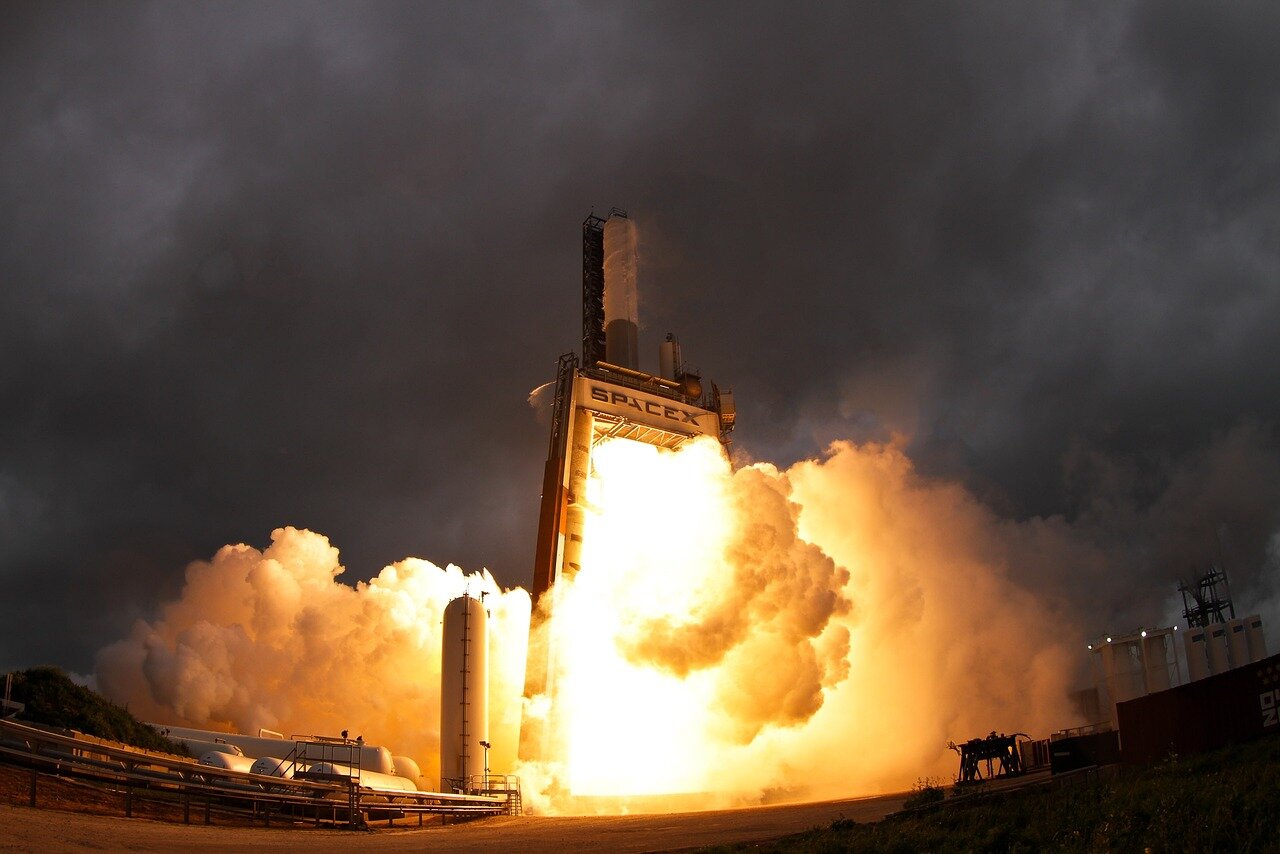
Impact on the aerospace market and SpaceX’s future
The postponement of SpaceX’s Starship launch has significant implications for various stakeholders in the aerospace market. Investors, aerospace companies, and regulatory bodies are among those who may feel the effects of this delay. As SpaceX prepares for a mega share sale, the timing of the launch is crucial for maintaining investor confidence and market momentum.
In the short term, the delay could disrupt production schedules for companies that rely on SpaceX’s launch capabilities, particularly those involved in satellite deployment and research missions. This could lead to a ripple effect in the supply chain, impacting satellite manufacturers, telecommunications companies, and even scientific research institutions that depend on timely access to space.
In the mid-term, the aerospace industry may see a shift in investment strategies as stakeholders reassess the viability of SpaceX’s plans. While some may view the postponement as a risk, others might see it as an opportunity to invest in alternative launch providers or innovative technologies that could fill the gap left by SpaceX’s delay.
- Risks: Potential loss of investor confidence, delays in satellite launches, increased competition from other launch providers.
- Opportunities: Room for new entrants in the market, innovation in launch technologies, potential partnerships among aerospace companies.
Regions heavily reliant on satellite technology, such as those involved in global communications and Earth observation, may experience immediate impacts on their operations. The delay could lead to a temporary halt in projects that depend on the timely deployment of satellites, affecting everything from internet access in remote areas to environmental monitoring efforts.

A: The launch was postponed primarily due to an impending share sale, which has raised concerns about the company’s financial strategy and future operations. A: The delay may impact SpaceX’s timeline for future missions and projects, potentially affecting contracts and partnerships in the aerospace industry. A: Investors may be concerned about the company’s financial health and operational delays, which could influence stock performance and investor confidence. A: A new launch date has not been announced yet, as it will depend on the outcomes of the share sale and other logistical factors. A: The postponement could have ripple effects throughout the aerospace sector, impacting other companies and projects that rely on SpaceX’s technology and launch capabilities.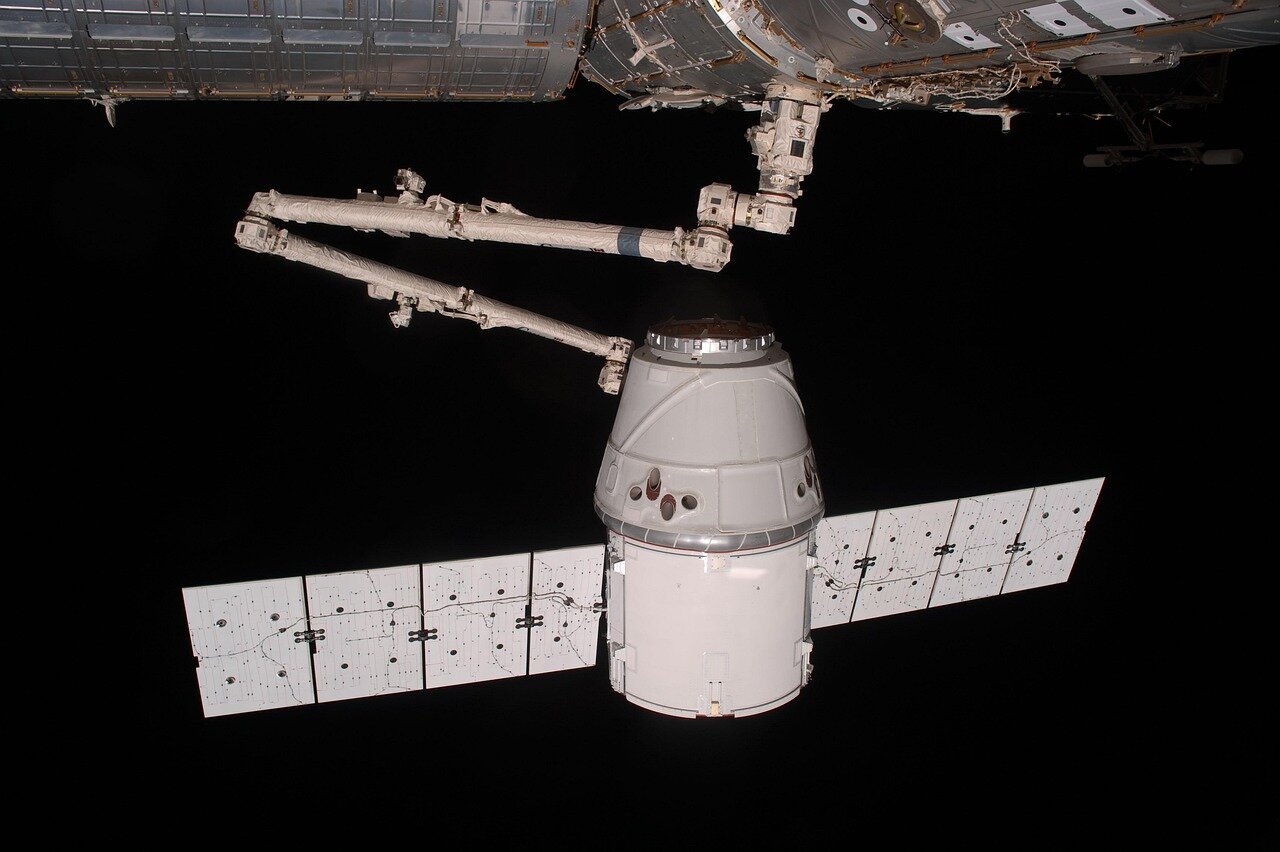
Frequently asked questions about the Starship launch delay
Key takeaways and future outlook for SpaceX
The postponement of SpaceX’s Starship launch amid a significant share sale presents a complex scenario for the aerospace giant. This decision reflects not only internal strategic considerations but also external market conditions that could influence investor sentiment and the company’s future trajectory. As SpaceX navigates this critical period, the implications for its ambitious goals and operational timelines are substantial.
Investors and industry observers should closely monitor how this delay may impact SpaceX’s long-term plans, particularly in relation to its competition and the broader space exploration landscape. The upcoming share sale could provide necessary capital but may also signal shifting priorities within the company.
- Watch for updates on the new launch schedule and its alignment with SpaceX’s overall mission timeline.
- Consider the potential effects of the share sale on investor confidence and market perception of SpaceX’s growth prospects.
- Observe how this delay might influence SpaceX’s competitive position against other aerospace companies.
- Monitor developments in regulatory approvals that could affect future launches and operational capabilities.
- Evaluate the impact of this situation on SpaceX’s partnerships and collaborations within the space industry.