


The symposium features prominent figures from various sectors of the film industry, including directors, producers, and distribution executives. Notable attendees include acclaimed director Christopher Nolan and studio heads from major production companies, all gathered to discuss the future of film and the challenges it faces in a rapidly changing environment. For related insights, you can read about RFK Jr.’s vaccine inquiry.
Key topics on the agenda include the impact of streaming services on traditional cinema, the role of emerging technologies like virtual reality, and the importance of diverse storytelling. By fostering dialogue among industry leaders, the symposium seeks to generate innovative ideas and strategies that can help shape the future of filmmaking.
This gathering is particularly timely as the film industry continues to recover from the disruptions caused by the COVID-19 pandemic. With box office revenues fluctuating and audience habits shifting, the insights shared at this symposium could have lasting implications for how films are produced, marketed, and consumed in the coming years.
As the Cannes Film Festival celebrates its legacy of showcasing cinematic excellence, this symposium represents a critical moment for industry stakeholders to collaborate and envision a sustainable future for film. The discussions held here could set the tone for the next chapter in an industry that has always been at the forefront of cultural expression.

Background on CAA and Finch & Partners Collaboration
Creative Artists Agency (CAA) has long been a powerhouse in the entertainment industry, representing some of the most influential filmmakers and talent across the globe. Established in 1975, CAA has played a pivotal role in shaping Hollywood, not only by negotiating deals but also by guiding the careers of its clients. In recent years, the agency has expanded its focus to include emerging technologies and new media, recognizing the shifting landscape of film and entertainment. This aligns with the innovative approaches highlighted in Sarah Arnold’s recent award.
Finch & Partners, founded by the renowned film producer and entrepreneur Charles Finch, has similarly made its mark by connecting high-profile creatives with opportunities that transcend traditional film paradigms. With a focus on innovation and collaboration, Finch & Partners has been instrumental in fostering dialogue about the future of storytelling in an increasingly digital world. Their partnership with CAA for the Cannes Symposium signifies a mutual recognition of the need to address the evolving challenges and opportunities facing the film industry.
The Evolution of Film in a Changing Landscape
The film industry has undergone significant transformations over the past two decades, driven by technological advancements, changing consumer preferences, and global economic shifts. The rise of streaming platforms has disrupted traditional distribution models, leading to new avenues for content creation and consumption. This evolution has prompted industry leaders to reconsider how films are made, marketed, and experienced.
Key milestones such as the advent of digital filmmaking, the proliferation of online streaming services, and the increasing importance of international markets have all contributed to this dynamic environment. As filmmakers and studio executives gather at the Cannes Symposium, they will explore these changes and their implications for the future of film, aiming to forge strategies that embrace innovation while preserving the artistry that defines the medium.
The collaboration between CAA and Finch & Partners represents a proactive approach to navigating these complexities. By bringing together top filmmakers and studio executives, the symposium aims to spark meaningful conversations that could shape the next era of filmmaking, highlighting the importance of collaboration in an industry that thrives on creativity.

Key Stakeholders and Issues Addressed at the Symposium
The Cannes Symposium on the Future of Film, organized by CAA in collaboration with Finch & Partners, attracted a diverse array of stakeholders from the film industry. Key participants included prominent filmmakers, studio executives, and industry analysts, all converging to discuss the evolving landscape of cinema. Their collective insights are crucial for understanding the future trajectory of film production and distribution, much like the discussions surrounding David Attenborough’s celebration.
Among the principal actors are major film studios such as Warner Bros., Universal Pictures, and independent production companies. These organizations are primarily interested in adapting to changing consumer behaviors and technological advancements. The rise of streaming services has significantly impacted traditional box office revenues, prompting studios to reassess their strategies for content creation and distribution.
Another critical stakeholder group is the filmmakers themselves, including directors, producers, and screenwriters. Their interests often revolve around creative freedom, fair compensation, and the ability to reach audiences effectively. The symposium provided a platform for these artists to voice their concerns about the challenges posed by the increasing commercialization of film and the need for artistic integrity.
- Economic Issues: The transition to digital platforms raises questions about revenue sharing and profitability for both studios and filmmakers.
- Legal Challenges: Intellectual property rights and distribution agreements are becoming more complex as the industry evolves.
- Trade-offs in Content Creation: Balancing commercial viability with artistic expression remains a contentious issue among stakeholders.
- Global Market Dynamics: The impact of international markets on local film industries and content diversity is a growing concern.
- Technological Innovations: The role of new technologies, such as virtual reality and AI, in shaping the future of storytelling and audience engagement.
These discussions reflect a broader trend in the film industry towards collaboration and innovation, as stakeholders seek to navigate the complexities of a rapidly changing environment. The insights gained from the symposium will likely influence strategic decisions in the coming years, shaping not only the future of individual organizations but the industry as a whole.
Potential Impact on the Film Industry and Market Trends
The recent symposium organized by CAA in collaboration with Finch & Partners has brought together some of the most influential filmmakers and studio executives in the industry. This gathering is poised to affect various stakeholders, including independent filmmakers, major studios, and streaming platforms. The discussions will likely influence not only production strategies but also distribution models and audience engagement methods.

In the short term, filmmakers and studios may experience shifts in project funding and development priorities. As industry leaders share insights and strategies, there could be an immediate push towards innovative storytelling and technology integration, potentially changing the types of projects that receive backing. This could lead to a more diverse range of films, appealing to broader audiences.
Mid-term impacts may include changes in business practices across the industry. The insights gained from the symposium could result in new partnerships between traditional studios and emerging tech companies, fostering collaboration on projects that utilize cutting-edge technology, such as virtual reality or augmented reality. This shift could create new revenue streams and enhance audience experiences.
- Risks: Traditional studios may struggle to adapt to rapid changes, risking obsolescence.
- Opportunities: Independent filmmakers could gain increased access to funding and distribution channels.
- Market Dynamics: Streaming platforms might need to innovate to remain competitive as new trends emerge.
Regions with strong film industries, such as Hollywood, Europe, and emerging markets in Asia, will likely feel the effects of these discussions. As filmmakers explore new narratives and audience engagement strategies, local cultures may be represented more prominently, enriching the global film landscape while also presenting challenges in terms of cultural authenticity and representation.
A: The Cannes Symposium aims to bring together industry leaders to discuss the future of film, including trends, challenges, and opportunities in the evolving landscape. A: The symposium features top filmmakers, studio executives, and industry experts, all contributing their insights and experiences to shape the future of cinema. A: By facilitating discussions among influential figures, the symposium can lead to new collaborations, innovative ideas, and strategies that impact the industry at large. A: The symposium is held during the Cannes Film Festival, a prestigious event that attracts global attention from the film community. A: Topics may include advancements in technology, changes in audience behavior, and the overall direction of storytelling in film.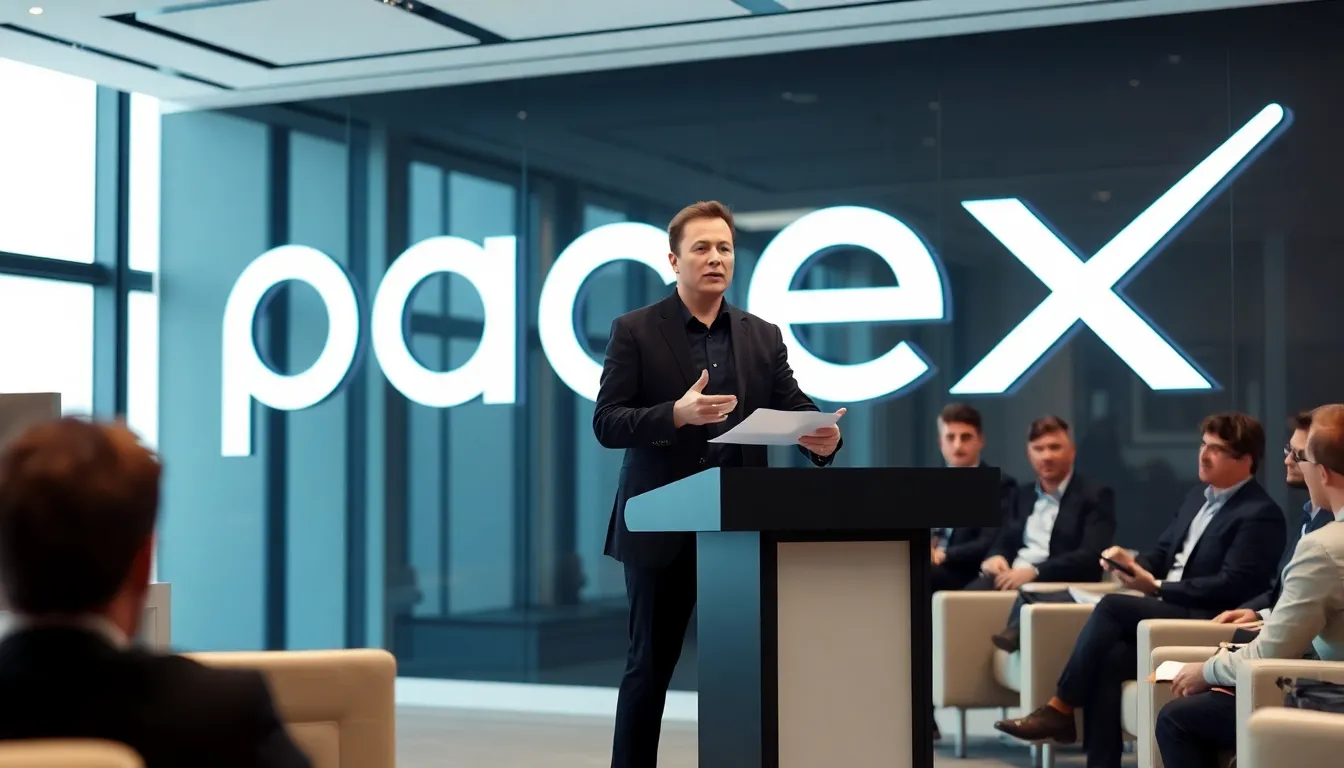
Frequently Asked Questions About the Symposium
Key Takeaways and Future Outlook for the Film Industry
The recent symposium hosted by CAA and Finch & Partners at Cannes highlighted the evolving landscape of the film industry, emphasizing the need for adaptability and innovation. As filmmakers and studio executives gathered to discuss future trends, several themes emerged that could shape the trajectory of film production and distribution in the coming years.
Key discussions centered around the integration of technology in storytelling, the importance of diverse narratives, and the potential for new business models that prioritize audience engagement. These insights suggest a transformative period ahead for filmmakers and studios as they navigate the challenges and opportunities presented by a rapidly changing environment.
- The adoption of advanced technologies, such as AI and virtual reality, will play a crucial role in enhancing storytelling and viewer experience.
- Increased focus on diverse voices and narratives is likely to attract broader audiences and foster greater inclusivity within the industry.
- New business models, including subscription-based services and direct-to-consumer platforms, may redefine traditional distribution channels.
- Collaboration between filmmakers and tech companies could lead to innovative projects that push the boundaries of creative expression.
- Monitoring audience preferences and engagement metrics will be essential for studios to remain competitive and relevant in the market.