


The Premier League’s investigation, which began in 2018, is one of the most extensive in the league’s history. If found guilty, Manchester City could face severe penalties, including points deductions or even expulsion from the league. This unprecedented case raises questions about the integrity of financial practices in football and the potential for a shift in power dynamics within the league. For insight into how these issues play out in real-life scenarios, you might want to read about What Man City’s FA Cup win means for Premier League places in Europe.
Manchester City has vehemently denied the charges, asserting that they have acted in good faith and that the allegations are unfounded. The club has expressed confidence in its position and plans to contest the charges vigorously, highlighting the complexities involved in financial regulations and the interpretation of compliance.
The outcome of this case could have far-reaching consequences, not only for Manchester City but also for the broader landscape of English football. As clubs navigate financial pressures and compliance with regulations, the situation serves as a critical juncture that could redefine how financial integrity is maintained in the sport.
Background on the financial regulations in football and the significance of the charges
Football, like many professional sports, has long been subject to financial regulations aimed at ensuring fair play and financial sustainability. These regulations have evolved over the years, particularly with the introduction of UEFA’s Financial Fair Play (FFP) rules in 2011. The primary goal of FFP is to prevent clubs from spending beyond their means and to promote financial stability across the sport. The significance of these regulations cannot be overstated, as they aim to level the playing field and maintain competitive balance within leagues.
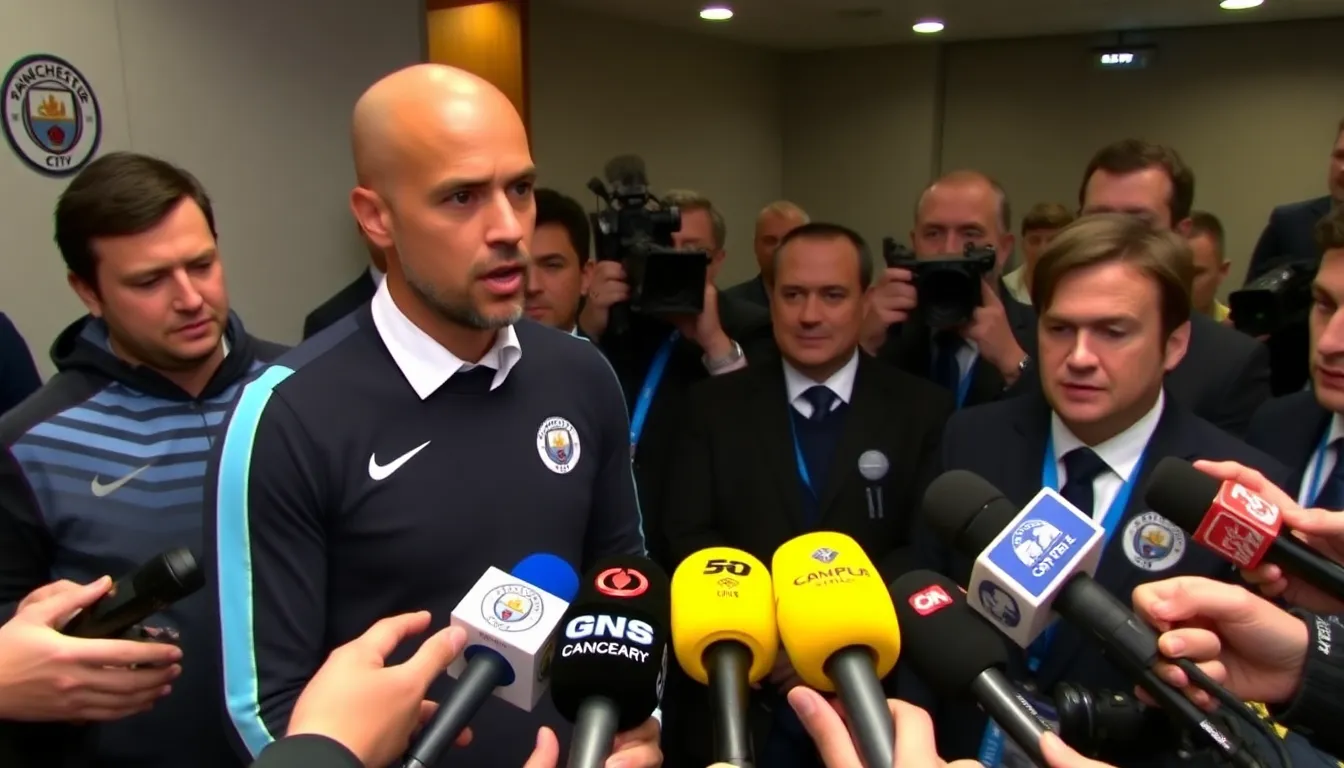
Manchester City, under the management of Pep Guardiola, has emerged as one of the most successful clubs in recent history, winning multiple domestic and international titles. However, their success has been clouded by allegations of financial misconduct, leading to a series of charges from the Premier League. The club faces 115 charges related to breaches of financial regulations, which could potentially alter the narrative of their achievements and impact their legacy within the sport. For a deeper dive into Guardiola’s influence on the club’s success, check out the games that defined Guardiola’s Premier League titles.
The charges against Manchester City are not unprecedented in football. In the past, clubs such as AC Milan and Paris Saint-Germain have faced scrutiny and penalties for financial irregularities. These cases have set important precedents, highlighting the consequences clubs may face if found guilty of violating financial regulations. The outcomes of these cases have often sparked debates about the effectiveness and enforcement of financial rules in football.
Key Milestones in Financial Regulation
Several key milestones have shaped the landscape of financial regulation in football. The introduction of the Bosman ruling in 1995 allowed players greater freedom of movement and changed the dynamics of player transfers, leading to increased spending by clubs. In response, governing bodies implemented stricter financial controls, culminating in the establishment of FFP. As Manchester City navigates this current crisis, the club’s history and the broader context of financial regulation will play a crucial role in determining the outcome of the charges and the potential rewriting of their history.
Analyzing the stakeholders involved and the key issues at play
The situation surrounding Manchester City and the 115 charges brought against them involves a complex web of stakeholders, each with their own interests and agendas. Key actors include Manchester City Football Club, governing bodies such as the Premier League and UEFA, as well as fans, sponsors, and the broader football community.
Manchester City, as the central figure in this controversy, is primarily concerned with defending its reputation and maintaining its status in top-tier football. The club’s management is focused on demonstrating compliance with financial regulations to avoid severe penalties, which could include point deductions or expulsion from competitions.
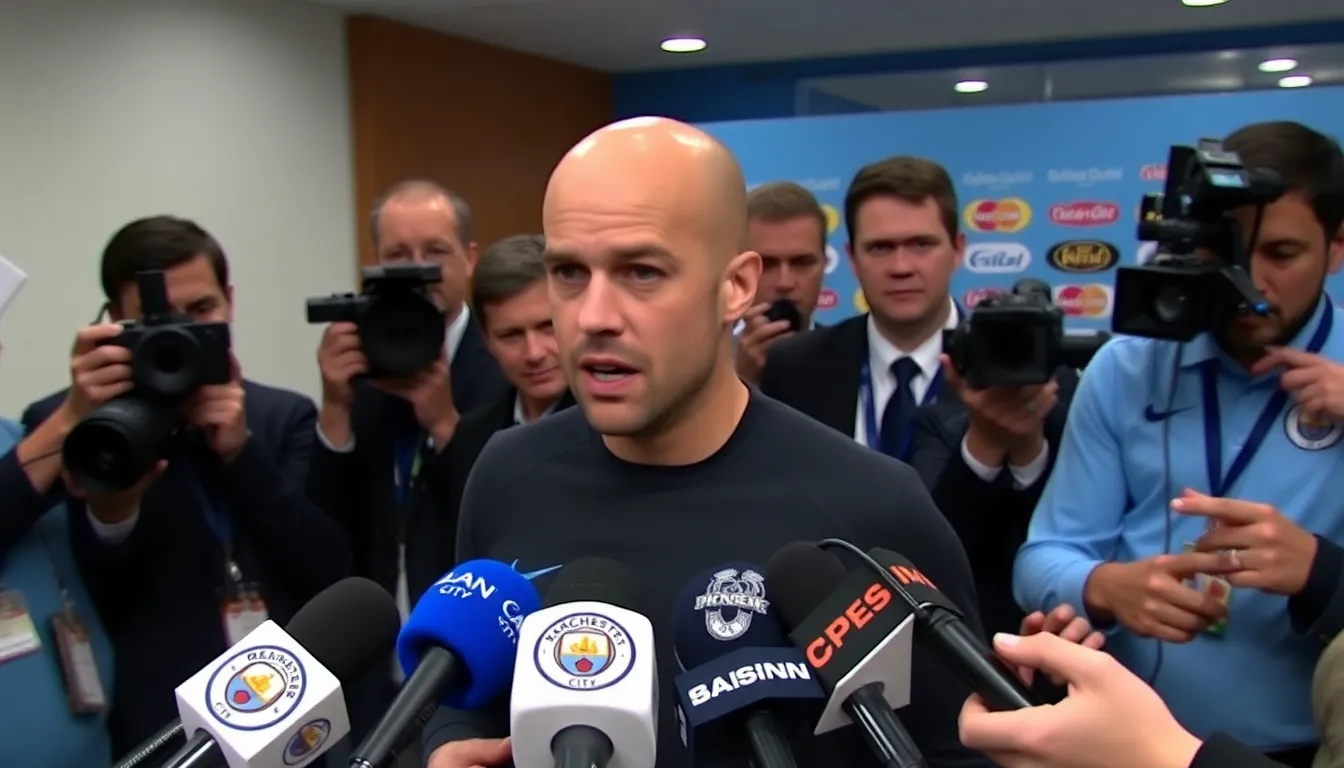
On the other hand, the Premier League and UEFA have vested interests in upholding the integrity of their competitions. They aim to enforce financial fair play rules to ensure a level playing field among clubs, which is crucial for maintaining fan trust and the overall health of the sport. This puts them in a position where they must balance the enforcement of regulations with the potential backlash from fans and sponsors if perceived as overly punitive.
Fans and sponsors represent another critical group of stakeholders. Fans are concerned about the implications of the charges on their club’s future and competitive viability, while sponsors are interested in the financial stability and reputation of the club they associate with. Their support can significantly impact Manchester City’s financial health and marketability.
- Legal ramifications: The potential for significant legal battles could reshape the landscape of financial regulations in football.
- Economic implications: A ruling against Manchester City could have ripple effects on club revenues and the broader football economy.
- Public perception: How the situation is handled will influence public trust in football authorities and the fairness of the sport.
- Future regulations: This case may prompt a reevaluation of financial fair play rules and their enforcement.
Assessing the potential impact on Manchester City, Guardiola, and the football market
The ongoing investigation into Manchester City and the 115 charges they face could have far-reaching implications for various stakeholders within the football ecosystem. Key groups affected include the club’s management, players, fans, sponsors, and rival teams. Each of these entities may experience shifts in their operational landscapes depending on the outcomes of the charges.
In the short term, the uncertainty surrounding the charges could disrupt Manchester City’s performance on the pitch. Players might be distracted, affecting team morale and results. Fans may feel a mix of anxiety and frustration, potentially impacting match attendance and merchandise sales. Moreover, sponsors may reconsider their partnerships, leading to financial repercussions for the club.

In the mid-term, the ramifications could extend to the broader football market. If Manchester City faces severe penalties, such as relegation or points deductions, it could alter the competitive balance within the Premier League. This shift might open doors for other clubs to secure higher positions in the league, changing the dynamics of player transfers and investments across teams.
- Risks: Decreased fan engagement, loss of sponsorships, and potential financial instability for the club.
- Opportunities: For rival clubs to capitalize on a weakened Manchester City, and for regulatory bodies to enforce stricter financial fair play rules.
Additionally, the situation could prompt policy discussions regarding financial regulations in football. Authorities may push for more stringent measures to ensure transparency and fairness, potentially reshaping the landscape for clubs across Europe. This could lead to a more equitable system, but also increase operational challenges for clubs that need to adapt quickly to new regulations.
A: The charges relate to alleged breaches of financial regulations set by the Premier League, including issues of financial fair play and transparency. A: If proven, the charges could lead to severe penalties, including fines, points deductions, or even expulsion from competitions. A: Guardiola, as the team’s manager, may face scrutiny regarding his knowledge of the club’s financial practices and could be impacted by any sanctions imposed. A: The outcome of this case could set a precedent for how financial regulations are enforced in football, affecting clubs’ operations and governance. A: Yes, if the charges lead to penalties, Manchester City may seek to appeal the decisions through legal channels.
Frequently asked questions about the charges and their implications
Key takeaways and future outlook on the situation
The unfolding situation surrounding Manchester City and the 115 charges against them presents a pivotal moment not only for the club but also for the broader landscape of football governance. As the case progresses, the implications for financial regulations, club integrity, and competitive balance in the Premier League could reshape the future of the sport. Observers should remain vigilant as the outcomes may set precedents for how clubs manage their finances and adhere to regulatory frameworks.
Additionally, the potential for appeals and legal battles could extend the timeline of this saga, impacting player morale, fan engagement, and the club’s operational strategies. Stakeholders will need to adapt to the evolving narrative, as the ramifications of the findings could influence transfer policies and investment strategies across the league.
- Regulatory Implications: The case may lead to stricter enforcement of financial regulations across all clubs.
- Impact on Competitive Balance: Depending on the outcomes, other clubs may gain or lose competitive advantages, altering the Premier League hierarchy.
- Legal Precedents: This situation could establish important legal precedents regarding club governance and financial accountability.
- Fan Reactions: The response from fans and sponsors will be crucial in shaping the club’s reputation moving forward.
- Future Investments: How Manchester City navigates this crisis could influence future investment decisions by other clubs.