


Factors contributing to this crisis include economic challenges, social isolation, and the lingering effects of the COVID-19 pandemic. Many individuals in Newcastle’s Burn are grappling with unemployment and financial instability, which can exacerbate feelings of anxiety and depression.
Local organizations and mental health advocates are emphasizing the importance of asking for help, encouraging residents to reach out for support. Initiatives such as community workshops and awareness campaigns are being launched to reduce stigma and promote mental well-being, similar to programs discussed in Embracing Solo Travel and Overcoming Anxiety.
In response to these challenges, the Newcastle City Council has allocated additional funding for mental health programs, aiming to provide accessible resources for those in need. This proactive approach is crucial in addressing the growing mental health crisis and fostering a supportive community environment.
Exploring the background of mental health awareness in Newcastle
Newcastle, a city with a rich industrial heritage, has faced significant challenges regarding mental health awareness over the years. Historically, mental health issues were often stigmatized and misunderstood, leading to a culture of silence and neglect. The lack of understanding surrounding mental health in the past resulted in many individuals suffering in isolation, unable to seek the help they desperately needed.
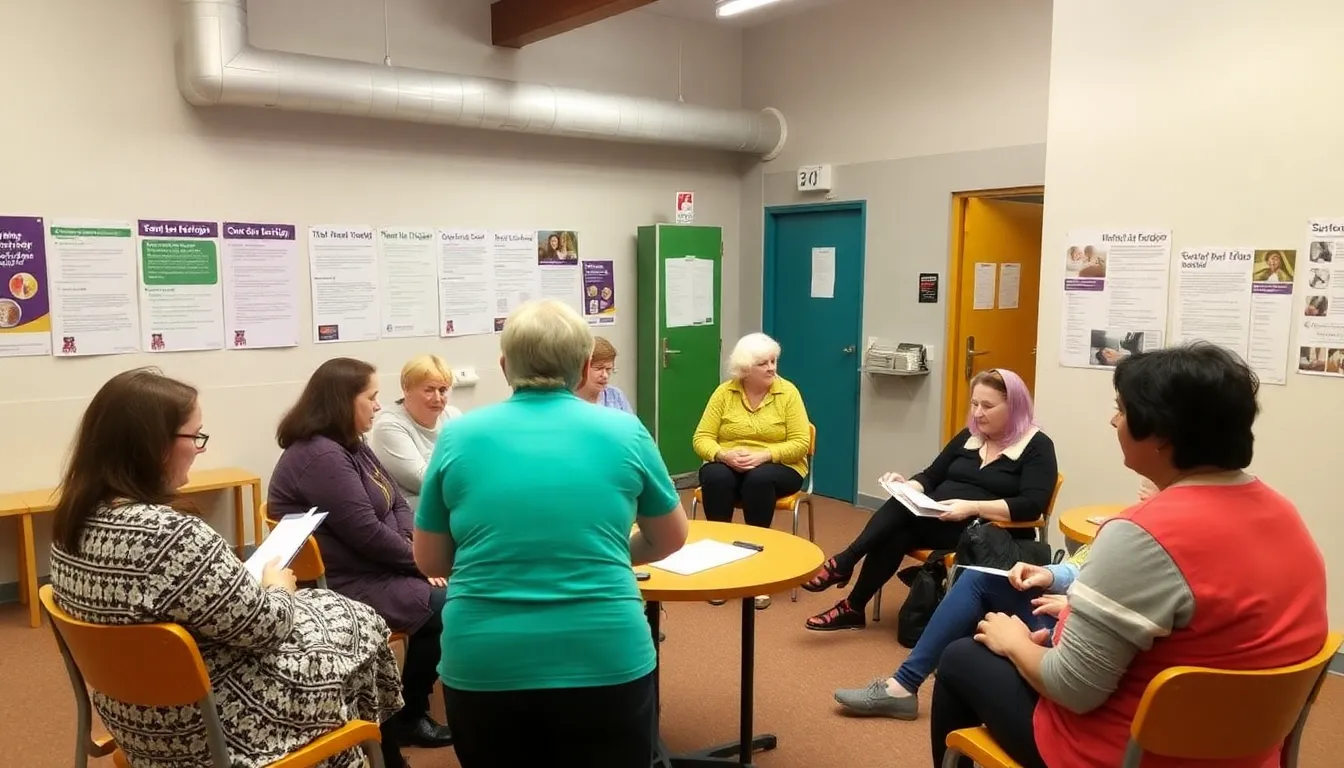
The political landscape has also played a crucial role in shaping mental health services in Newcastle. In the late 20th century, the government’s shift towards community-based care marked a significant milestone. This transition aimed to deinstitutionalize mental health treatment, allowing individuals to receive care in their communities rather than in large psychiatric hospitals, highlighting a broader societal trend discussed in The lollipop people crisis and its reflection on Britain today.
Economically, Newcastle has experienced fluctuations that have impacted mental health services. The decline of traditional industries in the region led to high unemployment rates and economic instability, contributing to increased levels of anxiety and depression among residents. As the community grappled with these economic hardships, the demand for mental health services surged, further straining already limited resources.
The Role of Local Initiatives
In response to the growing mental health crisis, various local initiatives have emerged in Newcastle to promote awareness and encourage individuals to seek help. Campaigns aimed at reducing stigma and fostering open conversations about mental health have gained traction. These initiatives have been instrumental in creating a supportive environment where individuals feel empowered to share their experiences and seek assistance without fear of judgment.
Overall, the journey towards improved mental health awareness in Newcastle has been marked by significant milestones and ongoing challenges. Understanding this context is essential in recognizing the importance of asking for help and the collective efforts needed to support mental well-being in the community.
Key stakeholders and issues surrounding mental health support
In Newcastle, the conversation surrounding mental health and the importance of seeking help involves a diverse array of stakeholders, each with their own interests and perspectives. Key actors include local government bodies, healthcare providers, non-profit organizations, and community groups, all of whom play a crucial role in shaping mental health services and support systems.

The local government is primarily focused on policy-making and funding allocations to ensure adequate mental health services are available to residents. Their interests often conflict with budget constraints and competing priorities, which can lead to insufficient resources for mental health initiatives. This can create a situation where the needs of individuals suffering from mental health issues are not fully met.
Healthcare providers, including hospitals and mental health clinics, have a vested interest in delivering effective care and treatment. However, they face challenges such as staffing shortages and increased demand for services, much like the resource allocation challenges seen in various sectors, including sports, as highlighted in No substitutes in tennis and the injury crisis among British players.
Non-profit organizations and community groups play a vital role in raising awareness and providing support for mental health issues. They often advocate for better services and funding but may experience limitations in their outreach capabilities due to reliance on donations and grants. The trade-off here is between the level of advocacy they can provide and the resources they have at their disposal.
- Local government policies affect funding and accessibility of mental health services.
- Healthcare providers are challenged by staffing and resource limitations.
- Non-profit organizations advocate for mental health awareness but face funding constraints.
- Community groups work to provide peer support but may lack formal recognition and resources.
- Individuals often experience stigma, which can hinder their willingness to seek help.
The impact of mental health struggles on individuals and the community
Mental health issues in Newcastle resonate across various demographics, affecting individuals from all walks of life. Young adults, particularly students and those entering the workforce, often face heightened stress and anxiety, while older populations may struggle with isolation and depression. Additionally, marginalized communities may experience compounded effects due to socioeconomic factors.
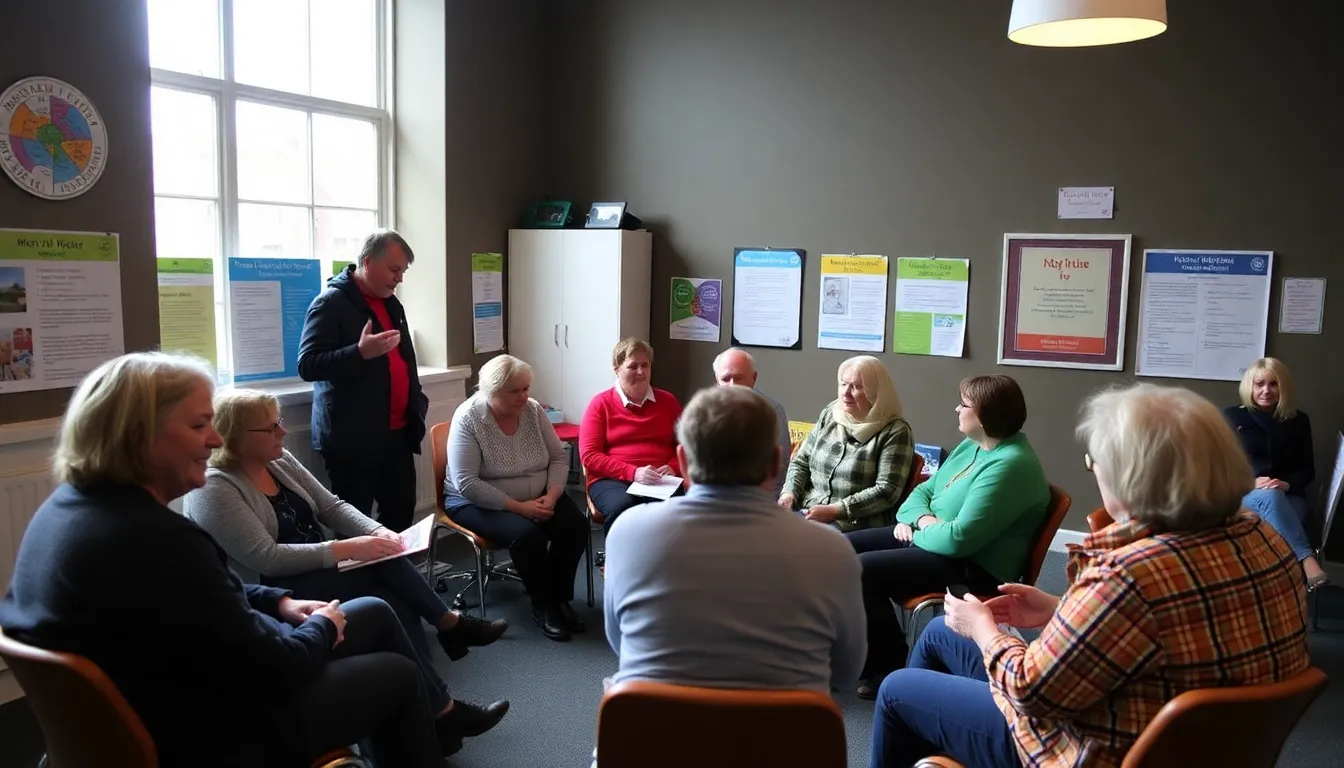
Industries such as healthcare, education, and social services are directly impacted by the rising mental health concerns. Increased demand for mental health services can strain resources, leading to longer wait times and reduced availability of support. In the workplace, employers may see a decline in productivity and an increase in absenteeism as employees grapple with their mental health.
Short-term impacts of these struggles can manifest in daily life through increased stress, strained personal relationships, and a general decline in community well-being. In the mid-term, businesses may need to adapt their policies to accommodate mental health days and implement wellness programs to support employees. This shift can lead to a more supportive work environment, fostering loyalty and reducing turnover.
- Risks: Increased healthcare costs, reduced productivity, and potential legal implications for businesses failing to support mental health.
- Opportunities: Growth in mental health initiatives, community support programs, and a push for policy changes that prioritize mental well-being.
Ultimately, the collective acknowledgment of mental health struggles in Newcastle presents a pivotal moment for both individuals and organizations. By fostering a culture that encourages open dialogue and support, the community can mitigate the negative impacts and harness the potential for positive change.
A: Common signs include persistent sadness, withdrawal from social activities, changes in eating or sleeping patterns, and difficulty concentrating. If you notice these signs in yourself or others, it may be time to seek help. A: Start by expressing your concern in a non-judgmental way. Let them know you are there to listen and support them. Encourage them to talk about their feelings and suggest seeking professional help if they are open to it. A: Newcastle offers various resources including counseling services, helplines, and support groups. Local health services and community organizations can provide information on accessing these resources. A: Asking for help is crucial as it can lead to proper support and treatment. It helps individuals feel less isolated and more empowered to manage their mental health challenges. A: Yes, mental health issues can have a significant impact on physical health, leading to conditions such as heart disease, obesity, and weakened immune systems. Addressing mental health is essential for overall well-being.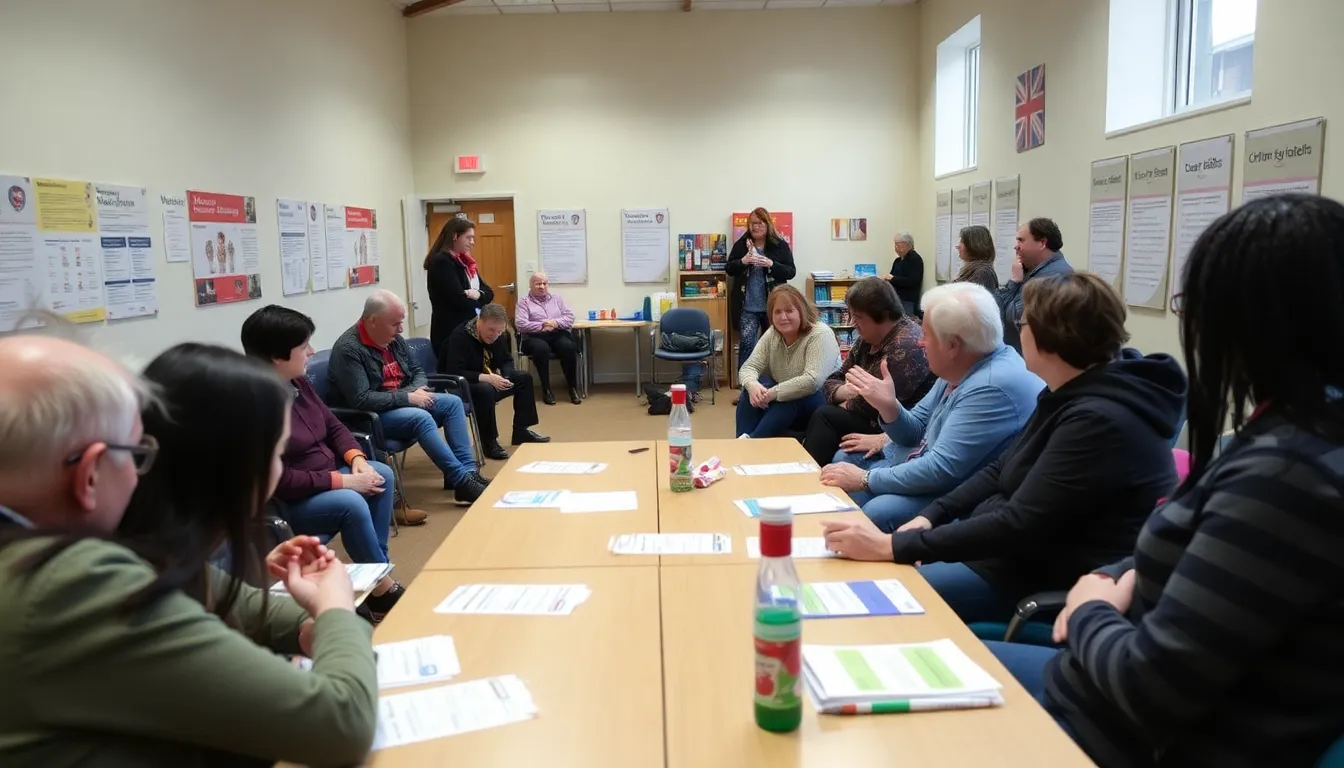
Frequently asked questions about mental health support
Key insights and future outlook on mental health awareness
The recent discussions surrounding Newcastle’s approach to mental health highlight the critical importance of fostering an environment where individuals feel empowered to seek help. As more people open up about their struggles, it becomes evident that mental health is a shared concern that transcends individual experiences. This shift in dialogue not only reduces stigma but also encourages community support systems to flourish.
Looking ahead, the emphasis on mental health awareness is likely to grow, with a focus on integrating mental wellness into everyday conversations and practices. It is essential for both individuals and organizations to recognize the signs of mental distress and to cultivate a culture that prioritizes well-being. By doing so, we can create a more supportive atmosphere that encourages proactive measures in mental health care.
- Encourage open dialogue: Create safe spaces for conversations about mental health in workplaces and communities.
- Promote mental health resources: Ensure easy access to mental health services and information for those in need.
- Train leaders and peers: Equip individuals in positions of influence with the skills to recognize and respond to mental health issues.
- Integrate wellness programs: Advocate for the inclusion of mental health initiatives in schools and organizations to foster resilience.
- Normalize seeking help: Share personal stories and testimonials to inspire others to reach out for support when needed.