


The podcast dedicated to Attenborough’s life and work features notable guests, including conservationists and scientists, who discuss his impact on wildlife awareness and environmentalism. This format allows listeners to engage with his story in a personal and intimate way, reflecting on his journey from broadcasting pioneer to global icon.
His documentaries have played a crucial role in educating the public about these pressing issues, making this centenary an opportunity to reignite conversations about conservation efforts and the future of our planet.
With various events planned around the globe to celebrate his birthday, including screenings of his documentaries and discussions on environmental topics, the podcast serves as a central piece of this broader celebration. It highlights not only his achievements but also the ongoing challenges facing the natural world, encouraging listeners to reflect on their own roles in fostering a sustainable future.
Understanding David Attenborough’s impact on wildlife and broadcasting
Born on May 8, 1926, Attenborough’s career began in the 1950s, a time when television was still in its infancy, setting the stage for a revolution in how wildlife was portrayed on screen, much like the transformations we see in the gaming industry today.

Throughout his career, Attenborough has been a pivotal figure in bringing the beauty and fragility of our planet to the forefront of public consciousness. His landmark series, such as “The Blue Planet” and “Planet Earth,” not only showcased the stunning diversity of life on Earth but also highlighted the urgent need for conservation. These series have won numerous awards and have been viewed by millions worldwide, making Attenborough a household name and a respected voice in environmental advocacy.
His documentaries have often served as a call to action, urging viewers to consider their role in protecting the planet and its inhabitants, similar to how sports personalities use their influence to inspire change.
Milestones in Environmental Awareness
Key milestones in environmental awareness have shaped the context in which Attenborough operates. The publication of “Silent Spring” by Rachel Carson in 1962 is often credited with igniting the modern environmental movement. This was followed by the first Earth Day in 1970, which mobilized millions to advocate for a healthier planet. Attenborough’s documentaries have played a crucial role in continuing this dialogue, effectively bridging the gap between scientific knowledge and public engagement.
As we celebrate Attenborough’s 100th birthday, it is essential to recognize not only his contributions to broadcasting but also his lasting impact on environmental conservation. His life’s work has inspired generations to appreciate the beauty of the natural world and to take action to protect it, making him a pivotal figure in the ongoing fight against climate change and biodiversity loss.
Key themes and messages from the podcast
The podcast celebrating David Attenborough’s birthday highlights several key stakeholders in environmental conservation, including governments, non-governmental organizations (NGOs), scientists, and the general public. Each of these actors has distinct interests that shape their involvement in ecological issues.
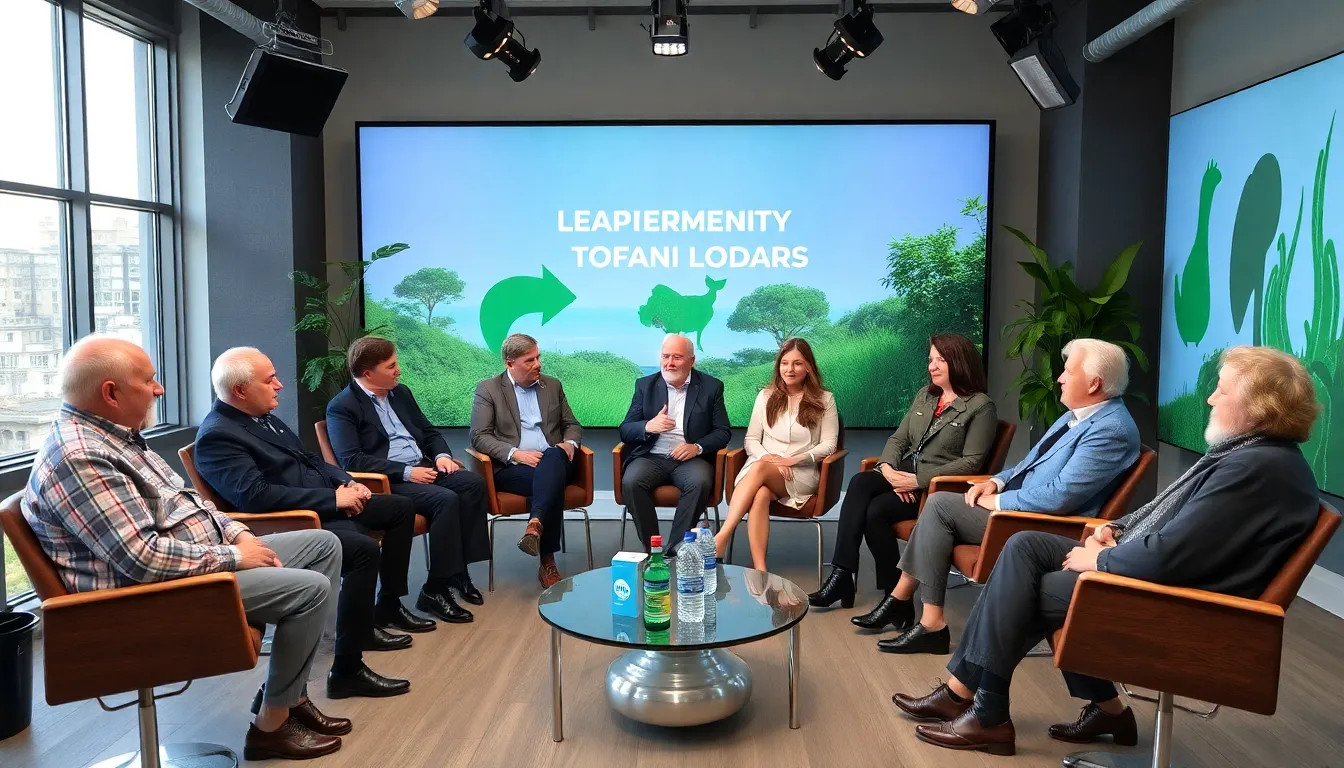
Governments worldwide are crucial players, often balancing economic growth with environmental protection. Their interests can conflict, particularly when policies aimed at reducing carbon emissions may threaten short-term economic gains or job security in fossil fuel industries. The podcast discusses how various nations are grappling with these trade-offs, especially in light of international climate agreements.
NGOs and advocacy groups, such as Greenpeace and the World Wildlife Fund, play a vital role in raising awareness and pushing for policy changes. Their interests align with promoting sustainability and protecting biodiversity, yet they often face challenges in influencing governmental agendas. The podcast emphasizes the importance of grassroots movements and public engagement in driving these organizations’ missions forward.
Scientists and researchers are also key stakeholders, providing the data and insights necessary for informed decision-making. However, their findings can sometimes be met with skepticism, particularly when they challenge established economic practices. The podcast highlights the ongoing struggle between scientific evidence and political will, illustrating the complexities of implementing effective environmental policies.
In summary, the podcast outlines several critical issues and scenarios that emerge from these stakeholder dynamics:
- Conflicts between economic interests and environmental sustainability.
- The role of public opinion in shaping governmental policies.
- The impact of international agreements on local practices.
- The importance of scientific research in informing policy decisions.
- Grassroots movements as catalysts for change in conservation efforts.

The influence of Attenborough’s work on conservation efforts
David Attenborough’s extensive career has had a profound impact on various groups, particularly environmentalists, educators, and policymakers. His documentaries have raised awareness about climate change, biodiversity loss, and the importance of conservation, influencing public sentiment and inspiring action across the globe.
Industries such as tourism, renewable energy, and sustainable agriculture are directly affected by Attenborough’s advocacy. The rise in eco-tourism, for instance, reflects a growing consumer preference for sustainable travel options, which can benefit local economies while promoting conservation efforts. Additionally, businesses in the renewable energy sector might see increased investment and policy support as public awareness of environmental issues grows.
In terms of short-term impacts, communities may experience a heightened focus on sustainability initiatives, leading to increased funding for conservation projects and educational programs. Mid-term, we could see significant shifts in policy as governments respond to public demand for action on climate change, potentially resulting in stricter regulations on pollution and habitat destruction.
- Risks: Industries reliant on fossil fuels may face economic challenges as regulations tighten.
- Opportunities: New markets for green technologies and sustainable practices can emerge, offering growth potential.
- Community Engagement: Increased public participation in conservation efforts can lead to stronger community bonds and local advocacy.
Overall, the impact of Attenborough’s work extends beyond mere awareness; it shapes the trajectory of industries and influences daily life, prompting a collective reevaluation of our relationship with the planet.
A: David Attenborough’s 100th birthday marks a century of his contributions to wildlife documentaries and environmental advocacy, inspiring generations to appreciate and protect nature. A: The podcast is available on major streaming platforms, including Spotify and Apple Podcasts, where listeners can enjoy stories and insights from Attenborough’s life. A: The podcast covers a variety of topics, including Attenborough’s experiences in the field, his views on conservation, and reflections on the natural world. A: Through his documentaries, Attenborough has raised awareness about critical environmental issues, encouraging public engagement and policy change for conservation. A: Fans can participate by sharing their favorite Attenborough moments on social media and engaging with community events organized in his honor.
Frequently asked questions about David Attenborough’s birthday podcast
Looking ahead at the legacy of David Attenborough
As we celebrate David Attenborough’s remarkable contributions over the past century, it becomes increasingly clear that his work has not only shaped our understanding of the natural world but has also ignited a global movement towards conservation and sustainability. His ability to communicate complex environmental issues in an accessible manner has inspired countless individuals to take action, fostering a deeper connection between humanity and the planet.
Looking to the future, the implications of Attenborough’s legacy are profound. The ongoing challenges of climate change, biodiversity loss, and habitat destruction serve as reminders of the urgency to protect our natural resources. Engaging with his insights can guide future generations in cultivating a more sustainable relationship with the Earth.
- Advocate for policies that prioritize environmental education and awareness to inspire future leaders.
- Encourage community initiatives focused on local conservation efforts to foster grassroots engagement.
- Support technological advancements that promote sustainable practices in various industries.
- Monitor the impact of media in shaping public perception of environmental issues and mobilizing action.
- Promote intergenerational dialogue to ensure that the lessons learned from Attenborough’s work are passed down and acted upon.