


This season, notable events include the SummerStage Festival, which runs from June through August in Central Park and other parks across the city. Featuring performances from both emerging and established artists, the festival aims to promote inclusivity and accessibility in the arts. For more about cultural events, check out our article on the latest mixtape releases.
Additionally, the popular “Concerts in the Parks” series, organized by the New York Philharmonic, offers free classical music performances at various parks throughout the city. Scheduled for July 2023, these concerts attract thousands of attendees, fostering a sense of community and appreciation for the arts.
Local neighborhoods are also hosting their own events, such as street fairs and cultural festivals, showcasing the rich diversity of New York City’s population. These events not only celebrate cultural heritage but also support local businesses and artists, contributing to the city’s economic vitality.
Overall, the free summer events in New York City play a crucial role in enhancing the quality of life for its residents, providing entertainment, cultural enrichment, and opportunities for social connection during the bustling summer months. These events not only enrich the community but also engage individuals through shared experiences, making them an essential facet of city life. Discover more about the cultural landscape in our article about the latest James Bond auditions.
The Cultural Significance of Summer Festivals in NYC
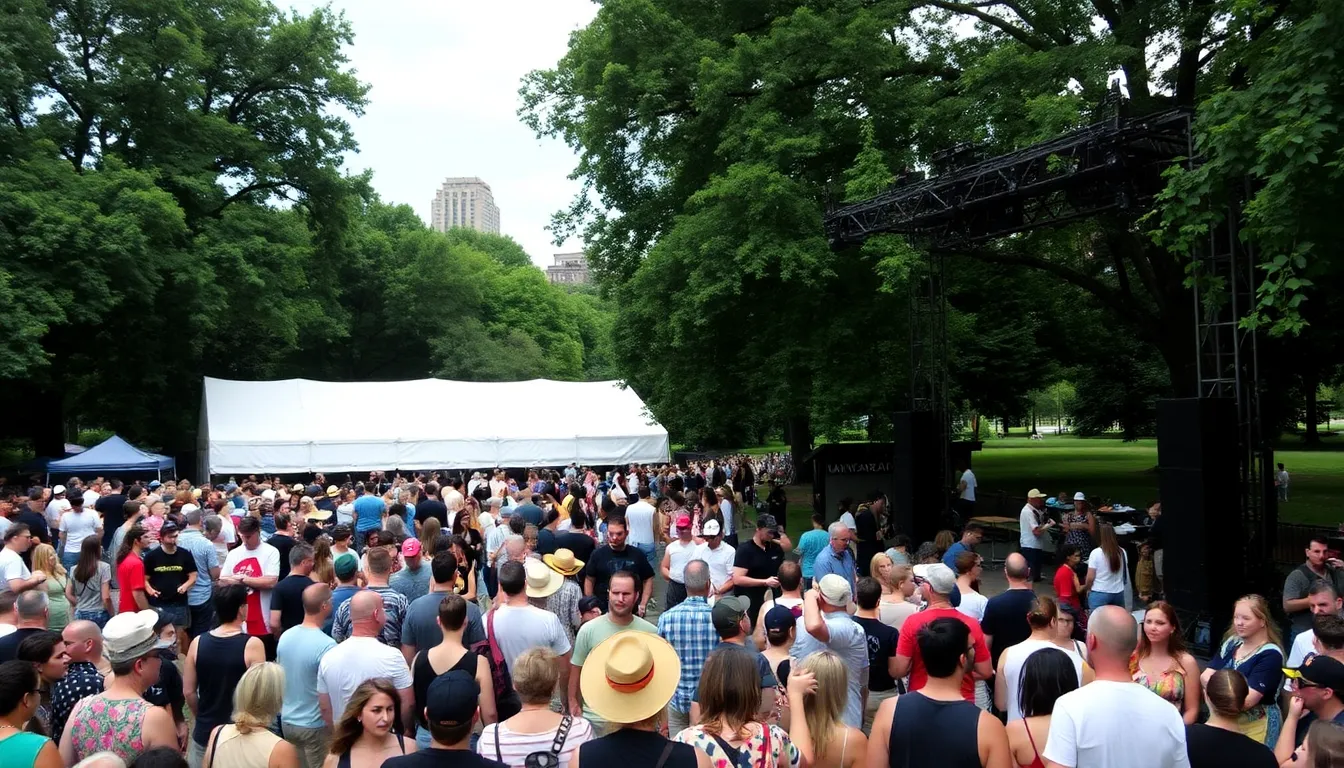
New York City has long been a melting pot of cultures, and its summer festivals and concerts reflect this diversity. Historically, these events have served as platforms for communities to showcase their unique traditions, artistry, and heritage. From the early parades and gatherings of immigrant communities in the 19th century to the vibrant street fairs of today, summer events have played a crucial role in fostering social cohesion and cultural exchange.
In the 1960s and 70s, the rise of the counterculture movement and the push for civil rights led to an increase in community-driven events. The City began to recognize the importance of accessible cultural programming, resulting in initiatives that supported free public concerts and festivals. This shift not only provided entertainment but also empowered local artists and marginalized communities, allowing them to share their voices and stories with a broader audience.
Economically, free summer concerts and festivals have become vital to NYC’s tourism industry. These events attract millions of visitors each year, generating revenue for local businesses and creating job opportunities. The economic impact is particularly significant in neighborhoods that host large festivals, where foot traffic can lead to increased sales for restaurants, shops, and vendors. As a result, city officials have continued to invest in these programs, recognizing their dual role in promoting culture and boosting the economy. You can learn more about the relationship between arts and the economy in our piece on Alexx Ekubo.
Key Milestones in NYC’s Summer Events
Several key milestones highlight the evolution of summer festivals in NYC. The inception of the “SummerStage” series in 1986 marked a turning point, as it provided a structured platform for both emerging and established artists to perform in public parks. Additionally, the “West Indian American Day Carnival” has grown from a small gathering in the 1960s to one of the largest street festivals in the country, celebrating Caribbean culture and attracting hundreds of thousands of attendees each year. These events exemplify how NYC’s summer festivals have transformed into essential cultural touchstones that celebrate diversity and community engagement.
Key Stakeholders and Their Roles in Organizing Events
In New York City, the organization of free summer concerts, festivals, and events involves a diverse array of stakeholders, each with distinct interests and responsibilities. Key actors include city government agencies, local businesses, community organizations, artists, and the public. Understanding their roles and interactions is crucial for grasping the dynamics of these events.
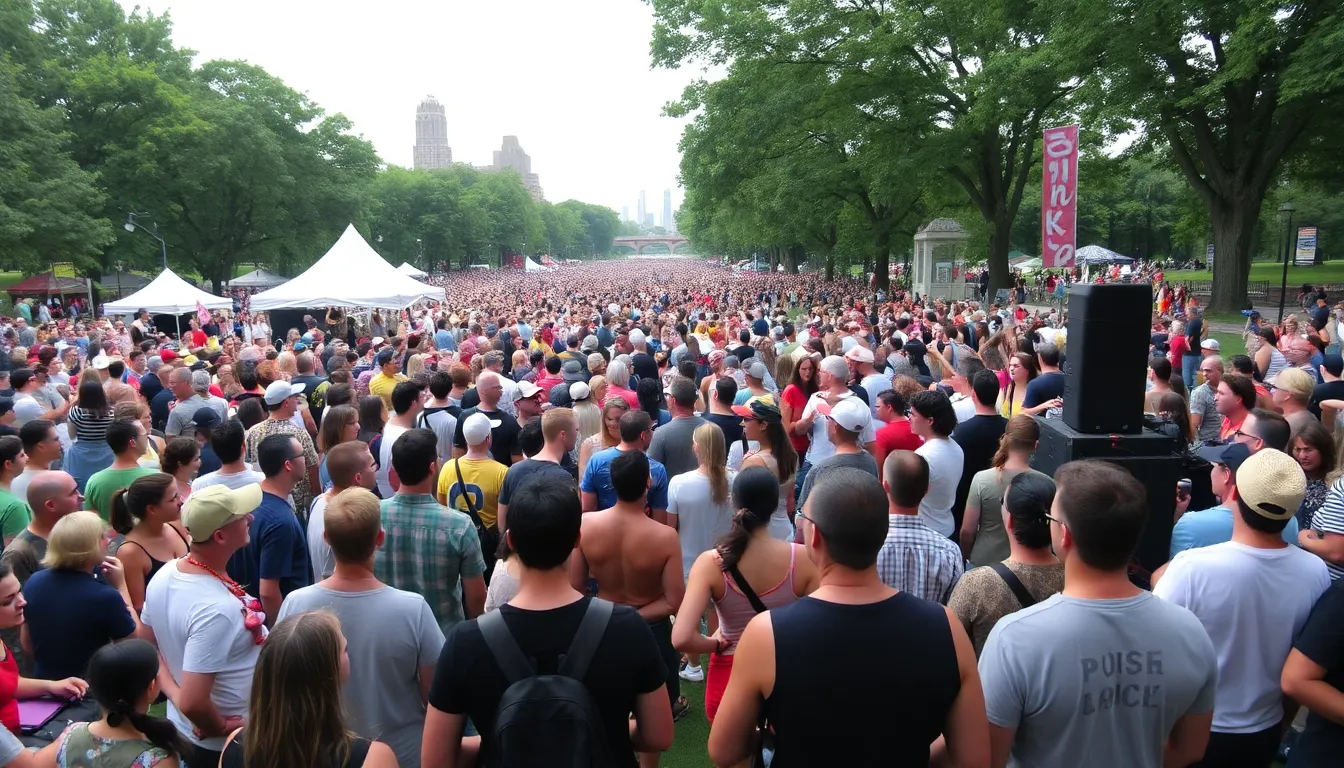
City government agencies, such as the Department of Parks and Recreation and the Mayor’s Office of Media and Entertainment, play a pivotal role in facilitating and approving events. Their interests often revolve around enhancing community engagement, promoting tourism, and ensuring public safety. However, these agencies must navigate budget constraints and regulatory requirements, which can complicate event planning and execution.
Local businesses are another significant stakeholder group. They often support events through sponsorships or partnerships, hoping to attract foot traffic and increase sales during the festivities. However, there can be conflicts between businesses seeking to maximize profits and community organizations focused on accessibility and inclusivity for all residents. Balancing these interests is essential for the success of the events.
- Community organizations: These groups advocate for the needs and interests of local residents, often pushing for events that reflect the community’s cultural diversity.
- Artists and performers: They seek opportunities to showcase their talents, but may face challenges related to compensation and visibility.
- Public safety officials: Ensuring the safety of attendees is a priority, leading to potential conflicts over event capacity and security measures.
Economic considerations also play a significant role in the planning of these events. While free concerts and festivals aim to provide access to entertainment for all, the funding sourcessuch as city budgets, sponsorships, and grantscan create trade-offs. For instance, reliance on corporate sponsorships may influence event programming and lead to commercialization, which can detract from the original community-focused intent.
How These Events Benefit Local Communities and Businesses
Free summer concerts, festivals, and events in NYC have a broad impact on various groups, including local residents, businesses, and tourists. These events create a vibrant atmosphere that attracts visitors from both within the city and beyond, contributing to the cultural fabric of New York. Local artists and performers also gain exposure and opportunities to showcase their talents, fostering a sense of community.
The short-term impacts of these events are notably positive, as they encourage foot traffic in neighborhoods that host them. Local businesses, such as restaurants, cafes, and shops, often experience increased sales as concert-goers and festival attendees seek food, drinks, and souvenirs. This surge in activity can lead to a temporary boost in employment as businesses hire additional staff to accommodate the influx of customers.
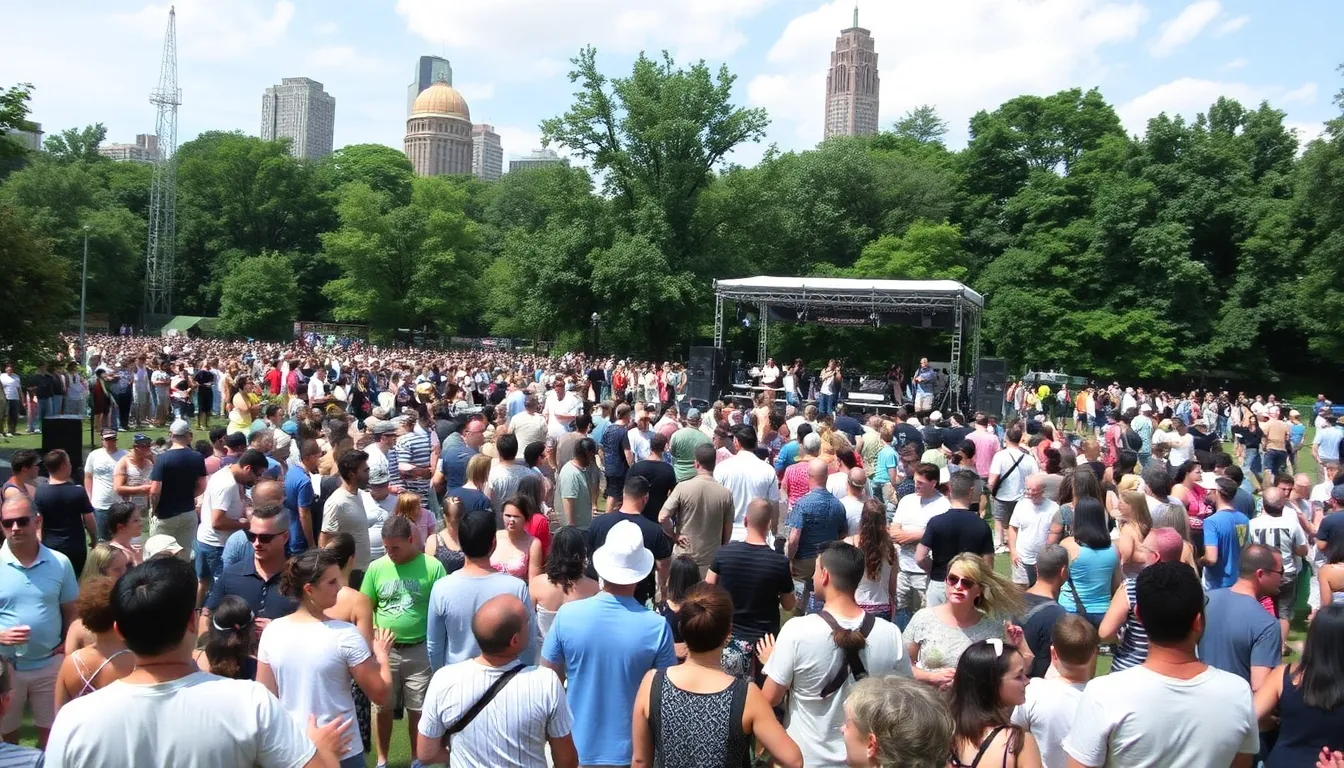
In the mid-term, these events can help shape local policies and community initiatives. As neighborhoods gain recognition for their cultural offerings, city planners may prioritize infrastructure improvements, such as better public transportation access and enhanced public spaces. This can lead to long-lasting benefits for residents, making areas more attractive for both living and investment.
- Increased tourism: Attracts visitors, boosting local economy.
- Business growth: Enhances sales for local vendors and services.
- Cultural enrichment: Supports artists and promotes community identity.
- Infrastructure development: Encourages city investment in public spaces.
However, there are risks associated with these events. Overcrowding can lead to safety concerns and strain on local resources, such as sanitation and public transportation. Additionally, the potential for noise complaints from residents can create tensions within communities. Balancing the benefits of these events with the needs of local residents is crucial for sustainable growth.
Despite these challenges, the opportunities presented by free summer concerts and festivals are significant. They can serve as a catalyst for community engagement, bringing diverse groups together and fostering a sense of belonging. As NYC continues to host these events, the potential for positive impacts on local culture and economy remains strong.
A: You can expect a variety of concerts, cultural festivals, and community gatherings throughout the city, featuring local and international artists. A: Yes, most summer events in NYC are free to the public, although some may offer VIP experiences for a fee. A: Registration requirements vary by event; some may require tickets in advance, while others are open to all without prior sign-up. A: You can find a comprehensive schedule of free summer events on the official NYC tourism website and various local event calendars. A: It’s advisable to bring sunscreen, water, a blanket or chair for seating, and a camera to capture the memories.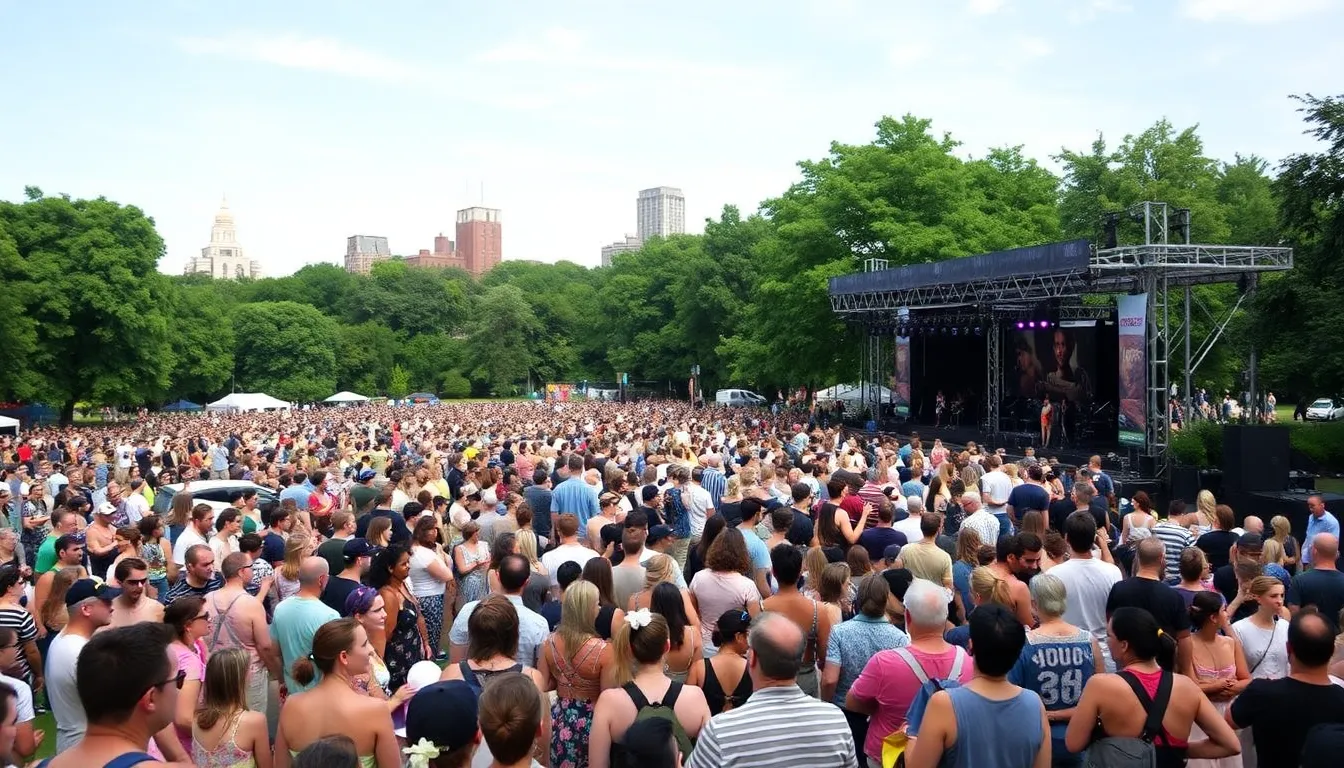
Frequently Asked Questions About NYC Summer Events
Looking Ahead: The Future of Summer Events in NYC
As New York City continues to emerge from the constraints of recent years, the landscape of summer events is evolving. The return of free concerts, festivals, and community gatherings not only enriches the cultural fabric of the city but also reflects a growing emphasis on accessibility and inclusivity. These events serve as a vital platform for local artists and foster a sense of community among residents and visitors alike.
Moving forward, it will be essential to monitor how these events adapt to changing public health guidelines and the needs of diverse audiences. The potential for increased collaboration between local organizations and city officials could lead to even more vibrant and varied offerings in the future.
- Increased Participation: Expect higher attendance as more people seek social connections and cultural experiences post-pandemic.
- Diverse Programming: Look for a wider range of genres and cultural representations, reflecting the city’s rich diversity.
- Community Engagement: Local businesses may become more involved, creating partnerships that enhance the overall experience.
- Health and Safety Measures: Continued attention to public health will shape how events are organized, potentially integrating new technologies.
- Sustainability Initiatives: Future events may increasingly incorporate environmentally friendly practices, aligning with broader city goals.