


Microsoft’s investment in OpenAI, which began in earnest in 2019, has reportedly exceeded $13 billion. This financial commitment has allowed Microsoft to integrate OpenAI’s advanced AI models into its products, such as the widely used Azure cloud platform and the Microsoft 365 suite. The collaboration aims to enhance productivity tools and drive innovation, positioning Microsoft as a leader in the AI landscape.
The testimony highlighted the potential benefits of AI, including increased efficiency and new capabilities for businesses. However, Nadella also acknowledged the ethical concerns surrounding AI deployment, stating that responsible development and usage are paramount. This balancing act between innovation and ethics is a central theme as lawmakers and industry leaders grapple with the future of AI regulation.
As discussions continue, stakeholders are keenly observing how Microsoft’s investments will shape the competitive landscape of technology and influence regulatory frameworks. The outcome of these deliberations could have lasting effects on the AI industry and its role in society, making this testimony a pivotal moment in the ongoing conversation about technology and governance.
Understanding the background of Microsoft’s relationship with OpenAI
Microsoft’s engagement with OpenAI dates back to 2019 when the tech giant made a significant investment of $1 billion in the artificial intelligence research organization. This partnership was founded on the mutual belief that AI has the potential to revolutionize various industries, enhancing productivity and innovation. At the time, Microsoft aimed to integrate OpenAI’s cutting-edge technologies into its own products, which aligned with its broader strategy to lead in cloud computing through Azure.
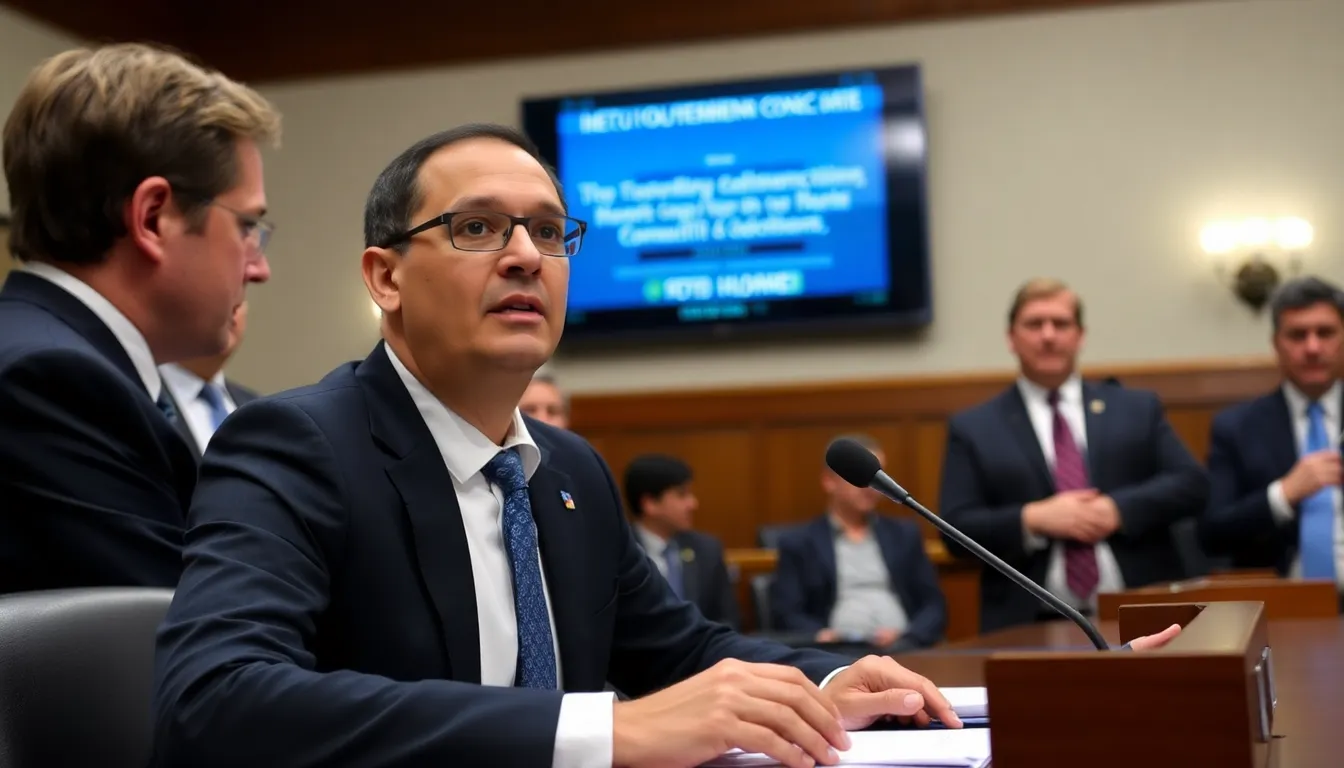
Over the years, this relationship has evolved, with Microsoft increasing its financial commitment to OpenAI. In early 2023, reports surfaced that Microsoft planned to invest an additional $10 billion, further solidifying its stake in the AI landscape. This move not only reinforced Microsoft’s position in the tech industry but also highlighted the growing importance of AI technologies in business operations and consumer applications.
The Rise of AI in Business
The increasing integration of AI into everyday business practices has been a driving force behind Microsoft’s investments. As companies across various sectors seek to leverage AI for efficiency and competitive advantage, the demand for advanced AI solutions has surged. Microsoft’s partnership with OpenAI has placed it at the forefront of this technological shift, allowing it to offer innovative services and tools that cater to this burgeoning market.
Moreover, the geopolitical landscape surrounding AI has also influenced Microsoft’s strategy. As nations race to develop and implement AI technologies, concerns over ethical implications and competitive advantages have prompted companies like Microsoft to take a proactive approach. By aligning with OpenAI, Microsoft positions itself not only as a leader in technology but also as a key player in shaping the future of AI governance and ethics.
This testimony from Microsoft’s CEO regarding the company’s investments in OpenAI is a pivotal moment that underscores the strategic importance of AI in the company’s vision. It reflects a broader trend in the tech industry, where major players are increasingly recognizing the necessity of collaboration and investment in AI to remain competitive in an ever-evolving market, much like the challenges discussed in various sectors.
Key stakeholders and issues surrounding the testimony
Microsoft’s recent testimony regarding its investments in OpenAI has drawn attention from various stakeholders, each with distinct interests and concerns. The primary actors include Microsoft as a corporation, OpenAI as an organization, government regulators, and the broader tech community. Each stakeholder’s perspective plays a crucial role in shaping the discourse around artificial intelligence and its implications for society.
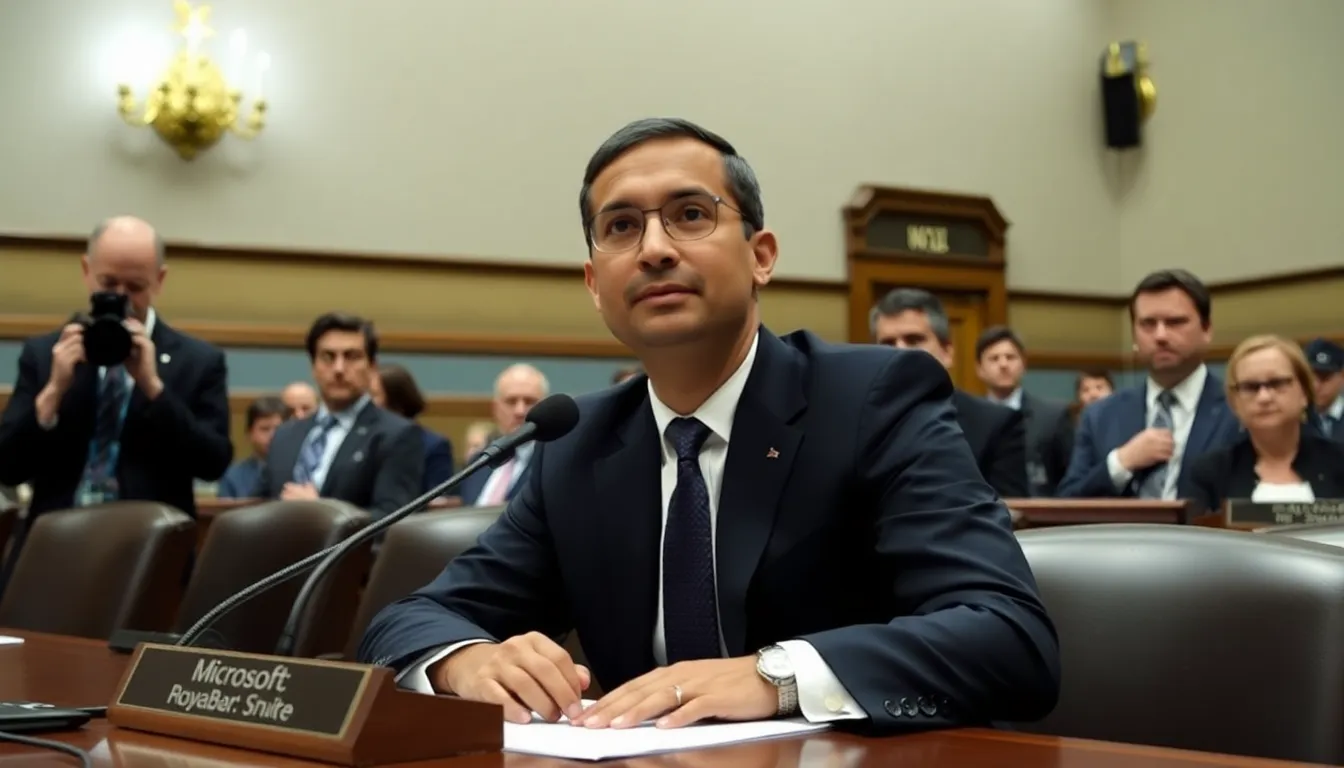
Microsoft, represented by its CEO, is primarily interested in demonstrating its commitment to innovation and leadership in the AI sector. The company aims to solidify its position as a key player in the tech industry while also addressing concerns about ethical AI development. OpenAI, as a partner and recipient of Microsoft’s investments, seeks to advance its research and deployment of AI technologies, advocating for responsible use and transparency.
Government regulators are another critical stakeholder, tasked with ensuring that technological advancements do not compromise public safety or ethical standards. Their interest lies in establishing frameworks that govern AI’s development and application, which can lead to potential conflicts with tech companies pushing for fewer restrictions. This regulatory scrutiny raises questions about the balance between innovation and oversight.
- Economic implications: The financial stakes involved in AI investments can lead to competitive tensions among tech giants.
- Legal considerations: Issues surrounding intellectual property and data privacy are paramount as AI technologies evolve.
- Ethical dilemmas: The potential for bias in AI systems and the impact on employment raise significant societal questions.
- Public perception: Stakeholders must navigate the growing public concern over AI’s role in everyday life.
These dynamics illustrate the complexity of the situation, where the interests of profit, innovation, and ethical responsibility must be carefully balanced. The testimony not only highlights Microsoft’s strategic vision but also emphasizes the need for collaborative approaches to address the multifaceted challenges posed by AI advancements.
Potential impacts on the tech industry and market dynamics
The testimony of Microsoft’s C.E.O. regarding the company’s investments in OpenAI is poised to have significant ramifications across various sectors. Primarily, tech companies, especially those involved in artificial intelligence, will feel the pressure to innovate and compete. Startups and established firms alike may need to reassess their strategies to keep pace with advancements fueled by such substantial investments.
In the short term, businesses that leverage AI technologies may experience a surge in interest and investment. This could lead to a rapid development of new AI applications, enhancing productivity across industries such as healthcare, finance, and education. However, this growth may also exacerbate existing inequalities, as companies with more resources can capitalize on AI advancements more effectively than smaller players.
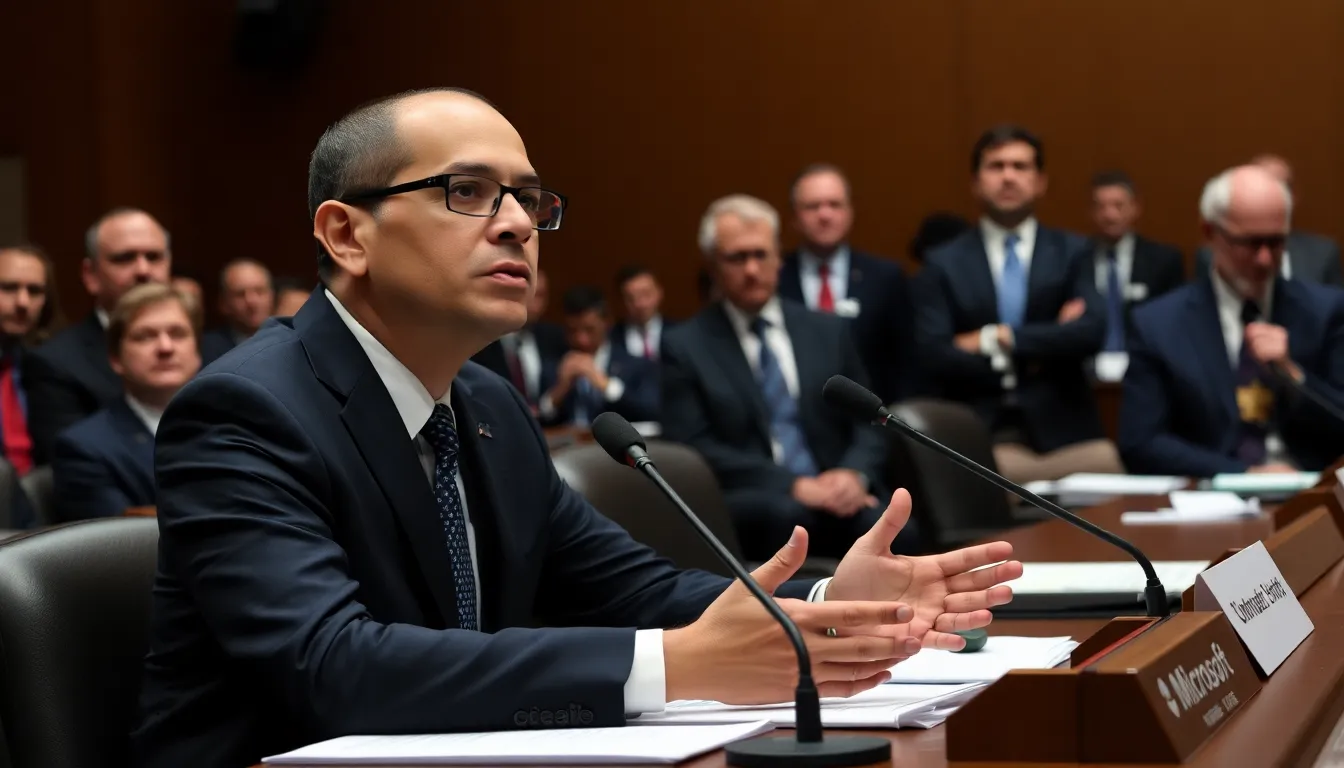
In the mid-term, we might see a shift in regulatory landscapes as policymakers respond to the implications of AI integration in everyday life. Governments may implement new guidelines to address ethical concerns, data privacy, and job displacement risks associated with AI technologies. This could alter how companies operate and innovate, potentially slowing down some projects while fostering a more responsible approach to AI development.
- Opportunities: Enhanced productivity and innovation in various sectors.
- Risks: Increased market competition leading to potential monopolistic behaviors.
- Policy Changes: New regulations addressing ethical concerns and job displacement.
Regions with a strong tech presence, such as Silicon Valley and major urban centers, are likely to see increased investment and talent acquisition. Conversely, areas lacking in tech infrastructure may struggle to keep up, widening the gap between tech hubs and less developed regions. This disparity could lead to economic shifts and changes in workforce dynamics as companies seek to harness AI’s full potential.
A: The main focus was on the extent of Microsoft’s investments in OpenAI and the strategic importance of these investments for the company’s future. A: These investments are expected to enhance Microsoft’s capabilities in artificial intelligence, potentially leading to new products and services that leverage OpenAI’s technology. A: The testimony highlights a growing trend of collaboration between major tech companies and AI firms, which could reshape competitive dynamics in the industry. A: Yes, there are concerns about antitrust issues and the ethical implications of AI technology, which regulators are increasingly scrutinizing. A: The market reaction has been mixed, with some investors expressing optimism about future growth while others remain cautious due to potential regulatory challenges.
Frequently asked questions about the testimony
Insights and future outlook on Microsoft’s investments
Microsoft’s recent testimony regarding its investments in OpenAI underscores the company’s commitment to advancing artificial intelligence technologies. As the integration of AI into various sectors accelerates, Microsoft’s strategic positioning could reshape competitive dynamics in the tech industry. The emphasis on ethical AI development and collaboration with OpenAI may set industry standards that others will need to follow.
Looking ahead, stakeholders should consider the potential ripple effects of these investments, not just for Microsoft, but for the broader landscape of technology and business. The interplay between AI advancements and regulatory frameworks will be crucial as companies navigate the evolving environment.
- Monitor how Microsoft’s AI initiatives influence partnerships and collaborations across industries.
- Watch for regulatory responses that may arise as AI technologies become more prevalent in everyday applications.
- Consider the implications of Microsoft’s ethical AI focus on consumer trust and brand reputation.
- Evaluate how advancements in AI could disrupt traditional business models and create new market opportunities.