


The discussions took place amid rising concerns over Iran’s nuclear ambitions and Taiwan’s increasing assertiveness in its quest for independence. Trump’s administration previously adopted a hardline stance on both issues, which has continued to strain diplomatic ties between the U.S. and China.
Moreover, the dialogue around artificial intelligence remains a pressing topic, as both nations seek to dominate this rapidly evolving sector. For more insights on this growing concern, check out our article on U.S.-China Rivalry, which discusses similar dynamics.
This visit underscores the challenges faced by both nations in navigating their competing interests. As tensions rise, the absence of breakthroughs may exacerbate existing conflicts and hinder progress on crucial global issues, making future negotiations even more complicated.
Understanding the geopolitical landscape surrounding Trump’s visit
The recent visit by former President Donald Trump to China was marked by high expectations for breakthroughs on critical issues such as Iran, Taiwan, and artificial intelligence (AI). However, the outcome fell short of these expectations, highlighting the complexities of U.S.-China relations and the broader geopolitical landscape. Historically, the relationship between the United States and China has been characterized by a mix of cooperation and competition, with each nation vying for influence on the global stage.
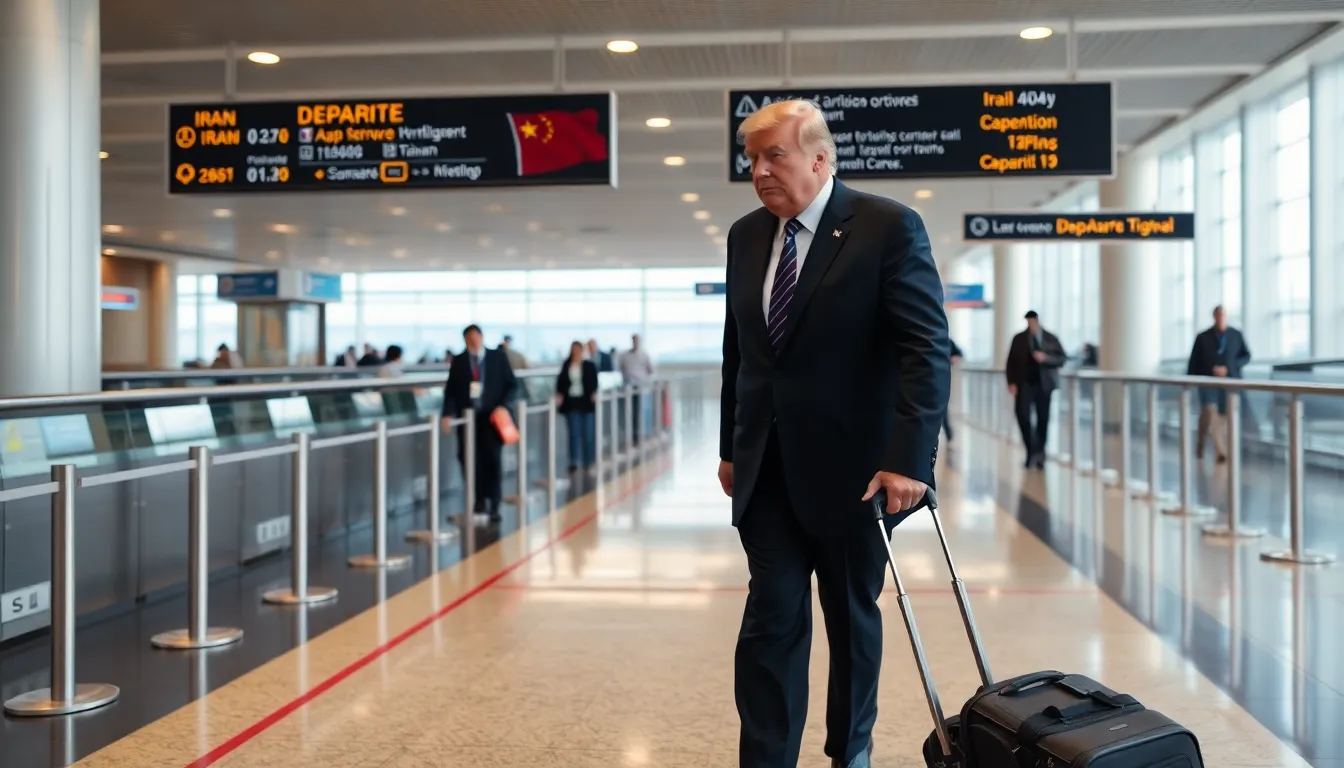
One of the key historical milestones in this relationship was the normalization of diplomatic ties in 1979, which opened the door for increased economic and political engagement. A detailed exploration of the past can shed light on the present, as seen in our piece on the Trump lawsuit against the I.R.S..
In recent years, tensions have escalated over various issues, particularly regarding Taiwan and Iran. Taiwan, a self-governing island claimed by China, has been a flashpoint in U.S.-China relations. The U.S. has maintained a policy of strategic ambiguity, supporting Taiwan’s defense capabilities while officially recognizing the One China policy. This delicate situation has been further complicated by China’s increasing military posturing in the region, raising concerns in Washington.
The AI Race and Economic Competition
Another significant aspect of the U.S.-China relationship is the competition in artificial intelligence. As both nations strive to lead in AI technology, the implications extend beyond economics to national security. The U.S. has expressed concerns about China’s technological advancements, fearing that they could undermine American dominance in critical sectors. This rivalry has led to a series of trade tensions and sanctions, further complicating diplomatic efforts.
As Trump departed China without significant agreements, it became evident that the challenges facing U.S.-China relations are deeply rooted in historical grievances and contemporary geopolitical dynamics. The lack of breakthroughs on pivotal issues underscores the complexities of navigating a relationship that is both cooperative and adversarial, reflecting the broader struggles for influence in a rapidly changing world.
Key stakeholders and their positions on Iran, Taiwan, and AI
The recent discussions between former President Donald Trump and Chinese officials highlighted several key stakeholders, including the U.S. government, the Chinese government, Iranian authorities, Taiwanese leadership, and major technology companies. Each of these actors has distinct interests that shape their positions on critical issues such as Iran’s nuclear program, Taiwan’s sovereignty, and the global landscape of artificial intelligence (AI).
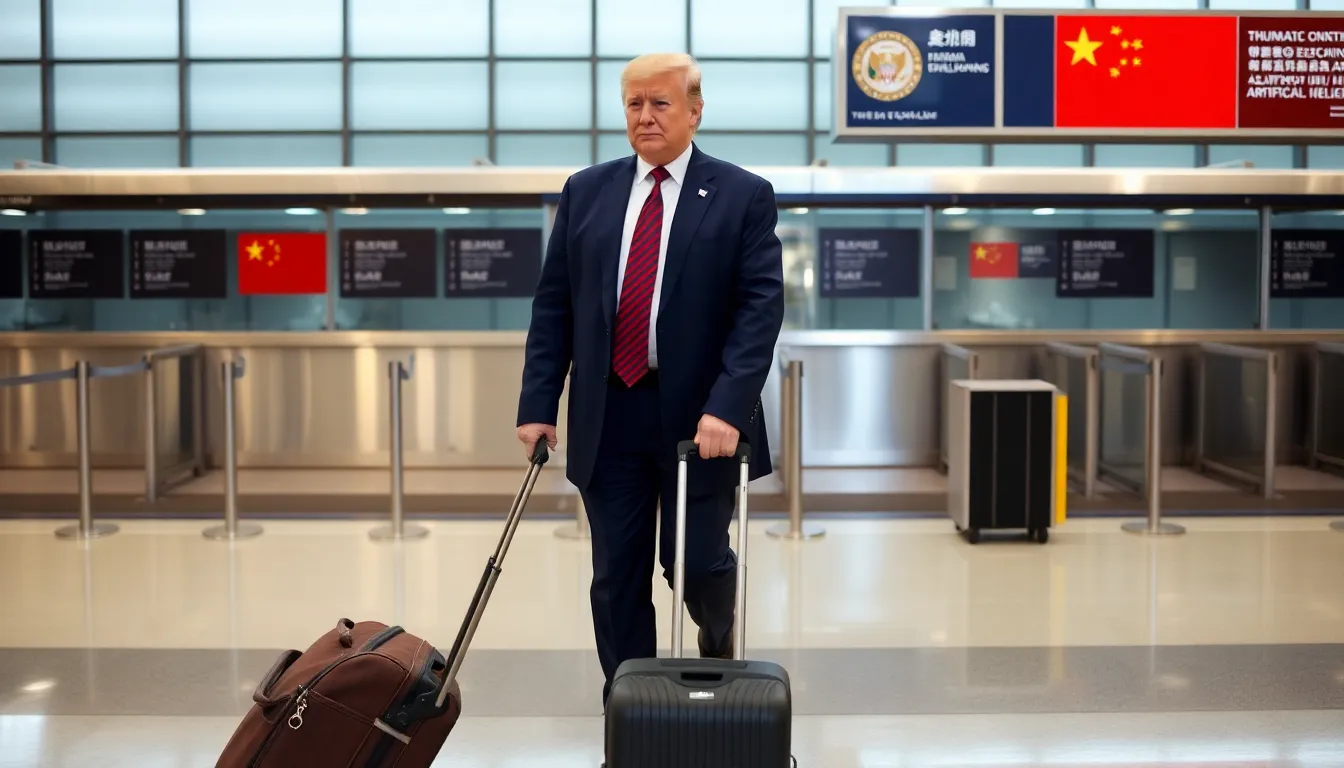
For the U.S. government, a primary concern regarding Iran involves curbing its nuclear ambitions and ensuring regional stability in the Middle East. The Biden administration has sought to revive diplomatic efforts to bring Iran back into compliance with the Joint Comprehensive Plan of Action (JCPOA). However, Trump’s approach has leaned towards a more confrontational stance, advocating for stringent sanctions and a tougher diplomatic posture.
On the other hand, China plays a dual role as both a potential mediator and a supporter of Iran. This complex dynamic is pivotal in understanding the larger picture, similar to ongoing debates surrounding global energy policies, which are explored in our article about fossil fuel negotiations.
Regarding Taiwan, the Taiwanese government, led by President Tsai Ing-wen, prioritizes its sovereignty and security amid increasing military pressure from China. The U.S. has historically supported Taiwan through arms sales and diplomatic engagement, but the lack of a formal alliance complicates the situation. China’s insistence on reunification poses a significant challenge, with potential military and economic repercussions for both Taiwan and the U.S.
In the realm of artificial intelligence, major technology companies from both the U.S. and China are vying for leadership in this critical sector. The competition raises concerns about ethical standards, data privacy, and the potential for technological dominance. The U.S. government is focused on regulating AI development to mitigate risks, while China aims to leverage AI for economic growth and national security, creating a competitive landscape with global implications.
- Iran: U.S. seeks to limit nuclear capabilities; China supports Iran economically.
- Taiwan: U.S. backs Taiwan’s sovereignty; China views Taiwan as a breakaway province.
- AI: U.S. emphasizes regulation; China focuses on technological advancement.
- Economic trade-offs: Sanctions on Iran impact global oil markets; Taiwan’s defense ties affect U.S.-China trade.
- Legal issues: International agreements on nuclear non-proliferation; sovereignty disputes over Taiwan.
Potential consequences for U.S.-China relations and global markets
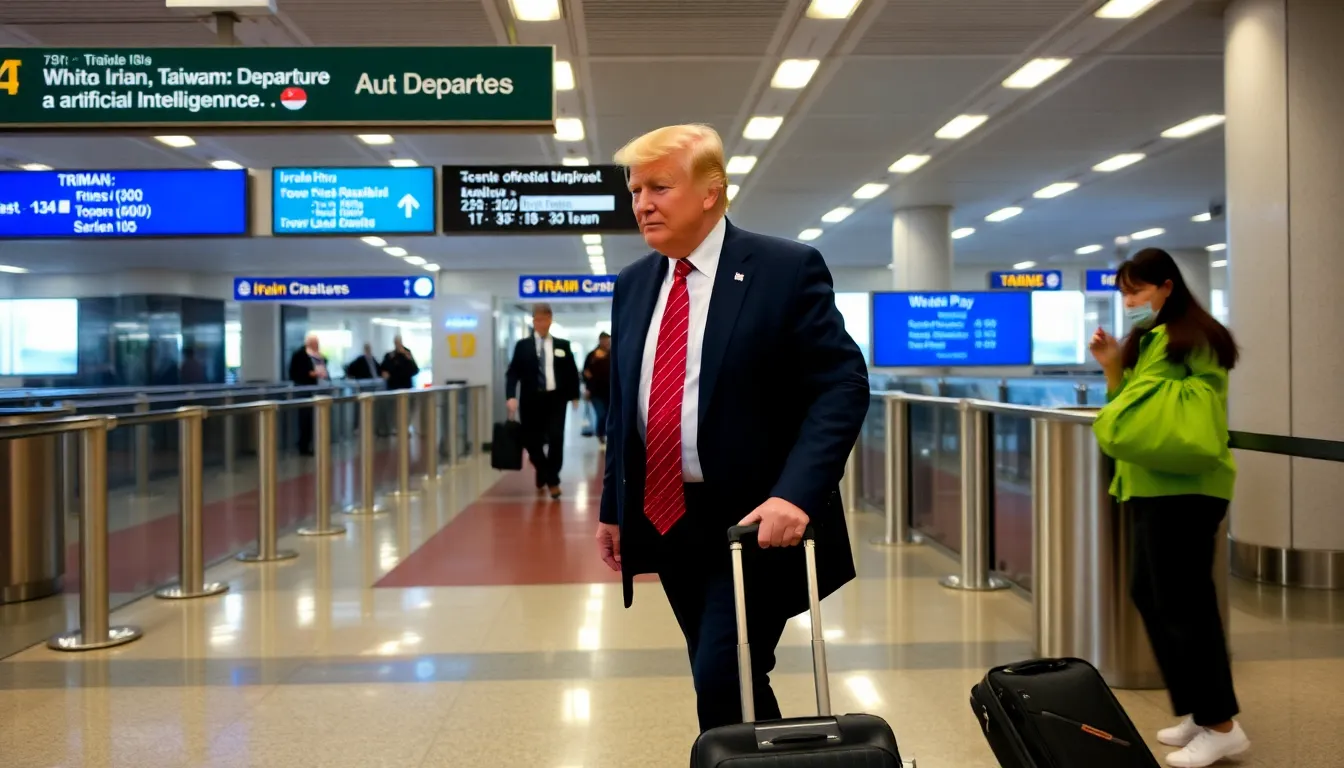
The recent visit by former President Trump to China, which yielded no significant breakthroughs on critical issues such as Iran, Taiwan, and artificial intelligence, has left various groups and industries in a state of uncertainty. The lack of progress in these discussions may have far-reaching implications for U.S.-China relations, affecting businesses, policymakers, and the general public.
In the short term, industries heavily reliant on trade with China, such as technology, manufacturing, and agriculture, may experience heightened volatility. Companies that depend on stable relations for supply chains could face increased costs and delays, impacting their ability to operate efficiently. Moreover, investors may react negatively to the perceived stagnation in diplomatic relations, leading to fluctuations in global markets.
In the mid-term, the absence of agreements on pressing issues like AI regulation and trade policies could exacerbate tensions between the two nations. This may result in stricter tariffs or sanctions, particularly affecting sectors like tech and energy. Additionally, regional allies of the U.S. may feel pressured to take sides, further complicating the geopolitical landscape.
- Risks: Increased trade barriers and tariffs, market instability, and potential retaliatory measures from China.
- Opportunities: Domestic industries may pivot to innovate and adapt, fostering growth in areas such as cybersecurity and renewable energy.
- Public impact: Consumers may face higher prices and reduced availability of goods, influencing daily life.
Ultimately, while the immediate aftermath of Trump’s visit may seem negative, it may also prompt U.S. businesses and policymakers to reassess their strategies, potentially leading to new collaborations and innovations in the long run.
A: The primary goals included discussing trade relations, addressing tensions over Taiwan, and seeking cooperation on issues related to Iran and artificial intelligence. A: The lack of breakthroughs can be attributed to deep-rooted disagreements on key issues and differing national interests between the U.S. and China. A: The visit may exacerbate existing tensions, making future negotiations more challenging and potentially impacting global economic stability. A: Taiwan remains a contentious issue, and without progress, its security and diplomatic status may face increased uncertainty. A: The discussions around AI were expected to focus on collaboration and regulation, but without agreements, competitive tensions may intensify.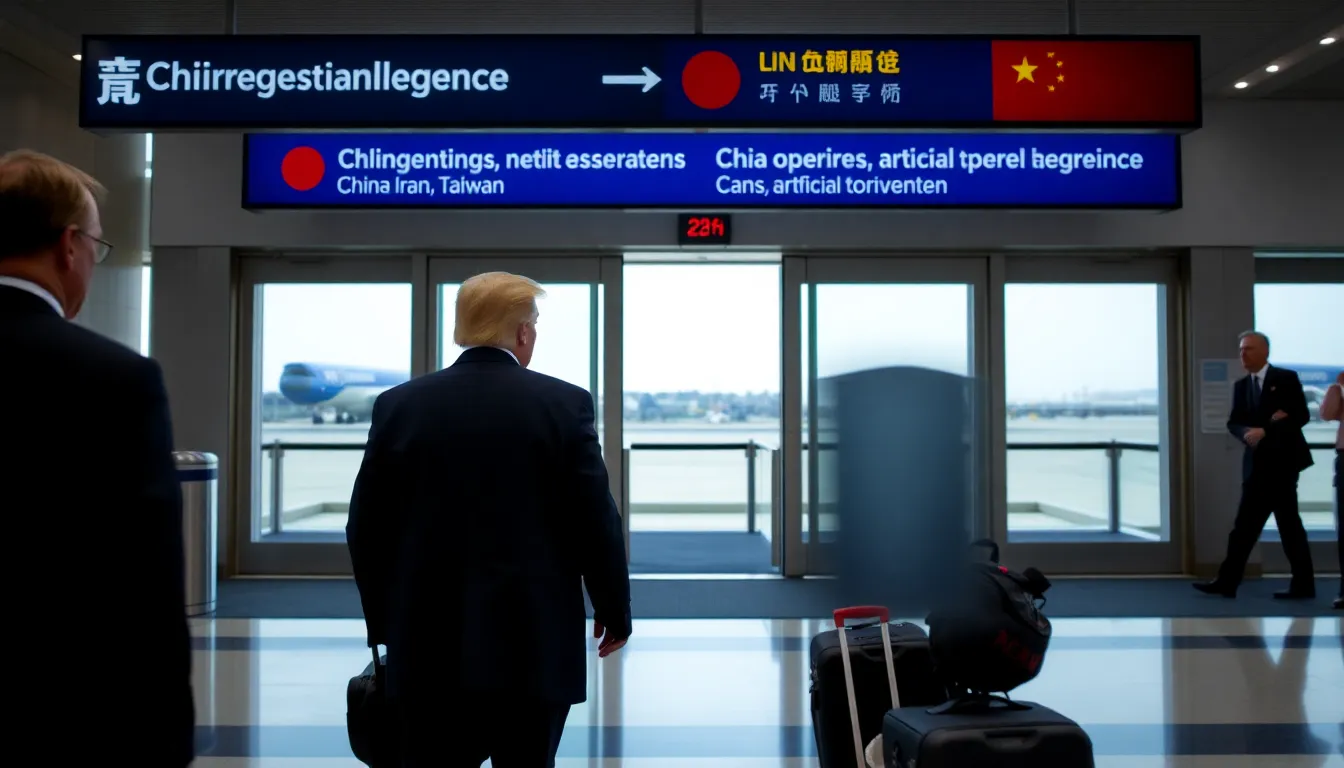
Frequently Asked Questions about Trump’s China visit
Looking ahead: implications of the visit for future diplomacy
The recent visit by Trump to China has highlighted the complexities of diplomatic relations between the two nations, particularly concerning critical issues like Iran, Taiwan, and artificial intelligence. The absence of significant breakthroughs signals a challenging environment ahead, where both parties may need to recalibrate their strategies to foster more productive dialogue. As the geopolitical landscape continues to evolve, the implications of this visit will resonate beyond immediate discussions, influencing future negotiations and alliances.
Monitoring the responses from both the U.S. and China will be essential in understanding how their respective approaches to these pressing issues will develop. The lack of consensus on Iran and Taiwan suggests potential flashpoints, while the competition in AI underscores the urgency of collaboration or confrontation in technological advancements.
- Watch for shifts in U.S. policy towards Taiwan, especially regarding military support and diplomatic recognition.
- Observe China’s response to U.S. sanctions on Iran and its potential impact on regional stability.
- Keep an eye on how AI regulations are discussed in upcoming international forums, as both nations vie for technological leadership.
- Expect increased domestic pressure on both governments to address their respective economic concerns, which could influence foreign policy decisions.
- Consider the role of third-party nations in mediating or escalating tensions between the U.S. and China on these key issues.