


In parallel, the semiconductor industry is grappling with supply chain challenges, exacerbated by geopolitical tensions and increasing demand for high-performance chips. Major players such as Taiwan Semiconductor Manufacturing Company (TSMC) and Intel are investing heavily in expanding production capacities, with TSMC planning to build new facilities in the United States and Europe by 2025. This investment is crucial for maintaining technological leadership and ensuring supply chain resilience.
Moreover, the ongoing rollout of 5G technology continues to reshape connectivity standards worldwide. By the end of 2023, it is projected that 5G networks will cover a significant portion of urban areas, enabling faster data transfer and supporting the growth of Internet of Things (IoT) devices. This shift is essential for industries ranging from healthcare to transportation, where real-time data processing is becoming increasingly vital. You can learn more about related technological advancements in the article about AI and the music industry.
Lastly, sustainability in tech is gaining traction as companies face pressure from consumers and regulators alike. Initiatives aimed at reducing carbon footprints and promoting circular economy practices are being adopted by industry leaders. For example, Apple has committed to becoming carbon neutral by 2030, setting a precedent for environmental responsibility in the tech sector. This movement echoes trends seen in various industries, such as the UK games market.
The Historical Background of Technology Development
The evolution of technology is deeply intertwined with human history, reflecting the societal needs and challenges of different eras. From the invention of the wheel to the rise of the internet, each technological advancement has played a pivotal role in shaping civilizations. The Industrial Revolution in the 18th century marked a significant turning point, as mechanization began to transform industries, leading to urbanization and a shift in labor dynamics.

In the 20th century, the advent of computers and digital technology revolutionized communication and information processing. The development of the first programmable computer in the 1940s laid the groundwork for a digital age that would redefine how people interact with technology. The subsequent introduction of personal computers in the 1980s democratized access to technology, empowering individuals and small businesses alike.
The Rise of the Internet
The launch of the World Wide Web in the early 1990s catalyzed a technological explosion, creating a global platform for information exchange and commerce. This era saw the emergence of tech giants that would dominate the landscape, such as Microsoft, Google, and Amazon. The internet not only transformed economies but also altered social interactions, leading to the rise of social media and reshaping cultural norms.
As technology continued to advance, issues of privacy, security, and digital equity became increasingly prominent. The rapid pace of innovation has often outstripped regulatory frameworks, prompting debates about the ethical implications of technologies like artificial intelligence and data mining. These discussions are crucial as society grapples with the challenges and opportunities presented by emerging technologies.
Today, the intersection of technology with critical global issuessuch as climate change, healthcare, and educationunderscores the importance of understanding its historical context. As we move forward, the lessons learned from past technological developments will be essential in navigating the complexities of our increasingly digital world.
Key Stakeholders and Issues in the Tech Industry
The tech industry is a complex ecosystem involving various stakeholders, each with distinct interests and influences. Key actors include technology companies, government regulators, consumers, and advocacy groups. Understanding the motivations and conflicts among these stakeholders is crucial for grasping the broader implications of technological advancements.
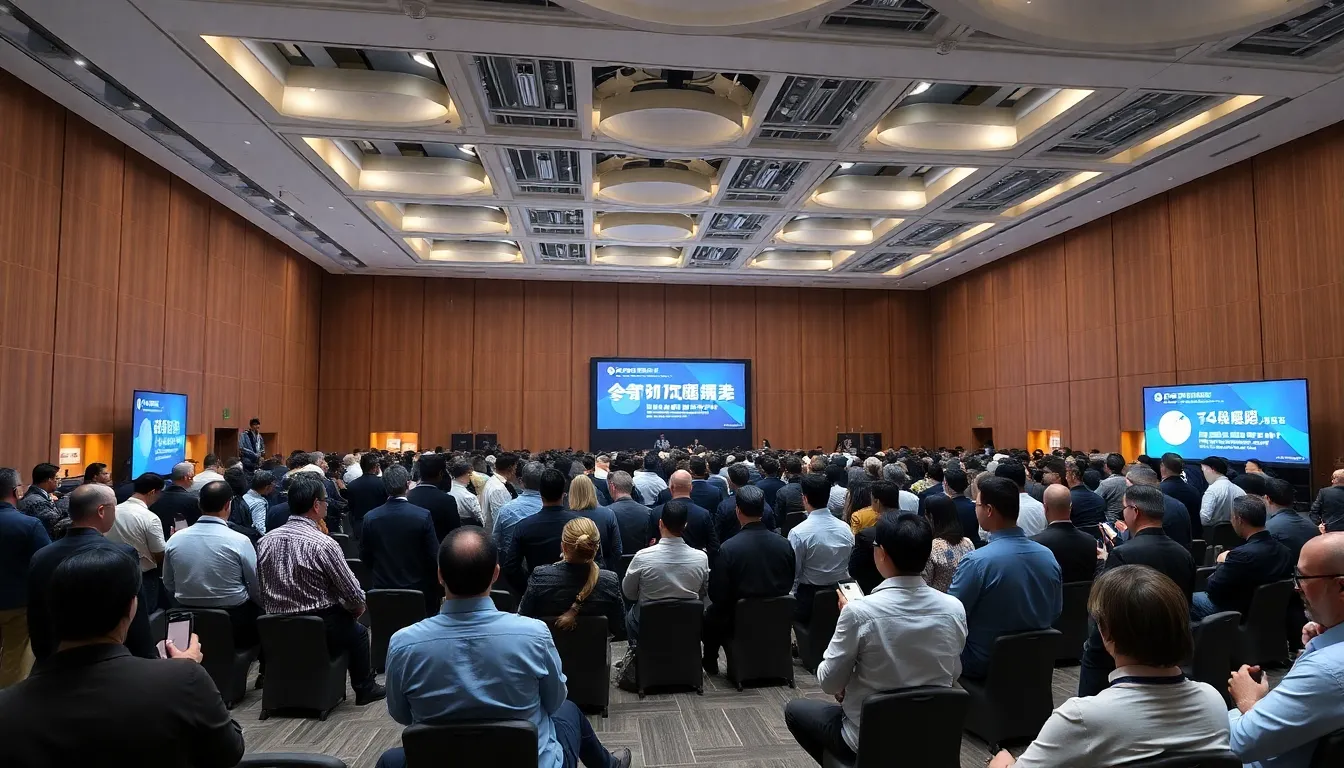
Technology companies, ranging from startups to established giants, are primarily driven by profit and market share. Their interests often include innovation, intellectual property protection, and expanding user bases. However, this pursuit can lead to ethical dilemmas, particularly regarding data privacy, user consent, and the implications of artificial intelligence.
Government regulators play a critical role in overseeing the tech industry. They are tasked with balancing innovation with public safety and welfare. This often results in conflicts over regulations that may stifle growth or, conversely, allow harmful practices to flourish. For instance, debates around antitrust laws have intensified as governments seek to rein in monopolistic behaviors of major tech firms.
Consumers also represent a significant stakeholder group. Their interests can vary widely, from seeking cutting-edge technology to demanding better privacy protections. As users become more aware of their data rights, there is an increasing push for transparency and accountability from tech companies. This shift can create trade-offs between user convenience and security.
- Data Privacy: Ongoing debates about user consent and data protection laws.
- Monopolistic Practices: Concerns about the dominance of major tech firms and its impact on competition.
- Innovation vs. Regulation: The tension between fostering innovation and implementing necessary regulations.
- Consumer Rights: The growing demand for transparency and ethical practices in technology use.
- Global Standards: The challenge of creating uniform regulations across different countries.
How Recent Innovations Affect Consumers and Markets
The recent surge in technological advancements has far-reaching implications for various groups, industries, and regions. Consumers, businesses, and policymakers are all experiencing shifts in their daily operations and interactions due to emerging technologies. From artificial intelligence to blockchain, these innovations are reshaping the landscape of numerous sectors.

In the short term, consumers are likely to see immediate changes in their daily lives, with enhanced convenience and efficiency in services such as online shopping, banking, and transportation. For instance, the rise of AI-driven customer service solutions is streamlining interactions, making them faster and more personalized. However, this also raises concerns regarding job displacement in traditional roles, particularly in customer service and retail sectors.
Industries such as healthcare and finance are experiencing significant transformations as well. The integration of telemedicine and fintech solutions is improving access to services while also creating new regulatory challenges. Policymakers are tasked with adapting existing frameworks to accommodate these innovations, ensuring consumer protection while fostering growth.
- Short-term impacts: Increased convenience for consumers, job displacement in certain sectors.
- Mid-term impacts: Regulatory adjustments, new business models emerging.
- Opportunities: Growth in tech-driven sectors, enhanced service delivery.
- Risks: Economic inequality, privacy concerns.
Regions with robust tech ecosystems, such as Silicon Valley and major urban centers, are likely to benefit the most from these innovations, attracting talent and investment. Conversely, areas with less technological infrastructure may face challenges in keeping pace, potentially widening the economic divide. Balancing these impacts will be crucial as society navigates this rapidly evolving landscape.
A: Currently, artificial intelligence, blockchain, and the Internet of Things are among the most significant technology trends shaping various industries. A: These trends enhance user experiences, improve efficiency, and often lead to new products and services that cater to consumer needs. A: Yes, risks include data privacy concerns, job displacement due to automation, and the potential for increased inequality. A: Startups are crucial as they drive innovation, challenge established companies, and often bring fresh ideas to the market. A: Individuals can follow tech news websites, subscribe to industry newsletters, and participate in tech forums and discussions.
Frequently Asked Questions about Technology Trends
Insights and Future Outlook on Technology Advancements
The rapid evolution of technology continues to reshape industries, economies, and daily life. As innovations such as artificial intelligence, blockchain, and the Internet of Things gain traction, understanding their implications becomes crucial for businesses and individuals alike. The interplay between these technologies not only enhances operational efficiencies but also raises ethical considerations and challenges that must be navigated carefully.
Looking ahead, the integration of advanced technologies presents both opportunities and risks. Stakeholders must remain vigilant to harness the benefits while mitigating potential downsides. Observing emerging trends will be essential for adapting strategies in an ever-changing landscape.
- Invest in continuous learning to keep pace with technological advancements and their applications.
- Monitor regulatory developments related to data privacy and security as technology evolves.
- Explore collaborative opportunities between tech firms and traditional industries to drive innovation.
- Evaluate the ethical implications of adopting emerging technologies to ensure responsible usage.
- Stay informed about consumer behavior shifts influenced by new tech trends to remain competitive.