


The incident involved a hiking group led by a local guide, who had been conducting tours to the summit regularly. Witnesses reported that the eruption occurred without any prior warning, highlighting the unpredictable nature of volcanic activity in Indonesia, which sits on the Pacific “Ring of Fire”. For more on the unique geological aspects of this area, check out the article on the Genius of Ron Carter.
Authorities have since increased monitoring of volcanic activity and issued warnings to both local residents and tourists. The National Disaster Mitigation Agency (BNPB) has reiterated the importance of adhering to safety guidelines when venturing into areas with known volcanic activity, emphasizing the need for better preparedness in the face of natural disasters.
This event has reignited discussions about the balance between tourism and safety in Indonesia, a country that attracts thousands of adventure seekers to its natural wonders. As authorities assess the damage and investigate the circumstances surrounding the eruption, the focus remains on ensuring the safety of both hikers and local communities in the future. Ultimately, this incident underscores the challenges faced by those promoting adventure tourism.
Understanding the geological activity of Indonesian volcanoes
Indonesia is home to some of the most active volcanoes in the world, a consequence of its position on the Pacific Ring of Fire. This region is characterized by a high level of tectonic activity, where several tectonic plates converge, leading to frequent volcanic eruptions and earthquakes. The country’s geological landscape has been shaped over millennia by these natural forces, resulting in a rich diversity of volcanic formations.
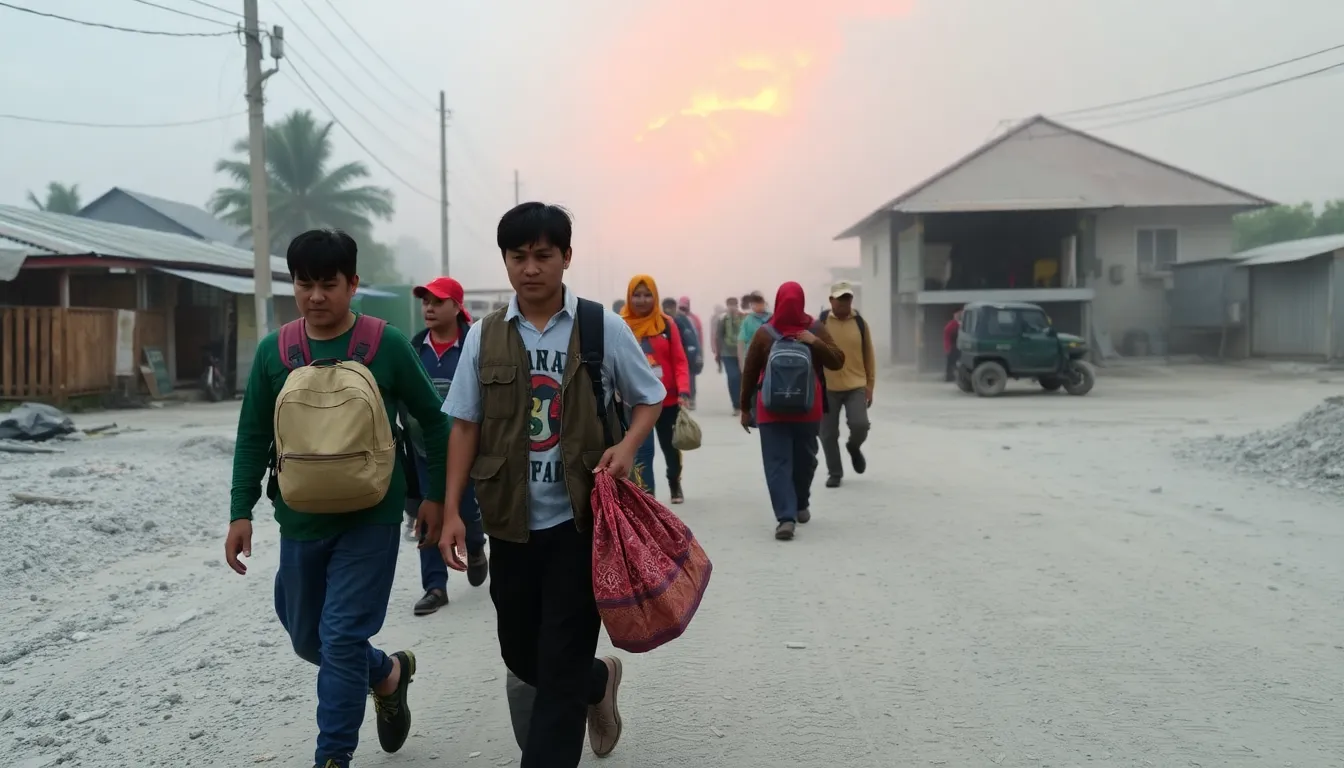
The historical significance of Indonesian volcanoes cannot be overstated. Major eruptions, such as the catastrophic eruption of Mount Tambora in 1815, have had profound impacts not only on the local environment but also on global climate patterns. Tambora’s eruption led to the “Year Without a Summer” in 1816, causing widespread agricultural failures and food shortages across the Northern Hemisphere. Such events highlight the potential for volcanic activity to disrupt lives far beyond the immediate vicinity of the eruption, emphasizing the importance of safety measures in adventure tourism.
In recent years, increased tourism has led to a growing number of hikers and adventurers exploring these majestic volcanoes. While this has brought economic benefits to local communities, it also raises concerns about safety and preparedness in the event of an eruption. The Indonesian government has implemented various monitoring systems to track volcanic activity, yet the unpredictable nature of these geological phenomena poses ongoing challenges for both tourists and authorities.
The balance between tourism and safety
As more individuals embark on hiking expeditions to Indonesia’s volcanoes, the need for effective safety measures becomes paramount. Local guides play a crucial role in educating hikers about the risks involved and ensuring that they are prepared for sudden changes in volcanic activity. However, the balance between promoting tourism and ensuring visitor safety remains a complex issue, especially in a region where nature can be both beautiful and perilous.
The implications of natural disasters on adventure tourism
Adventure tourism has gained significant popularity, drawing thrill-seekers to remote and often volatile locations. The recent eruption of an Indonesian volcano, which occurred while a group of hikers was being led to its summit, underscores the inherent risks associated with such activities. This incident highlights the complex interplay between various stakeholders, including tour operators, local governments, and the hikers themselves.
Tour operators are primarily motivated by profit and customer satisfaction, often promoting experiences that push the boundaries of safety. However, their interests can conflict with the need for adequate safety measures and risk assessments. In this case, the eruption raises questions about the responsibilities of tour guides and the adequacy of emergency protocols in place.
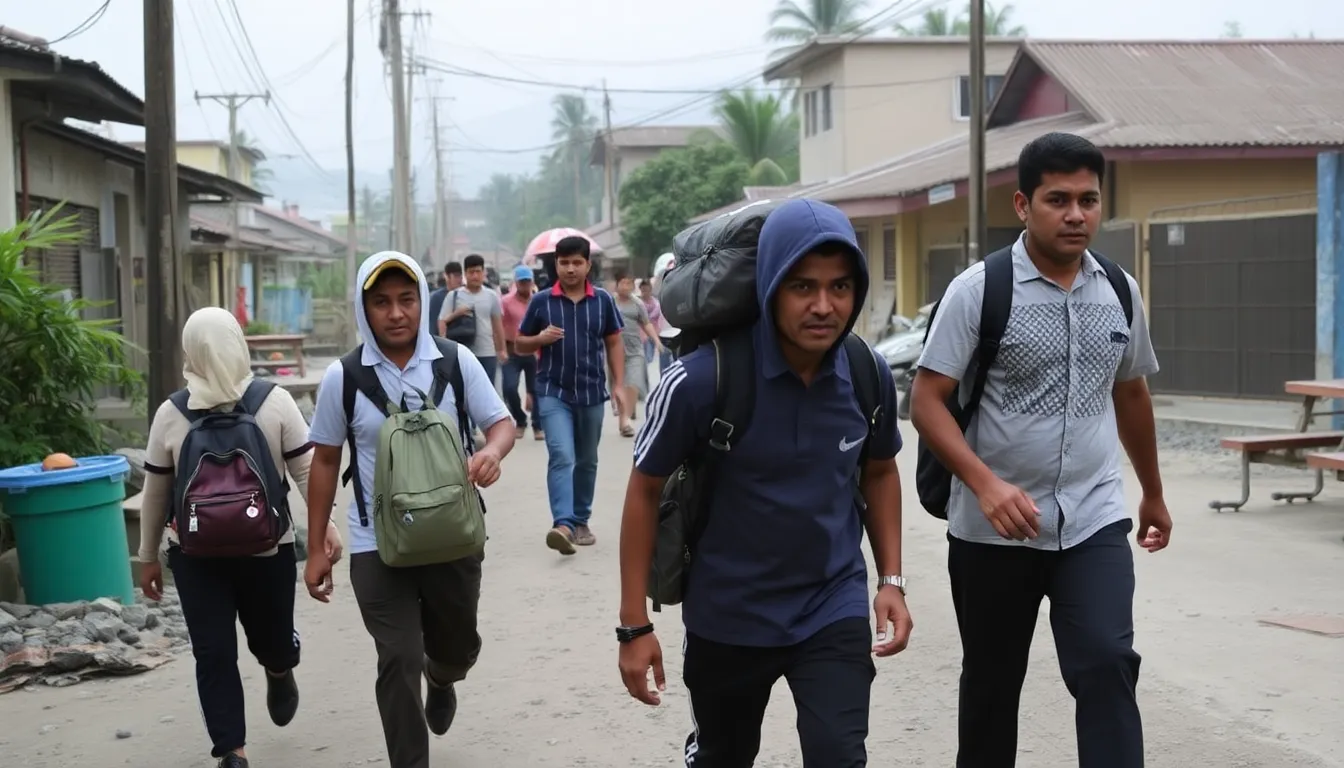
Local governments and tourism boards have a vested interest in promoting adventure tourism as a means of economic development. They may face pressure to downplay risks to attract visitors, which can lead to tension between economic gains and public safety. This incident may prompt a reevaluation of regulations governing tour operations in volcanic regions, balancing the need for tourism revenue with the imperative of ensuring visitor safety.
Moreover, the hikers themselves, often unaware of the potential dangers, seek adventure and unique experiences. Their interests may conflict with the realities of natural hazards, raising ethical questions about informed consent and the duty of care owed by tour operators. The aftermath of such disasters can lead to legal disputes, as victims may seek compensation for perceived negligence.
- Tour Operators: Profit and customer satisfaction vs. safety responsibilities.
- Local Governments: Economic development vs. public safety regulations.
- Hikers: Desire for adventure vs. awareness of natural risks.
- Emergency Services: Preparedness and response capabilities during crises.
- Environmental Groups: Advocacy for sustainable tourism practices.
How the eruption affected hikers and local communities
The recent eruption of the Indonesian volcano has had significant repercussions for various groups, particularly hikers, local residents, and the tourism industry. Hikers who were on the mountain during the eruption faced immediate danger, while local communities are now grappling with the aftermath and its implications for their livelihoods.
The tourism sector, a vital part of the local economy, has been hit hard. Many travelers are now hesitant to visit the region, leading to a decline in bookings and revenue for local businesses such as hotels, restaurants, and tour operators. This sudden drop in tourism can strain the financial stability of these businesses, affecting employees and their families.
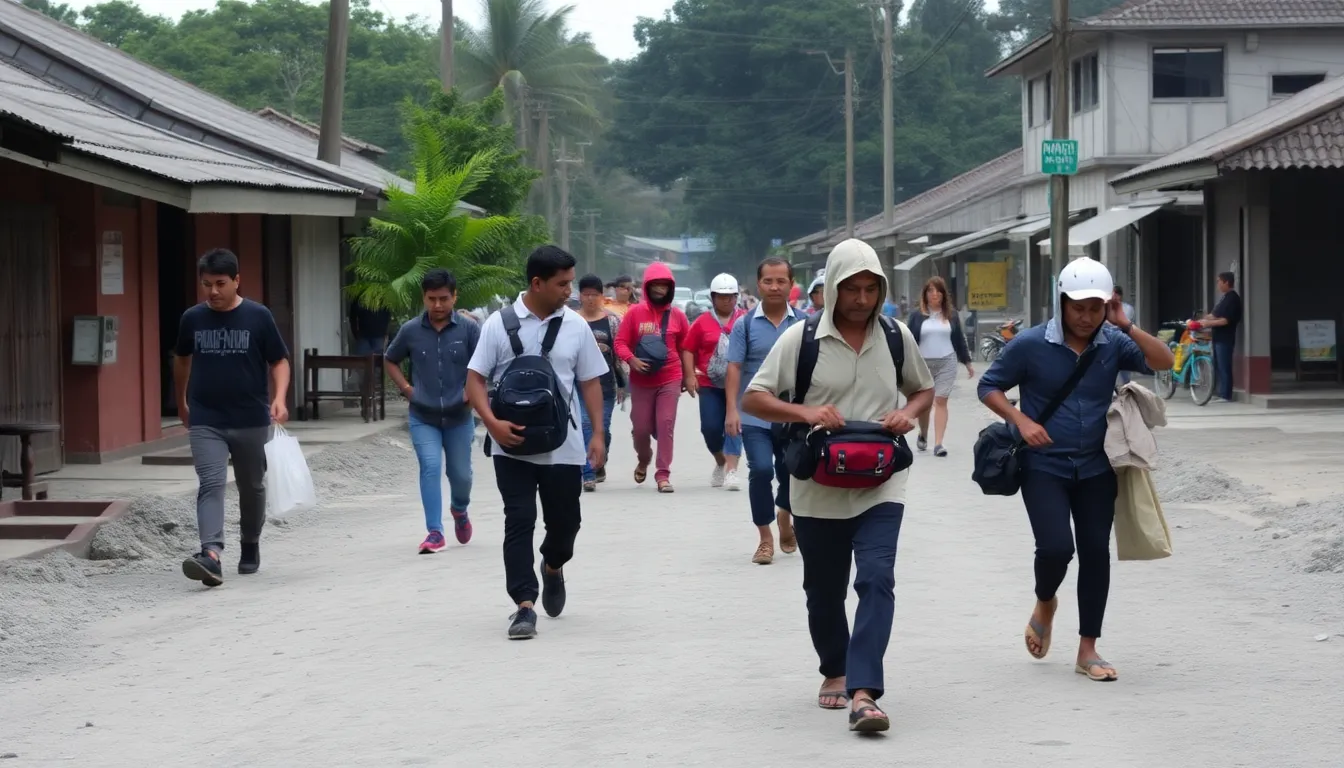
In the short term, local communities are dealing with the physical and emotional toll of the eruption. Evacuations, loss of property, and the disruption of daily life are immediate concerns. In the mid-term, the potential for policy changes regarding safety regulations and disaster preparedness may arise as authorities assess the situation and seek to prevent future tragedies.
- Risks: Increased safety concerns may deter tourists, impacting local businesses.
- Opportunities: This incident could lead to improved disaster response strategies and infrastructure investments.
- Community resilience: Local communities may come together to support one another, fostering a sense of unity and collaboration.
Overall, while the eruption poses significant challenges, it also opens avenues for growth and improvement in safety and community engagement, which could benefit the region in the long run.
A: The eruption was triggered by increased seismic activity, which is common in volcanic regions. Hikers were caught off guard as the eruption occurred suddenly. A: Yes, several hikers sustained injuries during the eruption, primarily due to falling debris and the chaotic evacuation process. A: Hikers should always check for volcanic activity alerts, travel with experienced guides, and have an emergency plan in place. A: Hikers should stay calm, follow their guide’s instructions, and evacuate the area quickly while avoiding low-lying regions that may be affected by lava flows. A: Yes, local authorities and organizations are working to assess the damage and provide assistance to those affected by the eruption.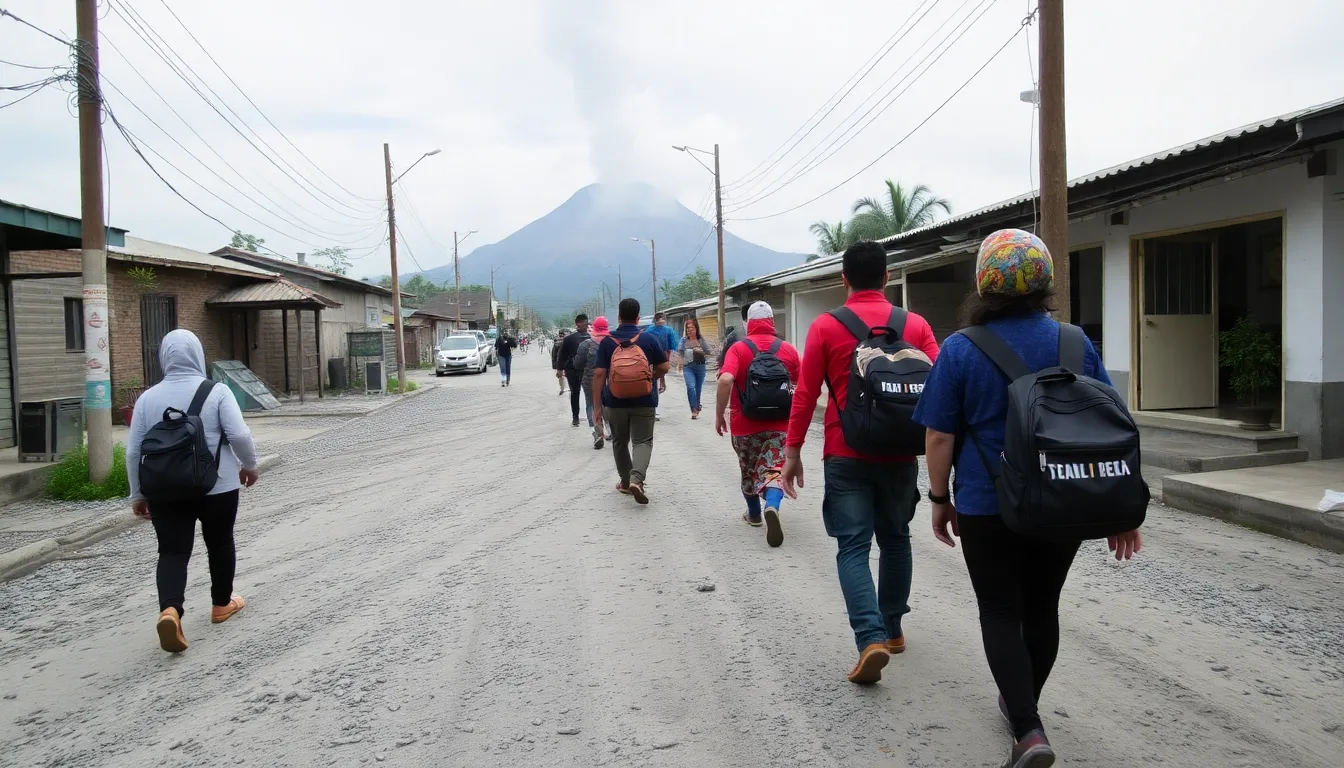
Frequently asked questions about the eruption and safety
Key takeaways and future considerations for hikers
The recent eruption of the Indonesian volcano during a hiking expedition serves as a stark reminder of the unpredictable nature of volcanic activity. Hikers must remain vigilant and informed about the geological conditions of the areas they explore. This incident highlights the need for proper preparation, awareness of environmental signals, and adherence to safety protocols when engaging in outdoor adventures.
As the landscape of adventure tourism evolves, it becomes increasingly important for hikers to consider not only their personal safety but also the ecological impact of their activities. Understanding the risks associated with volcanic regions can enhance both the enjoyment and safety of future hikes.
- Stay informed about volcanic activity and geological changes in hiking regions.
- Always follow local guidelines and advice from experienced guides when exploring potentially hazardous areas.
- Equip yourself with emergency supplies and develop a clear evacuation plan before embarking on hikes.
- Consider the environmental impact of hiking activities and practice sustainable tourism.
- Engage with local communities to gain insights on the region’s natural hazards and cultural significance.