


This initiative is particularly important given the historical context of long wait times at border checkpoints during the summer months.
In light of the ongoing recovery from the COVID-19 pandemic, the Greek tourism sector is eager to attract visitors and boost the economy. With over 3 million British tourists visiting Greece annually, the government’s proactive approach is seen as vital for revitalizing the tourism industry. Kikilias highlighted the importance of maintaining Greece’s reputation as a top summer destination.
The announcement aligns with broader efforts across Europe to facilitate travel and support tourism in the post-pandemic landscape. As countries navigate the challenges of reopening, Greece’s commitment to minimizing border delays is a strategic move to encourage travel and ensure a successful summer season for its tourism sector.
Understanding the background of border delays and travel concerns
The issue of border delays for British travelers has been a topic of concern since the United Kingdom’s exit from the European Union in January 2020. The transition marked a significant change in travel regulations and procedures, leading to uncertainties regarding the movement of people between the UK and EU countries. This shift raised fears of longer wait times at borders, particularly during peak travel seasons, as new checks and documentation requirements were introduced.
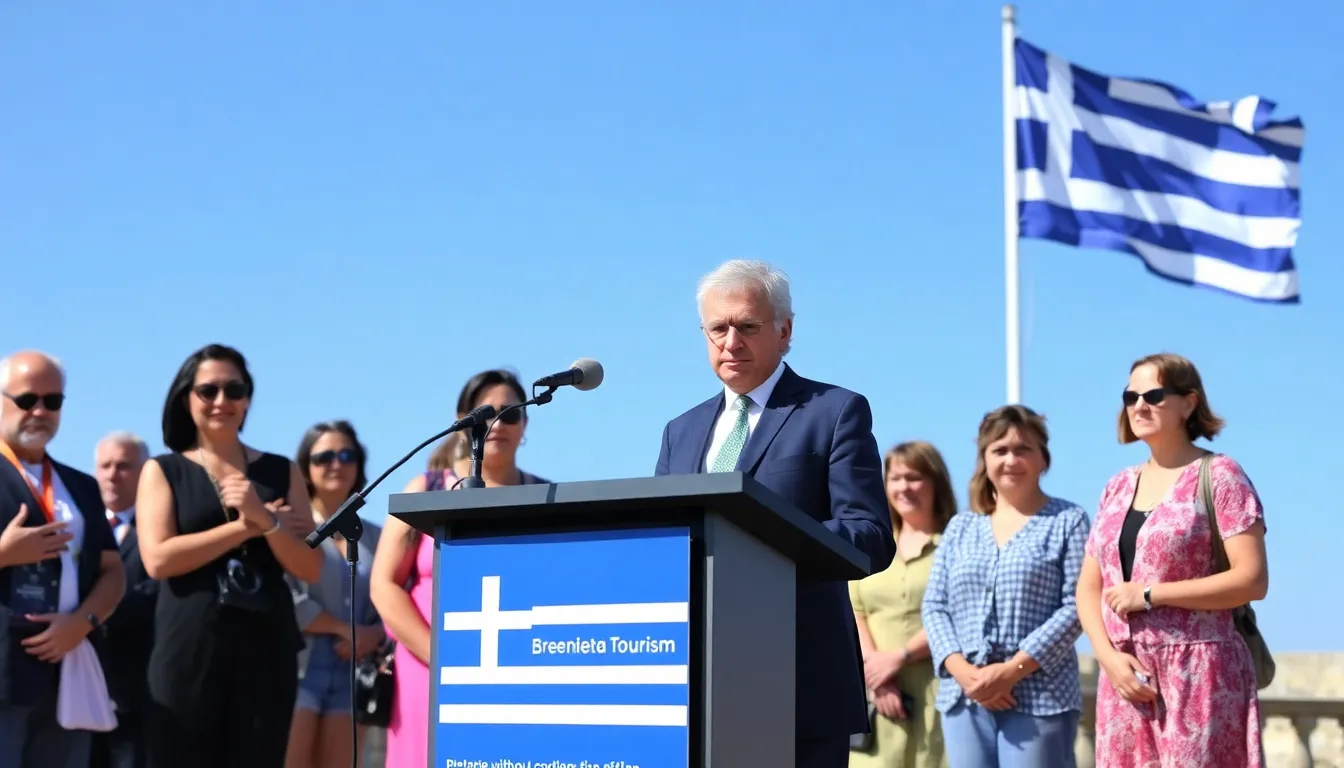
Historically, British citizens enjoyed relatively seamless travel across Europe, thanks to the freedom of movement established by the EU. However, post-Brexit, the introduction of new customs and immigration controls has prompted worries about potential congestion at popular destinations, especially during the summer months when tourist traffic surges. The Greek tourism sector, heavily reliant on British visitors, has been particularly vocal in addressing these concerns, emphasizing their commitment to ensuring a smooth travel experience.
The Economic Impact of Travel Delays
In response to the potential for border delays, the Greek government has implemented measures aimed at streamlining the entry process, including increased staffing at border points and enhanced cooperation with UK authorities.
Moreover, the pandemic further complicated travel dynamics, with varying restrictions and health protocols affecting international travel. As countries began to reopen, the importance of clear communication and effective management of border processes became paramount. The Greek tourism minister’s recent statements reflect an understanding of these complexities and a commitment to fostering a positive travel environment for British tourists.
Key issues and stakeholders involved in the border delay discussions
The announcement by the Greek tourism minister regarding the absence of summer border delays for British travelers has significant implications for various stakeholders. The primary actors include the British government, Greek authorities, tourism operators, and travelers themselves, each with distinct interests and concerns.
For the British government, ensuring smooth travel for its citizens is crucial, particularly during peak holiday seasons. This aligns with their broader agenda of promoting international travel and supporting the economy post-pandemic. Conversely, the Greek government is focused on attracting tourists to boost its economy, which heavily relies on tourism revenue. The seamless border experience is vital to maintaining Greece’s reputation as a top summer destination.

Tourism operators and businesses in Greece are also key stakeholders. They are invested in ensuring that the influx of tourists is not hindered by bureaucratic delays, as this could affect their profits and the overall tourist experience. Additionally, British travelers themselves are concerned about potential delays that could impact their holiday plans, making the assurance of no border delays a significant factor in their travel decisions.
- Economic Impact: Delays could lead to reduced tourist numbers, affecting local economies reliant on summer tourism.
- Legal Considerations: Changes in travel regulations and border policies may require adjustments in legal frameworks for both countries.
- Public Sentiment: The perception of travel ease can influence future travel trends and consumer confidence.
- International Relations: Smooth border operations can enhance diplomatic relations between the UK and Greece.
In summary, the interplay of interests among these stakeholders highlights the complexities surrounding border regulations and their implications for tourism. The commitment to avoid summer delays reflects a collaborative approach to fostering economic growth while addressing the concerns of travelers and tourism businesses alike.
The potential impact on British tourists and the Greek tourism industry
This ease of access is crucial for the tourism sector, which heavily relies on British visitors, especially during the peak summer months, as noted in related discussions on tourism trends.
In the short term, the immediate impact will likely be felt in the hospitality and service industries across popular Greek destinations. Hotels, restaurants, and local businesses that cater to tourists can expect a surge in demand as British travelers feel more confident in planning their vacations without the worry of lengthy border checks. This could lead to a boost in employment opportunities in these sectors as businesses prepare to accommodate an influx of tourists.
However, there are also risks associated with this increased flow of tourists. The potential for overcrowding in popular tourist spots could strain local resources and infrastructure, leading to challenges in managing waste, transportation, and public services. Additionally, a sudden increase in demand might drive up prices, affecting affordability for some travelers.
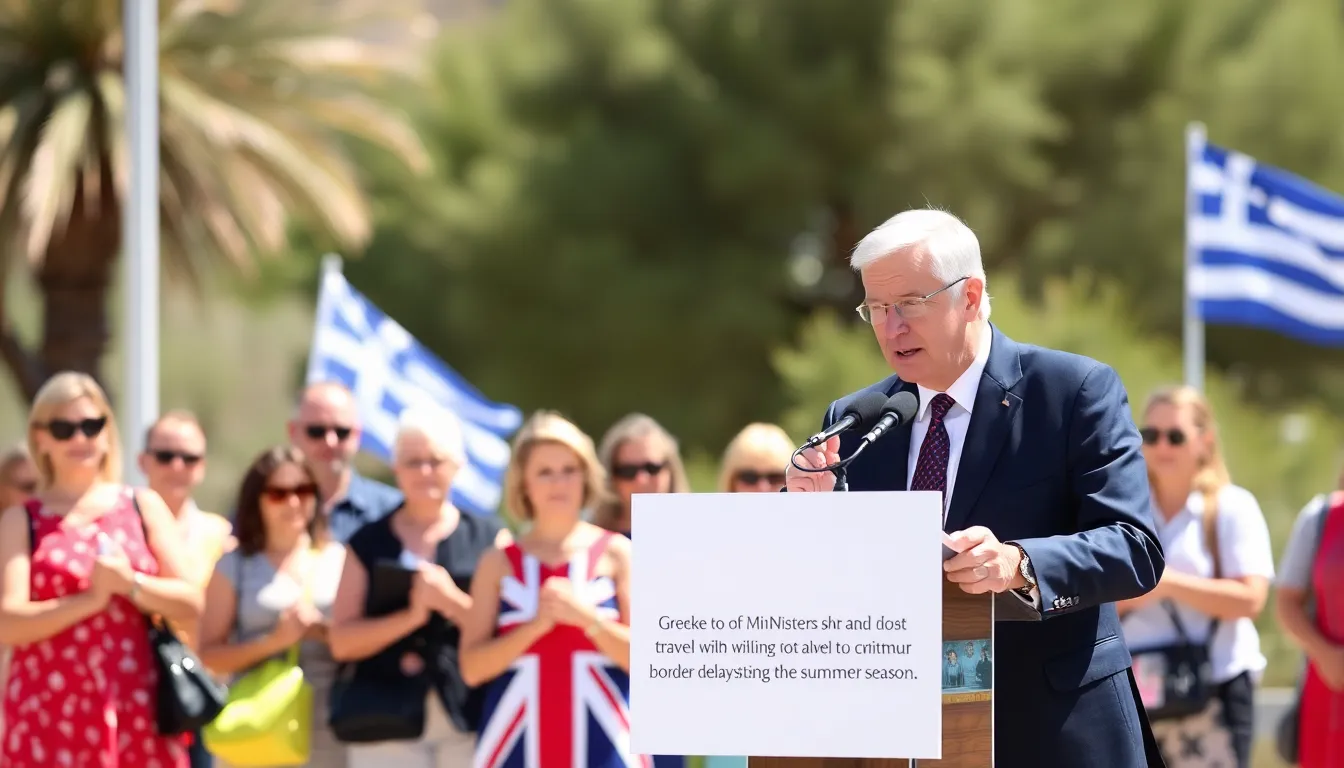
- Opportunities: Increased tourist spending could lead to economic growth in local communities.
- Risks: Overcrowding may diminish the quality of the tourist experience.
- Policy implications: Local governments may need to implement measures to manage tourist numbers effectively.
In the mid-term, the Greek tourism industry may also see changes in marketing strategies, as businesses adapt to attract not only British tourists but also other international visitors who may be encouraged by the news. This could foster a more competitive tourism environment, prompting innovations in services and experiences offered to travelers.
A: Currently, the Greek tourism minister has stated that no changes are expected, and British travelers can enjoy a smooth travel experience. A: Authorities are implementing streamlined processes and increased staffing at border points to minimize delays. A: The assurance of no delays is likely to boost British tourist confidence, encouraging more visits during the summer season. A: As of now, there are no specific advisories, but travelers are encouraged to stay updated on any changes. A: Travelers should check their documentation, stay informed about any local regulations, and enjoy their trip without worry about border delays.
Frequently asked questions about summer travel to Greece
Key takeaways and future outlook for summer travel
The assurance from the Greek tourism minister regarding the absence of summer border delays for British travelers is a significant development for the tourism sector. This announcement not only alleviates concerns for holidaymakers but also emphasizes Greece’s commitment to maintaining a smooth travel experience during the peak season. As the summer approaches, it is essential to monitor how this assurance translates into improved travel logistics and customer satisfaction.
Furthermore, the cooperation between the UK and Greece in managing border processes could set a precedent for other countries, potentially enhancing overall travel efficiency across Europe. Stakeholders in the tourism industry should remain attentive to how these measures impact tourist numbers and the broader economic implications for both countries.
- Increased traveler confidence: The absence of expected delays may encourage more Britons to travel to Greece, boosting tourism numbers.
- Potential for economic growth: A surge in visitors could benefit local economies, particularly in popular tourist regions.
- Monitoring of border processes: Observing how effectively Greece implements these assurances will be crucial for future travel policies.
- Impact on other destinations: Greece’s success in managing border delays may influence other European countries to adopt similar measures.
- Long-term travel trends: This situation may reshape travel patterns, with travelers seeking destinations that prioritize seamless experiences.