


Several organizations, such as the National End-of-Life Doula Alliance (NEDA), have emerged to standardize training and promote the role of death doulas. Established in 2015, NEDA has been instrumental in educating the public about the benefits of having a doula present during the dying process. This shift in perspective is crucial as traditional healthcare settings often focus on medical interventions rather than holistic support.
Recent surveys indicate that a growing number of people are open to alternative approaches to end-of-life care. According to a 2022 study by the Pew Research Center, nearly 60% of Americans believe that having a doula can improve the quality of dying. This evolving mindset highlights a cultural shift towards valuing compassionate care and personal choice in the dying process.
As discussions around death and dying become more prevalent in society, the role of death doulas is being recognized as vital in fostering open conversations about mortality. Events such as Death Cafés and community workshops are springing up across the country, providing platforms for individuals to explore their fears and wishes regarding death. This growing awareness underscores the importance of integrating death doulas into the broader conversation about end-of-life care.
The Historical Context of Death Doulas and End-of-Life Care
The concept of death doulas is rooted in ancient traditions where individuals played a crucial role in guiding the dying through their final moments. Historically, many cultures employed community members who were trained to support both the dying and their families, providing not only physical assistance but also emotional and spiritual guidance. This practice has evolved over centuries, reflecting changing societal attitudes towards death and dying.
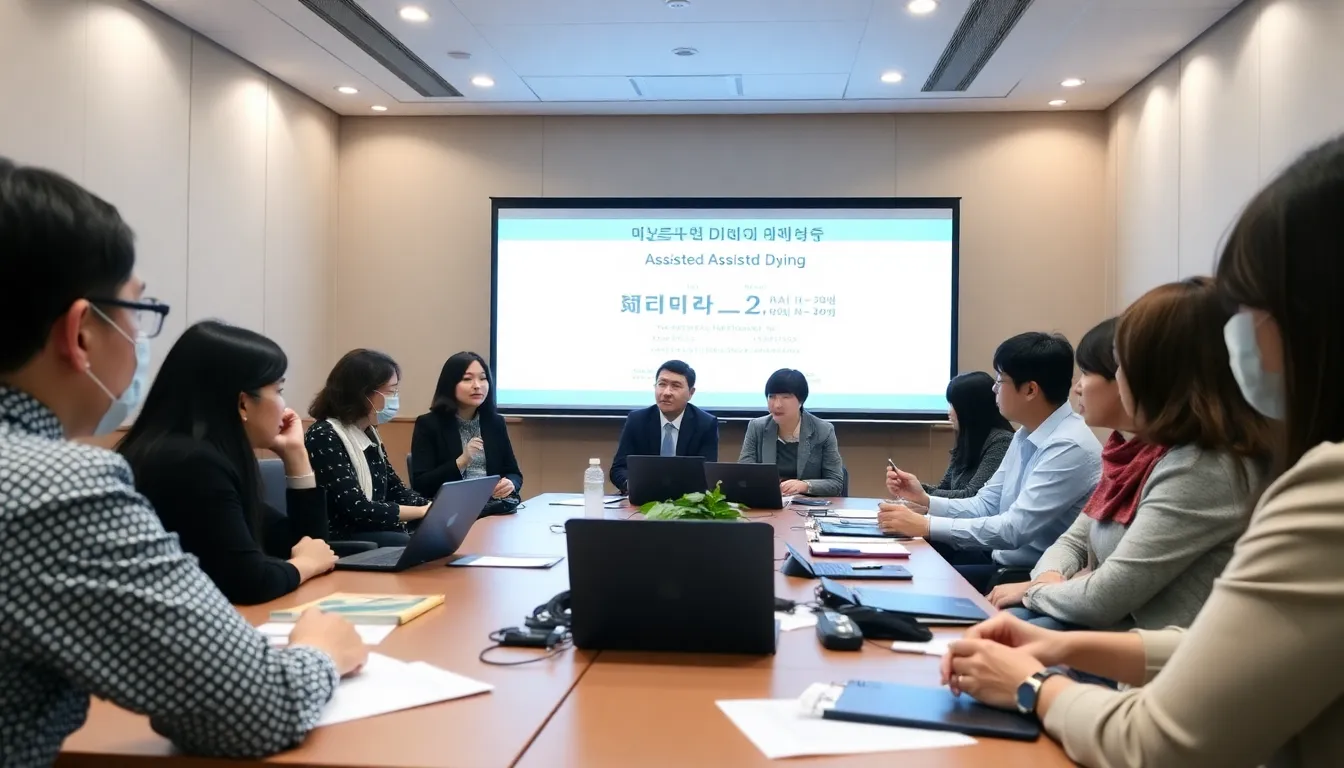
In the 20th century, the medicalization of death significantly altered how society approached end-of-life care. With advancements in medical technology and a focus on prolonging life, death became increasingly clinical and detached from the natural process. This shift led to a growing disconnect between individuals and their mortality, often resulting in fear and anxiety surrounding death. As a response, the hospice movement emerged in the 1960s, advocating for compassionate care that prioritized quality of life over aggressive treatments.
The establishment of hospice care marked a pivotal milestone in the evolution of end-of-life support. It emphasized the importance of holistic approaches to dying, integrating physical, emotional, and spiritual care. This movement laid the groundwork for the modern death doula profession, which seeks to fill the gaps left by traditional medical practices. Death doulas are now recognized as essential companions who help navigate the complexities of dying, offering personalized support tailored to the needs of the individual and their loved ones.
The Rise of the Death Doula Movement
In recent years, the death doula movement has gained momentum, reflecting a societal shift towards embracing death as a natural part of life. Increased awareness of the benefits of having a death doula has led to a growing acceptance of their role in end-of-life care. Educational programs and certification courses have emerged, equipping individuals with the skills needed to support the dying effectively. This resurgence of interest in death doulas highlights a collective desire for more compassionate, personalized, and meaningful end-of-life experiences.
Key Issues Surrounding Death Doulas and Dying
Death doulas, also known as end-of-life doulas, play a significant role in the dying process, providing emotional, physical, and spiritual support to individuals and their families. As this profession gains recognition, various stakeholders emerge, each with distinct interests and concerns. Understanding these stakeholders is essential for navigating the complex landscape of end-of-life care.
One primary group of stakeholders includes healthcare providers, such as hospitals and hospice organizations, which may view death doulas as complementary to traditional medical care. Their interest lies in enhancing patient experience and satisfaction during the dying process. However, there can be tension between medical professionals and death doulas regarding the scope of care, leading to potential conflicts over responsibilities and authority.

Families of the dying are also critical stakeholders. They often seek personalized support and guidance during a challenging time. Death doulas can offer tailored care that aligns with the family’s values and wishes, yet this can create trade-offs with established medical protocols. Families may face dilemmas in choosing between conventional medical interventions and the holistic support provided by death doulas.
Legal and regulatory issues further complicate the role of death doulas. In some regions, there are unclear guidelines regarding their practice, leading to questions about liability and the extent of their involvement in end-of-life decisions. This uncertainty can create barriers for death doulas seeking to establish themselves as trusted professionals within the healthcare system.
- Healthcare providers may feel threatened by the increasing presence of death doulas.
- Families may struggle with conflicting advice from medical staff and death doulas.
- Legal ambiguities can hinder the professionalization of death doulas.
- Insurance coverage for doula services remains inconsistent and often limited.
- Societal attitudes towards death and dying influence the acceptance of death doulas.
The Impact of Death Doulas on Families and Healthcare Systems
The introduction of death doulas into the healthcare landscape affects a variety of groups, including families facing end-of-life decisions, healthcare providers, and even policymakers. Families who engage with death doulas often find themselves better equipped to navigate the emotional and logistical challenges of dying, creating a more supportive environment for their loved ones. This shift can lead to a more meaningful and personalized experience during a time that is often fraught with anxiety and uncertainty.
Healthcare systems are also impacted as death doulas work alongside medical professionals to provide holistic care. This collaboration can enhance patient satisfaction and reduce the burden on hospital resources by offering alternative support options outside of traditional medical settings. As the role of death doulas becomes more recognized, there is potential for integration into palliative care programs, fostering a more comprehensive approach to end-of-life care.
In the short term, families may experience immediate emotional relief and improved communication about dying, while healthcare providers could see a decrease in emergency interventions as patients receive more tailored support. However, there are risks associated with this emerging field, such as the potential for misunderstandings regarding the scope of a death doula’s role, which could lead to conflicts with medical staff or misaligned expectations among families.
Mid-term impacts may include shifts in policy as more healthcare institutions recognize the value of death doulas. This could lead to the establishment of certification programs and regulatory frameworks, ensuring that death doulas are adequately trained and recognized within the healthcare system. Such changes could create opportunities for new business models focused on end-of-life services, including training programs and support networks.
- Enhanced emotional support for families during end-of-life care.
- Potential reduction in hospital resource utilization.
- Opportunities for new business models in end-of-life services.
- Need for clear regulations and training standards for death doulas.
- Possible conflicts between medical staff and death doulas regarding care roles.
A: A death doula provides emotional, spiritual, and practical support to individuals who are dying and their families. They help navigate the dying process, offering guidance and comfort. A: Death doulas assist families by facilitating open conversations about death, helping to create a peaceful environment, and providing resources for end-of-life planning. A: While not formally recognized in all healthcare systems, many hospitals and hospice organizations are beginning to acknowledge the value of death doulas in providing holistic care. A: Yes, anyone with a passion for supporting others through the dying process can become a death doula, often through specialized training programs. A: A death doula focuses on emotional and spiritual support, while a hospice nurse provides medical care and symptom management for patients nearing the end of life.
Frequently Asked Questions About Death Doulas
Key Takeaways and Future Perspectives on Dying
As society continues to grapple with the complexities of death and dying, the insights offered by death doulas provide a profound opportunity for reflection and growth. These professionals emphasize the importance of open conversations about end-of-life preferences, fostering a more compassionate and informed approach to dying. By integrating their practices into broader healthcare discussions, we can enhance the quality of life for individuals facing terminal conditions and their families.
Looking ahead, the role of death doulas may evolve, potentially influencing policies and practices surrounding palliative care. Their emphasis on emotional support and personalized care can guide healthcare providers in creating more holistic treatment plans that honor individual wishes and promote dignity in the dying process.
- Foster open dialogues: Encourage discussions about death early on, allowing individuals to express their wishes and fears.
- Integrate holistic care: Consider emotional and spiritual support as essential components of end-of-life care.
- Educate healthcare professionals: Provide training on the role and benefits of death doulas to enhance patient care.
- Support family involvement: Recognize the importance of family dynamics in the dying process and support their needs.
- Advocate for policy change: Promote the inclusion of death doulas in healthcare systems to improve access to compassionate end-of-life care.