


As of 2023, numerous studies have highlighted the physiological and psychological benefits of controlled breathing techniques. Research published in journals such as the Journal of Clinical Psychology indicates that practices like box breathing can reduce anxiety levels, improve concentration, and enhance overall emotional well-being.
The COVID-19 pandemic has further accelerated interest in mindfulness and stress-reduction techniques, with many individuals seeking effective coping strategies. Online platforms and wellness apps have incorporated box breathing into their offerings, making it accessible to a broader audience seeking relief from daily stressors.
Prominent figures in wellness and mental health, including psychologists and meditation instructors, have begun advocating for box breathing as a simple yet effective tool for managing stress. This growing endorsement from experts is contributing to its rise in popularity, as more people turn to holistic approaches for mental health care.
The origins and development of box breathing techniques
Box breathing, also known as square breathing, is a technique that has its roots in ancient practices of meditation and mindfulness, particularly within the traditions of yoga and Buddhism. These practices have emphasized the importance of breath control as a means to achieve mental clarity and emotional stability. The structured nature of box breathing, which involves inhaling, holding, exhaling, and pausing for equal lengths of time, mirrors the rhythmic breathing techniques found in these ancient disciplines.
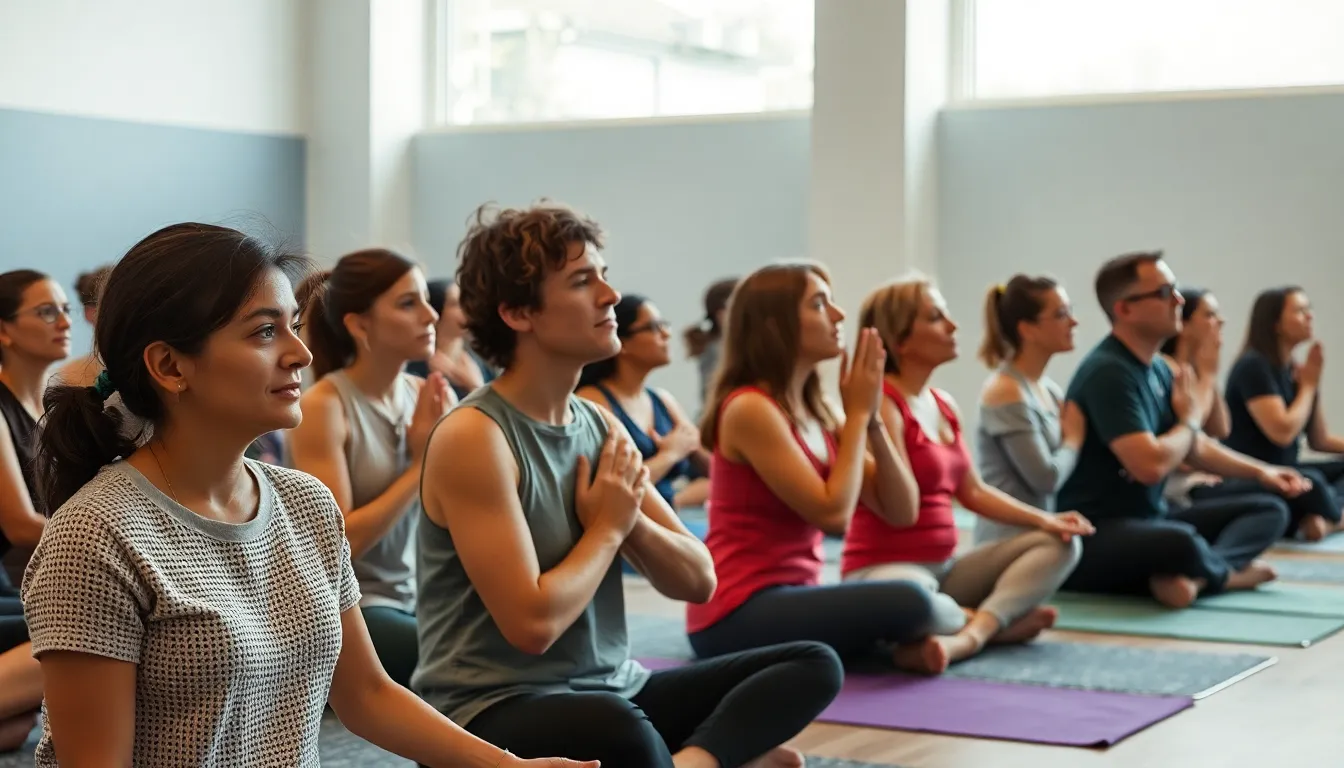
In the modern era, box breathing gained prominence in the late 20th century, particularly within military and high-stress environments. The United States Navy SEALs adopted this technique as part of their training regimen to enhance focus and composure under pressure. By controlling their breath, soldiers could better manage stress and anxiety, which are critical in high-stakes situations. This application in military training has led to a broader acceptance of box breathing in various fields, including sports, therapy, and corporate wellness programs.
The science behind box breathing
The physiological effects of box breathing have been studied extensively, revealing its impact on the autonomic nervous system. By engaging in this rhythmic breathing pattern, individuals can activate the parasympathetic nervous system, which promotes relaxation and reduces stress levels. Research indicates that such practices can lower heart rates, decrease blood pressure, and enhance overall mental well-being. This scientific validation has contributed to its popularity as a practical tool for stress management in everyday life, including techniques outlined in holistic wellness practices.
As awareness of mental health issues has increased over the past few decades, techniques like box breathing have found their way into mainstream wellness practices. Mental health professionals and wellness coaches now incorporate these techniques into their therapies, helping individuals cope with anxiety, panic attacks, and other stress-related conditions. The growing body of evidence supporting the efficacy of box breathing has made it a staple in both personal and professional development settings.
Today, box breathing is not only recognized for its historical significance but also for its versatility and accessibility. With no special equipment required, it can be practiced anywhere, making it an appealing option for individuals seeking to improve their mental resilience in an increasingly fast-paced world. As the technique continues to evolve, its integration into various aspects of daily life underscores the timeless connection between breath, mind, and body.
Key stakeholders and the significance of box breathing in wellness
Box breathing, a technique often employed in stress management and mindfulness practices, has garnered attention from various stakeholders, including healthcare professionals, mental health organizations, fitness communities, and individuals seeking personal wellness. Each group has its own interests and motivations regarding the promotion and practice of box breathing.
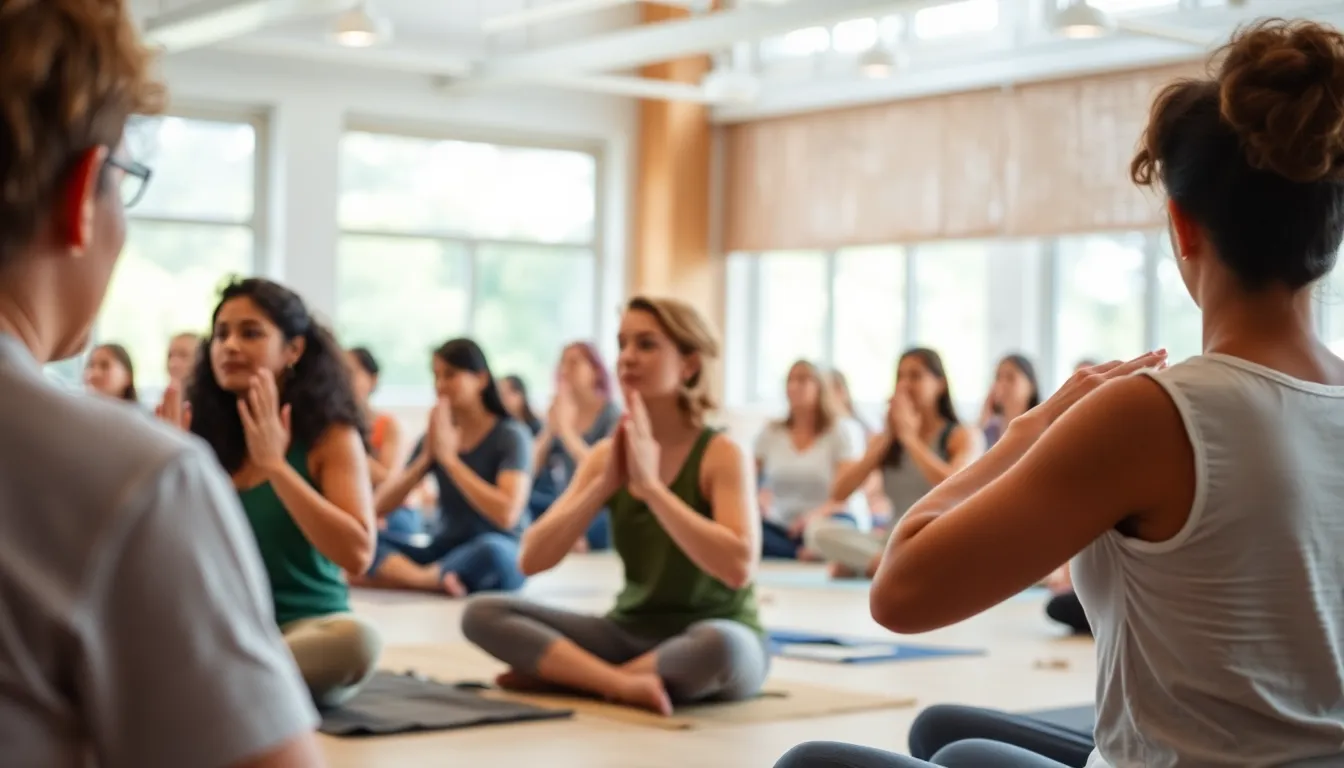
Healthcare professionals, such as psychologists and therapists, advocate for box breathing as a therapeutic tool to help patients manage anxiety and stress. Their interest lies in providing effective, evidence-based techniques that can enhance mental health outcomes. Mental health organizations may support box breathing as part of broader wellness initiatives, promoting it through workshops and educational materials to raise awareness about its benefits.
Fitness communities, including yoga instructors and personal trainers, also play a significant role in popularizing box breathing. They incorporate it into their routines to enhance physical performance and mental focus. Their interest is often tied to the holistic approach to health, where physical and mental well-being are interconnected.
- Individuals seeking stress relief and improved focus are primary users of box breathing, driven by personal health goals.
- Organizations promoting mindfulness and wellness may face challenges in integrating box breathing into existing programs.
- Conflicts may arise between traditional therapeutic practices and newer, alternative methods like box breathing.
Economically, the rise of wellness programs incorporating techniques like box breathing can lead to increased demand for related services and products, such as apps and workshops. However, there may be trade-offs regarding the accessibility of these resources, as not everyone can afford premium wellness programs. Understanding these dynamics helps to illustrate the broader implications of box breathing in the wellness landscape, which aligns with the changes discussed in the evolving wellness industry.
The effects of box breathing on mental health and performance
Box breathing is a technique that can significantly impact various groups, including students, professionals in high-stress jobs, and individuals dealing with anxiety or mental health issues. By promoting relaxation and focus, this method can enhance performance in both personal and professional settings.
In the short term, individuals practicing box breathing may experience reduced stress levels and improved concentration. This can lead to better performance in academic settings, increased productivity in the workplace, and a general sense of well-being. For businesses, encouraging employees to adopt box breathing can foster a healthier work environment, potentially reducing turnover rates and increasing job satisfaction.
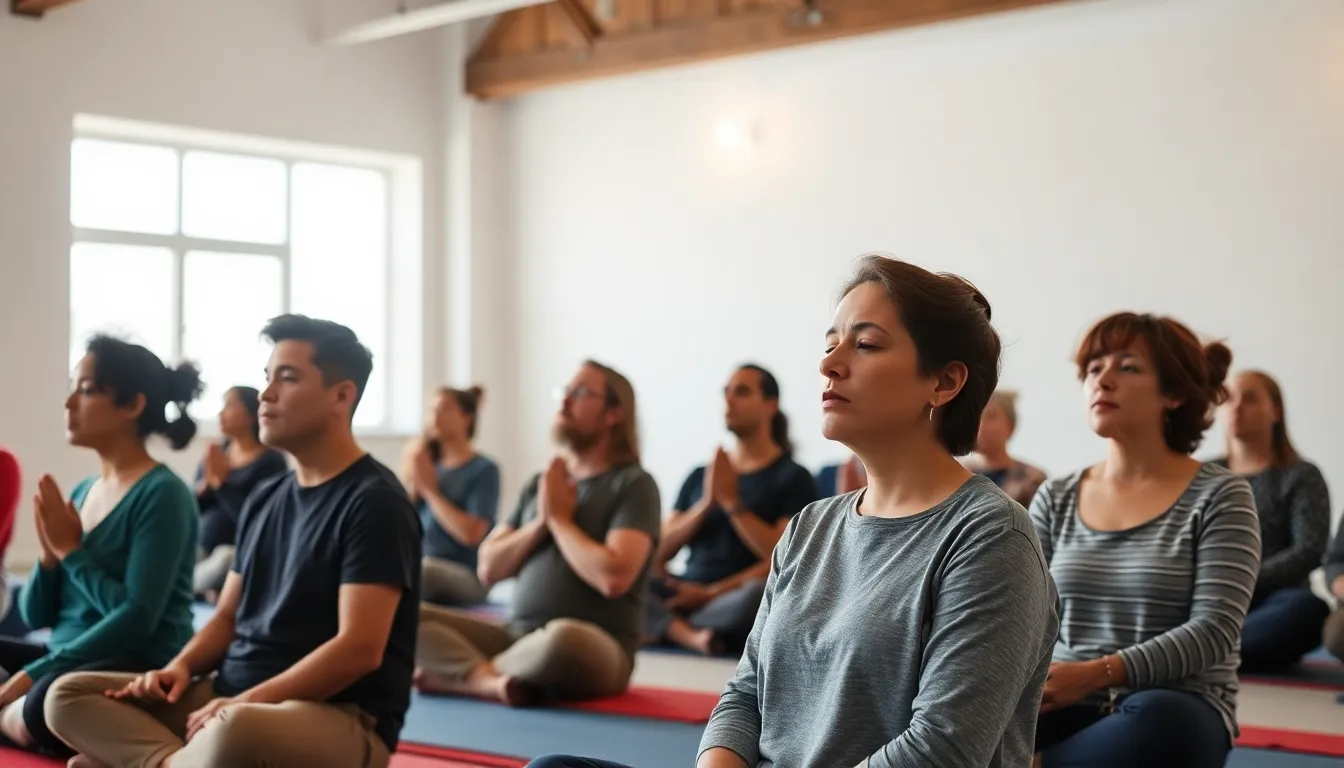
In the mid-term, the widespread adoption of box breathing techniques could influence mental health policies and workplace wellness programs. Organizations may integrate such practices into their employee assistance programs, recognizing the benefits of mental resilience in maintaining a productive workforce. Additionally, educational institutions might incorporate box breathing into their curricula to help students manage stress and enhance learning outcomes.
- Short-term impacts: Reduced stress, improved focus, enhanced productivity.
- Mid-term impacts: Changes in workplace wellness policies, integration into educational programs.
- Risks: Potential misuse of the technique without proper guidance may lead to increased anxiety for some individuals.
- Opportunities: Development of workshops and resources centered around box breathing for mental health improvement.
Overall, as awareness of box breathing grows, its influence on various sectors can lead to a more health-conscious society, encouraging individuals to take proactive steps toward managing their mental health and enhancing their performance in diverse aspects of life.
A: Box breathing is a simple breathing technique that involves inhaling, holding, exhaling, and holding the breath again for equal counts. It is often used to promote relaxation and focus. A: To practice box breathing, inhale deeply through your nose for a count of four, hold your breath for four counts, exhale slowly for four counts, and hold again for four counts. Repeat this cycle several times. A: Box breathing works by activating the body’s relaxation response, helping to reduce stress and anxiety. It also improves concentration and mental clarity. A: Yes, box breathing can be practiced by anyone, regardless of age or fitness level. It is a versatile technique that can be done anywhere. A: It is recommended to practice box breathing daily, especially during stressful situations or as part of a mindfulness routine.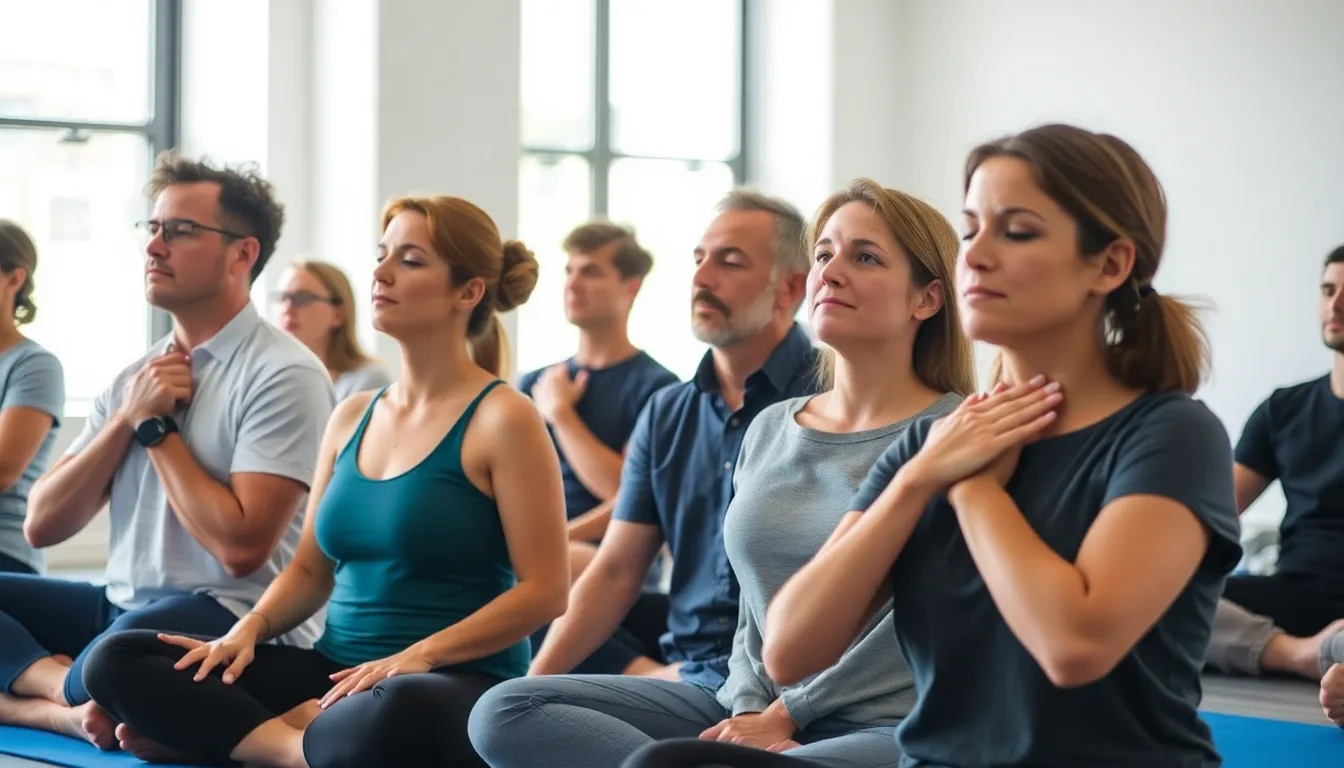
Frequently asked questions about box breathing
Key takeaways and future outlook on box breathing practices
Box breathing, a technique rooted in ancient practices, has gained recognition for its ability to enhance mental clarity and emotional regulation. As more people seek effective methods to manage stress and anxiety, this structured breathing approach offers a simple yet powerful tool for improving overall well-being. Its versatility makes it applicable in various scenarios, from high-pressure work environments to everyday moments of stress.
Looking ahead, the integration of box breathing into wellness routines and professional settings may become increasingly common. As research continues to unveil its benefits, individuals and organizations alike can harness this technique to foster resilience and mindfulness in their daily lives.
- Accessible Technique: Box breathing can be practiced anywhere, making it a convenient tool for stress management during daily activities.
- Enhanced Focus: Regular practice may improve concentration and cognitive function, beneficial for students and professionals alike.
- Emotional Regulation: This technique can help individuals manage anxiety and emotional responses, promoting a sense of calm in challenging situations.
- Integration into Daily Routines: Incorporating box breathing into morning or evening rituals can set a positive tone for the day or aid in winding down.
- Potential for Broader Applications: Continued exploration of box breathing in therapeutic settings may reveal its effectiveness in mental health treatment and stress-related disorders.