


Since the early 20th century, the city has been extracting water from its aquifers, leading to a depletion that exacerbates ground sinking. A study released in 2023 highlighted that certain areas, particularly in the southern regions, are experiencing the most severe impacts, a situation that echoes the challenges seen in urban centers worldwide. The ongoing subsidence threatens not only buildings but also roads and essential services.
The Mexican government, along with various scientific organizations, is actively monitoring the situation. Efforts to address the issue include implementing sustainable water management practices and exploring alternative water sources. However, the challenge remains significant as the population continues to grow, increasing the demand for water resources.
Local authorities have begun to take action by reinforcing infrastructure and enhancing urban planning strategies. Despite these efforts, the long-term solution requires a comprehensive approach that considers both environmental sustainability and the needs of the city’s inhabitants. As the situation evolves, the need for coordinated responses becomes more pressing.
Understanding the factors contributing to the sinking
Mexico City, built on a former lakebed, has faced significant geological challenges since its founding in the 16th century. The city is situated on the Valley of Mexico, which was once home to the expansive Lake Texcoco. As the Spanish colonizers drained the lake to establish the city, they inadvertently set the stage for its current plight. The soft, unstable ground beneath the city has been sinking at an alarming rate, with recent estimates indicating a drop of up to 2 centimeters per month in certain areas, highlighting the historical ties to environmental changes.
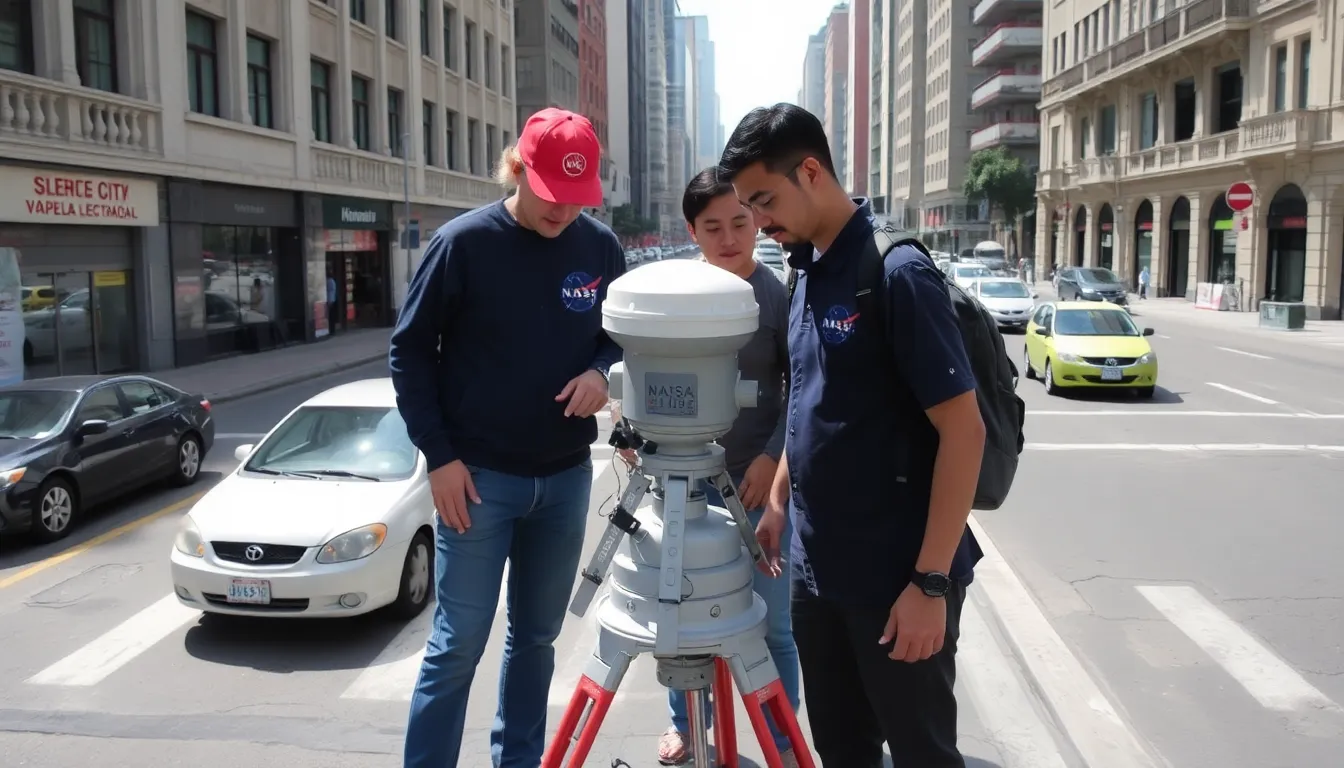
The historical context of Mexico City’s sinking is closely tied to its rapid urbanization and population growth. Over the past century, the city has transformed into one of the largest urban centers in the world, attracting millions seeking economic opportunities. This influx has led to an increased demand for water, prompting authorities to extract groundwater from aquifers beneath the city. The excessive pumping of water has exacerbated the subsidence issue, as the ground loses support and compresses under the weight of the buildings and infrastructure above.
Political and Economic Factors
Political decisions have also played a role in the ongoing crisis. Various administrations have prioritized short-term economic gains over sustainable urban planning. Infrastructure projects and housing developments have often overlooked the geological realities of the region, leading to inadequate responses to the sinking. The lack of comprehensive policies to manage water resources and urban expansion has compounded the problem, leaving residents vulnerable to the effects of subsidence, including structural damage to homes and increased flooding risks.
Moreover, the economic implications of the sinking are significant. As the city continues to sink, the cost of repairs and infrastructure upgrades escalates, straining public resources. Businesses face disruptions, and property values fluctuate, affecting the livelihoods of many residents. The combination of historical neglect, rapid urban growth, and inadequate policy responses has created a complex web of challenges that Mexico City must navigate as it seeks to address the ongoing crisis of subsidence.
Key stakeholders and their roles in addressing the issue
As Mexico City grapples with the alarming rate at which it is sinkingup to 2 cm a monthvarious stakeholders play crucial roles in understanding and addressing the complexities of this issue. These stakeholders include government entities, local communities, environmental organizations, and scientific institutions, each with distinct interests and responsibilities.
The Mexican government, particularly through its environmental and urban planning agencies, is primarily focused on mitigating the impacts of subsidence on infrastructure and public safety. Their interests lie in implementing policies that balance urban development with sustainable water management, as excessive groundwater extraction is a key factor contributing to the sinking.
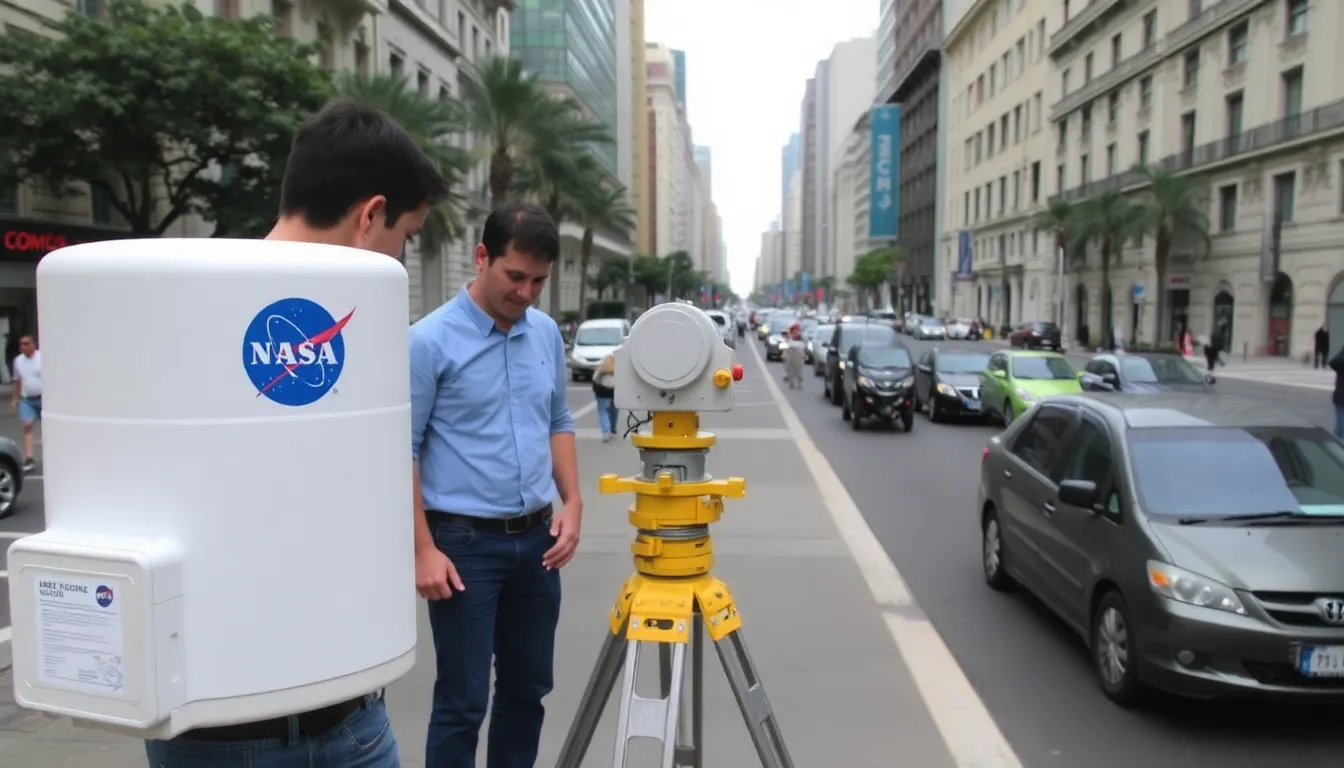
Local communities are directly affected by the consequences of subsidence, including damage to homes, roads, and public services. Their interests revolve around securing adequate resources for repairs and ensuring that their voices are heard in urban planning decisions. Community advocacy groups often emerge to represent these interests, pushing for more sustainable practices and accountability from government officials.
- Environmental Organizations: These groups advocate for sustainable water management practices and raise awareness about the ecological impacts of subsidence.
- Scientific Institutions: Researchers and universities conduct studies to better understand the geological and hydrological factors at play, providing data that can inform policy decisions.
- Private Sector: Construction and real estate companies may face trade-offs between development opportunities and the risks associated with subsidence, influencing their investment strategies.
Conflicts often arise between the need for urban expansion and the preservation of natural resources. For instance, while the government may prioritize infrastructure development to accommodate a growing population, this can exacerbate groundwater depletion, further intensifying the sinking issue. Additionally, economic pressures can lead to short-term solutions that overlook long-term sustainability, highlighting the need for a comprehensive approach that considers both immediate and future impacts.
The effects of subsidence on residents and infrastructure
As Mexico City continues to sink at alarming rates, various groups are feeling the impact of this subsidence. Residents, local businesses, and government agencies are among those most affected. The sinking, which can reach up to 2cm a month, poses significant challenges to daily life, infrastructure, and the economy.
Residents living in the most affected areas face immediate risks such as structural damage to their homes and increased vulnerability to natural disasters. Cracks in buildings, shifting roads, and compromised utilities are becoming commonplace, leading to a decline in property values and increased living costs. The psychological toll on residents, who live in constant fear of their homes’ safety, cannot be underestimated.
Local businesses, particularly those in construction, real estate, and insurance, are also impacted. Short-term disruptions may lead to increased costs for repairs and maintenance, while mid-term effects could include a slowdown in new developments and investments. However, there are opportunities for businesses that specialize in engineering solutions and retrofitting buildings to withstand subsidence, creating a niche market for innovative technologies.
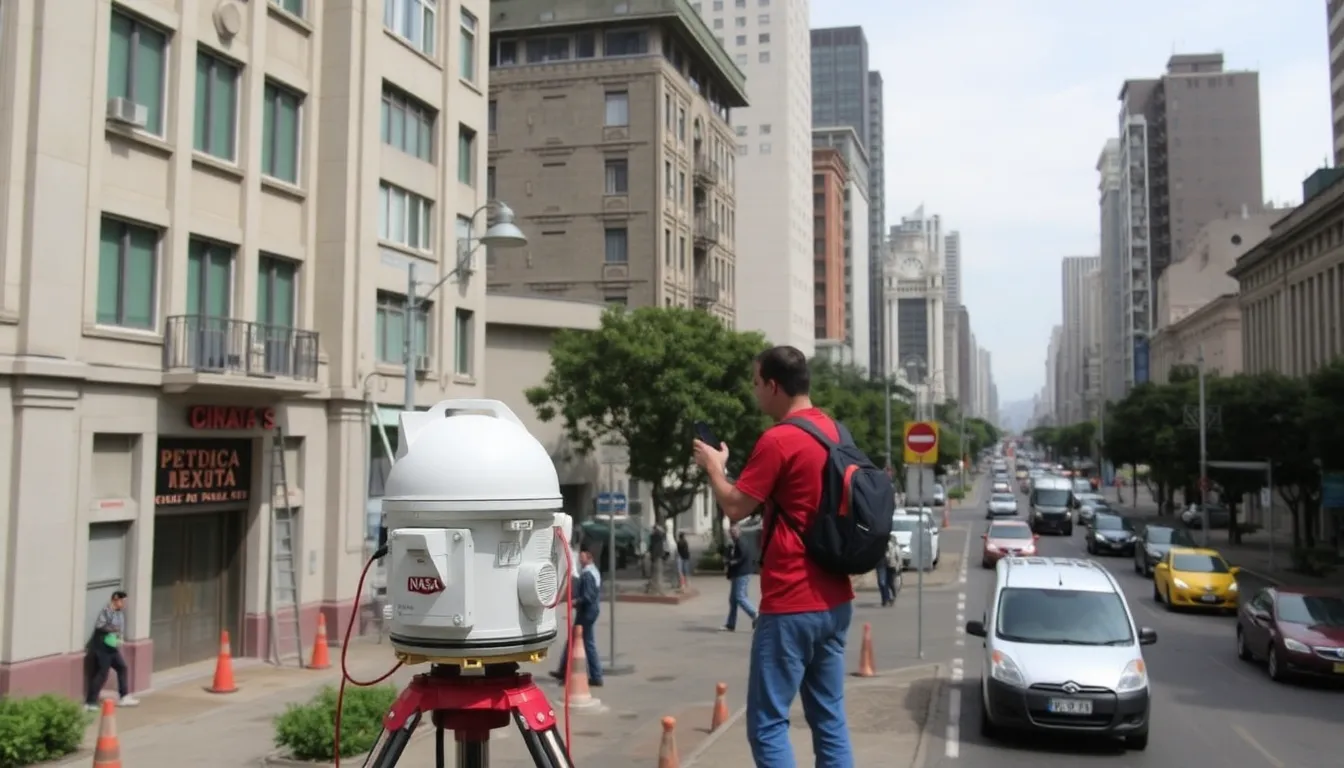
Government agencies are challenged with the need to implement policies that address subsidence while also ensuring public safety. This may include investing in infrastructure improvements and updating building codes to reflect the realities of a sinking city. While these initiatives require significant funding, they also present opportunities for job creation and economic stimulus in the construction sector.
- Increased risk of structural damage to homes and buildings.
- Higher costs for local businesses due to repairs and maintenance.
- Potential for new market opportunities in engineering and construction.
- Need for updated government policies and infrastructure investments.
A: Mexico City is sinking primarily due to the over-extraction of groundwater from aquifers beneath the city. This leads to a decrease in water pressure and causes the ground to settle. A: Recent measurements indicate that Mexico City is sinking at a rate of up to 2cm per month in certain areas, which poses significant risks to buildings and infrastructure. A: The sinking can lead to increased flooding, damage to infrastructure, and challenges in urban planning, impacting the daily lives of residents. A: NASA utilizes satellite technology to track land subsidence in Mexico City, providing valuable data that helps local authorities understand the extent of the issue. A: Authorities are implementing water conservation strategies, improving drainage systems, and exploring alternative water sources to mitigate the effects of subsidence.
Frequently asked questions about Mexico City’s sinking
Future outlook on Mexico City’s subsidence challenges
As Mexico City continues to experience alarming rates of subsidence, with some areas sinking up to 2 centimeters a month, the implications for infrastructure, urban planning, and public safety are significant. The ongoing monitoring by NASA highlights the urgency of addressing this issue, which is exacerbated by factors such as groundwater extraction and the city’s geological makeup. The need for innovative solutions and adaptive strategies is paramount to mitigate the risks associated with this phenomenon.
Stakeholders must remain vigilant and proactive in their approach to urban development, ensuring that policies are informed by the latest scientific data. As the city grapples with its sinking landscape, collaboration between government agencies, scientists, and the community will be essential in formulating effective responses and enhancing resilience against future challenges.
- Infrastructure resilience: Ongoing assessments of critical infrastructure will be necessary to prevent catastrophic failures.
- Water management strategies: Improved groundwater management practices should be prioritized to reduce subsidence rates.
- Urban planning reforms: Future urban development must incorporate subsidence data to guide construction and zoning regulations.
- Community engagement: Raising awareness among residents about the implications of subsidence can foster local initiatives for monitoring and response.
- Technological advancements: Investing in technology for real-time monitoring and predictive modeling will enhance the city’s ability to respond to subsidence challenges.