


Several factors contribute to this growing enthusiasm, including the influence of social media platforms like TikTok and Instagram, where young birdwatchers share their experiences and knowledge. Hashtags such as #Birding and #Birdwatching have garnered millions of views, creating a digital community that encourages participation. Additionally, the COVID-19 pandemic has led many individuals to seek solace in nature, further driving interest in outdoor hobbies. For those interested in exploring wildlife further, events like the Great Backyard Bird Count are excellent opportunities.
Conservation efforts have also played a crucial role in this movement. Organizations like the Audubon Society and local wildlife reserves have actively engaged with younger audiences through educational programs and volunteer opportunities. Events such as the Great Backyard Bird Count, held annually in February, have seen increased involvement from Gen Z participants, highlighting their commitment to conservation and biodiversity.
As a result of this surge, many wildlife reserves are adapting their offerings to cater to younger birdwatchers. Guided tours, interactive workshops, and social media campaigns are being developed to attract this demographic. This shift not only fosters a new generation of nature enthusiasts but also emphasizes the importance of preserving natural habitats for future generations, which is a key focus of many local conservation initiatives.
Understanding the environmental and social factors driving this trend
In recent years, the rise of birdwatching among Generation Z has become a notable phenomenon, reflecting broader environmental and social trends. Historically, birdwatching has been perceived as a pastime for older generations, often associated with solitude and patience. However, this perception is changing as younger individuals seek connection with nature and community engagement, particularly in the wake of the COVID-19 pandemic, which has heightened awareness of mental health and the importance of outdoor activities.
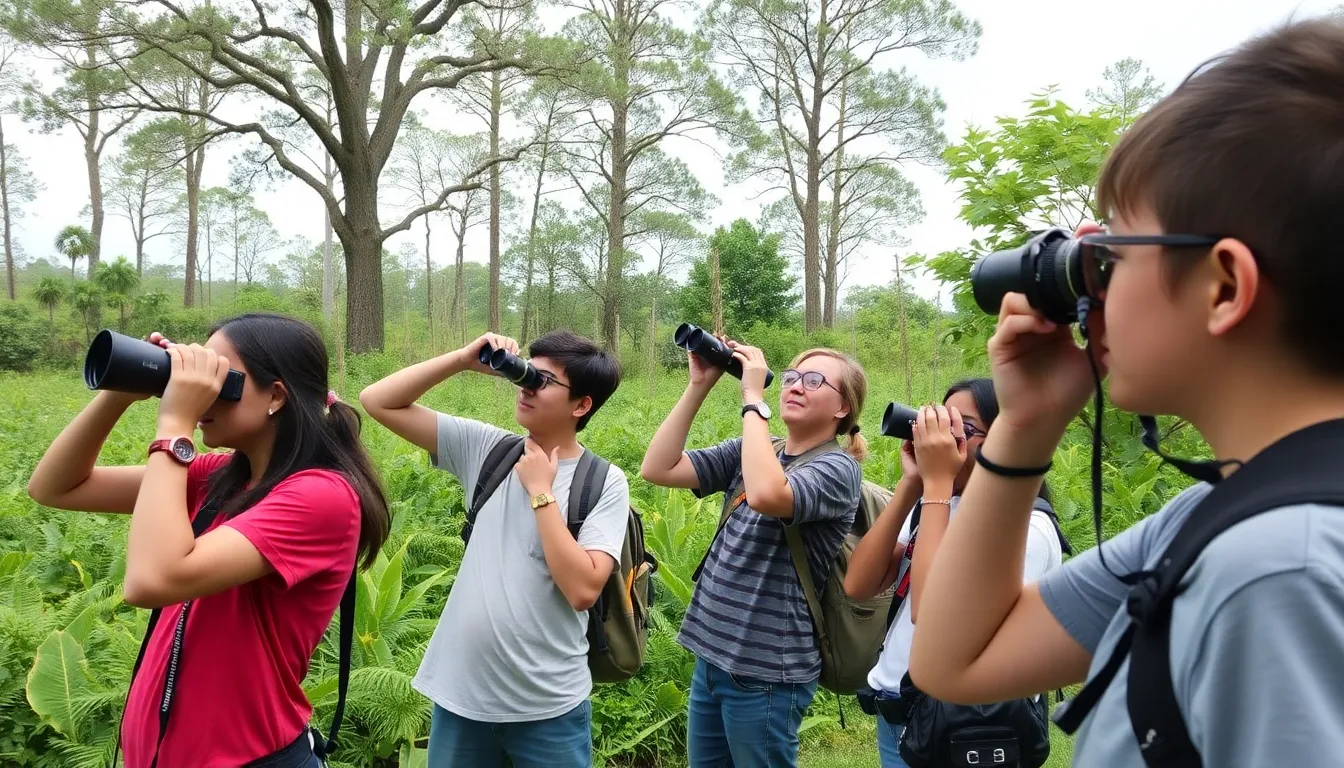
The political landscape has also played a significant role in this shift. With increasing concerns about climate change and biodiversity loss, many young people are motivated to engage with conservation efforts. Initiatives aimed at protecting natural habitats and promoting sustainable practices resonate deeply with Gen Z, who are more likely to support environmental causes and advocate for policy changes. This generation’s activism has led to a resurgence in interest in outdoor activities, including birdwatching, as a means of connecting with the environment.
The Economic Impact of Eco-Tourism
The economic factors surrounding eco-tourism are also influencing this trend. As more reserves and parks promote birdwatching as a key attraction, they create opportunities for local economies. Gen Z, known for their preference for experiences over material goods, is increasingly drawn to travel that aligns with their values. This has resulted in a boom in eco-friendly travel options, allowing young birdwatchers to explore reserves while contributing to conservation efforts and supporting local communities.
Social media has further amplified this trend, with platforms like Instagram and TikTok showcasing the beauty of birdwatching and the diverse species that can be observed. Influencers and content creators are sharing their birdwatching experiences, inspiring their followers to explore reserves and engage in this hobby. This visibility not only normalizes birdwatching among younger audiences but also fosters a sense of community among enthusiasts. To know more about how social media impacts wildlife awareness, check out related articles.
As a result, the convergence of these historical, political, economic, and social factors has made birdwatching a compelling activity for Gen Z. This generation’s commitment to environmental issues, coupled with their desire for community and adventure, has transformed birdwatching from a solitary pursuit into a vibrant and inclusive movement.
Key stakeholders and issues in the birdwatching community
The rising interest of Generation Z in birdwatching has brought together a diverse group of stakeholders, each with unique interests and concerns. These stakeholders include environmental organizations, local governments, educational institutions, and the birdwatchers themselves. Understanding their motivations and the key issues at play is crucial for grasping the dynamics of this growing movement.
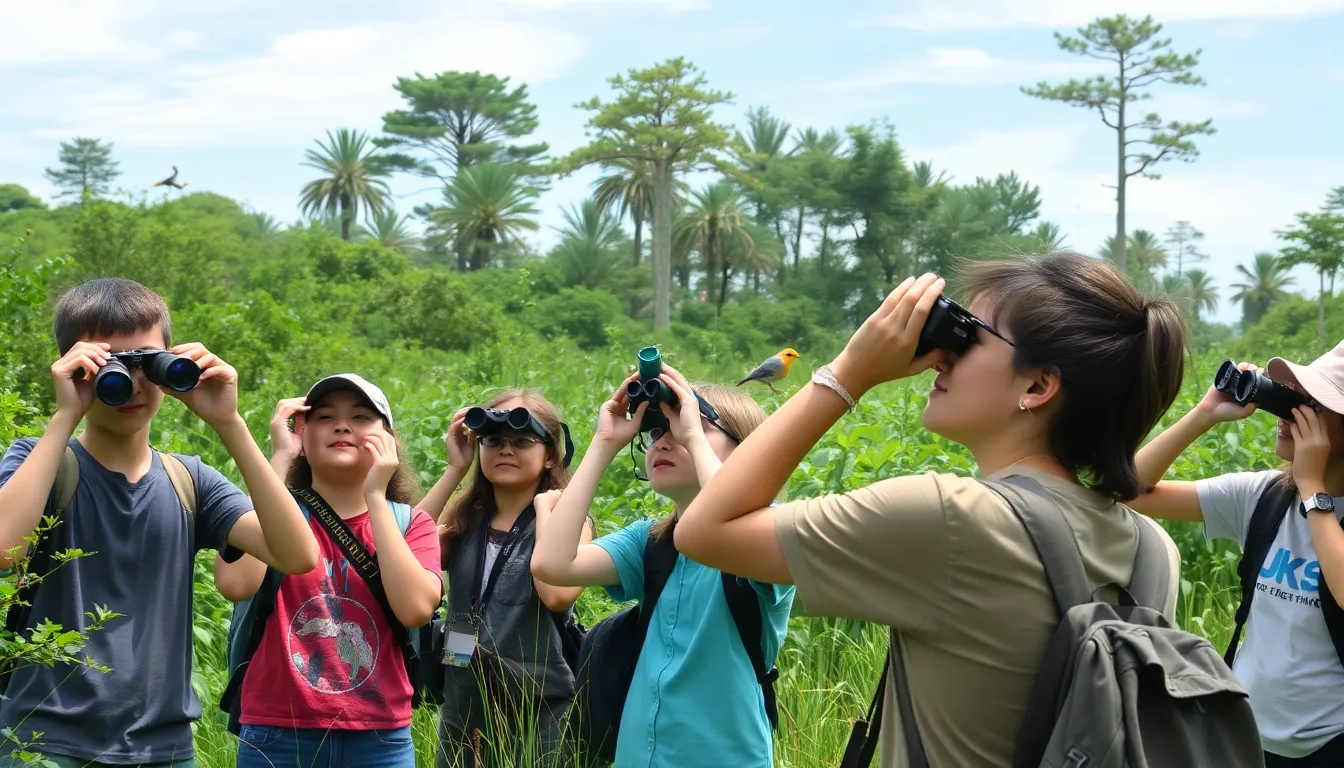
Environmental organizations play a pivotal role in promoting birdwatching as a means to foster conservation awareness. Their interest lies in engaging younger generations to appreciate biodiversity and advocate for the protection of natural habitats. This engagement can lead to increased funding and volunteer support for conservation initiatives. However, the challenge remains in effectively communicating the importance of these efforts to a demographic that may prioritize different social issues.
Local governments are also key players, as they manage public reserves and parks that serve as birdwatching hotspots. Their interests often revolve around tourism and economic development, as attracting birdwatchers can boost local economies. However, this can lead to conflicts regarding land use and conservation priorities. Balancing the needs of tourists with the preservation of natural habitats is a complex issue that requires careful consideration.
- Conflicts over land use: Expansion of birdwatching activities can lead to habitat disruption if not managed properly.
- Economic trade-offs: While birdwatching can enhance local economies, it may also strain resources and infrastructure.
- Legal challenges: Regulations surrounding wildlife protection can conflict with the interests of local businesses seeking to capitalize on birdwatching tourism.
- Educational initiatives: Schools and universities have an interest in incorporating birdwatching into environmental education, fostering a deeper understanding of ecological issues.
As more young people engage in birdwatching, the conversation around conservation and sustainable practices becomes increasingly relevant. The intersection of their interests with those of established stakeholders presents both opportunities and challenges that will shape the future of birdwatching and environmental stewardship.
The effects of Gen Z’s interest on local ecosystems and economies
As Gen Z increasingly embraces birdwatching, various groups and industries are feeling the impact. Local communities, conservation organizations, and tourism sectors are at the forefront of this trend. The influx of young birdwatchers is not only revitalizing interest in local biodiversity but also driving economic opportunities in regions that may have previously struggled to attract visitors.
In the short term, businesses related to outdoor gear, hospitality, and guided tours are seeing a boost as Gen Z seeks experiences that connect them with nature. This demographic is known for prioritizing sustainability, which encourages businesses to adopt eco-friendly practices. As a result, local economies are benefiting from increased spending in shops, restaurants, and lodging facilities catering to these environmentally conscious consumers.
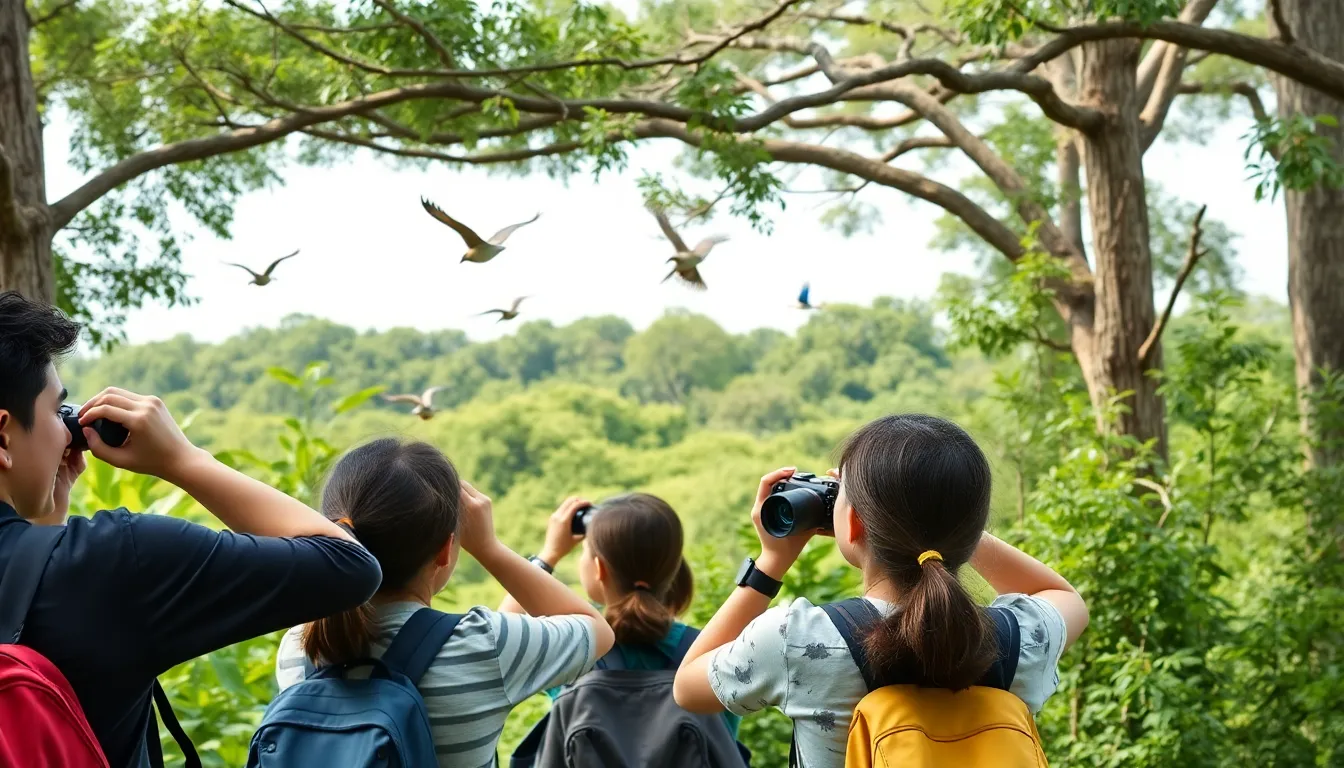
However, there are risks associated with the surge in birdwatching. Increased foot traffic in sensitive habitats can lead to disturbances in local wildlife and ecosystems. If not managed properly, this could result in habitat degradation and the displacement of species. Conservationists and policymakers must work together to establish guidelines that balance human activity with the preservation of natural resources.
In the mid-term, the growing popularity of birdwatching among Gen Z could influence local policies aimed at conservation and environmental protection. As this generation becomes more engaged, they may advocate for more protected areas and funding for wildlife programs. This shift could lead to the establishment of new reserves and enhanced efforts to restore degraded habitats.
- Economic Growth: Increased spending in local businesses.
- Conservation Awareness: Greater advocacy for environmental protection.
- Potential Habitat Risks: Disturbance to local wildlife and ecosystems.
- Policy Changes: New regulations and funding for conservation efforts.
Overall, the rise of Gen Z birdwatchers presents both challenges and opportunities for local communities and ecosystems. By fostering a culture of responsible birdwatching, it is possible to harness the enthusiasm of this generation to benefit both nature and the economy.
A: Gen Z is increasingly drawn to birdwatching as a way to connect with nature and promote environmental conservation. This generation values experiences over material possessions, making outdoor activities like birdwatching appealing. A: Reserves provide a protected environment where Gen Z birdwatchers can observe diverse bird species in their natural habitats. These areas often offer educational programs that resonate with their desire for learning. A: Social media platforms allow Gen Z to share their birdwatching experiences, fostering a sense of community and encouraging others to participate. Hashtags and challenges related to birdwatching have gained popularity. A: While many Gen Z birdwatchers are passionate, they may face challenges such as accessibility to reserves and a lack of knowledge about birdwatching techniques. Education and community support can help overcome these barriers.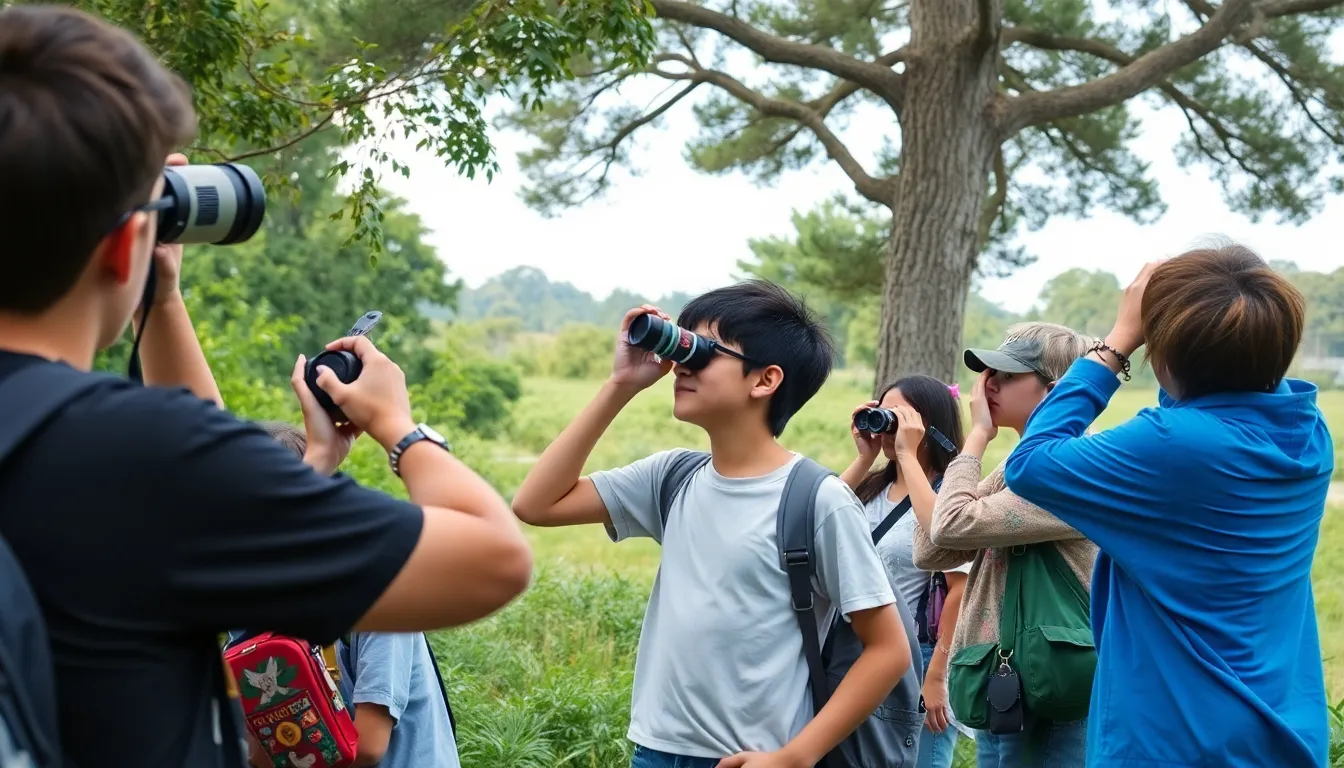
Common questions about Gen Z birdwatching
Future outlook on birdwatching trends among younger generations
The increasing interest of Gen Z in birdwatching signifies a shift in recreational activities that prioritize sustainability, mental well-being, and a connection to nature. As this generation seeks to engage with the environment, birdwatching serves as both a calming pastime and a platform for environmental advocacy. The integration of technology, such as mobile apps for bird identification, further enhances this experience, making it more accessible and appealing.
Looking ahead, the rise of community-driven conservation efforts and the promotion of local reserves are likely to attract even more young enthusiasts. This trend not only supports biodiversity but also fosters a sense of community among participants who share a common interest in protecting wildlife.
- Community engagement will play a crucial role in fostering a new generation of conservationists.
- Technological advancements will continue to enhance the birdwatching experience, making it more interactive and educational.
- Local reserves are expected to see increased visitor numbers as Gen Z prioritizes experiences that connect them with nature.
- Environmental education initiatives targeting younger audiences will become more prevalent, emphasizing the importance of biodiversity.
- Collaboration between conservation organizations and social media influencers may amplify awareness and participation in birdwatching activities.