


In the European Union, recent studies have highlighted a correlation between glyphosate exposure and various health issues, including cancer. Activists argue that the timing of glyphosate application increases the likelihood of residues remaining on food products, raising concerns for consumer safety. The European Food Safety Authority (EFSA) is currently reviewing the safety regulations surrounding glyphosate, with a report expected by the end of the year. For further insights on health risks, you can check out our article on understanding health concerns.
On October 1, 2023, a coalition of NGOs delivered a petition to the European Commission, demanding stricter regulations on glyphosate use. The petition has garnered thousands of signatures from concerned citizens and health professionals alike. Campaigners emphasize that the risks associated with glyphosate warrant urgent action, especially as many countries are moving towards more sustainable agricultural practices.
As the harvest season progresses, the debate over glyphosate’s use continues to unfold, with some farmers defending its application as essential for maintaining crop productivity. Meanwhile, public sentiment appears to be shifting towards greater caution, prompting discussions about alternative farming practices that could minimize reliance on chemical herbicides. The outcome of these discussions may significantly influence agricultural policies in the near future.
Understanding the background of glyphosate usage in agriculture
Glyphosate, a broad-spectrum systemic herbicide, was first discovered to be an herbicide in the 1970s and quickly became a cornerstone of modern agricultural practices. Initially marketed by Monsanto under the brand name Roundup, glyphosate gained popularity due to its effectiveness in killing weeds without harming crops. This led to its widespread adoption, particularly with the introduction of glyphosate-resistant genetically modified (GM) crops in the 1990s, which allowed farmers to use the herbicide extensively without damaging their yields.
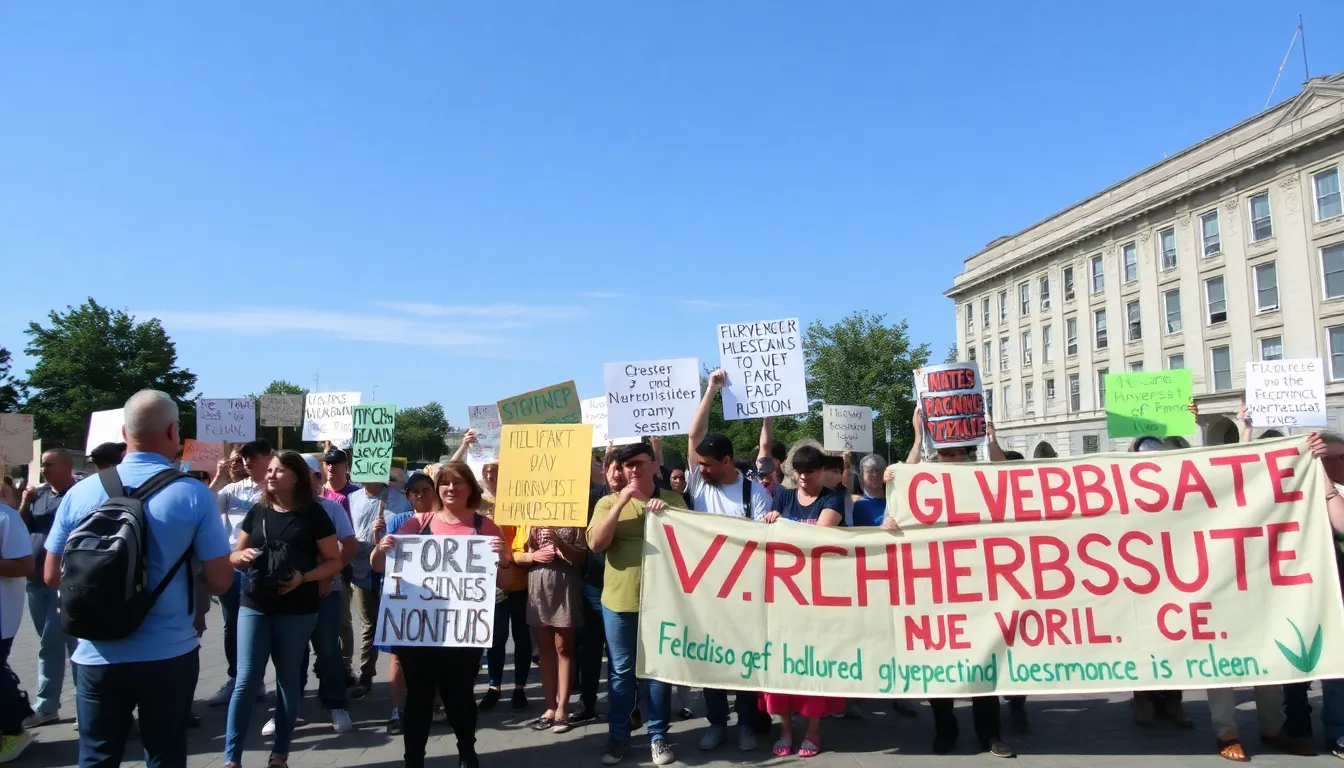
Over the years, glyphosate’s use has sparked significant controversy, particularly concerning its safety and environmental impact. In 2015, the International Agency for Research on Cancer (IARC), a part of the World Health Organization, classified glyphosate as “probably carcinogenic in humans.” This classification ignited a global debate, leading to calls from health advocates and environmental groups for stricter regulations and even outright bans on its use, particularly during critical agricultural periods such as harvest time. For more on environmental advocacy, see our coverage on environmental policies.
Economically, glyphosate has been a double-edged sword for farmers. While it has reduced labor costs and increased crop yields, the dependence on glyphosate has also led to the emergence of glyphosate-resistant weed species. This resistance has prompted some farmers to use even more herbicides, raising concerns about sustainability and environmental health. The economic implications are significant, as farmers face rising costs and diminishing returns on their investments in herbicides.
Political and Regulatory Landscape
The political landscape surrounding glyphosate is complex, involving lobbying from agricultural interests, environmental groups, and public health advocates. Various countries have taken different approaches to regulating glyphosate, with some implementing bans or restrictions while others continue to permit its use. In the European Union, for instance, debates over the renewal of glyphosate’s license have been contentious, reflecting broader concerns about agricultural practices and food safety. As campaigners push for a ban on glyphosate use at harvest time, the issue remains a focal point of agricultural policy discussions worldwide, similar to issues highlighted in our piece on policy debates.
Examining the stakeholders involved in the glyphosate debate
The ongoing debate surrounding the use of glyphosate, particularly at harvest time, involves a diverse array of stakeholders, each with distinct interests and motivations. These actors include agricultural producers, environmental organizations, regulatory bodies, and consumers, all of whom play a crucial role in shaping the discourse around this contentious herbicide.
Farmers and agricultural producers are primary stakeholders who often advocate for the continued use of glyphosate due to its effectiveness in managing weeds and improving crop yields. For many, glyphosate is seen as a vital tool in modern farming practices, contributing to economic stability and food production efficiency. However, these benefits are weighed against growing public concern regarding potential health risks and environmental impacts.
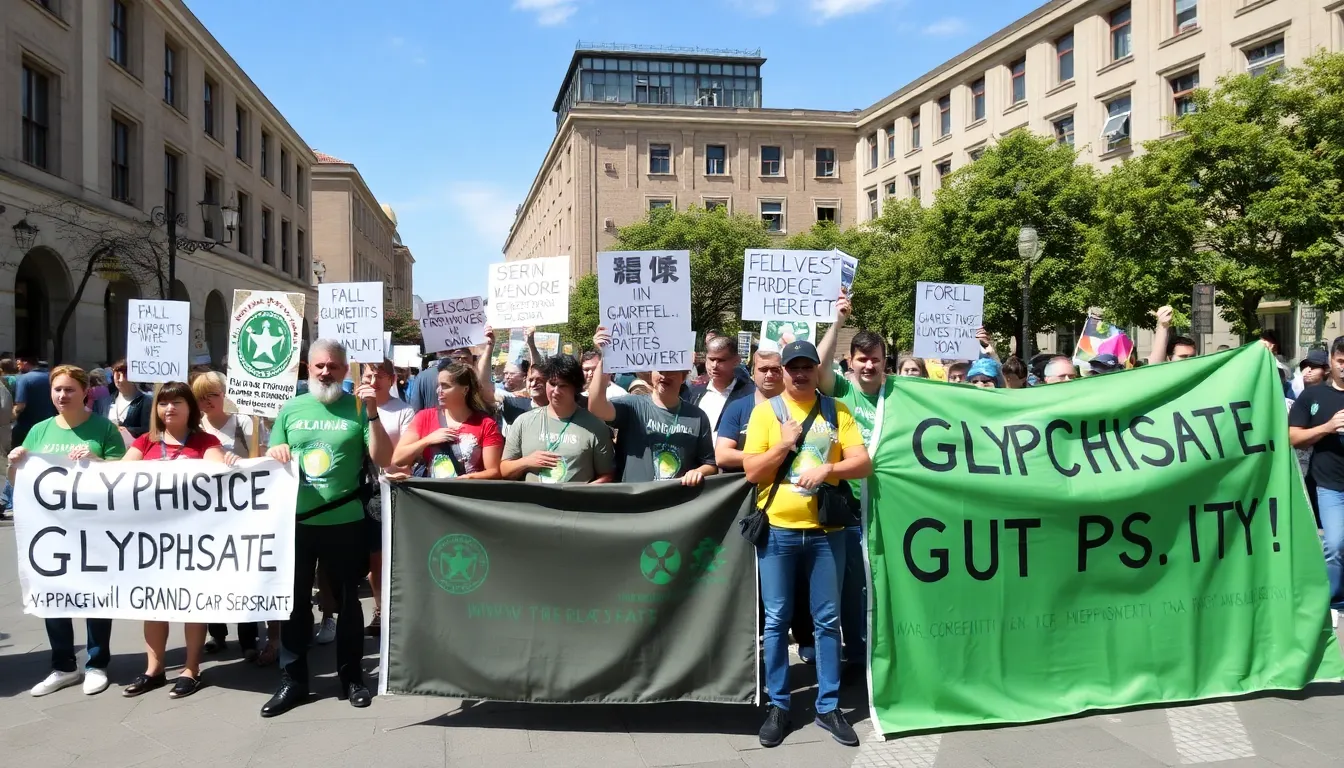
On the opposing side, environmental and health advocacy groups are calling for a ban on glyphosate, particularly during the harvest period. These organizations argue that the herbicide poses significant risks to human health and biodiversity. They emphasize the need for safer alternatives and sustainable agricultural practices that do not rely on chemical interventions. Their efforts are often supported by scientific studies linking glyphosate exposure to various health issues, which fuels public fear and calls for regulatory action.
Regulatory bodies, such as the Environmental Protection Agency (EPA) in the United States and similar organizations globally, are tasked with assessing the safety and efficacy of glyphosate. These agencies face the challenge of balancing agricultural productivity with public health concerns. Their decisions can significantly impact both the agricultural sector and consumer confidence. The legal framework surrounding glyphosate is also complex, with ongoing litigation and regulatory reviews influencing its use.
- Farmers depend on glyphosate for effective weed management, impacting their economic viability.
- Environmental groups advocate for a ban, citing health risks and ecological harm.
- Regulatory agencies must navigate scientific evidence and public opinion in their assessments.
- Litigation surrounding glyphosate raises questions about liability and corporate responsibility.
- Consumer demand for organic and chemical-free products is increasing, influencing market trends.
Potential impacts on farmers and public health
The call for a ban on the use of glyphosate at harvest time primarily affects farmers, particularly those in the agriculture sector who rely on this herbicide for weed control. This group includes both large-scale commercial farmers and smallholder farmers who may have less access to alternative weed management solutions. Regions with intensive farming practices, especially in North America and Europe, are likely to experience immediate changes in their agricultural practices.
In the short term, farmers may face significant challenges as they adjust to new regulations. The immediate impact could include increased labor costs and the need for alternative weed control methods, which might not be as effective or economically viable. This shift could lead to a temporary decline in crop yields and, consequently, a rise in food prices as supply diminishes.
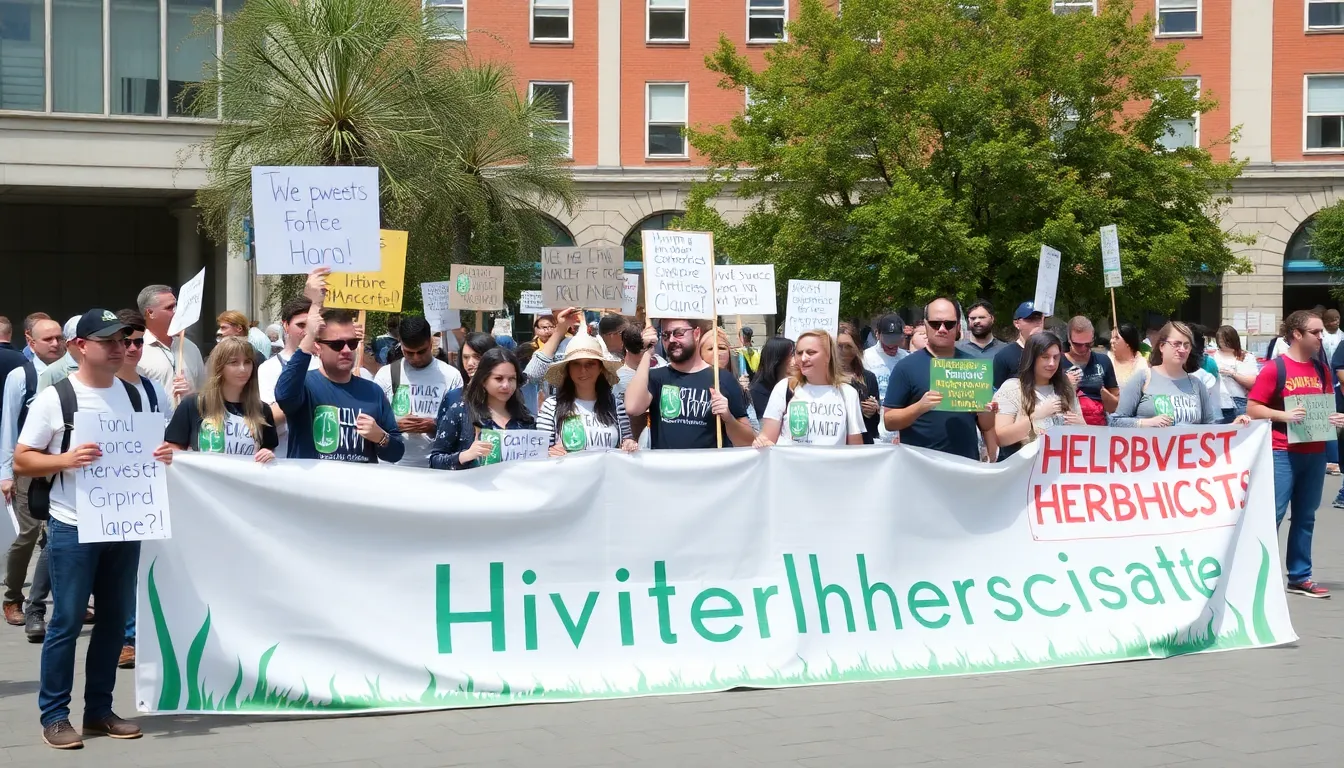
In the mid-term, the agricultural industry may see a shift in policy and farming practices. Farmers might invest in organic farming techniques or explore integrated pest management strategies. While this transition can be costly, it presents an opportunity for innovation in sustainable agriculture. Additionally, consumers may benefit from an increase in organic produce, leading to a healthier food supply.
- Increased production costs for farmers
- Potential rise in food prices
- Shift towards organic farming practices
- Health benefits for consumers
Public health is also a significant concern, as glyphosate has been linked to various health risks. A ban could lead to improved health outcomes for communities near agricultural areas, reducing exposure to potentially harmful chemicals. However, the transition period may pose risks if alternative methods are not adequately tested or if farmers resort to less regulated substances in the interim.
A: Glyphosate is a broad-spectrum herbicide commonly used in agriculture to kill weeds. It is often applied before harvest to facilitate crop management and increase yield. A: Studies have linked glyphosate exposure to various health issues, including cancer and reproductive problems. Campaigners argue that its use during harvest time increases the risk of exposure. A: A ban could lead to increased labor costs and reduced crop yields for farmers who rely on glyphosate for effective weed control. Farmers may need to explore alternative methods. A: Yes, there are several alternatives such as organic herbicides, mechanical weeding, and crop rotation. However, these methods may require more time and resources. A: Campaigners are lobbying government officials, organizing public awareness campaigns, and gathering support from environmental organizations to push for legislative changes.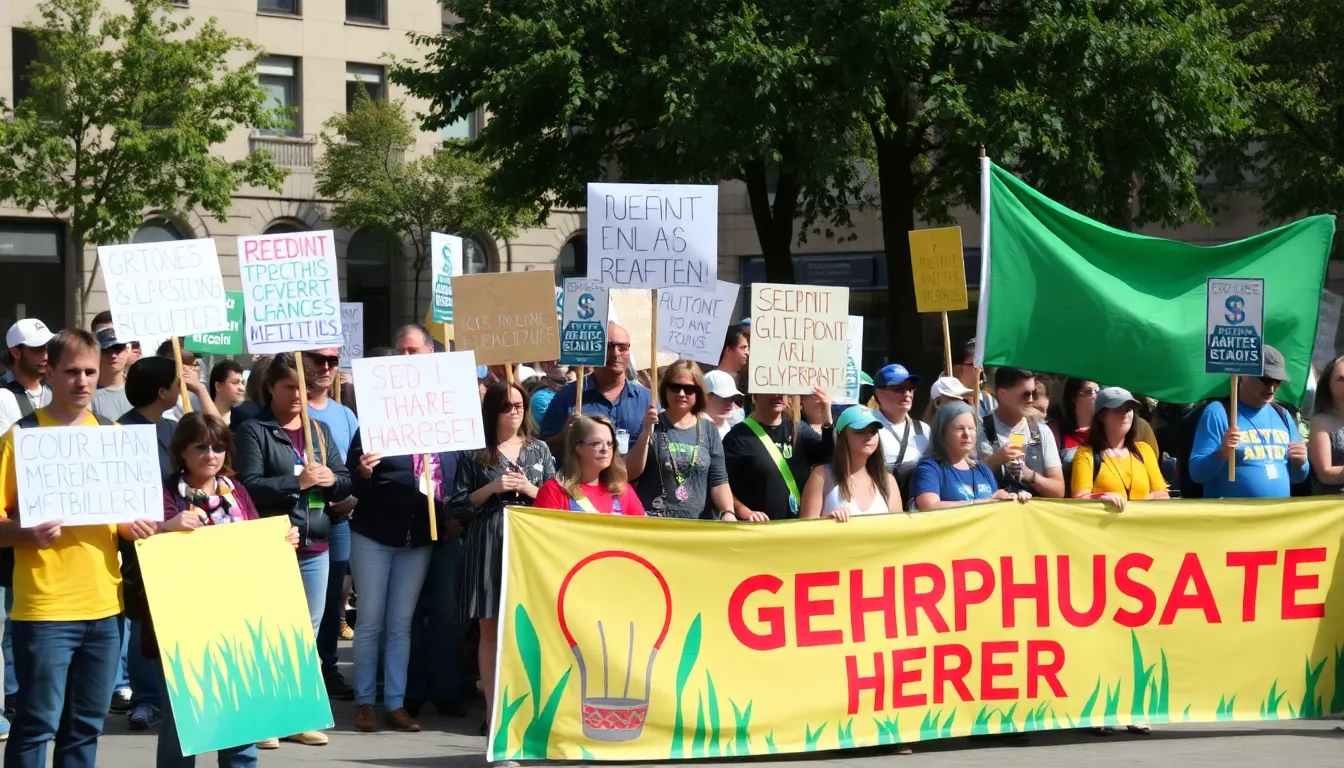
Frequently asked questions about glyphosate and its use
Key takeaways and future outlook on glyphosate regulations
The ongoing debate surrounding the use of glyphosate, particularly during harvest time, highlights the growing concerns over agricultural practices and their impact on health and the environment. As campaigners push for stricter regulations, stakeholders in the agricultural sector must consider the implications of such changes on crop yields, food safety, and public perception.
Looking ahead, the potential for policy shifts could reshape farming strategies and necessitate the exploration of alternative weed management practices. This evolving landscape will require farmers, regulators, and consumers to engage in informed discussions about sustainability and agricultural innovation.
- Increased scrutiny on glyphosate usage may lead to tighter regulations and possible bans in certain regions.
- Farmers might need to adapt their practices, exploring alternative weed control methods to comply with new regulations.
- Consumer demand for pesticide-free products could rise, influencing market trends and agricultural practices.
- Ongoing research and dialogue will be crucial in balancing agricultural productivity with health and environmental concerns.
- Stakeholders should prepare for potential shifts in public policy that could affect the future of glyphosate use and crop management strategies.