


Ourahmane’s installation, which features mesmerizing light displays activated by a simple coin slot mechanism, has drawn attention since its unveiling in early October 2023. This innovative approach not only enhances the visual landscape of Venice but also encourages audience participation, prompting discussions about the value of art in public spaces. The work reflects a growing desire to democratize access to art, making it more interactive and engaging.
The artist’s engagement with the local community is also noteworthy, as she collaborates with Venetian artisans and local businesses to create a multifaceted experience. This collaboration underscores the importance of preserving cultural heritage while embracing modern artistic expressions. As Venice continues to navigate the challenges posed by tourism and climate change, such initiatives highlight the role of art in fostering resilience and community identity.
As the installation gains traction, it has generated considerable media coverage and social media buzz, positioning Ourahmane as a key figure in the contemporary art scene. The ongoing dialogue surrounding her work is indicative of a larger conversation about the future of art in urban environments, where accessibility and innovation are paramount. This moment in Venice serves as a reminder of the city’s enduring influence on the global art landscape.
The Historical Significance of Art in Venetian Culture
Venice, a city renowned for its intricate canals and rich history, has long been a cradle of artistic innovation and cultural exchange. From the Byzantine mosaics of St. Mark’s Basilica to the Baroque masterpieces of the 17th century, the city has served as a vital hub for artists and thinkers throughout the ages. This artistic legacy has shaped not only the aesthetic landscape of Venice but also its social and economic frameworks, creating a unique environment where art and commerce intersect.
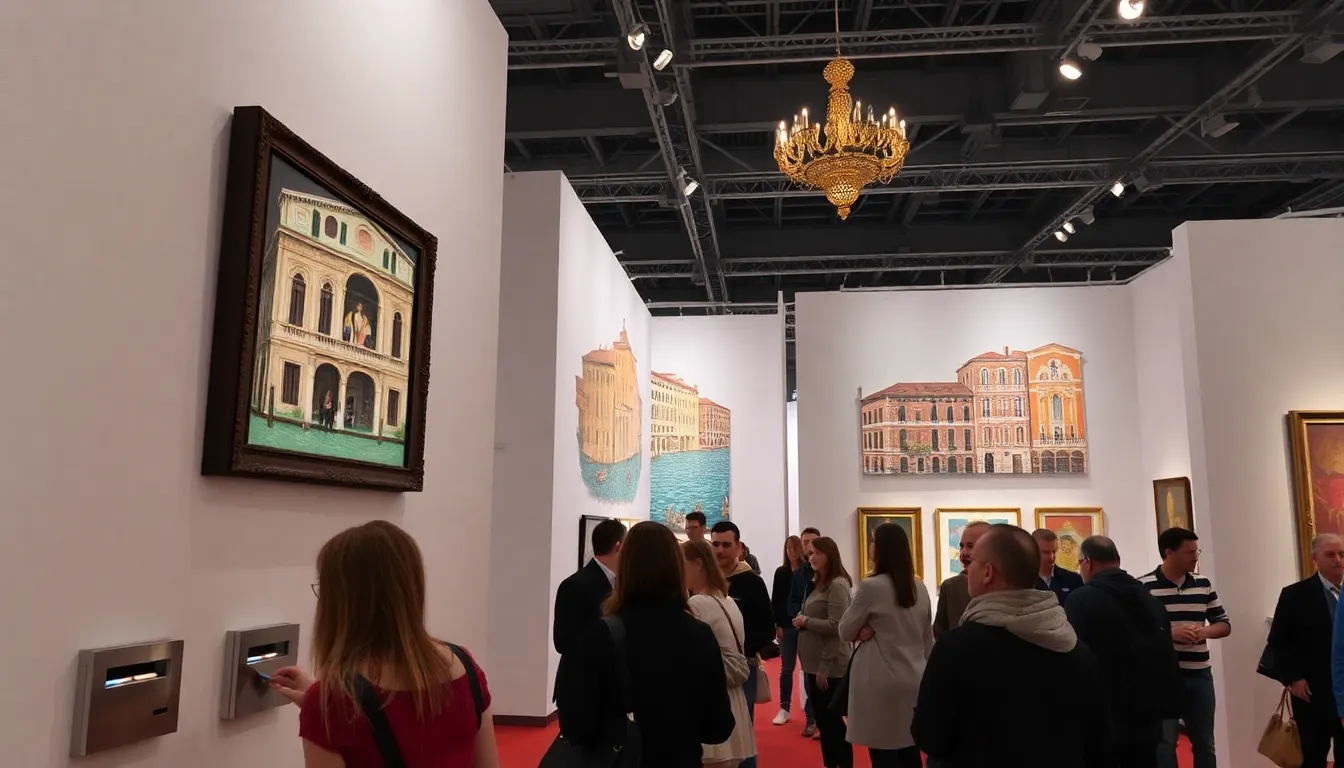
The role of art in Venice has evolved significantly over the centuries. In the Renaissance, the city became a focal point for artists such as Titian and Tintoretto, who infused their works with a sense of local identity and pride. This period marked a transformation in how art was perceivednot merely as decoration but as a vital expression of civic life and collective memory. As Venice flourished as a maritime power, its art reflected the wealth and cultural sophistication of its citizens.
In the contemporary era, artists like Lydia Ourahmane are continuing this tradition by engaging with the historical and socio-political narratives of Venice. Ourahmane’s works often explore themes of displacement, identity, and the intricate relationship between the past and present, resonating deeply with the city’s ongoing struggles with tourism, gentrification, and cultural preservation. Her installations invite viewers to reflect on the transient nature of both art and the urban environment, challenging the commodification of cultural heritage in a city that relies heavily on its artistic reputation.
Milestones in Venetian Art and Culture
Key milestones in the evolution of Venetian art include the establishment of the Accademia di Belle Arti in 1750, which formalized art education in the city, and the Biennale di Venezia, founded in 1895, which has become one of the most prestigious cultural events in the world. These institutions have not only celebrated the legacy of Venetian art but have also provided platforms for contemporary artists to engage with the global art community. Ourahmane’s work, which often incorporates elements of local history and contemporary issues, is emblematic of this ongoing dialogue between past and present, highlighting the importance of art as a vehicle for social commentary and change. This moment in Venice serves as a reminder of the city’s enduring influence on the global art landscape.
Examining the Key Themes and Stakeholders in Ourahmane’s Work
Lydia Ourahmane’s artistic endeavors in Venice have attracted a diverse array of stakeholders, each with unique interests and perspectives. The primary actors include local government officials, cultural institutions, art critics, and the general public. Each group plays a significant role in shaping the discourse surrounding her work, particularly in the context of Venice’s rich cultural heritage and contemporary artistic expressions.
Local government officials are often focused on balancing the preservation of Venice’s historical identity with the need for modern artistic expression. They may view Ourahmane’s work as an opportunity to attract tourism and stimulate the economy, yet they also face pressure to maintain the city’s traditional aesthetic. This creates a delicate trade-off between fostering innovation in the arts and preserving the city’s historical integrity.
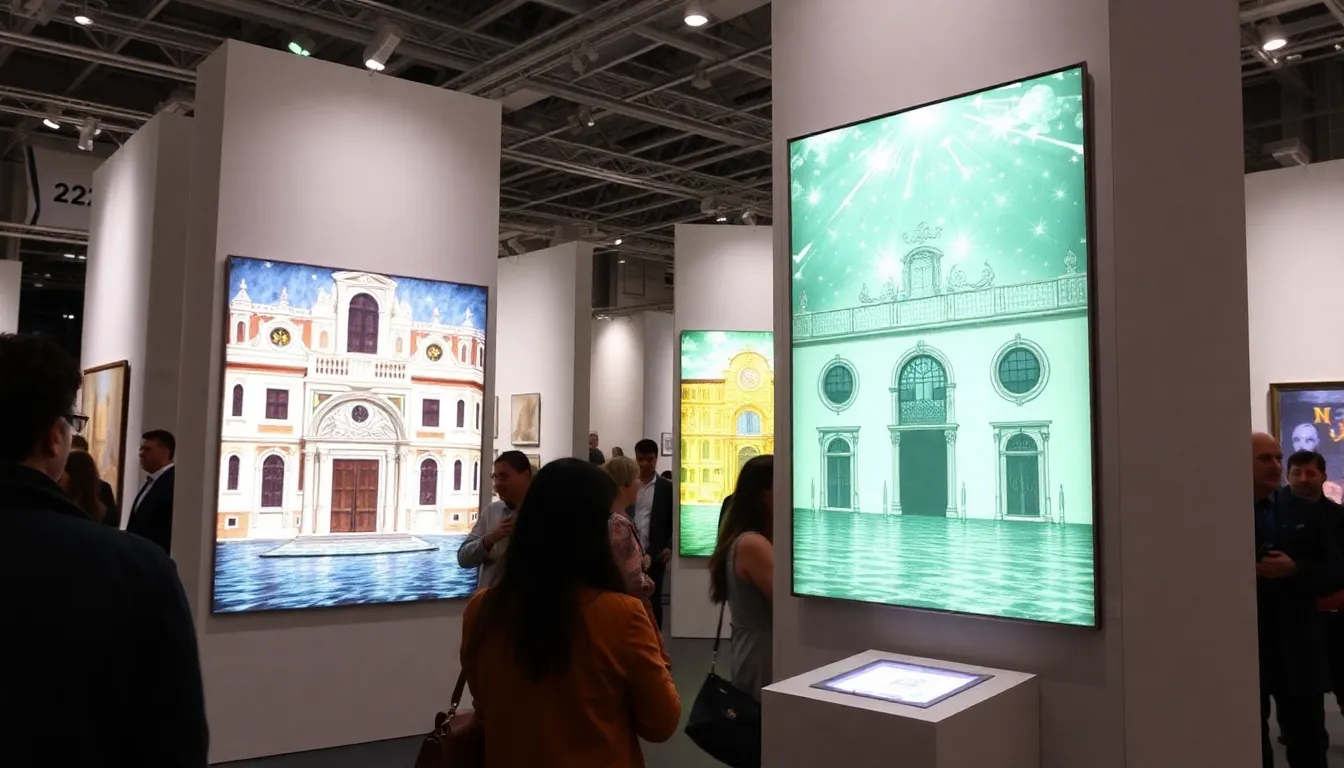
Cultural institutions, such as galleries and museums, have a vested interest in promoting artists like Ourahmane. They see her work as a means to engage audiences and provoke discussions about identity, migration, and global interconnectedness. However, these institutions must navigate funding constraints and the expectations of their patrons, which can lead to conflicts over the types of art they choose to support.
Art critics and scholars play a crucial role in framing the narrative around Ourahmane’s work. Their analyses can influence public perception and the market value of her art. However, differing opinions among critics can lead to polarized views, complicating the overall understanding of her contributions to contemporary art. This highlights the importance of dialogue within the art community to reconcile varying interpretations.
- Local government officials balancing preservation and innovation.
- Cultural institutions seeking to promote contemporary art amid funding challenges.
- Art critics shaping public perception and market dynamics.
- The general public’s diverse interpretations and reactions to Ourahmane’s work.
- Economic implications of tourism versus cultural preservation in Venice.
The Influence of Ourahmane’s Art on Local Communities and Visitors
Lydia Ourahmane’s captivating installations in Venice are set to impact a variety of groups, including local residents, artists, tourists, and businesses. The infusion of her artwork into the city’s landscape not only enhances the cultural fabric of Venice but also creates a ripple effect across multiple sectors.
In the short term, local communities may experience an uptick in tourism as visitors flock to witness Ourahmane’s unique creations. This surge can lead to increased foot traffic in nearby shops and restaurants, providing immediate financial benefits to the local economy. However, the influx of tourists may also strain public services and infrastructure, necessitating quick adaptations from local authorities.
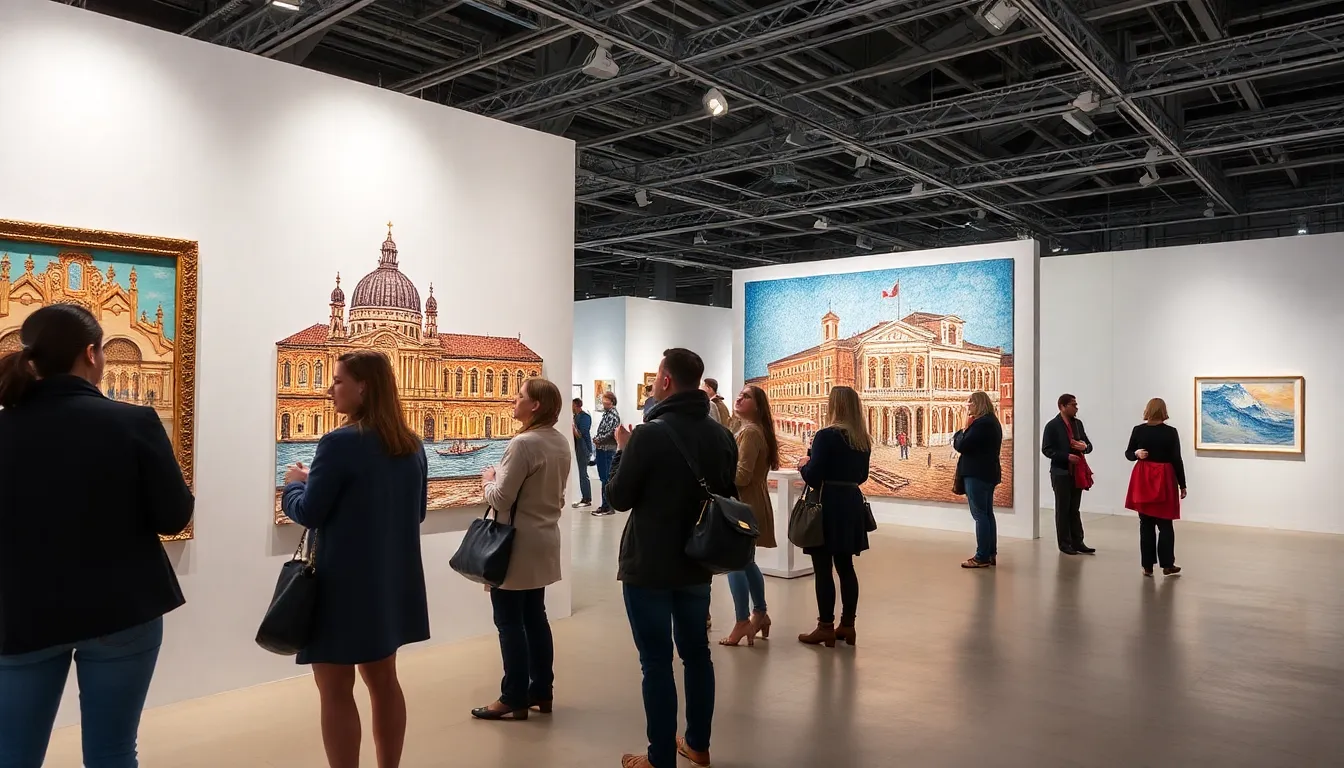
In the mid-term, the presence of Ourahmane’s work could redefine Venice’s identity as a hub for contemporary art, attracting more artists and cultural events to the region. This shift may foster a vibrant arts community, encouraging collaboration and innovation among local creators. On the flip side, there is a risk that the commercialization of art could overshadow the city’s traditional heritage, leading to tensions among residents who value Venice’s historical significance.
- Tourism Growth: Increased visitors may boost local businesses.
- Infrastructure Strain: Higher foot traffic could challenge city services.
- Cultural Shift: Venice may evolve into a contemporary art destination.
- Community Tensions: Potential conflicts between tradition and modernity.
Moreover, the visibility of Ourahmane’s art may inspire policy changes aimed at supporting local artists and promoting sustainable tourism practices. This could lead to new funding opportunities for cultural projects, enhancing the overall quality of life for residents. Ultimately, while there are risks associated with rapid change, the potential for growth and renewal within Venice’s artistic landscape is significant.
A: Lydia Ourahmane’s works often explore themes of identity, culture, and the relationship between the individual and the urban environment. A: Her art incorporates elements of Venetian history and contemporary issues, creating a dialogue between the past and present. A: Her installations are typically displayed in various galleries and public spaces throughout Venice, often inviting public interaction. A: Lydia Ourahmane utilizes a variety of materials, including light, sound, and everyday objects, to create immersive experiences. A: The local community has shown a mix of intrigue and curiosity, engaging with her works in meaningful ways that challenge their perceptions.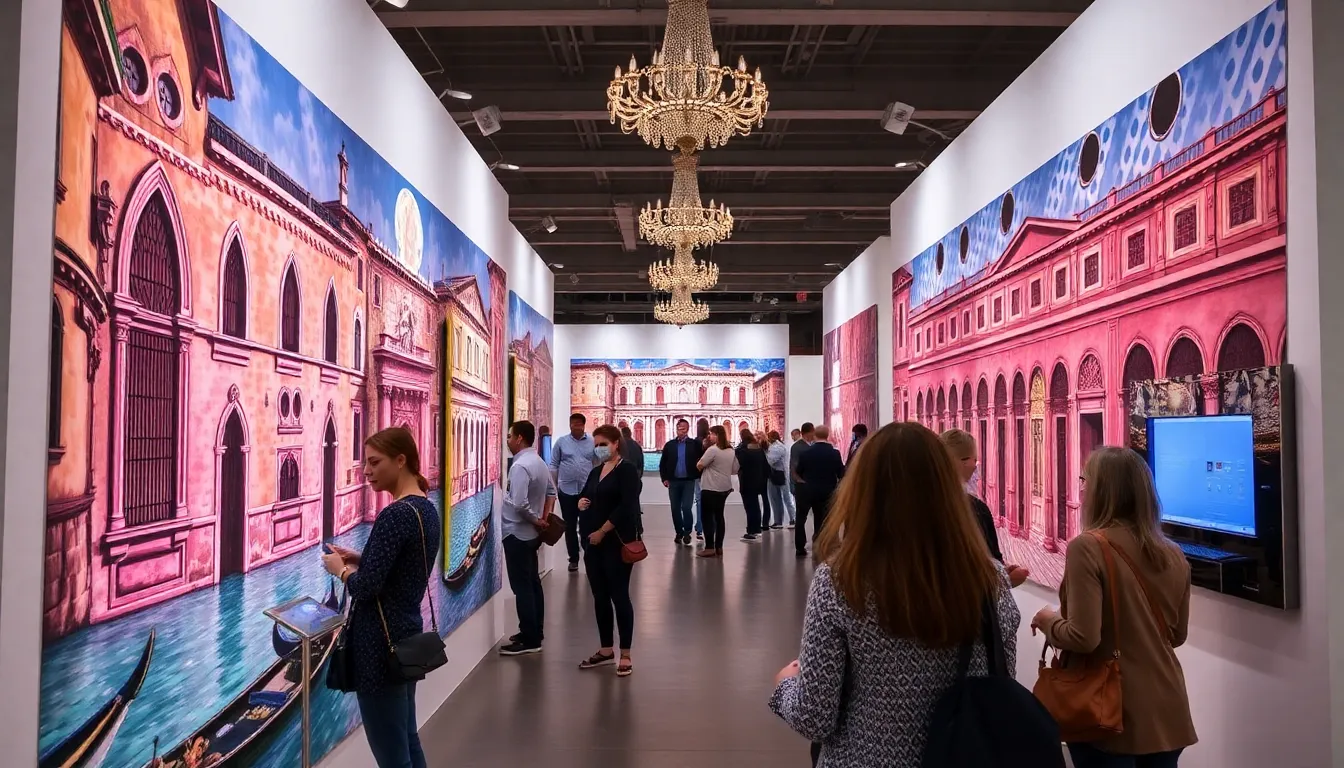
Frequently Asked Questions About Lydia Ourahmane’s Art
Key Takeaways and Future Directions for Venetian Art
The captivating works of Lydia Ourahmane not only highlight the unique artistic heritage of Venice but also challenge traditional perceptions of art within urban spaces. Her installations prompt a dialogue about the intersection of culture, environment, and community engagement, offering a fresh lens through which to view contemporary Venetian art.
As the art world continues to evolve, it is essential to consider how such immersive and interactive experiences can influence both local and global audiences. Ourahmane’s approach serves as a reminder of the potential for art to transcend mere aesthetics, engaging viewers in a deeper exploration of their surroundings and societal issues.
- Monitor the impact of Ourahmane’s installations on local tourism and community interaction in Venice.
- Observe how contemporary artists incorporate technology and interactivity in urban settings, following Ourahmane’s lead.
- Consider the implications of public art on city identity and cultural heritage preservation.
- Evaluate potential collaborations between artists and local communities to foster social dialogue and inclusion.
- Watch for trends in how art is funded and supported in public spaces, particularly in historic cities like Venice.