


The president’s remarks were made during a public address where he emphasized the need for stability and security before proceeding with the elections. This has led to speculation that the government may seek to delay the polls, which could further complicate the already fragile political landscape in the DRC, as highlighted in our article on Living With Weapons of War in Romania and NATO Concerns.
Opposition leaders and civil society groups have expressed alarm over the president’s hints at a term extension. They argue that such a move would undermine democratic principles and could lead to increased unrest, as many citizens are eager for a change in leadership after years of political turmoil.
The international community is closely monitoring the situation, with various organizations urging the Congolese government to adhere to its electoral commitments. The potential postponement of the elections could have significant implications for the DRC’s stability and its relationships with foreign partners.
Historical context of presidential terms in DR Congo
The Democratic Republic of Congo (DR Congo) has a tumultuous political history marked by colonialism, dictatorship, and civil conflict. Following its independence from Belgium in 1960, the country experienced a series of political upheavals, including the assassination of its first Prime Minister, Patrice Lumumba. This instability laid the groundwork for decades of authoritarian rule, notably under Mobutu Sese Seko, who governed from 1965 until his ousting in 1997.
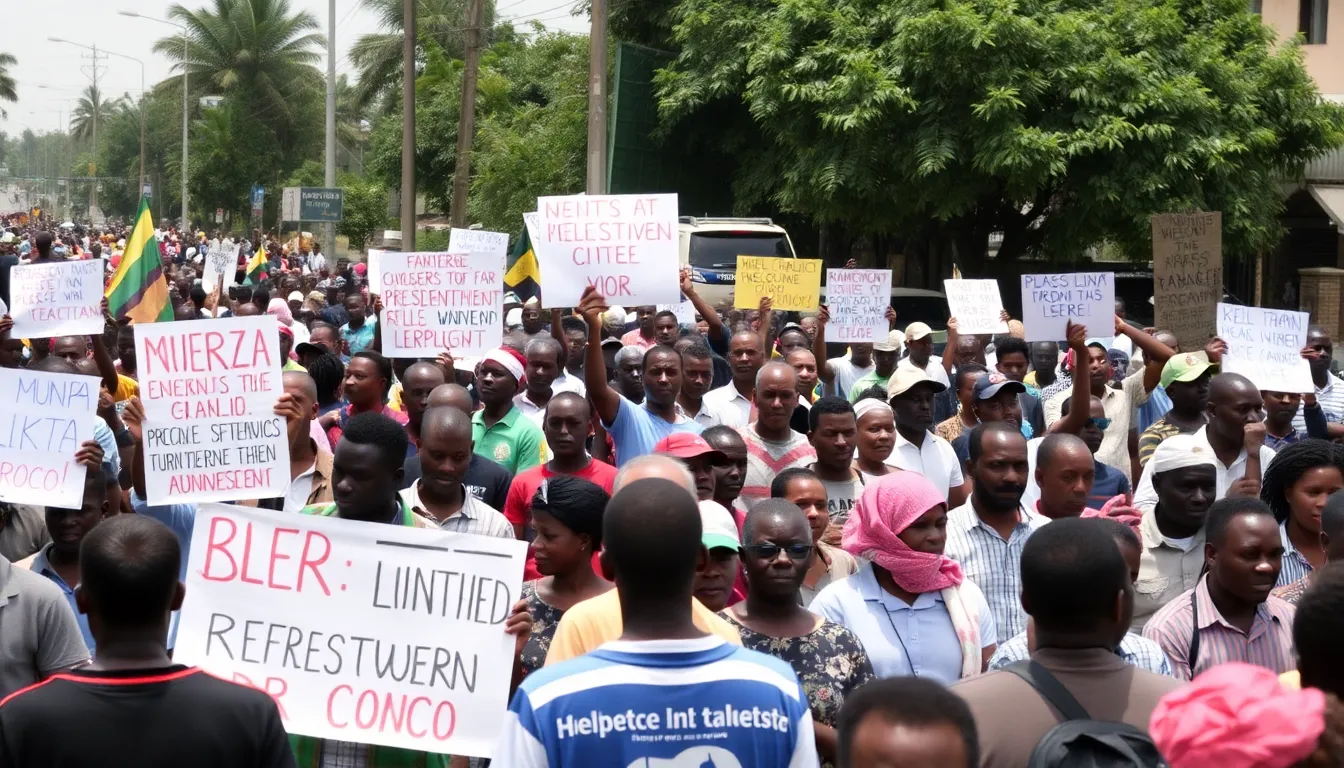
In the years following Mobutu’s fall, the DRC transitioned into a new era with the establishment of a transitional government, leading to the first democratic elections in 2006. Joseph Kabila, who had taken power after his father’s assassination, was elected president. However, his rule was characterized by controversies, including allegations of human rights abuses and electoral fraud, which fueled public discontent and unrest.
In 2018, Kabila’s presidency officially ended, and Felix Tshisekedi was elected in a contentious election that many observers deemed flawed. Despite promises of reform, Tshisekedi’s government has faced significant challenges, including ongoing violence in eastern DRC, economic difficulties, and persistent allegations of corruption. These issues have led to increasing calls for political stability and effective governance, similar to the dynamics discussed in Cuba condemns Trump’s new sanctions as collective punishment.
Recent Developments and Implications
As the political landscape evolves, President Tshisekedi’s recent hints at extending his term and delaying upcoming elections have raised alarms among opposition groups and civil society. This potential move echoes past patterns in Congolese politics where leaders have sought to extend their time in power, often leading to widespread protests and international condemnation. The implications of such a decision could further destabilize the country and hinder efforts for democratic governance.
Key stakeholders and issues surrounding the term extension
The political landscape in the Democratic Republic of the Congo (DRC) is characterized by a complex interplay of various stakeholders, each with distinct interests regarding the potential extension of President Félix Tshisekedi’s term and the postponement of upcoming elections. Understanding these dynamics is crucial to grasping the broader implications for governance and stability in the region.
Key actors in this scenario include President Tshisekedi, opposition parties, civil society organizations, and international observers. President Tshisekedi’s interest lies in maintaining power and possibly consolidating his political agenda, while opposition parties are likely to view any term extension as a direct threat to democratic processes and electoral integrity. Civil society organizations are concerned about the potential for increased unrest and the erosion of democratic norms.
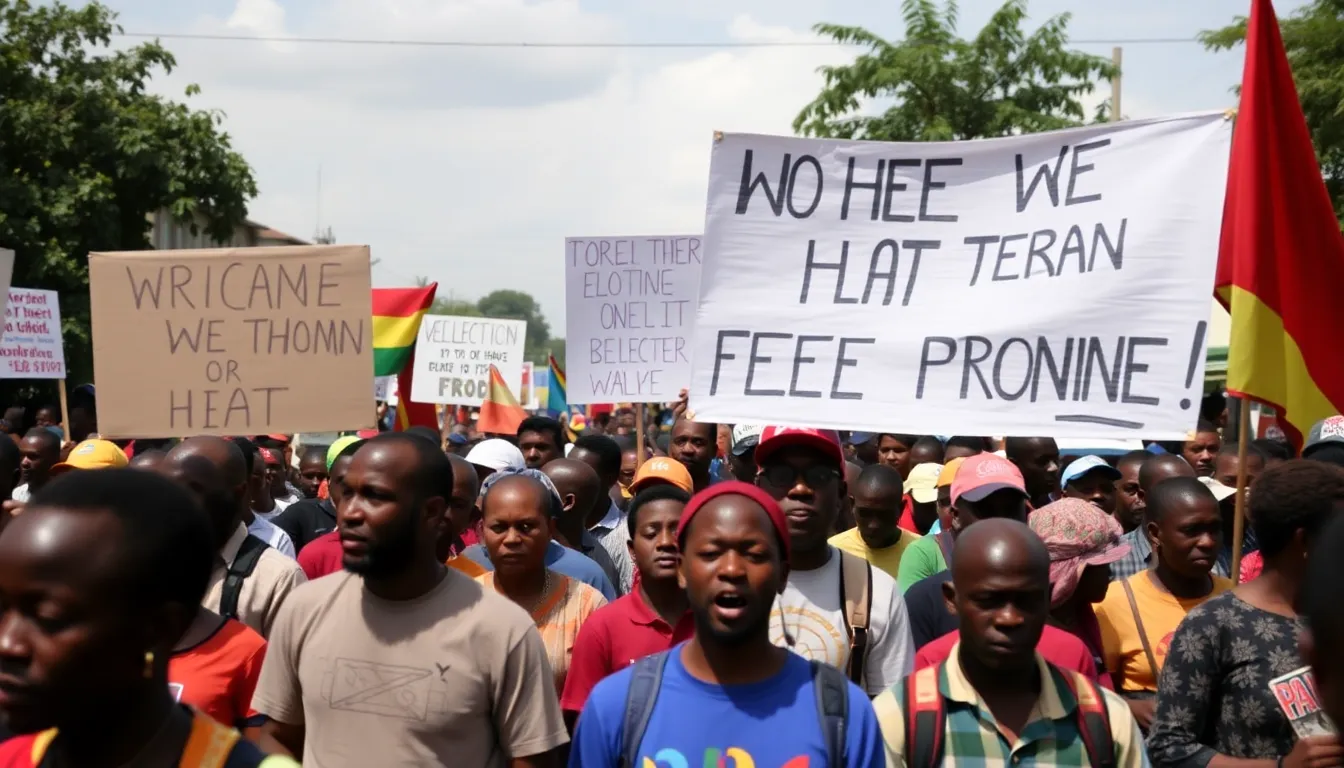
Several key issues emerge from this situation:
- Electoral Integrity: The legitimacy of the electoral process is at stake, with fears that delaying elections could undermine public trust in democratic institutions.
- Political Stability: A term extension may lead to heightened tensions between the government and opposition, potentially resulting in civil unrest.
- International Relations: The DRC’s relationships with foreign governments and organizations could be strained if perceived as moving away from democratic principles.
- Legal Considerations: The constitutionality of extending the presidential term raises significant legal questions that could lead to judicial challenges.
In summary, the proposed term extension and election delay in the DRC is not merely a political maneuver; it reflects deeper tensions within the country and poses significant risks to its democratic framework. As stakeholders navigate these challenges, the outcomes will likely have lasting implications for governance and civil society in the DRC, which is not unlike the issues faced in Britney Spears facing DUI charges in California.
Potential impact on citizens and the political landscape
The potential extension of President Félix Tshisekedi’s term and the delay of elections in the Democratic Republic of the Congo (DRC) could have significant ramifications for various groups and sectors across the nation. Citizens, political parties, and businesses alike may feel the effects of this political maneuvering, which raises concerns about governance, stability, and economic prospects.
In the short term, citizens may experience heightened political tension and uncertainty. Many individuals are likely to feel disillusioned with the political process, leading to protests and civil unrest. This unrest could disrupt daily life, affecting public services, transportation, and local businesses. Additionally, the delay in elections may impede the progress of democratic reforms, further eroding public trust in the government.
From an economic perspective, industries such as mining, agriculture, and telecommunications could face challenges. Investors may become wary of the political climate, leading to reduced foreign direct investment. Businesses relying on stable governance may struggle to operate effectively, impacting employment and economic growth. However, there may also be opportunities for local entrepreneurs to fill gaps left by larger companies retreating from the market.
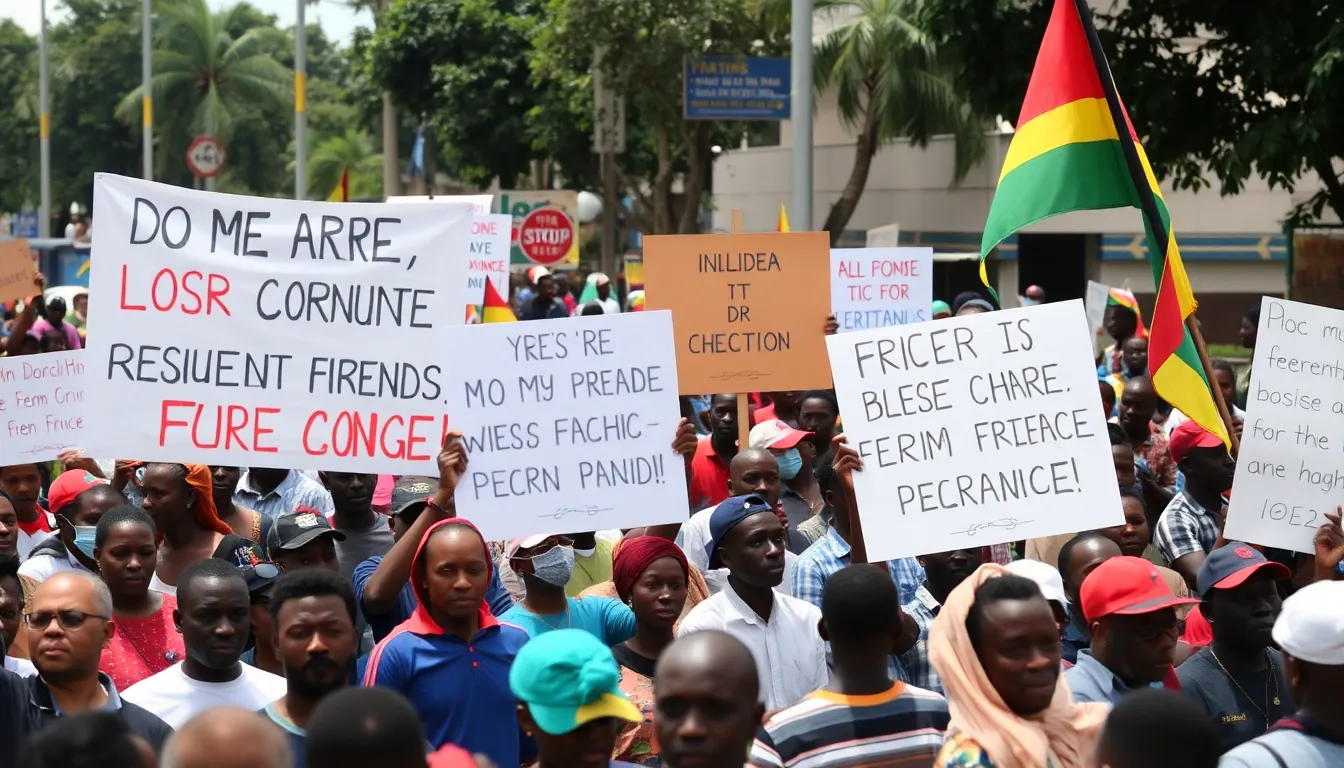
- Political Risks: Increased civil unrest and public dissatisfaction.
- Economic Impacts: Potential decline in foreign investments and business operations.
- Opportunities: Local businesses may find new niches as larger firms withdraw.
In the mid-term, the political landscape could shift dramatically depending on how the situation evolves. If tensions escalate, the government may impose stricter measures to maintain control, which could stifle civil liberties and further alienate the populace. Conversely, if the government manages to navigate these challenges effectively, it could foster a sense of stability that might attract cautious investment back into the DRC.
Ultimately, the implications of extending the presidential term and delaying elections will ripple through various sectors, influencing not only the political climate but also the everyday lives of Congolese citizens. The balance between risks and opportunities will be crucial as stakeholders navigate this uncertain terrain.
A: The president hinted at the possibility of extending his term, suggesting that the current political climate may necessitate such a decision. A: The president cited various reasons, including security concerns and the need for more time to prepare for a fair electoral process. A: Public reaction has been mixed, with some citizens expressing concern over potential democratic backsliding, while others support the president’s decision for stability. A: Delaying elections and extending terms could undermine democratic processes and lead to increased political unrest among opposition groups. A: The elections were initially scheduled for later this year, but the timeline may shift depending on the president’s decisions.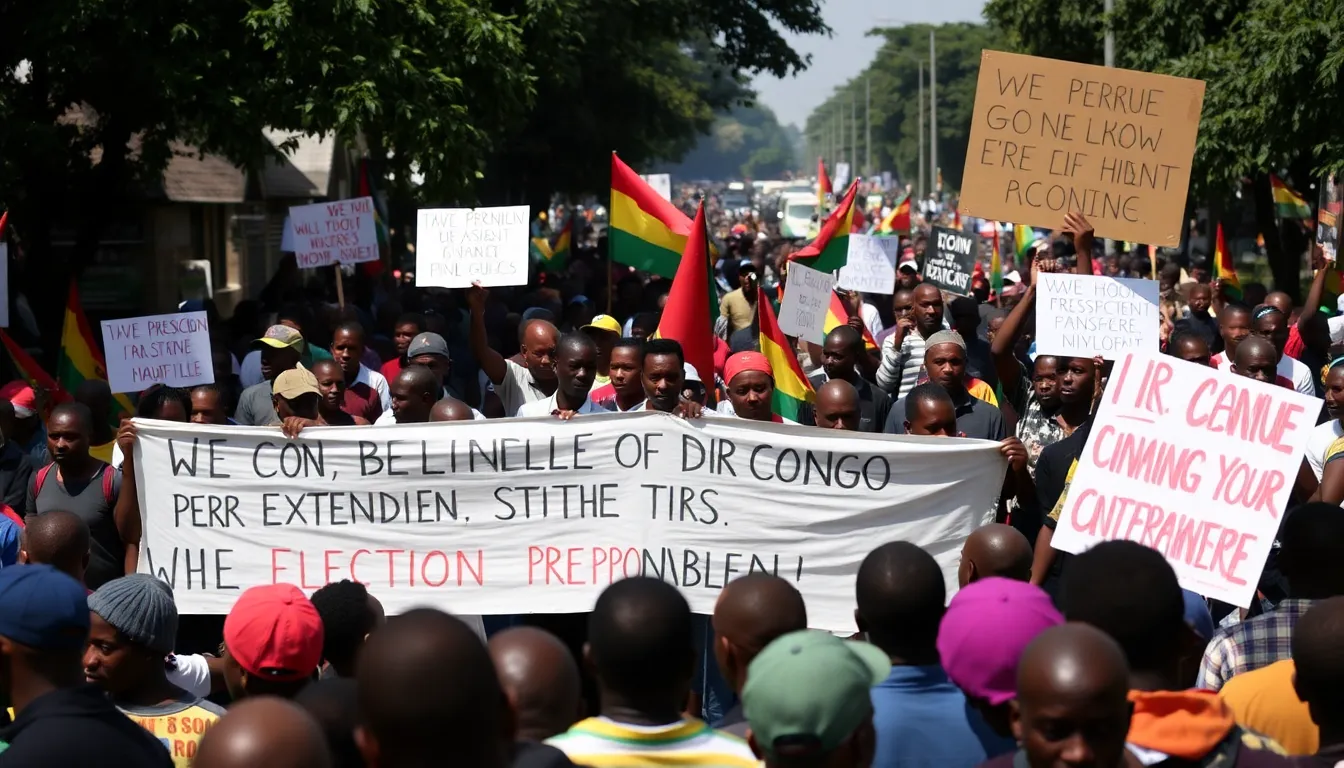
Frequently asked questions about the president’s remarks
Outlook on the future of elections in DR Congo
The recent statements from the president of the Democratic Republic of Congo regarding the potential extension of his term and the postponement of elections have raised significant concerns among political observers and citizens alike. This situation underscores the delicate balance between governance, public sentiment, and international expectations. As the political landscape evolves, the implications for stability and democratic processes in the country could be profound.
Moving forward, it will be crucial to monitor the reactions from both domestic and international stakeholders. The response from the Congolese populace, civil society, and regional powers could shape the trajectory of the political environment. Furthermore, the potential for increased tensions or unrest cannot be overlooked as the country navigates these uncertain waters.
- The possibility of civil unrest increases if citizens perceive the extension as a direct threat to democratic processes.
- International reactions, particularly from neighboring countries and global organizations, may influence the government’s decision-making and legitimacy.
- The role of opposition parties and their strategies will be critical in shaping the political discourse and mobilizing public opinion.
- Economic implications may arise, as uncertainty can deter investment and affect the overall economic climate in DR Congo.
- Media coverage and public discourse will play a significant role in framing the narrative around the elections and the president’s intentions.