


The findings revealed that the implementation of phone bans resulted in “close to zero impact” on students’ grades and overall engagement in the classroom. Researchers noted that while some educators believe restricting phone access could enhance focus, the data suggests that the reality may not support this assumption. For a deeper understanding of the implications of technology in education, you might want to read about how Vodafone sold us a dream and the reality was something different.
This research is particularly relevant as many school districts have adopted phone bans in recent years, citing concerns over distractions and cyberbullying. With the increasing reliance on technology in education, understanding the true effects of these policies is crucial for educators and policymakers alike.
As debates continue over the role of smartphones in educational settings, this study encourages a reevaluation of existing bans and urges schools to consider alternative strategies for promoting student engagement and academic success. The implications of these findings could influence future policy decisions across the nation.
Understanding the background of phone bans in education
The debate over phone bans in schools has evolved significantly over the past two decades, coinciding with the rapid advancement of mobile technology. In the early 2000s, as smartphones began to emerge, educators and policymakers grappled with the implications of these devices in the classroom. Initially, the focus was on the potential for distraction, leading many schools to implement outright bans on mobile phones during school hours.

By the mid-2010s, as smartphones became ubiquitous among students, the conversation shifted. Advocates for phone bans argued that these devices hindered academic performance and contributed to a decline in student engagement. This perspective was bolstered by various studies suggesting that the presence of phones could negatively impact learning outcomes. As a result, many school districts across the United States adopted stricter policies, often citing the need to create a focused learning environment.
The Role of Research and Policy
In recent years, however, research has begun to challenge the effectiveness of these bans. A study conducted by researchers at a prominent US university found that the impact of phone bans on student performance was negligible, suggesting that the policies may not yield the intended benefits. This revelation has sparked renewed debate among educators, parents, and policymakers about the best approach to managing technology in schools, particularly in light of discussions surrounding economic considerations.
Moreover, the economic implications of enforcing phone bans have also come under scrutiny. Schools often face financial constraints and must allocate resources wisely. The costs associated with monitoring and enforcing phone bans can divert funds from other educational priorities, raising questions about the overall effectiveness of such policies. This complex interplay of historical, social, and economic factors continues to shape the discourse surrounding mobile phone use in educational settings.
Key stakeholders and their perspectives on phone bans
The debate surrounding phone bans in schools involves a diverse array of stakeholders, each with distinct interests and perspectives. Among the primary actors are educational institutions, parents, students, and policymakers. Each group weighs the potential benefits and drawbacks of such bans differently, leading to a complex landscape of opinions and motivations.
Educational institutions often advocate for phone bans, arguing that they can enhance focus and reduce distractions in the classroom. Teachers and administrators may believe that limiting phone access can lead to improved academic performance and a more conducive learning environment. However, this perspective may conflict with students’ desires for autonomy and connectivity, which can lead to tensions between these groups. It is essential to consider varying opinions on technology, as highlighted in another article about missing Oscar trophies.
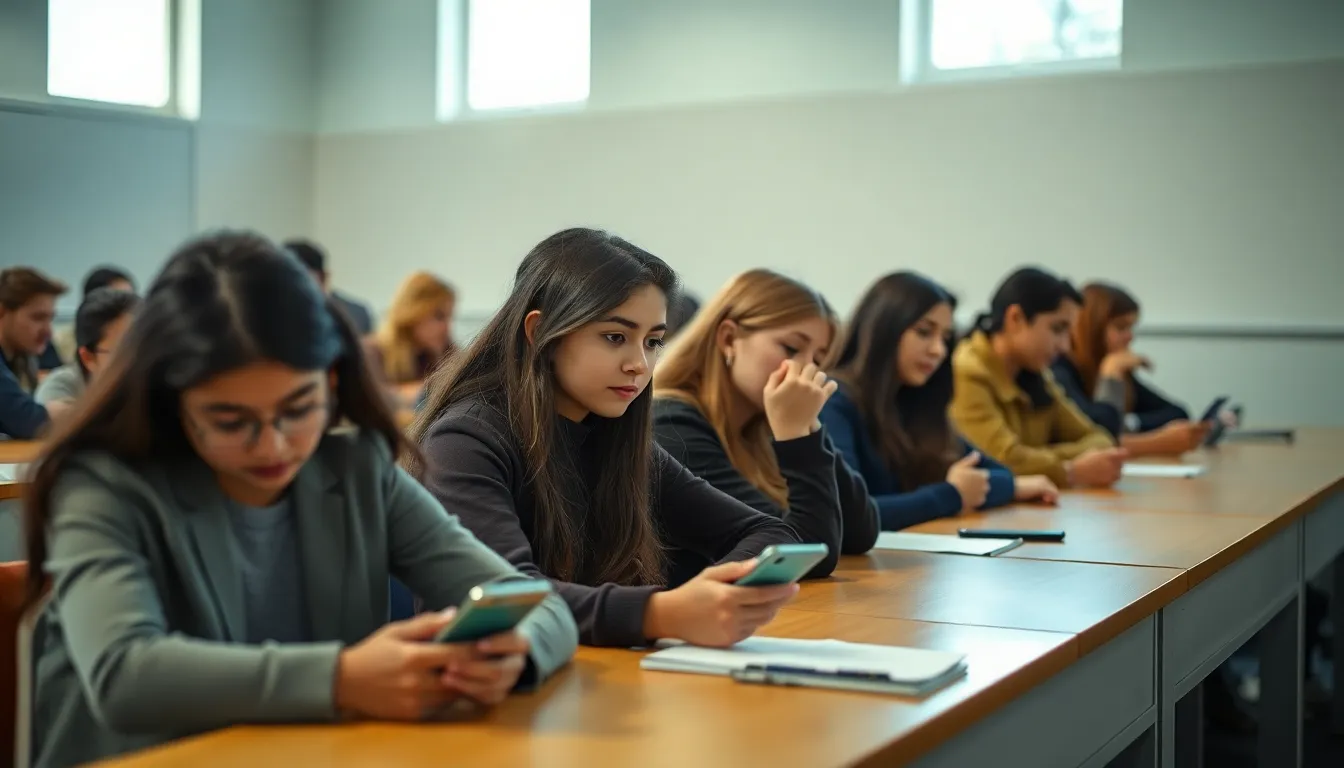
Parents generally have mixed feelings about phone bans. Some support restrictions, viewing them as a way to safeguard their children’s education and minimize distractions. Others, however, express concerns about the implications of such bans on their children’s safety and communication. This divergence in opinion highlights the trade-offs between educational priorities and the need for parental control and student independence.
Policymakers also play a crucial role in this debate, as they are tasked with creating regulations that balance educational effectiveness with students’ rights. Legal issues may arise regarding the enforcement of phone bans, particularly concerning students’ rights to access technology. Additionally, economic considerations come into play, as schools must allocate resources to enforce and monitor these policies effectively.
- Educational institutions prioritize academic performance and classroom focus.
- Parents are concerned about safety and communication versus educational effectiveness.
- Students seek autonomy and the ability to use technology for learning.
- Policymakers face challenges in balancing rights and regulations.
- Economic factors influence the implementation and enforcement of phone bans.
Who is affected by the phone ban policies in schools
The recent study questioning the effectiveness of phone bans in schools has implications for various groups, including students, educators, parents, and technology companies. Each of these stakeholders may experience different consequences as schools navigate the complexities of mobile device usage in educational settings.
Students are at the forefront of this discussion. While some may benefit from reduced distractions, others could feel stifled by restrictions that limit their access to digital tools. The short-term impact may include a temporary adjustment period as students adapt to a phone-free environment, while the mid-term effects could influence their engagement and academic performance.
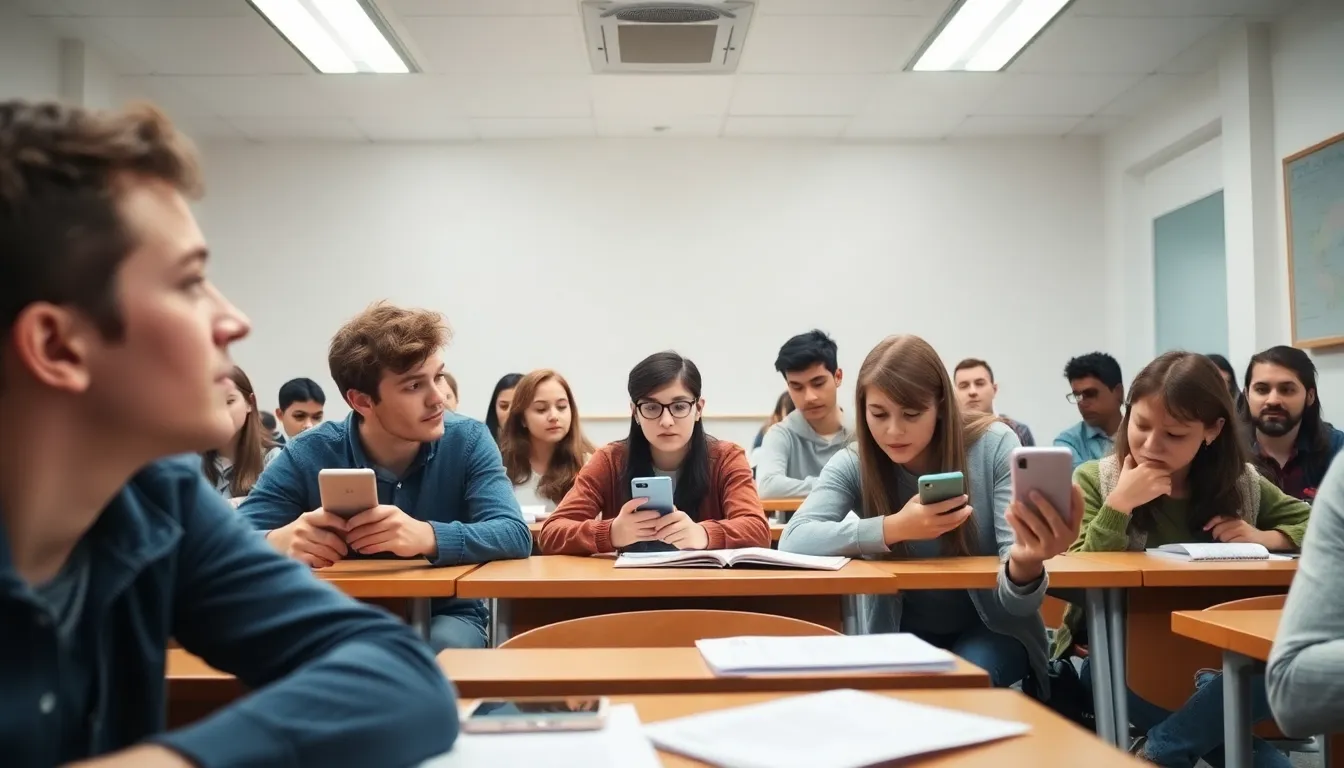
Educators also face challenges and opportunities as they adapt to these policies. Teachers may need to modify their teaching strategies to accommodate a classroom without smartphones. This shift could lead to an increased focus on traditional learning methods, but it may also provide opportunities to explore innovative teaching practices that leverage technology in more controlled ways.
Parents are likely to feel the effects of these policies as well. Concerns about their children’s safety and communication can arise when phones are banned during school hours. In the short term, parents may need to adjust their routines to ensure they can stay in touch with their children. In the mid-term, this could spark discussions about the role of technology in education and lead to increased parental involvement in school policy decisions.
- Risks: Potential disengagement from students, increased anxiety among parents, and resistance from educators.
- Opportunities: Enhanced focus on traditional learning, potential for innovative teaching methods, and stronger parent-school collaboration.
Lastly, technology companies that provide educational tools and apps may find themselves affected by these policies. A decline in smartphone usage in schools could impact their market strategies, prompting them to explore alternative avenues for integrating their products into educational environments. The mid-term outcome may lead to a reevaluation of how technology is marketed and utilized within the education sector.
A: The study suggests that phone bans have close to zero impact on student academic performance, challenging the rationale behind such policies. A: Schools often implement phone bans to minimize distractions and improve focus among students during class. A: Potential drawbacks include limiting access to educational resources and hindering communication between students and parents. A: The researchers analyzed academic performance data from various schools before and after the implementation of phone bans to assess their effectiveness. A: Schools should weigh the potential benefits against the limitations and consider alternative strategies to enhance student engagement.
Frequently asked questions about phone bans in schools
Key takeaways and future implications of the study
The recent study examining the effects of smartphone bans in schools reveals that such policies may not yield the significant academic improvements that advocates have suggested. With findings indicating a negligible impact on student performance, educators and policymakers are encouraged to reconsider the assumptions surrounding technology use in educational settings. This calls for a more nuanced understanding of how digital devices interact with learning environments.
As schools continue to navigate the balance between technology integration and academic integrity, it will be essential to explore alternative strategies that address the challenges posed by smartphone usage. Future research and policy decisions should focus on fostering responsible technology use rather than outright bans.
- Reevaluate policy approaches: Schools may need to consider more flexible guidelines that promote responsible smartphone use rather than enforcing outright bans.
- Focus on digital literacy: Emphasizing digital literacy programs could empower students to use their devices more effectively and responsibly.
- Explore alternative interventions: Investigating other factors that influence academic performance, such as teaching methods and classroom engagement, could provide more impactful solutions.
- Monitor long-term effects: Ongoing research should assess the long-term implications of smartphone use on student behavior and learning outcomes.
- Engage stakeholders: Involving parents, teachers, and students in discussions about technology use can lead to more informed and effective policies.