


For instance, some former dancers are pursuing degrees in fields such as midwifery, healthcare, and education, seeking to utilize their discipline and creativity in new ways. Others are venturing into politics, with some even eyeing positions in government, such as the House of Lords. These transitions highlight the versatility and resilience of ballet dancers, who must adapt to changing circumstances.
The recent discussions around these career changes were sparked by a series of workshops and seminars held in October 2023, aimed at providing guidance and resources for dancers considering life after ballet. Industry experts, including former professional dancers and career coaches, emphasized the importance of transferable skills gained through years of training and performance .
As ballet companies grapple with financial constraints and audience engagement challenges, the conversation around the future of dancers becomes increasingly relevant. The ability to pivot to new professions not only impacts the individual dancers but also reflects broader trends within the arts community, where adaptability is becoming essential for survival.
The journey of ballet dancers beyond the stage
Ballet has long been revered not only as an art form but as a rigorous discipline that shapes the lives of those who dedicate themselves to it. Historically, ballet dancers have faced a unique set of challenges as they transition from the stage to other professional avenues. The physical demands of ballet training and performance often lead to early retirements, pushing many dancers to seek new careers while still in their 30s or even 20s.

In recent years, the conversation surrounding the future of ballet dancers has evolved, reflecting broader societal changes. As the arts sector grapples with funding cuts and the impact of the pandemic, dancers are increasingly exploring diverse career paths. This shift is not merely a personal decision; it is also influenced by economic factors, including the need for financial stability and the pursuit of lifelong learning opportunities.
Milestones in Career Transition
Several key milestones highlight the growing recognition of the need for career support for ballet dancers. Initiatives such as the Dancer Transition Resource Centre in Canada and similar organizations in the UK provide resources and training for dancers to transition into fields like education, healthcare, and even politics. These programs have emerged in response to the historical lack of support for dancers, who were often left without guidance as they navigated their post-performance careers and faced issues similar to those detailed in the article about environmental challenges.
Moreover, the increasing visibility of former dancers in various professional roles, including midwifery and positions within the House of Lords, underscores a cultural shift. It challenges the notion that a ballet career is a finite path, demonstrating that the skills acquired through dancediscipline, resilience, and creativityare highly transferable and valued in numerous sectors.
As society continues to recognize the contributions of artists beyond their performances, ballet dancers are redefining their identities and embracing new opportunities. This evolution not only enriches their lives but also enhances the cultural fabric of the communities in which they engage, paving the way for future generations of dancers to explore diverse career trajectories.
Key issues in the career transitions of ballet dancers
The transition from a career in ballet to other professions presents a unique set of challenges and opportunities for dancers. As they pivot to new fields such as midwifery, education, or even politics, various stakeholders emerge, each with distinct interests and concerns.
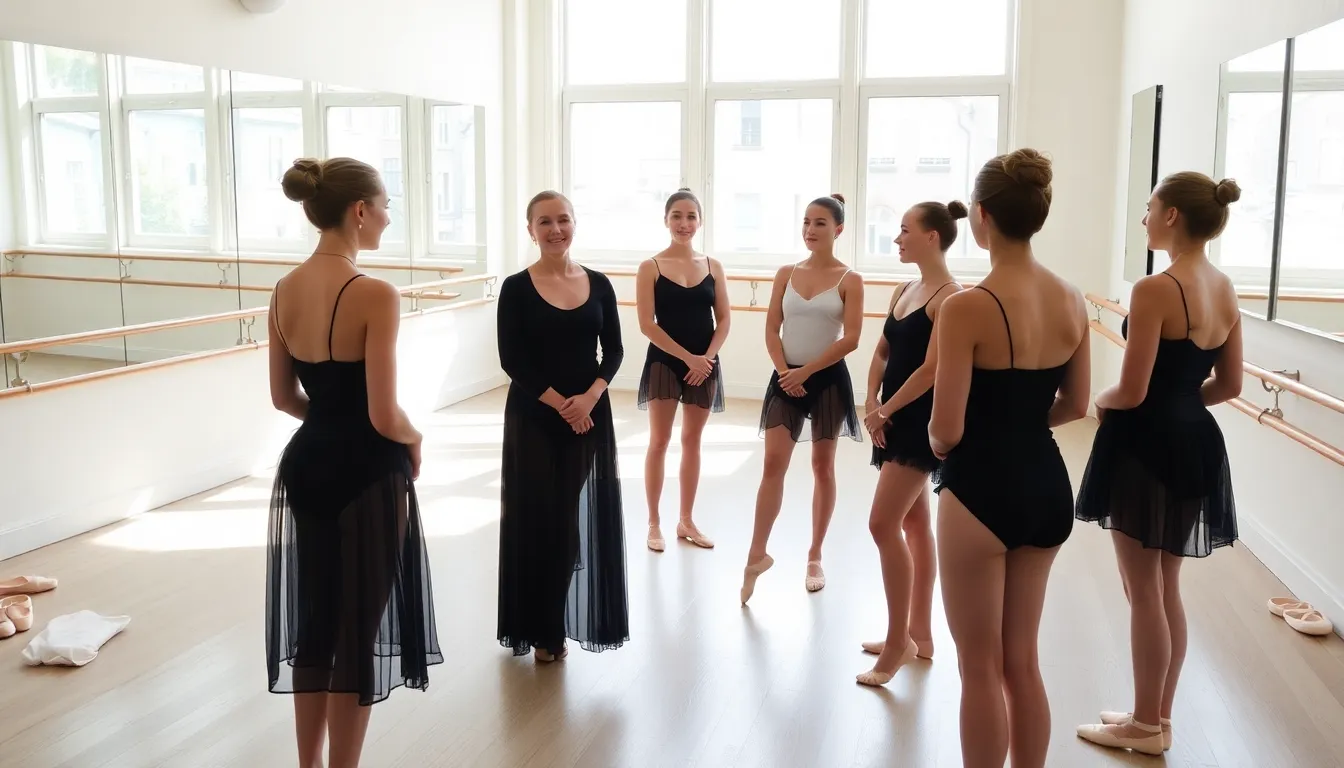
One primary actor in this transition is the dancers themselves, who often grapple with identity and self-worth as they leave behind a profession that has defined them for years. Their interests typically center around finding fulfilling work that respects their artistic background while providing financial stability.
Another significant stakeholder includes educational institutions and training programs. These organizations aim to equip ballet dancers with transferable skills that can be applied in new careers. However, there can be conflicts over the adequacy of training programs in addressing the specific needs of dancers transitioning to fields like healthcare or public service.
Government bodies also play a crucial role, particularly in terms of funding and policy support for arts education and career transition programs. They are interested in fostering a diverse workforce and may face trade-offs in allocating resources between supporting the arts and other sectors such as healthcare or education.
- Identity Crisis: Dancers may struggle with their self-image and how to present their ballet experience in a new context.
- Skill Transferability: The effectiveness of programs that teach transferable skills is often debated.
- Funding Allocation: Government priorities can impact the availability of resources for transition programs.
- Public Perception: The societal view of ballet as a legitimate foundation for other careers can influence dancers’ confidence.
- Networking Opportunities: Access to professional networks in new fields can significantly affect career success.
Impact of ballet training on new career opportunities
The transition from ballet to other professions affects a diverse range of groups, including dancers, educational institutions, healthcare providers, and even political entities. As ballet dancers explore new career paths, they bring unique skills and experiences that can influence various industries.

In the short term, ballet dancers may face challenges as they navigate their new roles, particularly in fields such as midwifery or politics. The skills honed during years of trainingdiscipline, teamwork, and resilienceare invaluable, yet the adjustment to a different work environment can be daunting. This transition may disrupt daily life as they seek additional training or qualifications.
Mid-term impacts could include a shift in how the performing arts community is perceived, particularly regarding the versatility of ballet training. As dancers successfully enter professions like healthcare or public service, they may inspire policies that support the arts in education, promoting a more holistic view of career pathways. This could lead to increased funding for arts programs and greater collaboration between the arts and other sectors.
- Risks: Potential underemployment or difficulty in credentialing for new careers.
- Opportunities: Enhanced interdisciplinary collaboration and innovation in various fields.
- Community Impact: Increased visibility for the arts within sectors like healthcare and politics.
Regions with strong ballet communities may see a ripple effect, as local economies adapt to the changing workforce. For instance, cities known for their ballet companies could experience a boost in related industries, such as education and healthcare, as former dancers leverage their experience to create new opportunities.
A: Ballet dancers develop discipline, teamwork, and physical endurance, which are valuable in various fields. Their ability to perform under pressure also translates well into high-stakes environments. A: Many dancers seek additional education or training in their new fields. Networking and mentorship are also crucial for making successful transitions. A: Yes, various organizations offer resources and programs to assist dancers in their career transitions, including workshops and counseling. A: Absolutely, some dancers leverage their public speaking and leadership skills to enter politics, advocating for the arts and community issues. A: Common paths include teaching, choreography, arts administration, healthcare professions like midwifery, and even roles in government.
Frequently asked questions about ballet dancers’ career changes
Insights on the future paths of former ballet dancers
The transition from a career in ballet to other professional fields highlights the versatility and adaptability of dancers. As they navigate their next steps, many are discovering that the skills honed through years of rigorous training in balletsuch as discipline, teamwork, and creativityare invaluable in various sectors. This shift not only broadens their horizons but also enriches the industries they enter, bringing a unique perspective shaped by their artistic backgrounds.
As former ballet dancers embark on new journeys, their experiences can serve as a source of inspiration for others considering similar transitions. The stories of these individuals illustrate the importance of embracing change and pursuing diverse opportunities, ultimately fostering a greater appreciation for the arts and its impact on society.
- Embrace transferable skills: Skills gained in ballet, such as discipline and teamwork, are applicable in many fields.
- Explore diverse career paths: Former dancers are successfully entering professions ranging from healthcare to politics.
- Network within and beyond the arts: Building connections can open doors to unexpected opportunities.
- Advocate for arts education: The value of arts training can enhance various industries, promoting creativity and innovation.
- Stay open to lifelong learning: Continuous personal and professional development is key to adapting in new environments.