


The factory, known for producing a variety of fireworks, was reportedly operating at full capacity ahead of the upcoming festive season, which typically sees an increase in demand for pyrotechnics. Local authorities have launched an investigation into the cause of the explosion, focusing on safety protocols and regulatory compliance within the facility, as highlighted in the recent news about China eliminating tariffs.
This tragic event highlights ongoing concerns regarding workplace safety in China’s manufacturing sector, particularly in industries known for hazardous materials. Despite improvements in safety regulations over the years, incidents like this raise questions about enforcement and the effectiveness of current safety measures, echoing issues seen in the broader context of regulatory changes in various sectors.
In the wake of the explosion, the local government has pledged to conduct thorough inspections of similar facilities across the region. The incident not only underscores the risks associated with fireworks production but also serves as a reminder of the need for stringent safety practices to protect workers and communities alike.
Understanding the background of fireworks manufacturing in China
Fireworks manufacturing has a long and storied history in China, dating back over a thousand years. The origins of pyrotechnics can be traced to the Tang Dynasty, where early forms of fireworks were used for celebrations and religious ceremonies. Over the centuries, this tradition evolved, leading to the establishment of a robust fireworks industry that has become a significant part of Chinese culture and economy.
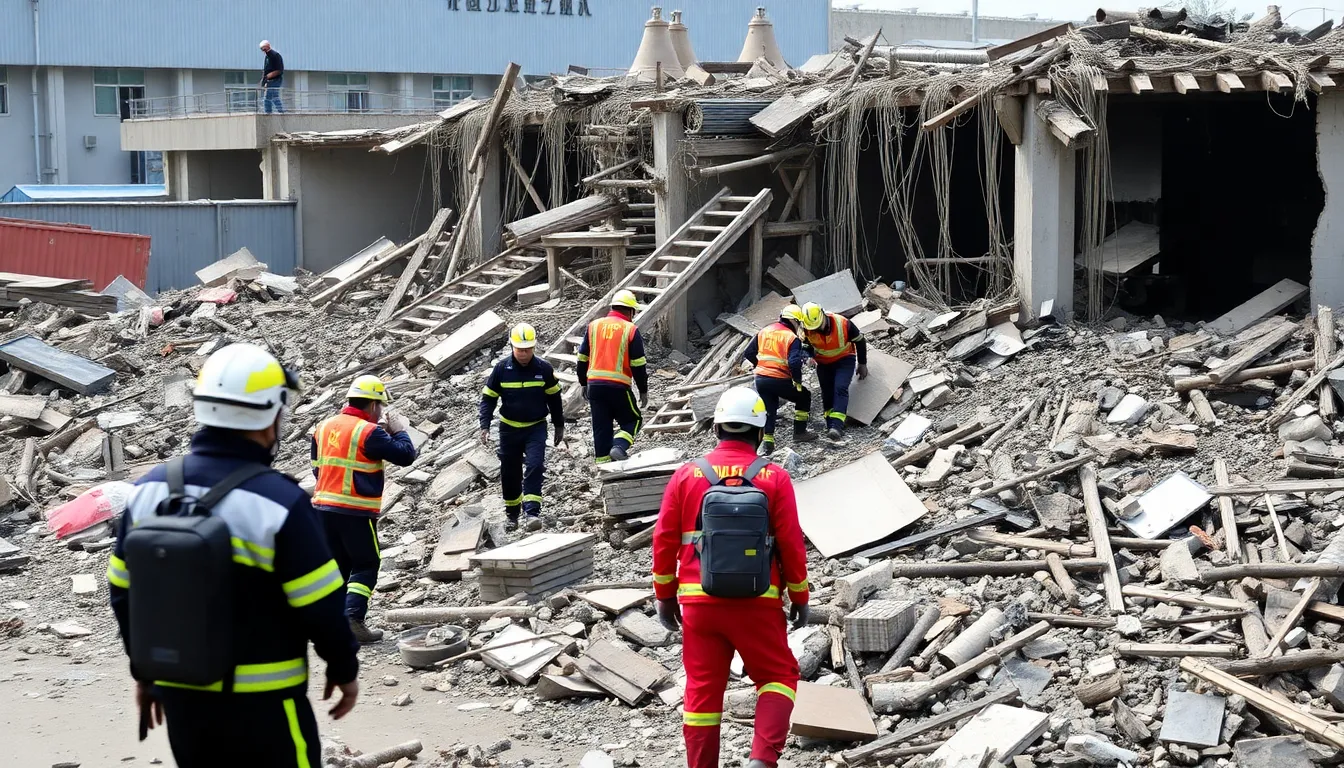
In recent decades, China has emerged as the world’s largest producer and exporter of fireworks, accounting for approximately 90% of global supply. The industry thrives in regions like Hunan and Jiangxi provinces, where production facilities are often located in rural areas. This rapid growth has been fueled by domestic demand for celebrations, festivals, and the global market’s insatiable appetite for fireworks, particularly during events like New Year’s and Independence Day in various countries.
Regulatory Environment and Safety Concerns
Despite its economic significance, the fireworks industry in China has faced ongoing scrutiny over safety standards and working conditions. Historically, the sector has been marked by a lack of stringent regulations, leading to numerous incidents and accidents. The explosion at the fireworks factory that claimed 26 lives is not an isolated event; it highlights a troubling pattern of safety lapses within the industry. Past incidents have prompted calls for reform, yet progress has been slow, often hampered by local governments prioritizing economic growth over stringent enforcement of safety regulations.
The socio-economic implications of the fireworks industry are profound, as many families rely on this sector for their livelihoods. However, the tragic consequences of safety oversights raise critical questions about worker protections and the balance between economic gain and human safety, paralleling broader economic discussions about the impacts of immersion experiences on local economies.
Analyzing the stakeholders and safety issues in the fireworks industry
The recent explosion at a fireworks factory in China, which resulted in the tragic loss of 26 lives, has brought to light the complex web of stakeholders involved in the fireworks industry. Key actors include factory owners, workers, local governments, regulatory agencies, and consumers. Each of these groups has distinct interests that can sometimes conflict, particularly regarding safety regulations and economic profitability.
Factory owners typically prioritize profit maximization, often leading to cost-cutting measures that can compromise safety standards. Workers, on the other hand, seek job security and safe working conditions, which can be at odds with the owners’ financial interests. Local governments may face pressure to promote economic growth through the fireworks industry, yet they are also responsible for enforcing safety regulations to protect their communities.
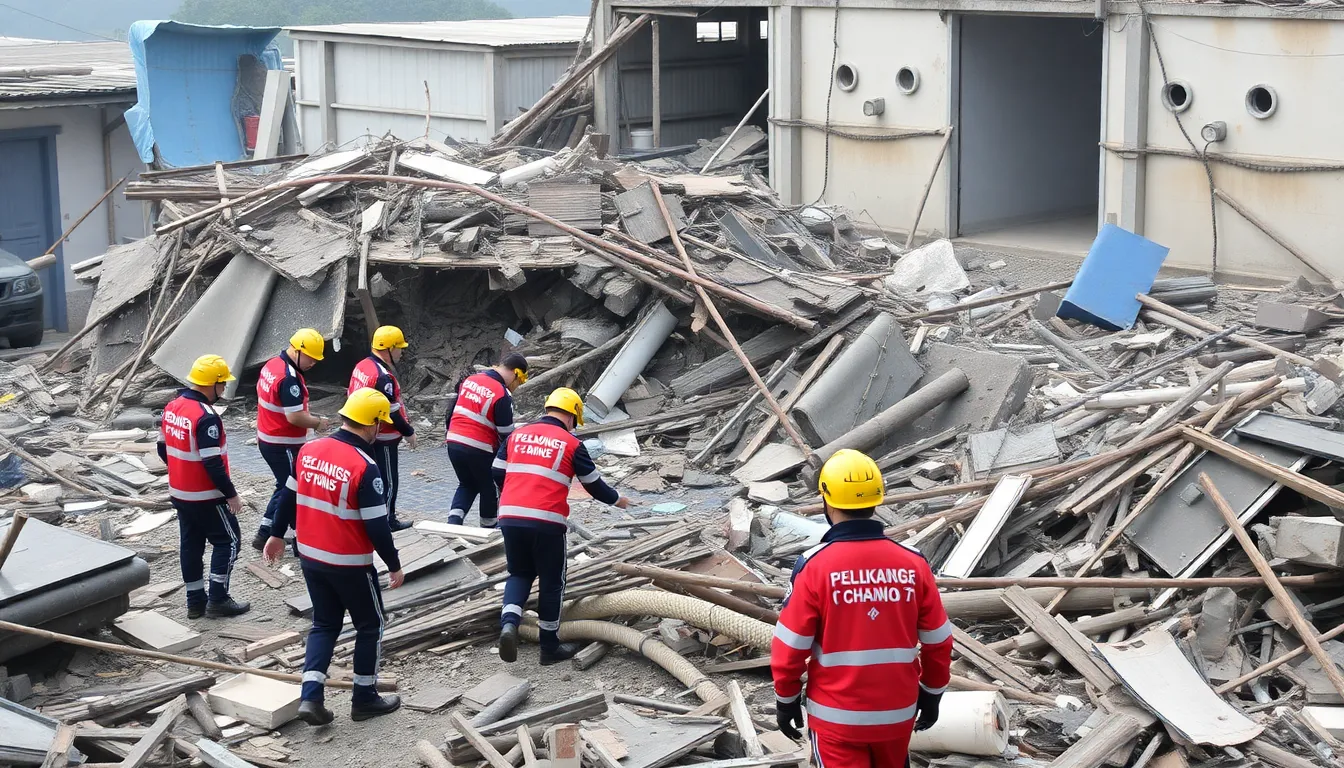
Regulatory agencies play a crucial role in setting and enforcing safety standards. However, enforcement can be inconsistent, particularly in regions where the fireworks industry is a significant economic driver. This inconsistency can lead to a lack of accountability and a culture of neglect regarding safety practices. Consumers, while interested in the entertainment value of fireworks, may not fully understand the risks involved in their production and the potential consequences of lapses in safety.
- Profit vs. Safety: The tension between maximizing profits and ensuring worker safety is a persistent issue in the fireworks industry.
- Regulatory Challenges: Inadequate enforcement of safety regulations can lead to catastrophic incidents, as seen in the recent explosion.
- Community Impact: Local communities often face the dual challenge of wanting economic benefits while needing to ensure public safety.
- Worker Advocacy: There is a growing need for stronger advocacy for workers’ rights and safety standards in hazardous industries.
- Consumer Awareness: Increasing consumer awareness about the risks associated with fireworks can drive demand for safer practices.
Assessing the impact on families and the local community
The tragic explosion at the fireworks factory has devastated families and the local community in China, with 26 lives lost and many more affected. The immediate impact is felt most acutely by the families of the victims, who are now facing the emotional and financial repercussions of this disaster. The local community is also grappling with the loss of life, as well as the disruption of daily activities and local businesses.
In the short term, the explosion will likely lead to increased scrutiny of safety regulations within the fireworks industry. Local authorities may implement stricter safety measures and inspections, which could disrupt production and sales. The emotional toll on the community may also lead to a temporary decline in consumer confidence, affecting local businesses that rely on festive events and celebrations.
Mid-term impacts may include changes in policy regarding fireworks manufacturing and distribution. This could result in a shift toward safer practices, potentially increasing operational costs for manufacturers. While this may pose challenges for the industry, it could also create opportunities for businesses that specialize in safer, environmentally friendly alternatives to traditional fireworks.
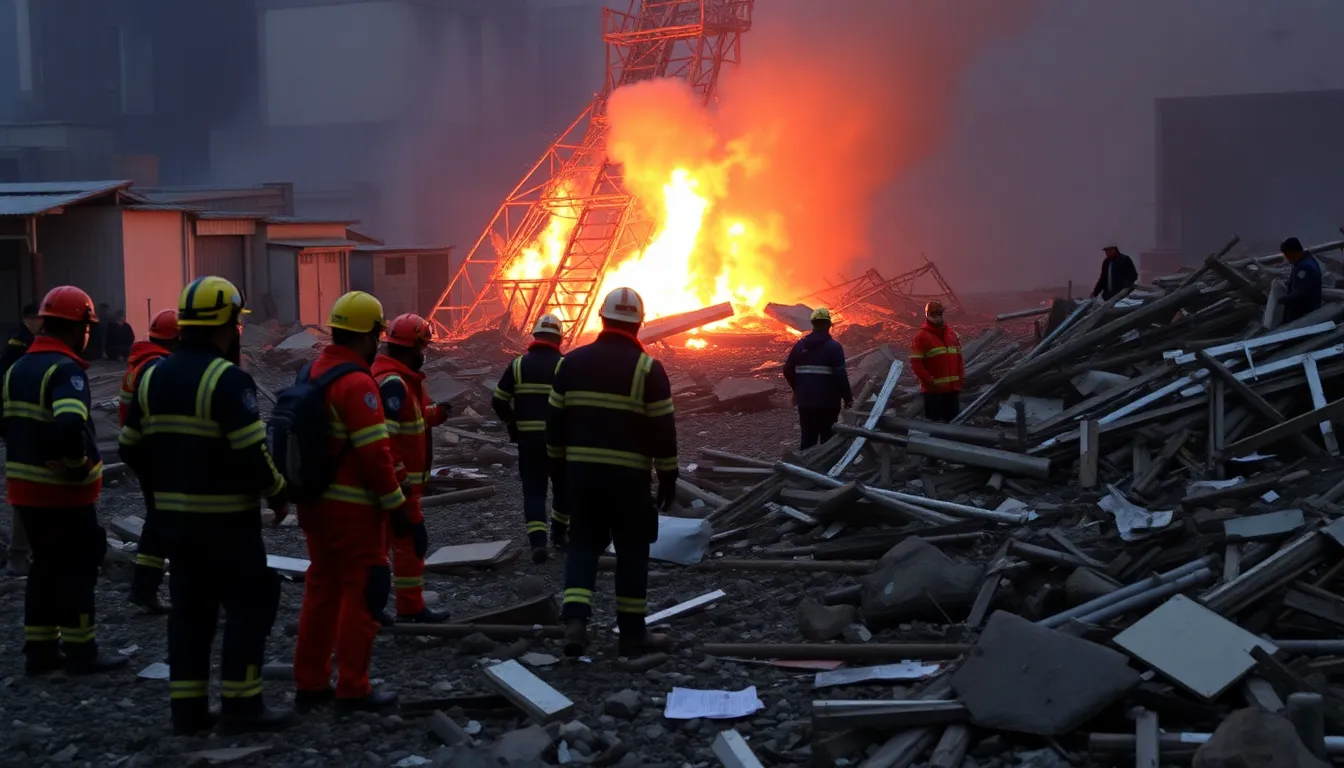
- Increased safety regulations affecting production.
- Potential decline in local business revenue.
- Opportunities for innovation in safer fireworks alternatives.
- Emotional and psychological support needs for affected families.
The explosion may also impact the broader fireworks market, as domestic and international consumers reassess their purchasing habits. Companies that prioritize safety and community engagement may find new opportunities to build trust and loyalty among consumers in the wake of this tragedy.
A: The exact cause of the explosion is still under investigation, but initial reports suggest that it may be related to safety violations in handling explosive materials. A: In addition to the 26 fatalities, several others were reported injured, with some in critical condition, highlighting the severity of the incident. A: Authorities are expected to conduct thorough inspections of fireworks factories across the country and enforce stricter safety regulations to prevent future incidents. A: The local community has expressed deep sorrow and outrage over the loss of life, with many calling for accountability and better safety practices in the industry. A: Yes, local authorities have launched an investigation to determine the circumstances surrounding the explosion and to hold responsible parties accountable.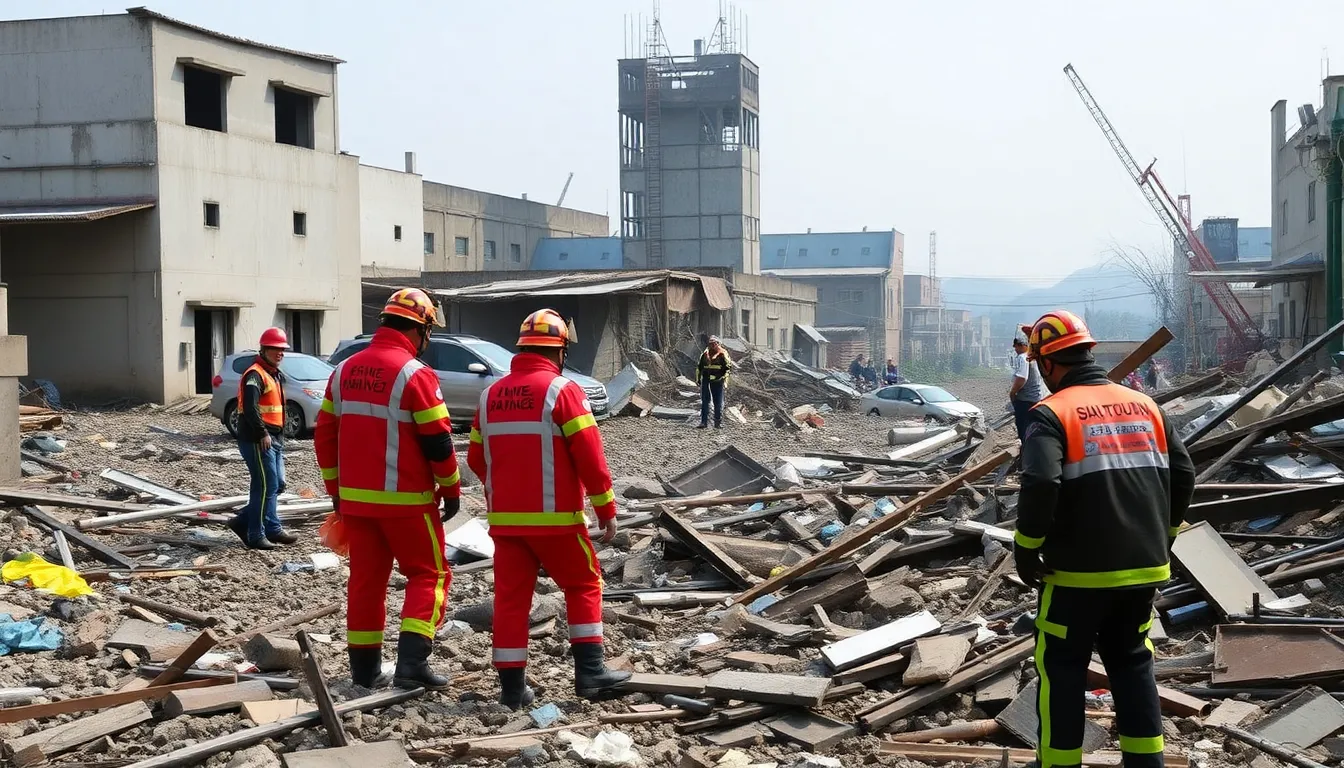
Frequently asked questions about the fireworks factory explosion
Key takeaways and future outlook on fireworks safety
The tragic explosion at the fireworks factory in China highlights the ongoing challenges associated with safety standards in the pyrotechnics industry. As investigations unfold, it becomes crucial to assess the regulatory frameworks governing such facilities and the enforcement of safety protocols. This incident serves as a stark reminder of the potential hazards that can arise from inadequate safety measures and the need for systemic improvements to prevent future tragedies.
Looking ahead, stakeholders across the industry, including manufacturers, regulators, and safety organizations, must prioritize the implementation of stricter safety regulations and training programs. The focus should not only be on compliance but also on fostering a culture of safety that permeates all levels of operations within the fireworks sector.
- Enhanced Safety Regulations: Expect calls for more stringent safety regulations and oversight in the fireworks manufacturing industry.
- Increased Training Programs: The need for comprehensive training programs for workers to ensure adherence to safety protocols will likely gain traction.
- Public Awareness Campaigns: There may be a rise in public awareness initiatives aimed at educating consumers about the risks associated with fireworks and promoting safer alternatives.
- Industry Accountability: Manufacturers could face greater scrutiny and accountability for safety violations, leading to potential legal and financial repercussions.
- Technological Innovations: The industry might see a push towards adopting new technologies that enhance safety measures during production and handling of fireworks.