


The announcement was made during the China-Africa Cooperation Forum held in Beijing on October 26, 2023.
This tariff elimination is expected to benefit a wide range of sectors, including agriculture, textiles, and electronics, allowing African exporters to access the Chinese market more competitively. Experts suggest that this could lead to increased investment and collaboration in various industries, potentially transforming economic landscapes in several African nations.
China’s decision reflects its ongoing commitment to strengthen partnerships with African countries, especially in the context of global economic challenges. As the world’s second-largest economy, China’s actions are likely to have significant implications for trade dynamics, not only in Africa but also in the global market.
Understanding the background of China’s trade policies in Africa
China’s engagement with Africa has evolved significantly over the past few decades, transforming from a primarily ideological partnership during the Cold War to a robust economic relationship characterized by trade, investment, and infrastructure development. In the early 2000s, China’s “Go Out” policy encouraged Chinese companies to invest abroad, leading to a surge in trade with African nations. This shift was marked by China’s increasing need for natural resources to fuel its rapid industrialization, which positioned Africa as a key supplier.
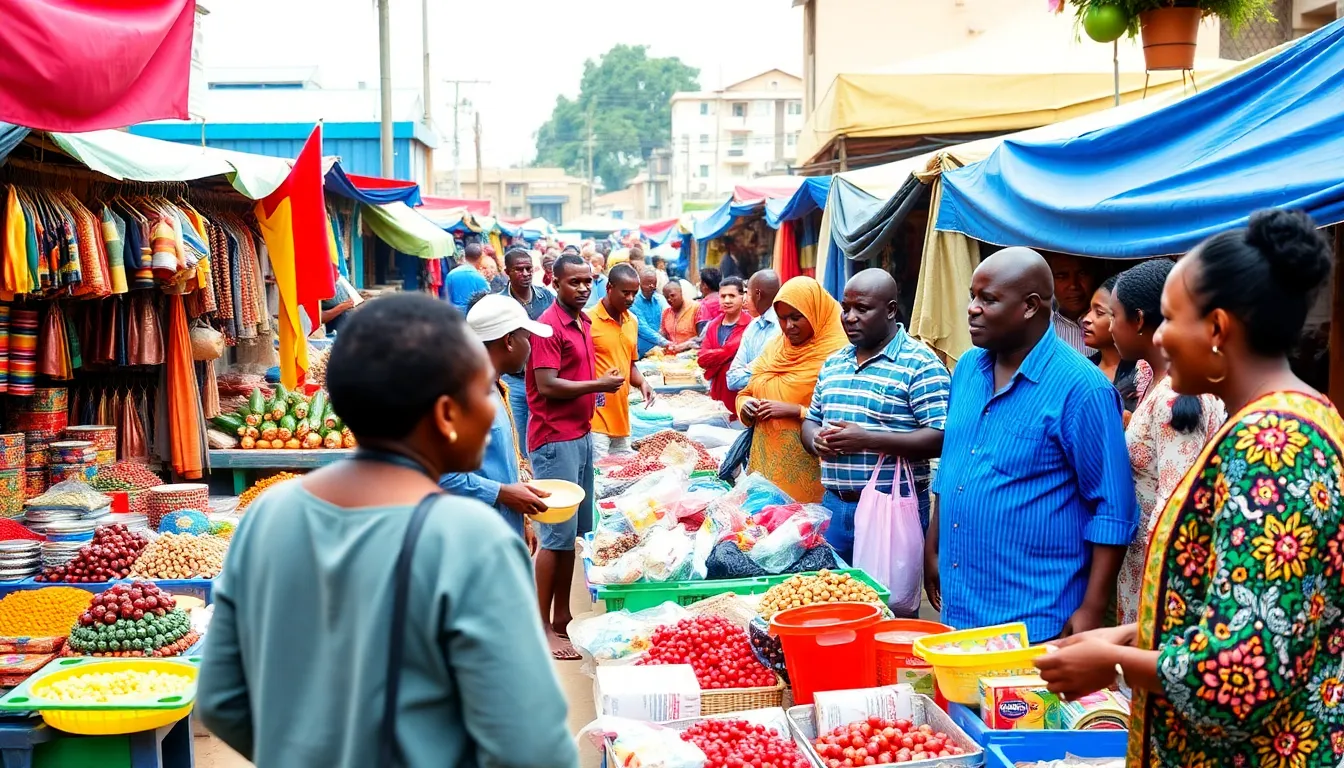
The Forum on China-Africa Cooperation (FOCAC), established in 2000, has served as a platform for enhancing economic ties, with China pledging billions in aid and investment over the years. This partnership has been further solidified through various trade agreements and tariff concessions.
The Tariff Landscape
In recent years, China has taken significant steps to reduce tariffs on a wide range of products from African countries, with the aim of strengthening trade ties and promoting economic development. The decision to scrap tariffs for all but one African nation reflects China’s strategic interests in fostering deeper economic integration with the continent. This move is particularly notable given the backdrop of global economic shifts and the increasing competition for influence in Africa from other powers, such as the United States and the European Union.
The decision to maintain tariffs on one specific African nation may be indicative of underlying political considerations or trade disputes that require further negotiation. It highlights the complexities of China’s trade policy, which is often influenced by geopolitical dynamics and the need to balance relationships with various African governments. As China continues to navigate its role in Africa, the implications of these tariff policies will play a crucial role in shaping the economic landscape of the continent.
Key stakeholders and implications of the tariff changes
The decision by China to scrap tariffs for all but one African nation has significant implications for various stakeholders, including African governments, Chinese businesses, and international trade organizations. Each of these actors has distinct interests that shape their reactions to this policy shift.
African nations, particularly those benefiting from the tariff removals, stand to gain increased access to the Chinese market. This could potentially enhance their export revenues and stimulate local economies. However, the exclusion of one nation raises questions about geopolitical favoritism and could lead to tensions among countries vying for trade advantages.
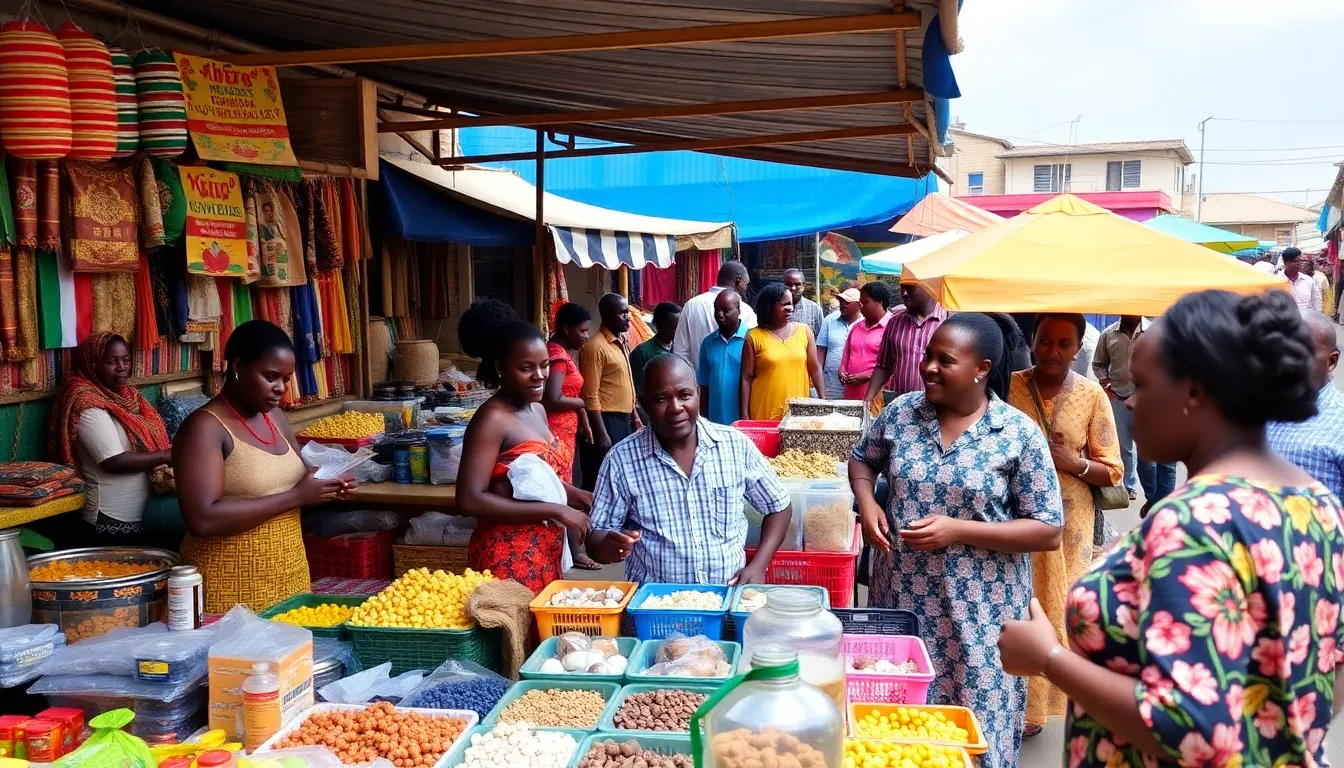
Chinese businesses are likely to view the tariff eliminations positively, as they can source materials and goods from Africa at lower costs. This move aligns with China’s broader Belt and Road Initiative, which seeks to strengthen economic ties with developing regions. However, there may be concerns about market saturation and competition among Chinese firms operating in Africa.
International trade organizations will monitor these developments closely, as they may impact global trade dynamics. The removal of tariffs could lead to increased trade flows between China and Africa, but it also highlights the complexities of trade relationships.
- Increased trade opportunities: African nations may experience a boost in exports to China.
- Geopolitical tensions: The exclusion of one nation could lead to diplomatic strains.
- Market competition: Chinese firms may face increased competition in the African market.
- Economic dependency: African nations may risk becoming overly reliant on Chinese trade.
- Global trade implications: Changes may influence international trade policies and agreements.
Potential impacts on African economies and trade relations
The decision by China to scrap tariffs for all but one African nation is poised to significantly affect various groups, industries, and regions across the continent. This move primarily benefits African exporters, particularly in sectors such as agriculture, textiles, and minerals, who will find it easier to access the Chinese market without the burden of tariffs. Countries like Kenya, Nigeria, and South Africa, which have established trade relations with China, stand to gain the most from this policy shift.
In the short term, African businesses may experience an increase in demand for their goods as they become more competitive in the Chinese market. This could lead to a boost in production and job creation within these industries. For consumers, this may translate into lower prices for imported goods, enhancing purchasing power and improving living standards. However, there are risks associated with over-reliance on the Chinese market, which could lead to vulnerabilities in local economies.

In the mid-term, the elimination of tariffs could foster deeper trade relations between China and African nations, potentially leading to increased foreign direct investment. This investment could spur infrastructure development and technology transfer, benefiting local industries and improving overall economic resilience. However, the opportunity for growth must be balanced with the risk of creating trade dependencies that could hinder the development of local markets.
- Increased demand: African exporters may see a rise in orders from China.
- Job creation: Growth in production could lead to more employment opportunities.
- Lower consumer prices: Reduced tariffs may lead to decreased prices for imported goods.
- Investment opportunities: Enhanced trade relations could attract foreign investments.
- Trade dependency risks: Potential over-reliance on the Chinese market may pose economic vulnerabilities.
Overall, while the scrapping of tariffs presents promising opportunities for African economies, it is crucial for policymakers and businesses to navigate the associated risks carefully. Strategic planning will be essential to ensure sustainable growth and to protect local industries from potential adverse effects of increased competition and dependency on a single market.
A: The specific African nation that remains subject to tariffs has not been disclosed, but it is a key point of interest for many analysts. A: This decision is expected to boost trade relations significantly, encouraging more imports from African nations and fostering economic growth. A: China aims to strengthen its economic ties with Africa, promote trade partnerships, and support development initiatives across the continent. A: The implementation date for the new tariff policies has not been officially announced, but it is anticipated to occur soon. A: African countries are likely to respond positively, seeking to enhance exports and improve trade balances with China.
Frequently asked questions about China’s tariff changes
Insights and future outlook on China’s trade with Africa
The recent decision by China to eliminate tariffs for all but one African nation marks a significant shift in its trade dynamics with the continent. This move is expected to enhance economic cooperation and foster stronger ties, particularly in sectors such as agriculture, manufacturing, and technology. As African nations gain better access to the Chinese market, it will be crucial to monitor how this affects regional trade balances and the competitive landscape among African exporters.
Furthermore, the implications of this tariff reduction extend beyond immediate economic benefits. It may influence geopolitical relationships, as countries that previously faced trade barriers can now engage more freely with China. Observers should pay attention to how this development shapes investment flows, infrastructure projects, and bilateral agreements in the coming years.
- Increased trade volume between China and African nations is likely, leading to enhanced economic growth and development opportunities.
- The elimination of tariffs could shift the competitive landscape, prompting African nations to diversify their export strategies.
- Watch for potential shifts in foreign investment patterns as Chinese companies may seek to capitalize on new market access.
- This development may also influence diplomatic relations, as countries that benefit from tariff reductions strengthen their ties with China.
- Monitoring the response of the one African nation still facing tariffs will provide insights into the complexities of trade negotiations and regional politics.