


The hospital is set to become operational in early 2024, marking a significant investment in animal welfare and conservation efforts. This development aligns with a broader strategy by the zoo to modernize its facilities and improve the health services available to its diverse range of species, which you can read more about in our article on conservation efforts.
Zoo officials have expressed their gratitude for the substantial gift, emphasizing its importance in advancing veterinary medicine and education. The new hospital will enable veterinarians to conduct advanced surgeries and treatments, ensuring that the animals receive the best possible care.
This initiative also aims to engage the community by fostering a deeper understanding of animal health and veterinary practices. Visitors will have the unique chance to witness live procedures, highlighting the dedication of the zoo staff and the complexities involved in animal care.
The importance of veterinary care in modern zoos
Veterinary care has become an integral part of modern zoological practices, reflecting a growing recognition of the welfare needs of animals in captivity. Over the past few decades, advancements in veterinary medicine have paralleled those in human healthcare, leading to improved diagnostic techniques, surgical procedures, and preventive care tailored specifically for a diverse range of species. This evolution underscores the necessity of specialized facilities, such as the new hospital at London Zoo, to provide high-quality care for its inhabitants.
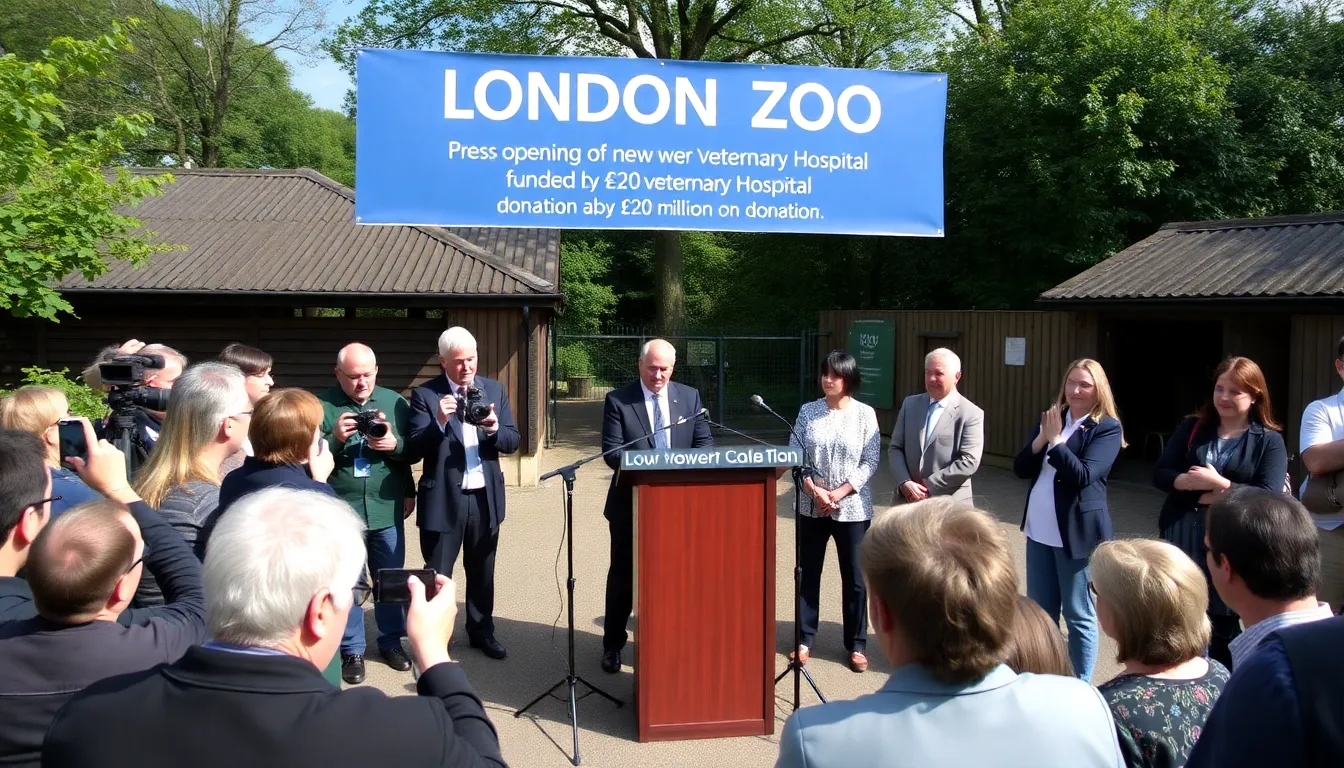
The establishment of dedicated veterinary hospitals within zoos is not merely a response to animal welfare concerns but also a reflection of shifting societal attitudes towards wildlife conservation. As public interest in animal welfare has surged, zoos have increasingly positioned themselves as centers for conservation and education, a topic we explore further in our piece on the impact of zoo practices.
Historical milestones in zoo veterinary care
Historically, the approach to animal care in zoos was often rudimentary, with limited understanding of the specific health needs of different species. The introduction of the first veterinary programs in zoos during the mid-20th century marked a turning point, as these initiatives began to prioritize animal health and welfare. Key milestones include the establishment of the American Association of Zoo Veterinarians in 1971, which helped standardize practices and foster collaboration among professionals in the field.
In recent years, the integration of technology has further revolutionized veterinary care in zoos. Innovations such as telemedicine and advanced imaging techniques have allowed for quicker diagnoses and more effective treatments, highlighting the advancements that also echo those detailed in our article on trends in veterinary healthcare.
Key stakeholders involved in the donation and its implications
The recent £20 million donation to London Zoo for the construction of a new veterinary hospital has brought together various stakeholders, each with distinct interests and potential impacts. The primary actors include the Zoological Society of London (ZSL), the donors, local government authorities, and the public. Understanding their motivations and the resulting implications is crucial for evaluating the broader significance of this development.
The Zoological Society of London, as the managing body of the zoo, stands to benefit immensely from this donation. Their interest lies in enhancing animal care facilities, which can improve the overall health and welfare of the zoo’s inhabitants. Additionally, the new hospital will serve as a public engagement tool, allowing visitors to observe veterinary procedures, thereby fostering a deeper connection between the public and wildlife conservation efforts.
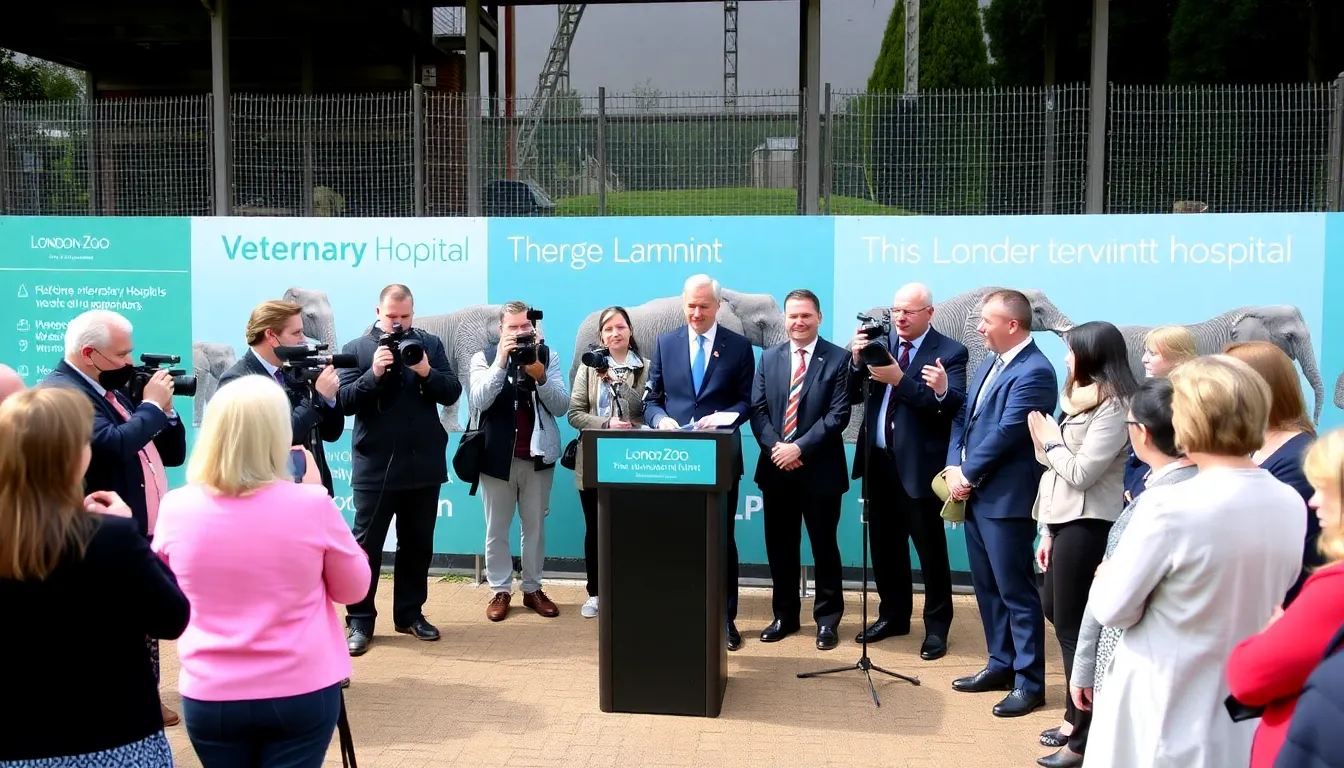
Donors, whether individuals or organizations, often seek to align their philanthropic efforts with causes that resonate with their values. In this case, the significant gift reflects a commitment to animal welfare and conservation. However, there may be expectations for transparency and accountability in how the funds are utilized, raising questions about governance and oversight within the ZSL.
Local government authorities also play a vital role, as they are responsible for ensuring that the zoo operates within legal and regulatory frameworks. The hospital’s construction may lead to economic benefits through job creation and increased tourism. However, potential conflicts could arise regarding land use, environmental concerns, and community impact, necessitating careful consideration and collaboration among stakeholders.
- The potential for increased visitor engagement and education on wildlife care.
- Expectations for financial transparency from the Zoological Society of London.
- Impact on local economy through job creation and tourism revenue.
- Regulatory challenges related to land use and environmental regulations.
- Public interest in the ethical implications of animal care practices.
How the new hospital will benefit animals and visitors alike
The recent £20 million donation for a new hospital at London Zoo is set to create a ripple effect across various groups and industries. Animal welfare organizations, local businesses, and the tourism sector will all feel the impact of this significant investment. The hospital not only aims to enhance veterinary care for the animals but also serves as an educational hub for visitors, promoting a greater understanding of animal health and conservation.
In the short term, the establishment of the hospital will lead to increased foot traffic at the zoo, as visitors are drawn to the opportunity to observe veterinary procedures in real-time. This influx of visitors will benefit local businesses, particularly those in the hospitality and retail sectors, as more people dine and shop in the vicinity of the zoo. Additionally, the zoo may see a rise in membership and ticket sales, contributing to its financial stability.
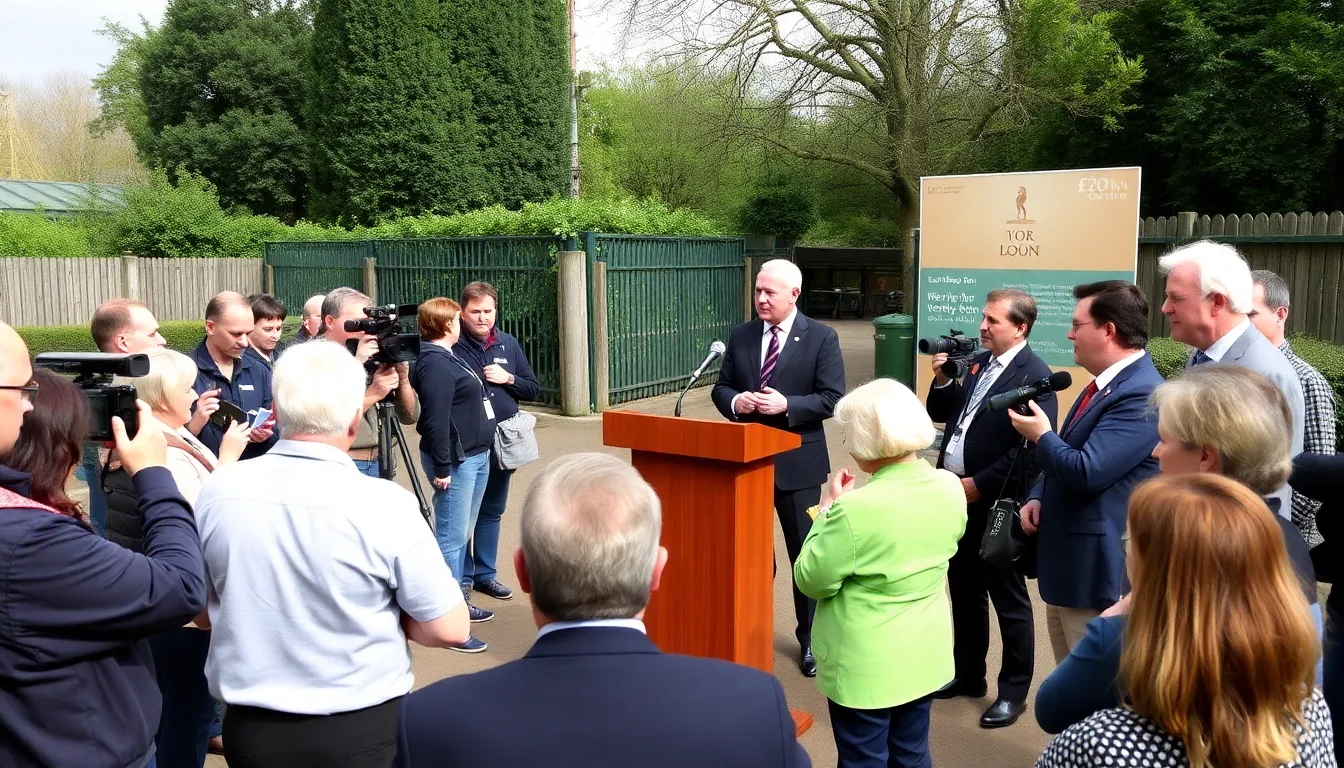
Mid-term impacts include potential collaborations between the zoo and veterinary schools or research institutions, fostering innovation in animal care and education. This partnership could lead to new training programs and internships, benefiting students and young professionals in the veterinary field. Furthermore, the hospital’s advanced facilities may attract veterinary researchers, positioning London Zoo as a leader in animal health.
- Enhanced animal care and welfare.
- Increased visitor engagement and education.
- Boost for local businesses and tourism.
- Opportunities for veterinary training and research.
However, there are also risks associated with this development. The increased visibility of veterinary procedures may lead to heightened scrutiny from animal rights activists, potentially affecting public perception. Additionally, the financial sustainability of the hospital will depend on ongoing funding and support, which could pose challenges if visitor numbers fluctuate.
A: The identity of the donor remains anonymous, but their contribution is aimed at enhancing animal care and visitor engagement at the zoo. A: The hospital will include advanced medical facilities, viewing areas for the public, and spaces for education about animal health. A: The hospital is expected to open in the coming months, with specific dates to be announced by London Zoo. A: Yes, the design of the hospital includes viewing galleries where visitors can observe certain veterinary procedures. A: The new hospital will provide improved medical care, ensuring better health outcomes for the animals housed at the zoo.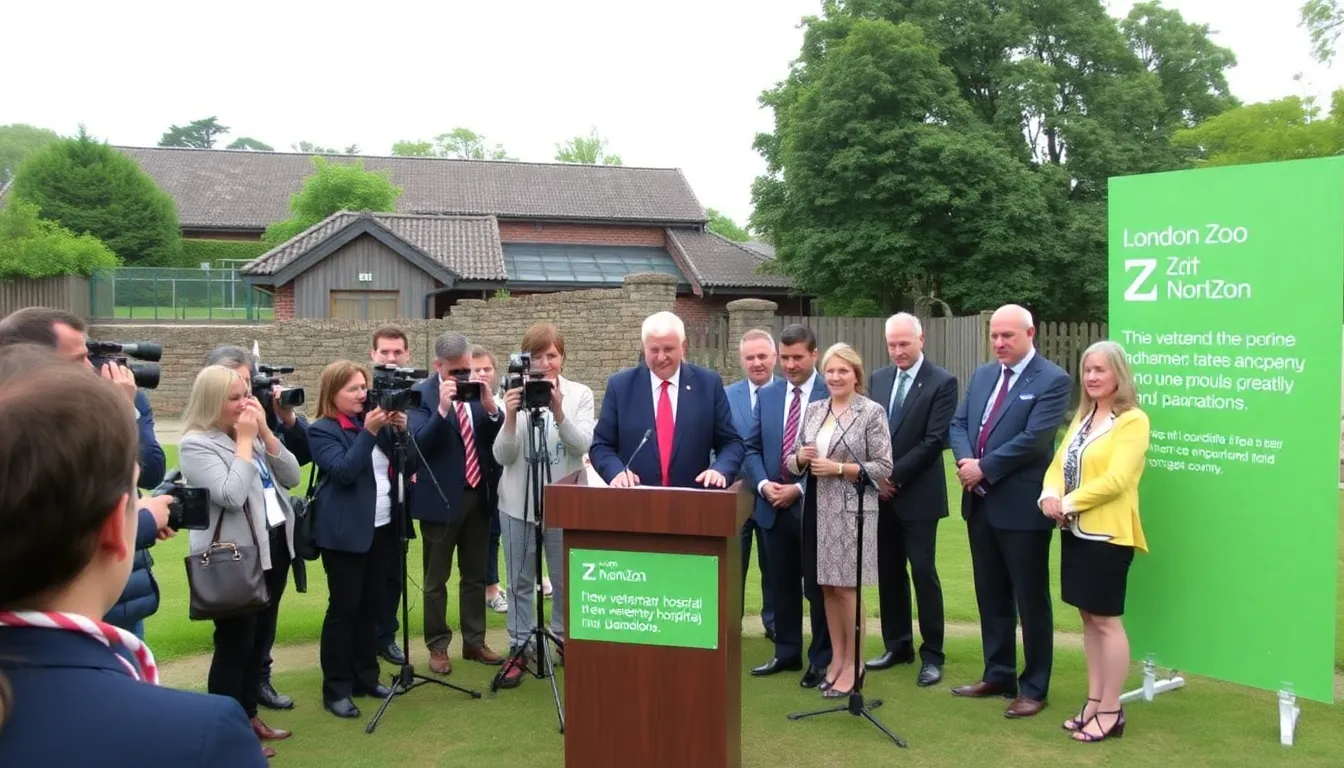
Frequently asked questions about the new veterinary hospital
Looking ahead: the future of veterinary care at London Zoo
The recent £20 million donation has transformed the landscape of veterinary care at London Zoo, introducing a state-of-the-art hospital that not only enhances animal welfare but also engages the public in the veterinary process. This innovative facility allows visitors to observe veterinary procedures, fostering a deeper understanding of animal care and conservation efforts.
As the zoo moves forward with this new hospital, several implications arise for both the institution and its visitors. The integration of public observation in veterinary practices may pave the way for increased transparency and education regarding animal health, while also potentially attracting a broader audience interested in wildlife conservation.
- The new hospital is likely to become a focal point for educational programs, enhancing visitor engagement with animal care.
- Increased visibility of veterinary procedures may raise awareness about the challenges and successes in wildlife health management.
- Future collaborations with veterinary schools could provide practical training opportunities, benefiting both students and the zoo.
- Potential for expanded fundraising efforts as public interest in veterinary care grows, further supporting conservation initiatives.
- Monitoring visitor feedback will be crucial in refining the experience and ensuring educational goals are met.