


Meditation, once considered a niche practice, has gained traction as a viable tool for improving mental well-being. According to a 2022 study published in the journal “Psychological Science,” regular meditation practice can lead to measurable decreases in stress and anxiety levels, making it a popular choice for those looking to enhance their mental health. For more insights on the impact of mindfulness, check out related articles.
Various organizations and mental health professionals are now advocating for the integration of meditation into daily routines. Initiatives like “Mental Health Awareness Month,” observed each May, often promote mindfulness practices as effective strategies to combat mental health challenges.
Moreover, technology has played a pivotal role in the accessibility of meditation resources. Apps such as Headspace and Calm have reported millions of downloads, indicating a growing trend among individuals seeking guided meditation as a means to improve their mental health.
The Historical Context of Meditation Practices
Meditation has a rich and varied history that spans thousands of years, with roots in ancient spiritual traditions across the globe. Its origins can be traced back to around 1500 BCE in India, where it first appeared in the Vedic texts. These texts laid the groundwork for various forms of meditation, including mindfulness and concentration techniques, which were closely tied to the spiritual practices of Hinduism, Buddhism, and Jainism. You can learn about the contemporary application of such techniques in mental health care.
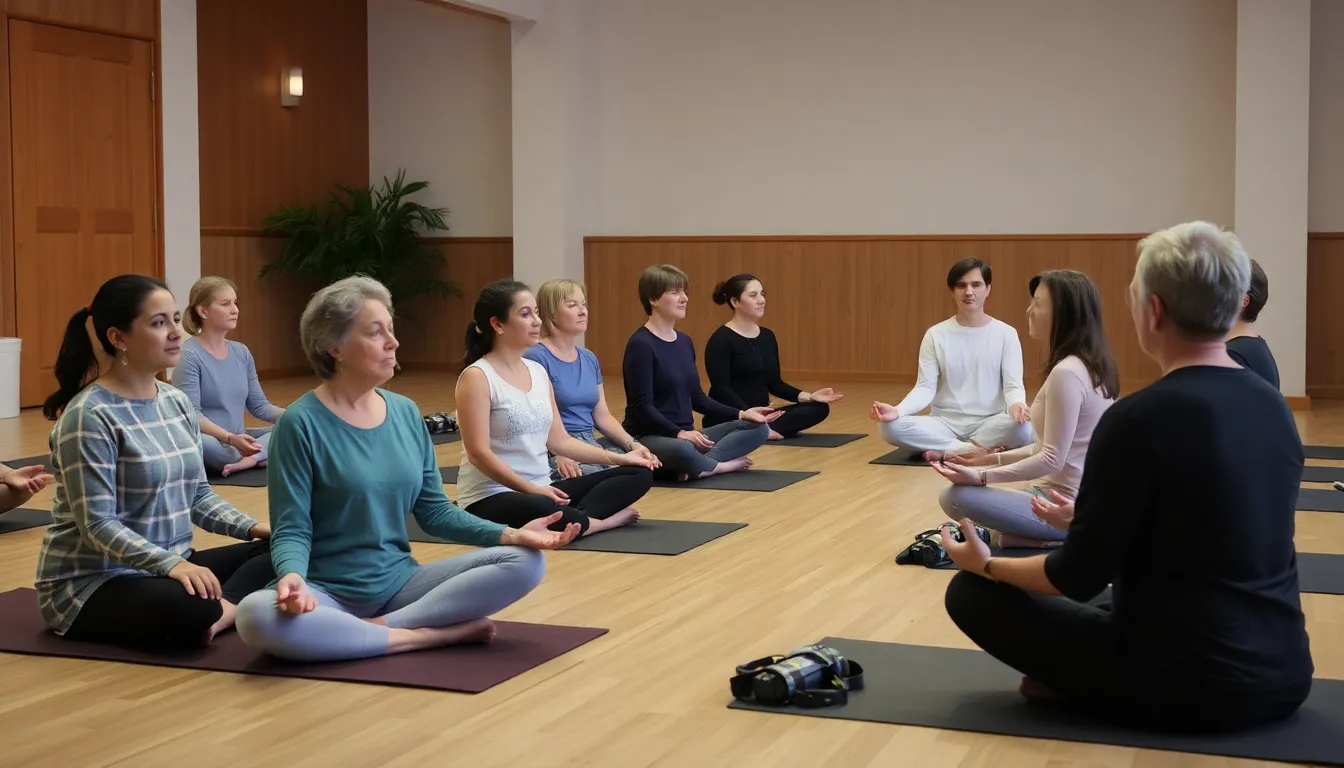
As meditation practices evolved, they began to spread beyond India. In the 6th century BCE, Buddhism emerged, introducing new meditative techniques aimed at achieving enlightenment. The teachings of the Buddha emphasized mindfulness and the importance of mental clarity, influencing not only spiritual practices but also the cultural and philosophical landscapes of Asia. Over time, these practices were adopted and adapted by various cultures, leading to the development of unique meditation styles.
The Western Adoption of Meditation
In the mid-20th century, meditation began to gain popularity in the Western world, largely due to the countercultural movements of the 1960s and 1970s. Influential figures such as the Maharishi Mahesh Yogi and Thich Nhat Hanh introduced mindfulness and transcendental meditation to a broader audience, emphasizing their benefits for mental health and well-being. This period marked a significant shift as meditation transitioned from a primarily spiritual practice to a secular tool for managing stress and enhancing mental health.
In recent decades, scientific research has increasingly validated the mental health benefits of meditation. Studies have shown that regular meditation can reduce symptoms of anxiety, depression, and stress, leading to a surge in interest from psychologists and mental health professionals. This growing body of evidence has contributed to the integration of meditation into therapeutic practices, making it a valuable resource for individuals seeking to improve their mental well-being. For further exploration on mental health initiatives, visit the related articles section.
Today, meditation is not only a personal practice but also a widely recognized approach in mental health care. The historical journey of meditationfrom ancient spiritual roots to modern therapeutic applicationshighlights its enduring relevance and effectiveness in promoting mental health in a fast-paced, often stressful world.
Key Stakeholders in Mental Health and Meditation
In the landscape of mental health and meditation, several key stakeholders play pivotal roles in shaping the discourse and practices surrounding mental well-being. These include individuals seeking mental health improvement, mental health professionals, meditation organizations, educational institutions, and government entities. Each of these stakeholders has distinct interests that influence their engagement with meditation as a tool for mental health enhancement.
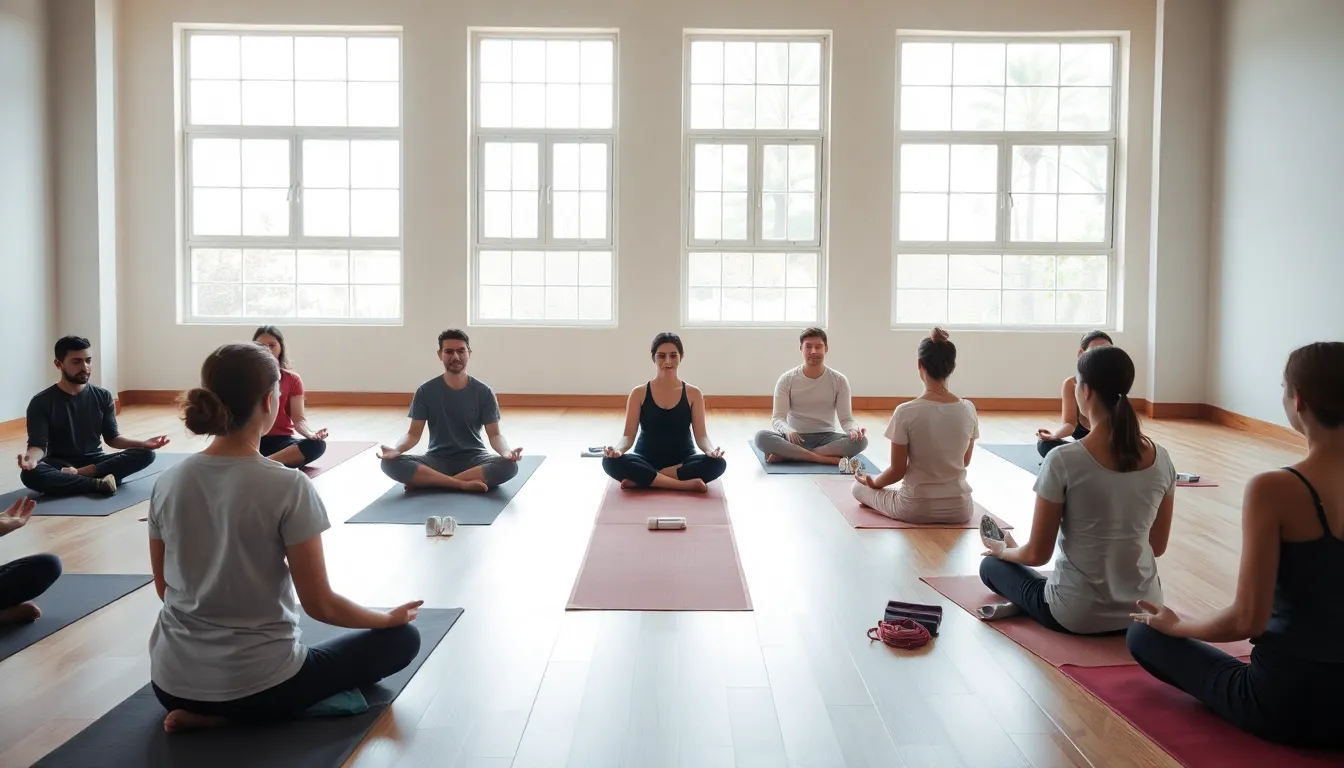
Individuals who practice meditation often seek personal growth, stress reduction, and improved emotional regulation. Their primary interest lies in finding effective methods to enhance their mental health and overall quality of life. In contrast, mental health professionals, such as psychologists and therapists, may have a vested interest in integrating meditation techniques into therapeutic practices. They aim to provide evidence-based recommendations that can benefit their clients while also enhancing their professional credibility.
Meditation organizations, including non-profits and wellness centers, advocate for the benefits of meditation and often provide resources, training, and workshops. Their interests typically revolve around promoting awareness, increasing accessibility to meditation practices, and securing funding or support for their initiatives. Educational institutions also play a crucial role by incorporating mindfulness and meditation programs into curricula, focusing on the long-term benefits for students’ mental health and academic performance.
Government entities are increasingly recognizing the importance of mental health and may support meditation initiatives through funding, public health campaigns, and policy development. However, conflicts can arise regarding the allocation of resources, as mental health funding often competes with other pressing public health issues. Additionally, there may be trade-offs in prioritizing meditation programs over traditional mental health treatments, raising questions about efficacy and accessibility.
- Individuals seek personal mental health improvements through meditation.
- Mental health professionals aim to integrate meditation into therapeutic practices.
- Meditation organizations promote awareness and accessibility of meditation.
- Educational institutions focus on the benefits of mindfulness for students.
- Government entities face challenges in resource allocation for mental health initiatives.
The Positive Effects of Meditation on Individuals
Meditation has become increasingly popular among various groups, particularly among those seeking to enhance their mental health. Individuals from diverse backgrounds, including students, professionals, and retirees, are discovering the benefits of meditation as a tool for stress reduction and emotional well-being. This trend is not limited to any specific region or industry, as its practice is spreading globally across urban and rural areas alike.
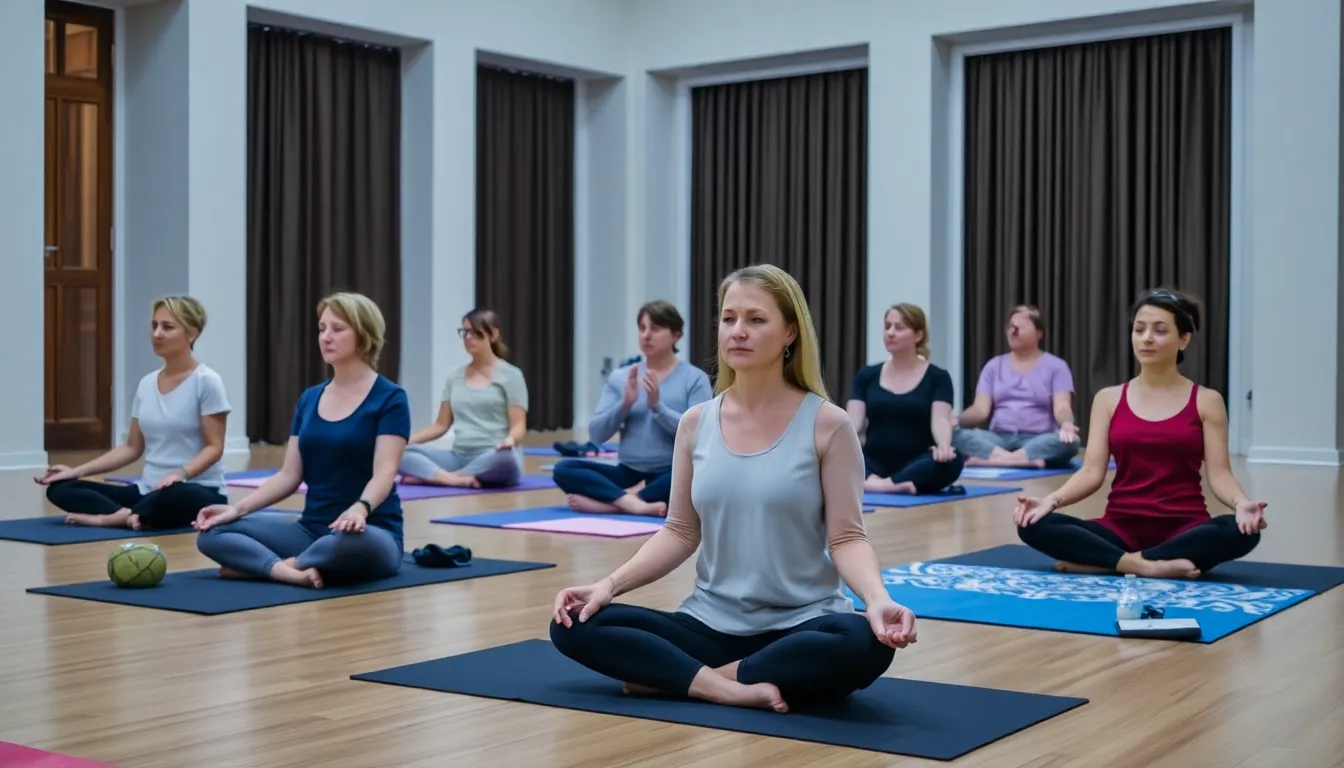
In the short term, the integration of meditation into daily routines can lead to noticeable improvements in mood and stress management. People may experience enhanced focus and productivity at work, which can positively impact business outcomes. Furthermore, industries such as wellness, healthcare, and education are beginning to incorporate meditation programs, creating a ripple effect that promotes mental health awareness.
In the mid-term, sustained meditation practices can lead to more profound changes in lifestyle and societal attitudes towards mental health. As meditation becomes mainstream, workplaces may adopt more flexible policies that support mental well-being, such as offering meditation breaks or wellness days. This shift has the potential to foster a healthier work environment and enhance employee satisfaction.
- Short-term impacts: Improved focus, reduced stress, enhanced mood.
- Mid-term impacts: Changes in workplace policies, increased awareness of mental health.
- Risks: Over-commercialization of meditation, potential for unrealistic expectations.
- Opportunities: Growth in wellness industries, increased demand for mental health resources.
However, the rise of meditation also presents risks, such as the potential for over-commercialization, which may dilute its effectiveness. Additionally, some individuals may develop unrealistic expectations about the outcomes of meditation, leading to disappointment. Nevertheless, the opportunities for growth in wellness industries and the increasing demand for mental health resources can create a positive environment for individuals seeking support.
A: It is generally recommended to meditate daily for at least 10-15 minutes. Consistency is key, as regular practice can lead to more significant benefits over time. A: Mindfulness meditation, guided meditation, and loving-kindness meditation are particularly effective for improving mental health. Each type offers unique benefits, so trying different styles can help you find what works best for you. A: While meditation can be a powerful tool for enhancing mental well-being, it is not a substitute for professional therapy. It can complement therapeutic practices but should not replace them if you are dealing with serious mental health conditions. A: Yes, numerous studies have shown that meditation can reduce symptoms of anxiety, depression, and stress. Research indicates that regular meditation practice can lead to structural changes in the brain associated with improved emotional regulation. A: Begin by setting aside a few minutes each day in a quiet space. You can use guided meditation apps or simply focus on your breath. The key is to start small and gradually increase the duration as you become more comfortable.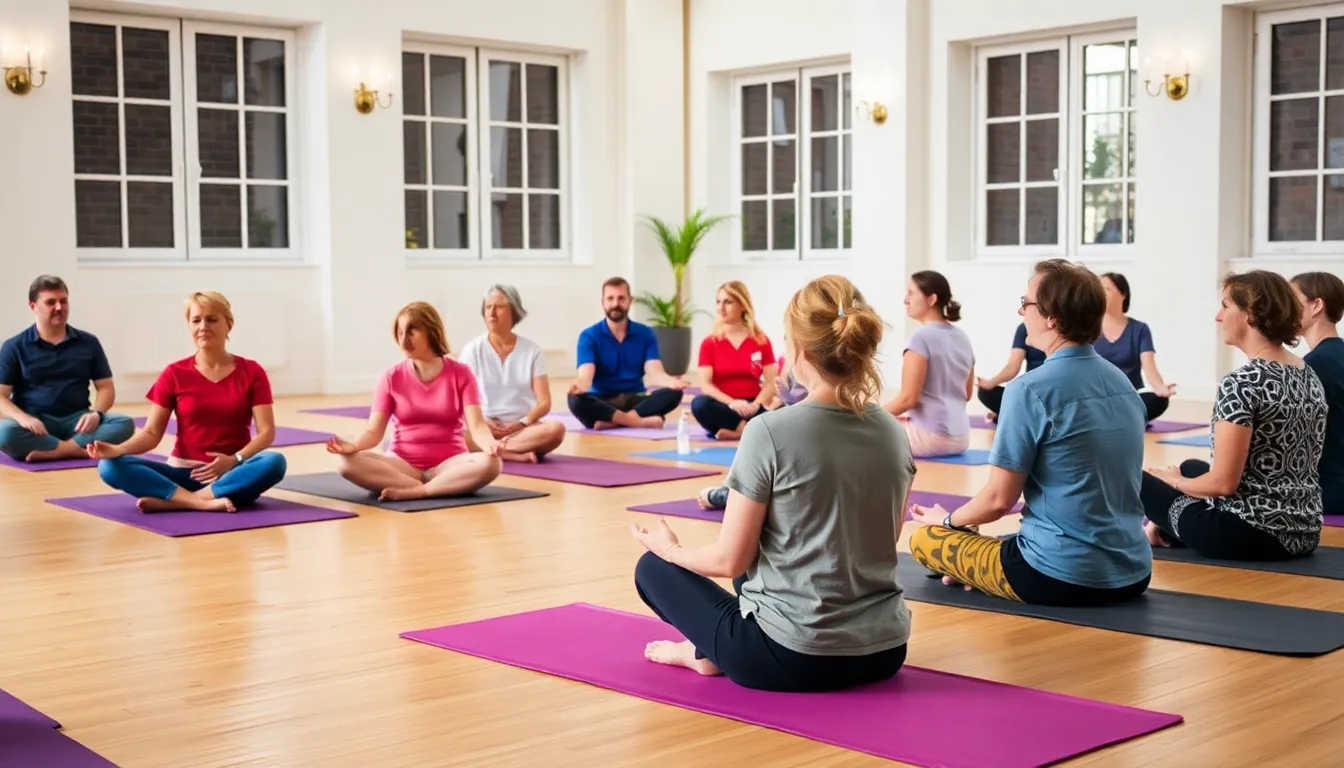
Frequently Asked Questions about Meditation and Mental Health
Concluding Insights on Meditation’s Role in Mental Health
As the understanding of mental health continues to evolve, meditation emerges as a powerful tool for enhancing emotional well-being. Its ability to reduce stress, improve focus, and foster a greater sense of self-awareness can significantly impact daily life. By integrating meditation practices into routine, individuals can cultivate resilience against the challenges posed by modern living.
Looking ahead, the potential for meditation to serve as a complementary approach in mental health care is promising. As more people recognize its benefits, the integration of mindfulness techniques into various therapeutic settings may become increasingly common, paving the way for a holistic approach to mental wellness.
- Consider starting with short, guided meditation sessions to gradually build a consistent practice.
- Explore different meditation techniques, such as mindfulness, loving-kindness, or transcendental meditation, to find what resonates best.
- Incorporate meditation into your daily routine, setting aside specific times to practice and reflect.
- Monitor your mental health progress and adjust your meditation practice as needed to suit your evolving needs.
- Stay informed about emerging research on meditation and mental health to enhance your understanding and application of these practices.