


This deception came to light after local authorities began investigating the claims made by the mother in 2022. During the investigation, it was revealed that her son had never been diagnosed with cancer, and the mother had manipulated social media to gain sympathy and financial support. This case raises questions about the ethics of fundraising in modern society.
The court proceedings concluded recently, resulting in a significant prison sentence for the mother, highlighting the severe consequences of such fraudulent actions. The case has sparked widespread outrage, with many questioning the ethics of fundraising in the age of social media and the potential for exploitation.
As a result of this incident, several organizations are now advocating for stricter regulations on online fundraising to prevent similar occurrences in the future. This case serves as a stark reminder of the vulnerabilities in charitable giving and the importance of transparency in fundraising efforts.
Understanding the background of the case
The case of the Australian mother who faked her son’s cancer to fund a lavish lifestyle sheds light on a troubling intersection of mental health issues, societal pressures, and the ethics of fundraising. In recent years, there has been a notable rise in cases where individuals exploit the goodwill of the public by fabricating illnesses or hardships to gain financial support, similar to the outrage surrounding fraudulent charitable actions.
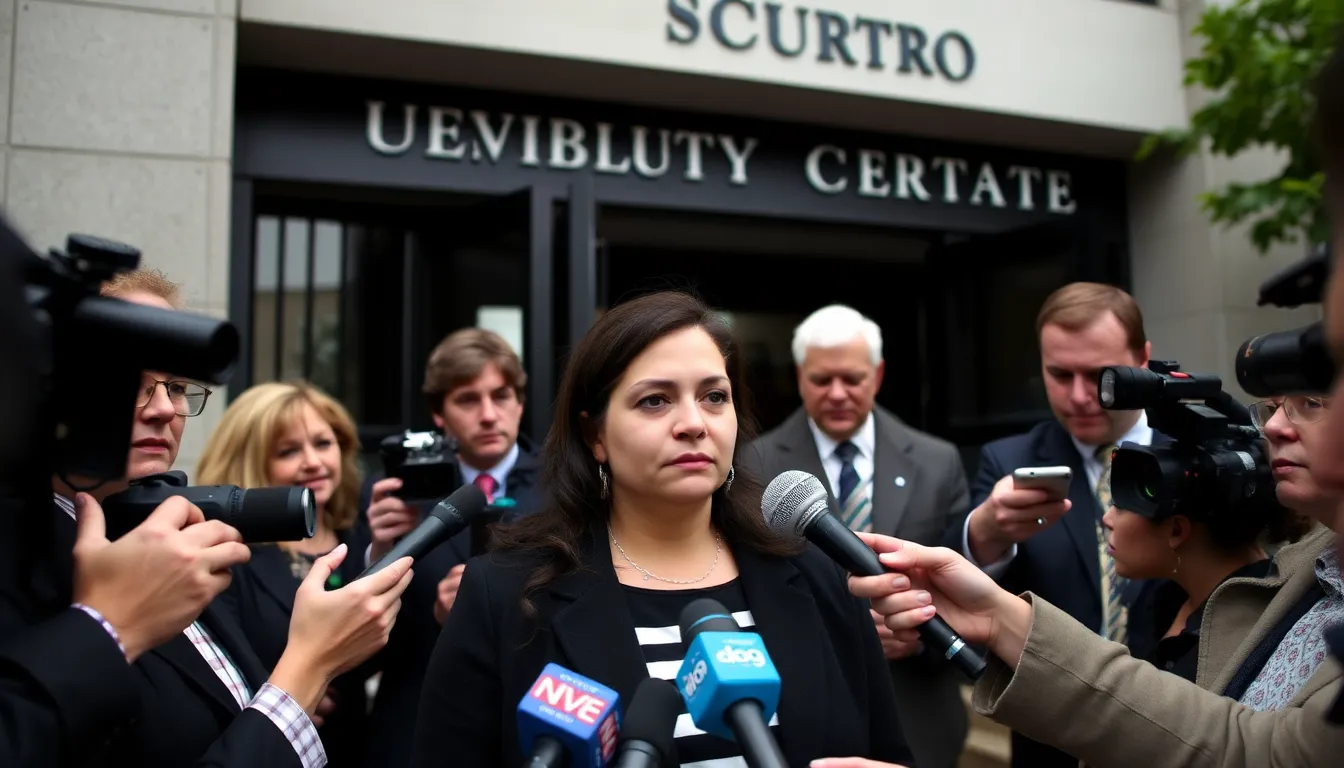
Historically, the phenomenon of ‘Munchausen syndrome by proxy,’ where caregivers fabricate or induce illness in those they care for, has been documented as a serious mental health condition. In this case, the mother’s actions may reflect a deeper psychological struggle, compounded by societal expectations to provide for one’s family. The pressure to present a perfect life on social media can lead individuals to make desperate choices, as they seek validation and financial support through fabricated narratives.
Economically, the rise of crowdfunding platforms has made it easier for people to solicit donations for medical expenses. While these platforms have provided critical support for many genuine cases, they have also opened the door for fraudulent activities. The lack of stringent verification processes allows individuals to exploit the system, leading to a growing number of cases where people take advantage of the public’s compassion for personal gain.
Key milestones in the rise of fraudulent fundraising
Several high-profile cases in recent years have highlighted the issue of fraudulent fundraising. For instance, the case of a couple who raised over $400,000 for a homeless man, only to be found guilty of misappropriating the funds, sparked widespread outrage. Such incidents not only tarnish the reputation of charitable giving but also create skepticism among potential donors, making it more difficult for those in genuine need to receive help.
As society grapples with these complex issues, it becomes increasingly important to foster a culture of transparency and accountability in fundraising efforts. Understanding the background of such cases can help inform better practices and policies to protect both the public and those truly in need.
Examining the implications of her actions
The case of the Australian mother who faked her son’s cancer to fund a lavish lifestyle raises significant concerns among various stakeholders, including the legal system, healthcare organizations, and the community at large. Each of these actors has distinct interests that are affected by such actions, leading to a complex web of ethical and legal considerations.
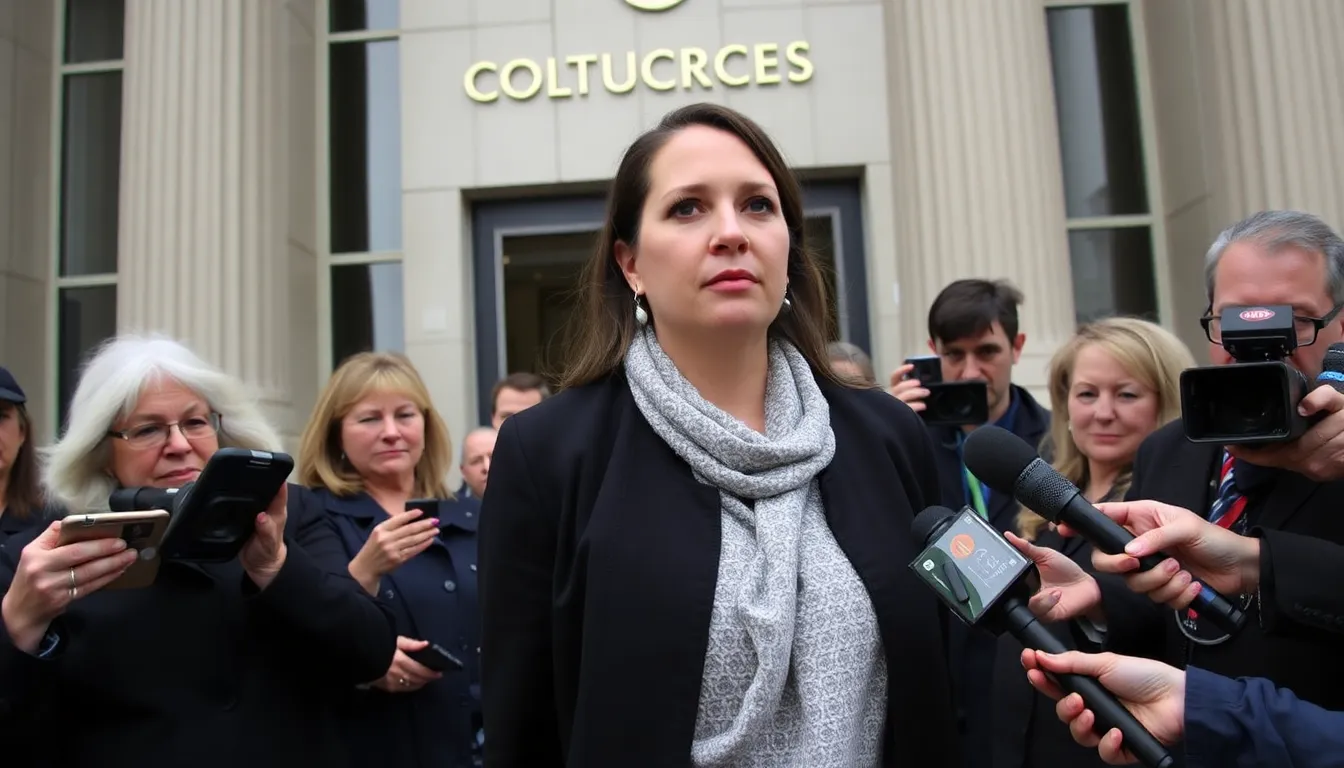
First and foremost, the legal system is tasked with upholding justice and ensuring that fraudulent activities are penalized. The mother’s actions not only deceive individuals and organizations that contributed to her cause but also undermine the trust in genuine charitable efforts. This case may prompt lawmakers to reevaluate existing laws related to fraud and charity, as well as the penalties associated with them.
Healthcare organizations, particularly those involved in pediatric care, are also stakeholders in this scenario. The act of faking a serious illness diverts attention and resources away from children who genuinely need medical assistance. This can create a ripple effect, leading to increased scrutiny of fundraising efforts and potentially discouraging donations to legitimate causes. The ethical implications of such deception can erode public confidence in charitable organizations.
Additionally, the community’s reaction plays a crucial role in the overall impact of this case. Many individuals who contributed to the mother’s scheme may feel betrayed, leading to a loss of trust in community initiatives. The emotional toll on families who are genuinely affected by childhood illnesses cannot be understated, as they may feel their struggles are trivialized by such fraudulent acts.
- Legal Implications: Potential changes in fraud laws and increased penalties for similar cases.
- Healthcare Impact: Distrust in charitable organizations may hinder fundraising for legitimate medical needs.
- Community Trust: Erosion of community support for charitable initiatives due to feelings of betrayal.
- Emotional Consequences: Genuine families facing health crises may experience additional distress.
- Public Awareness: A heightened awareness of the need for transparency in charitable donations.
The consequences for the community and charity organizations
The case of the Australian mother who faked her son’s cancer has sent shockwaves through the community and charity organizations. This incident not only undermines public trust in charitable causes but also affects those who genuinely require assistance. Individuals and families facing real medical challenges may find it more difficult to secure donations as potential donors become wary of fraudulent claims.
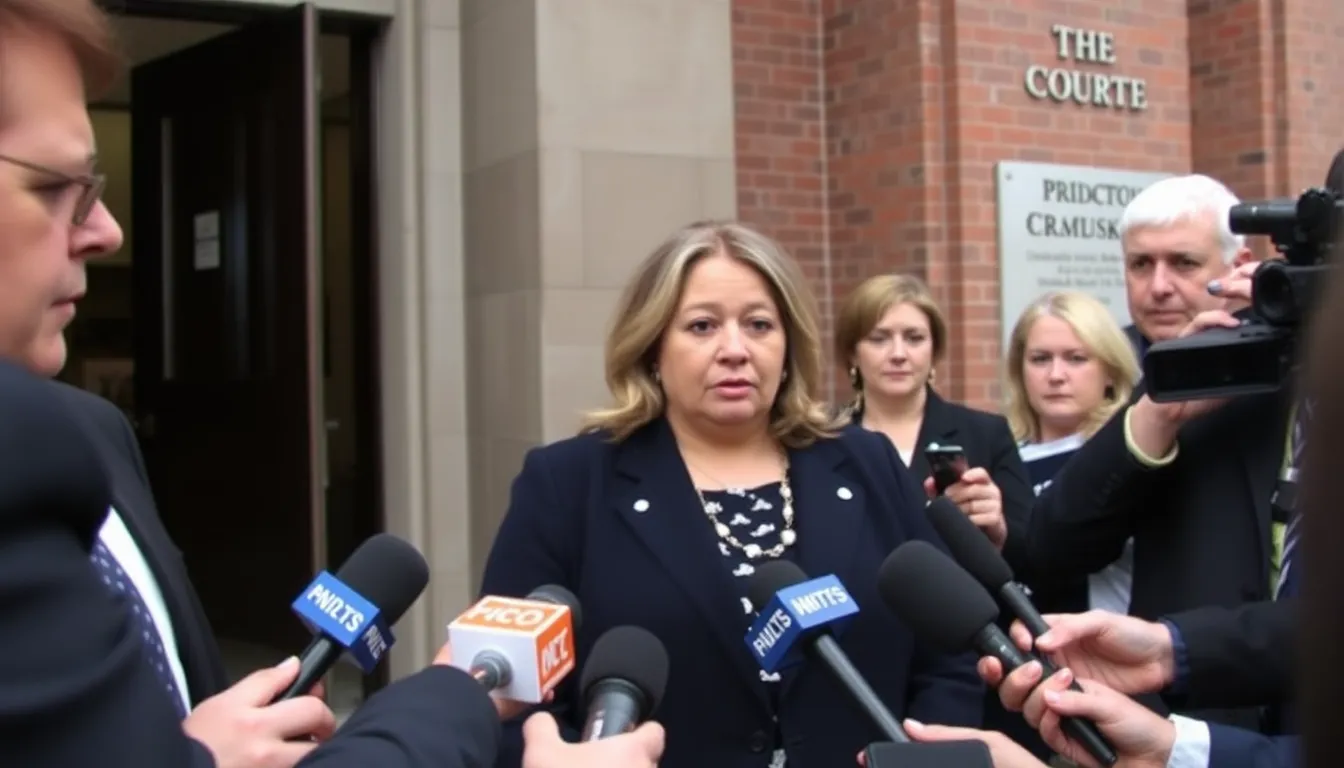
In the short term, community members may experience a sense of betrayal and anger, leading to a decline in charitable giving. Local charities may struggle to raise funds as they face increased scrutiny from potential donors. This could result in reduced resources for those in need, impacting services such as medical support, counseling, and financial aid.
Mid-term effects may include a shift in how charities operate, with increased emphasis on transparency and accountability. Organizations may implement stricter vetting processes for beneficiaries to restore public confidence. While this could create additional administrative burdens, it also presents an opportunity for charities to innovate and enhance their fundraising strategies.
- Community trust erosion: Individuals may become skeptical about donating to charities.
- Increased scrutiny: Charities may face heightened oversight, leading to operational changes.
- Potential for innovation: Charities might explore new methods to engage and reassure donors.
On a broader scale, this incident may prompt policymakers to consider regulations surrounding fundraising practices, aiming to protect both donors and legitimate beneficiaries. While this could introduce more compliance requirements for charities, it also opens the door for new frameworks that enhance trust and accountability in the nonprofit sector.
A: The mother was charged with fraud and deception for falsely claiming her son had cancer to solicit donations. A: She was sentenced to several years in prison, reflecting the severity of her actions and the impact on the community. A: The public expressed outrage and disbelief, highlighting the betrayal of trust in charitable giving. A: Yes, several charities reported a decline in donations as trust in fundraising efforts was shaken. A: This case underscores the importance of transparency and accountability in fundraising initiatives.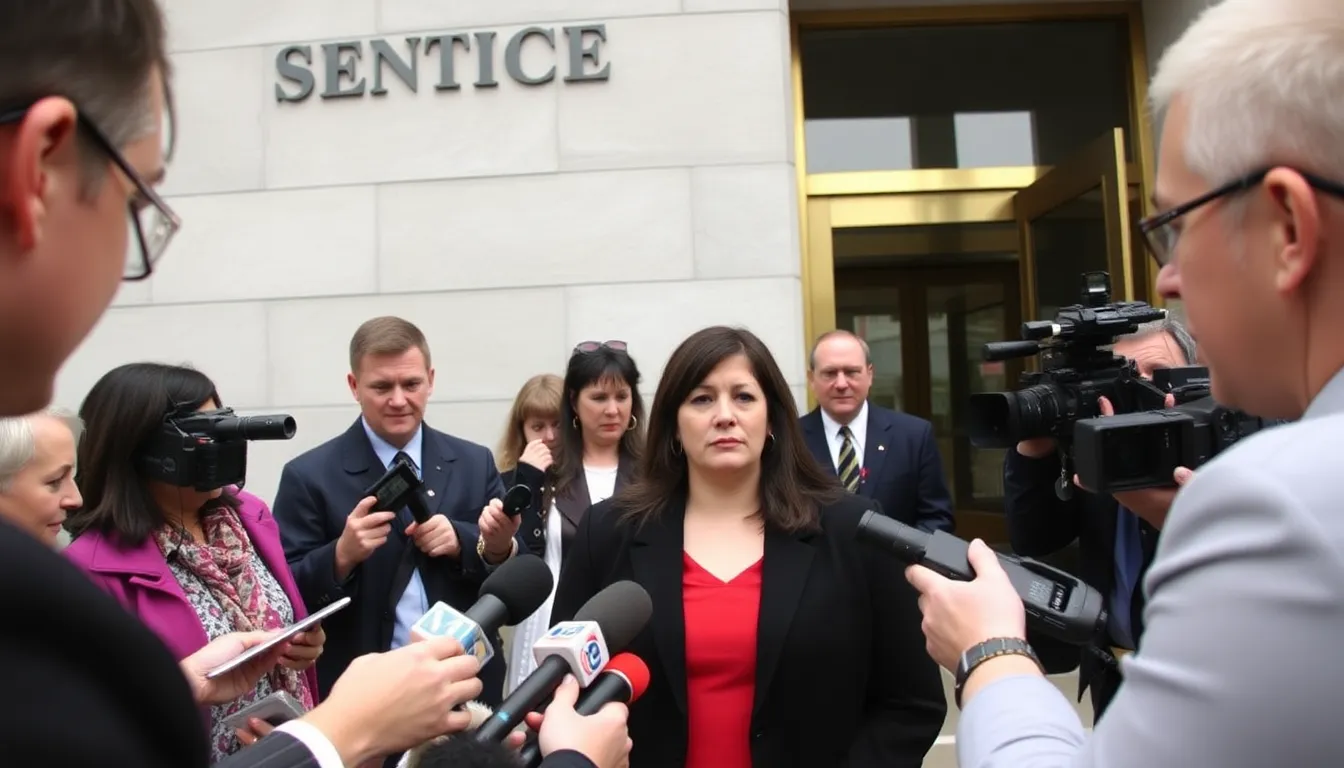
Frequently asked questions about the case
Key takeaways and future implications
The case of the Australian mother who faked her son’s cancer to finance a lavish lifestyle serves as a stark reminder of the potential for exploitation within charitable frameworks. It highlights the need for enhanced scrutiny and accountability in fundraising efforts, particularly those involving vulnerable populations. As society becomes more aware of such deceptive practices, it is crucial to foster a culture of transparency and ethical behavior in both individual and organizational fundraising endeavors.
Looking ahead, this incident may prompt policymakers and community organizations to implement stricter regulations and guidelines to protect against fraudulent activities. Additionally, it underscores the importance of public awareness campaigns to educate potential donors on how to verify the legitimacy of charitable causes before contributing.
- Increased scrutiny of fundraising efforts may lead to more stringent regulations for charitable organizations.
- Public awareness campaigns could help educate donors on identifying legitimate charities and avoiding scams.
- Future cases of fraud may result in harsher penalties for those who exploit the goodwill of others.
- The incident may inspire greater collaboration between law enforcement and charitable organizations to prevent similar occurrences.
- Community trust in charitable initiatives may take time to rebuild, emphasizing the need for transparency and accountability.