


The move aims to streamline the competition and ensure a more consistent level of performance among participants. Wildcard entries, which allow non-regular riders to compete in select races, have been a part of the championship for many years, but their impact on overall race dynamics has raised concerns among stakeholders. For more on sports innovations, check out this article on scientists developing a redesigned ball to lessen heading impact.
Key figures in the MotoGP community, including team managers and current riders, have voiced their opinions on the matter. While some believe that this will enhance the competitiveness of the series, others argue that it may limit opportunities for emerging talent to showcase their skills on a global stage.
The decision is expected to reshape team strategies and rider line-ups as teams prepare for the upcoming season. As MotoGP continues to evolve, the implications of this change will likely be felt throughout the racing community, influencing everything from sponsorship deals to talent development.
Understanding the history of wildcard entries in MotoGP
Wildcard entries have been a significant aspect of MotoGP, allowing riders who do not participate in the full championship to compete in selected races. This provision has historically served as a platform for emerging talents and local heroes to showcase their skills on a global stage. Since its inception, wildcard entries have contributed to the sport’s diversity, enabling a mix of established stars and promising newcomers to compete against one another.
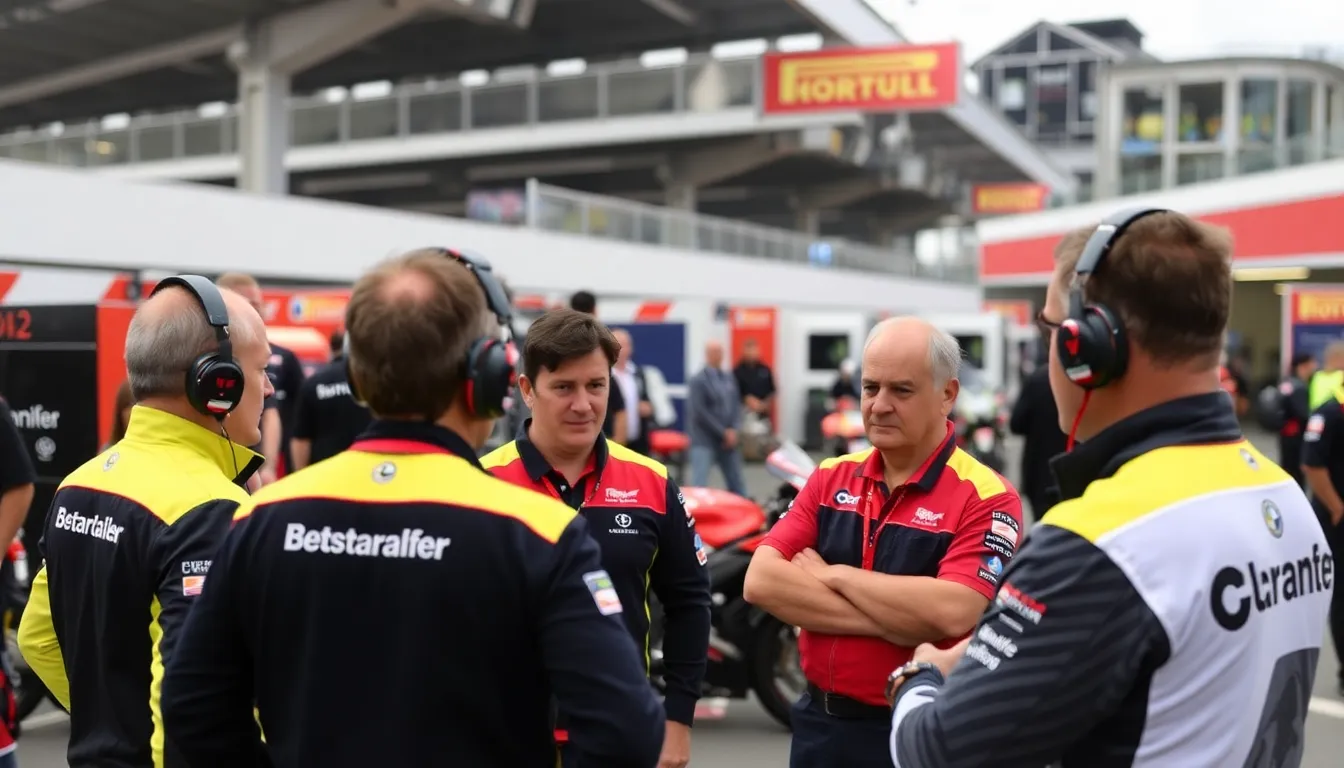
The practice of allowing wildcard riders began in the early 2000s, with the aim of increasing competition and fan engagement. By permitting local riders to participate in home Grand Prix events, MotoGP has been able to attract larger audiences and generate local interest. This approach has often led to thrilling performances, with wildcards occasionally surprising seasoned competitors and leaving a lasting impression on the championship.
However, as the sport has evolved, so too have the challenges associated with wildcard entries. The increasing competitiveness of the grid and the financial implications of running a MotoGP team have led to debates about the efficacy of these entries. Critics argue that wildcard riders may dilute the quality of racing, while proponents maintain that they provide invaluable opportunities for talent development and fan engagement.
Recent developments and the decision for 2027
In recent years, the MotoGP governing body has faced mounting pressure to streamline the competition and enhance the overall quality of the championship. The decision to eliminate wildcard riders starting in the 2027 season reflects a broader trend within motorsport to prioritize consistency and performance over diversity. This move has sparked discussions about the future of talent development in the sport and the potential consequences for local riders who aspire to compete at the highest level. If you are interested in broader themes of competition, you might find the race to the moon between China and the US quite insightful.
As the 2027 season approaches, stakeholders in the MotoGP community are grappling with the implications of this significant policy change. While it aims to elevate the standard of racing, the absence of wildcard entries could reshape the landscape of MotoGP, impacting not only the dynamics of competition but also the relationship between the sport and its fanbase.
Key stakeholders and their perspectives on the decision
The decision to eliminate wildcard riders from the 2027 MotoGP season has sparked a range of reactions from various stakeholders involved in the sport. Each group has its own interests and concerns, which shape their perspectives on this significant change. For those watching trends in consumer products, understanding the validity of last year’s sunscreen might also provide a unique angle on how products can evolve over time.

Teams and Manufacturers: The primary stakeholders in MotoGP are the teams and manufacturers who invest heavily in the sport. Their main interest lies in maintaining competitive balance and ensuring that the championship remains a showcase for their technology and riders. By limiting wildcard entries, they aim to enhance the quality of racing and reduce unpredictability, which can impact sponsorship and viewership.
Riders: Current riders in the championship have mixed feelings about the decision. While some may welcome the increased stability and predictability that comes with fewer wildcard entries, others may see this as a missed opportunity for talented riders to showcase their skills on a global stage. The exclusion of wildcard riders could limit the diversity of competition and reduce opportunities for emerging talent.
Fans and Spectators: Fans of MotoGP are often divided on this issue. Some may appreciate the focus on established riders and teams, believing it will lead to higher-quality races. Conversely, others may feel that wildcard entries add excitement and unpredictability to the events. The potential reduction in thrilling moments could lead to a decline in viewer engagement and fan interest.
- Economic Implications: The financial impact on teams and sponsors is a significant concern. With fewer wildcard entries, teams might see a shift in sponsorship dynamics, affecting their revenue streams.
- Legal Considerations: The decision may also raise legal issues regarding riders’ rights and opportunities. Questions about fair competition and access to the championship could emerge, potentially leading to disputes.
- Long-term Vision: The governing body of MotoGP, Dorna Sports, has a long-term vision for the championship that emphasizes sustainability and growth. The removal of wildcard riders is seen as a step towards refining the competition structure.
Potential effects on teams, riders, and the championship
The decision to eliminate wildcard riders from the 2027 MotoGP season is set to have significant repercussions across various stakeholders in the motorsport community. Teams, riders, sponsors, and fans will all feel the impact of this policy change, reshaping the competitive landscape of the championship.

For teams, the absence of wildcard entries may streamline operations and focus on developing full-time riders. However, this could also limit opportunities for emerging talent to showcase their skills on a global stage, potentially stifling the growth of new riders. The reduction in diversity among competitors may affect the overall excitement and unpredictability of races, which could influence fan engagement.
In the short term, businesses that thrive on the influx of wildcard riderssuch as local sponsors and merchandise vendorsmight experience a dip in revenue as the number of participating riders decreases. Conversely, established teams may find increased financial stability as they can allocate resources more effectively without the added complexity of managing wildcard participants.
- Short-term impacts: Decreased opportunities for emerging riders, potential revenue loss for local businesses.
- Mid-term impacts: Increased focus on full-time riders, potential for more stable sponsorship deals.
- Risks: Reduced fan engagement due to less competition, possible decline in viewership.
- Opportunities: Enhanced development of full-time talent, potential for more strategic team partnerships.
Regions that traditionally host wildcard events may also feel the effects, as local economies often benefit from the influx of visitors and associated tourism. The shift could lead to a reevaluation of how these regions engage with MotoGP, possibly prompting them to seek alternative events or partnerships to maintain economic viability.
Ultimately, while the elimination of wildcard riders may present challenges, it also opens up avenues for teams and sponsors to redefine their strategies, potentially leading to a more competitive and commercially viable championship in the long run.
A: MotoGP aims to create a more competitive environment by standardizing the entry process and ensuring that only full-time riders participate in the championship. A: Current teams may face fewer challenges from surprise entries, allowing for more predictable race outcomes and strategies. A: Wildcard riders are participants who are not full-time competitors but are allowed to race in selected events, usually to promote local talent or provide additional competition. A: The elimination of wildcard riders will officially begin with the 2027 MotoGP season. A: Currently, there are no announced exceptions, and all wildcard entries will be removed from the upcoming season.
Frequently asked questions about the wildcard rider elimination
Looking ahead: implications of the wildcard rider removal
The decision to eliminate wildcard riders from the MotoGP starting grid in the 2027 season marks a significant shift in the competitive landscape of the championship. This move is expected to streamline the racing experience, focusing on established teams and riders while potentially enhancing the overall quality of the races. However, it also raises questions about the future opportunities for emerging talent and the overall diversity within the sport.
As MotoGP adapts to this new framework, stakeholders will need to monitor how this change influences team dynamics, rider development programs, and fan engagement. The implications could extend beyond the track, affecting sponsorship deals and the financial ecosystem surrounding the championship.
- The removal of wildcard entries may lead to increased consistency in team performance, as established riders will have more predictable competition.
- Emerging talents may find it harder to break into the MotoGP scene, necessitating new pathways for development and visibility.
- Sponsorship strategies might shift as brands align themselves more closely with consistent performers rather than riskier wildcard entries.
- Fans may experience a change in race dynamics, with a focus on established rivalries rather than the unpredictability of wildcard riders.
- Teams will need to adapt their recruitment strategies to ensure they are nurturing talent capable of competing at the highest level without the safety net of wildcard entries.