


In 2020, the COVID-19 pandemic and the subsequent Black Lives Matter protests reignited interest in Guthrie’s music, particularly his anthems that advocate for change. Many contemporary musicians have covered his songs or created new works that echo his messages, demonstrating the enduring relevance of his ideals in today’s society. For further insight into the cultural impact of music, check out our article on Exploring Unique Boutique Hotels in New York City.
Notable figures in the music industry, such as Billie Eilish and Bruce Springsteen, have publicly acknowledged Guthrie’s influence on their work. This acknowledgment highlights a broader cultural shift where artists are using their platforms to engage with pressing social issues, encouraging listeners to take action against hate and injustice.
As streaming platforms facilitate the sharing of music across diverse audiences, Guthrie’s protest songs have found new life, reaching listeners who may have never encountered his work otherwise. This resurgence underscores the importance of music as a tool for social commentary and collective action in an era marked by division and conflict.
Understanding Woody Guthrie’s impact on music and activism
Woody Guthrie, an iconic figure in American folk music, emerged during a time of great social and economic upheaval in the 1930s. The Great Depression had left millions unemployed and struggling, fostering a climate ripe for protest and social change. Guthrie’s music became a voice for the disenfranchised, reflecting the experiences of those affected by poverty, discrimination, and injustice. His most famous song, “This Land Is Your Land,” serves as a powerful anthem that underscores the themes of unity and equality, resonating with generations seeking to challenge systemic oppression.

Guthrie’s activism was not just limited to his music; he was deeply involved in the labor movement and civil rights struggles. His songs often addressed the plight of workers and the marginalized, promoting solidarity among those fighting for their rights. This commitment to social justice was a hallmark of his career, making him a precursor to later protest movements in the 1960s and beyond. His ability to blend personal narrative with broader social commentary helped to establish folk music as a legitimate platform for political expression, similar to the impacts discussed in our piece on Remembering Raghu Rai the photographer who showed India to itself.
The Legacy of Protest Music
The influence of Guthrie’s work can be seen in the protest music that followed, from the Civil Rights Movement to the anti-war songs of the Vietnam era. Artists like Bob Dylan and Joan Baez drew inspiration from Guthrie’s style and message, using their own music to address contemporary issues of inequality and injustice. Today, as new generations grapple with issues such as racial injustice and economic disparity, Guthrie’s songs have resurfaced as rallying cries, reminding activists that the fight against hate and division is ongoing.
Moreover, the resurgence of interest in Guthrie’s music reflects a broader cultural trend where artists are increasingly using their platforms to advocate for social change. The phrase ‘You are the machine that kills hate,’ attributed to Guthrie, embodies the spirit of activism that continues to inspire musicians and activists alike. For more on artists navigating contemporary challenges, consult our article on Understanding Spotify’s Lack of AI Music Filter.
Key stakeholders in the revival of protest anthems
The resurgence of Woody Guthrie’s protest anthems has galvanized a diverse group of stakeholders, each with their own interests and motivations. Artists, social movements, music organizations, and the general public all play significant roles in this cultural revival. Their collective engagement highlights the ongoing relevance of protest music in addressing contemporary social issues.
One of the primary actors in this movement is the new generation of musicians who draw inspiration from Guthrie’s work. These artists often seek to use their platforms to raise awareness about social justice, inequality, and political strife. By reinterpreting Guthrie’s anthems, they aim to connect with audiences who resonate with these themes, thereby fostering a sense of community and activism.
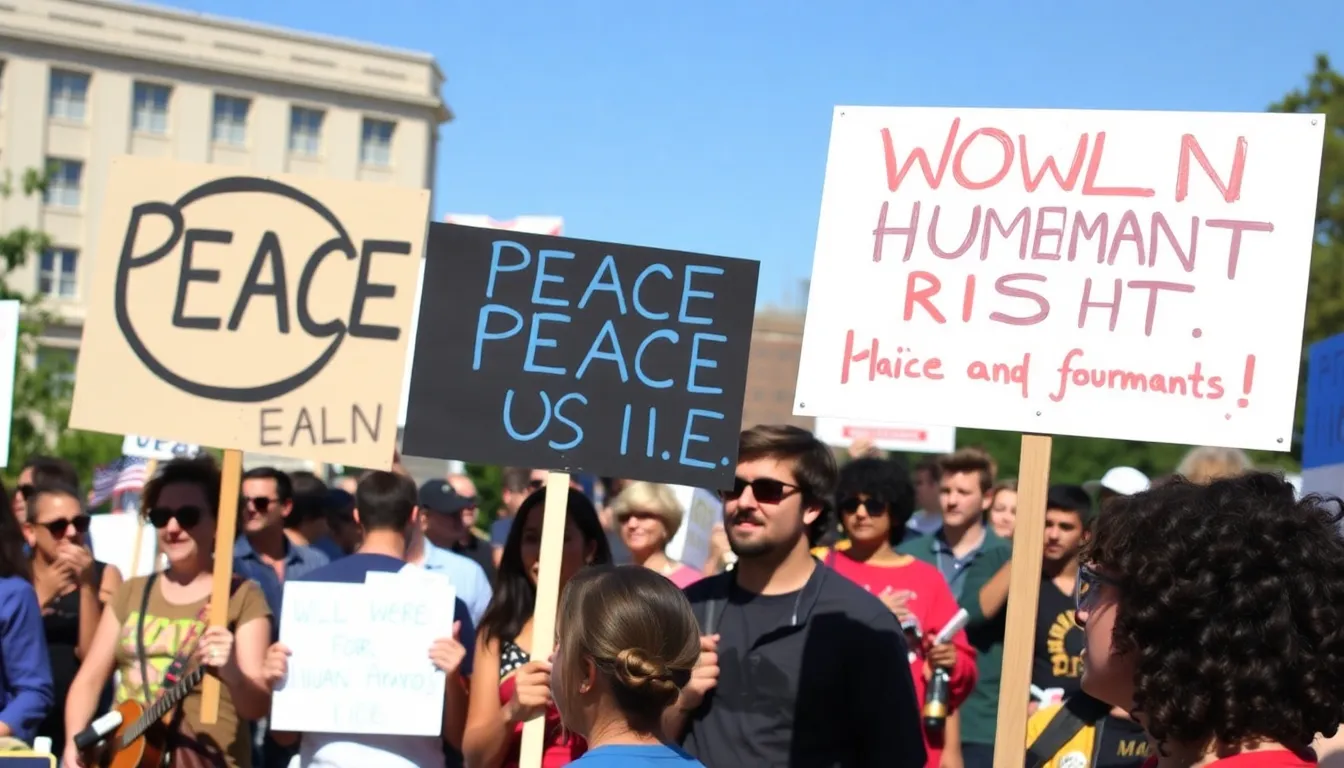
In addition to musicians, various social movements, such as Black Lives Matter and climate advocacy groups, utilize protest music as a tool for mobilization. These organizations recognize the power of music to inspire action and solidarity among supporters. The trade-off here lies in balancing artistic expression with the need for effective messaging, as movements strive to maintain their core messages while embracing the artistic interpretations of their causes.
Music organizations and record labels also play a crucial role in this landscape. They are often tasked with promoting these protest anthems, navigating the complex legal landscape of copyright and royalties. This raises key economic issues, as the commercialization of protest music can lead to debates about authenticity versus profit. Artists and organizations must carefully consider how to maintain the integrity of their message while engaging with commercial interests.
- The impact of social media on the dissemination of protest music and its messages.
- Conflicts between traditional music industry practices and grassroots movements.
- Legal challenges surrounding copyright and the use of Guthrie’s original works.
- The potential for protest music to influence public policy and opinion.
The influence of Guthrie’s music on modern movements
Woody Guthrie’s protest anthems resonate deeply with various groups today, particularly among younger activists, marginalized communities, and social justice organizations. These groups are often at the forefront of movements addressing issues such as racial equality, environmental justice, and workers’ rights. The revival of Guthrie’s music serves as a rallying cry, uniting individuals who are passionate about creating change.
In the short term, the resurgence of Guthrie’s themes can lead to increased participation in protests and community organizing. Businesses that align themselves with these movements may see a boost in support from socially conscious consumers. For instance, companies that promote inclusivity and sustainability may attract a loyal customer base eager to support brands that reflect their values.
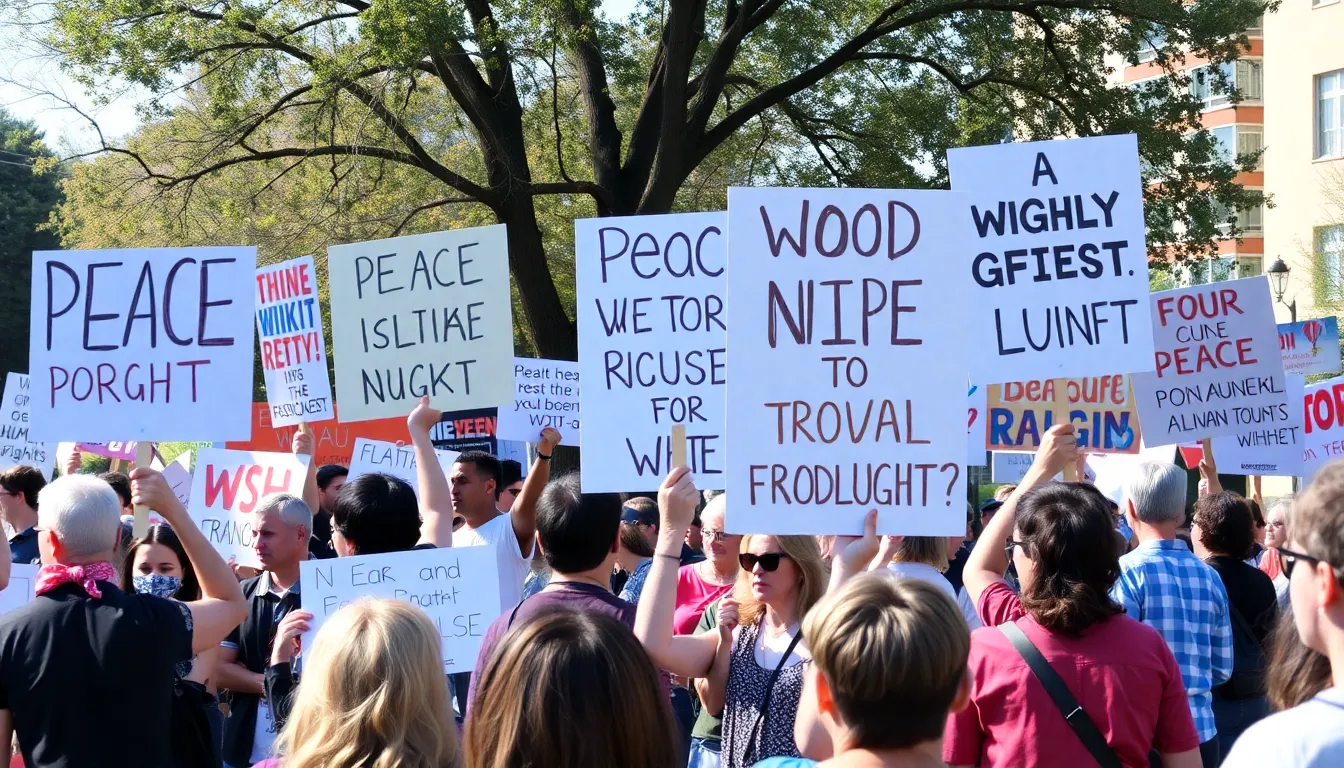
Mid-term impacts could include shifts in policy as grassroots movements gain traction and influence. Local governments may respond to the demands of these groups by enacting legislation aimed at reducing inequality and promoting social welfare. This could also lead to increased funding for community programs and initiatives that address systemic issues.
- Risks: The polarization of public opinion may lead to backlash against activists and businesses, potentially resulting in boycotts or negative media attention.
- Opportunities: Companies that engage authentically with social issues may find new markets and partnerships, enhancing their brand reputation and customer loyalty.
Ultimately, the intersection of Guthrie’s music and modern activism highlights a growing awareness of social issues, encouraging dialogue and action across various sectors of society. The potential for lasting change is significant, as more individuals and organizations recognize their role in combating hate and promoting equity.
A: Woody Guthrie’s songs laid the groundwork for future generations of protest music by addressing social issues and inspiring activism. His ability to connect with the struggles of the common people continues to resonate today. A: Guthrie’s protest anthems often focus on themes of social justice, equality, and the fight against oppression. These themes remain relevant, making his music timeless. A: Today’s youth are drawn to Guthrie’s songs because they reflect ongoing social issues and inspire a sense of activism. His messages of hope and resilience resonate strongly in current movements. A: Music serves as a powerful tool for uniting people, spreading messages, and motivating action within social movements. It can evoke emotions and create a sense of community among activists. A: Yes, many contemporary artists cite Guthrie as an influence, integrating his themes into their own music to address current social issues and inspire change.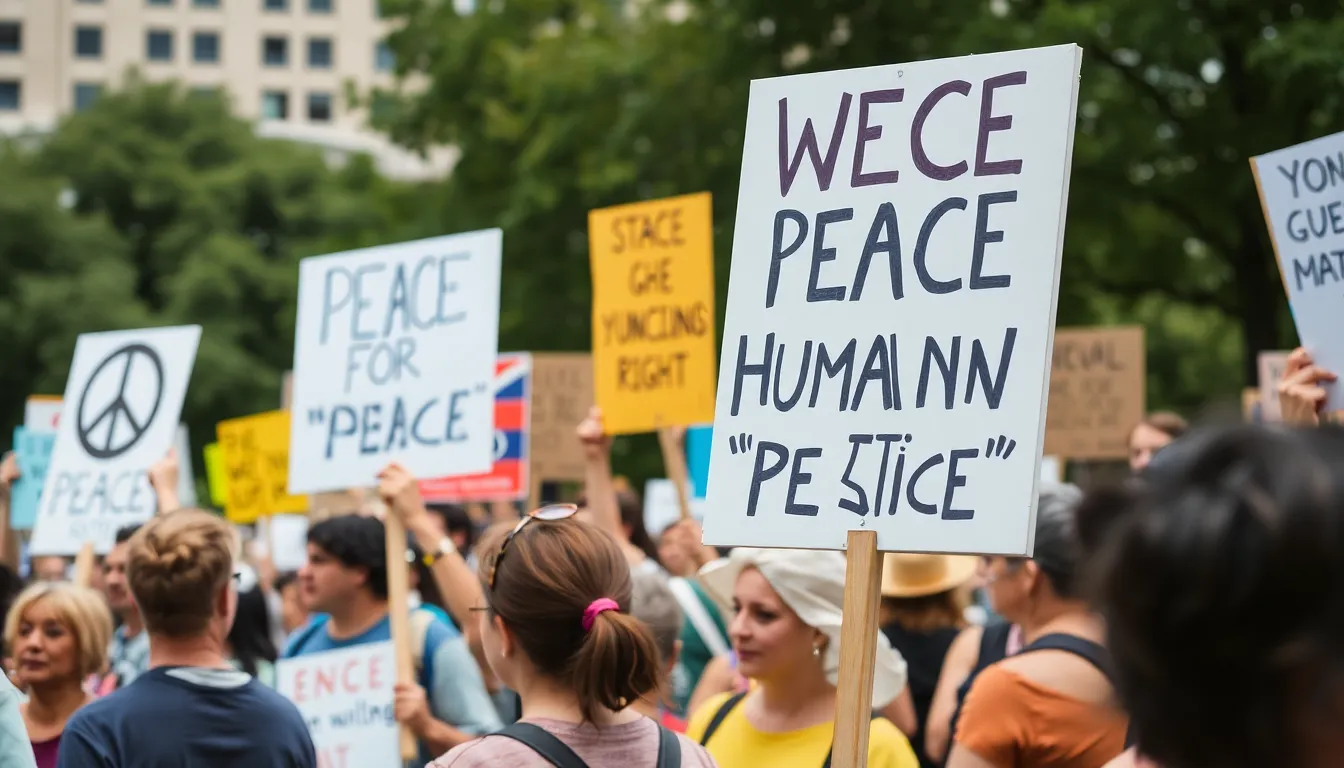
Frequently asked questions about Woody Guthrie’s music
Looking ahead: The future of protest music
As Woody Guthrie’s timeless anthems resonate with a contemporary audience, the role of protest music in shaping social movements remains significant. The resurgence of interest in Guthrie’s work highlights a growing awareness among younger generations about the power of music as a tool for change. This evolving landscape suggests that artists can leverage their platforms to address pressing issues, fostering a sense of community and solidarity among listeners.
Looking forward, the intersection of technology and activism will likely redefine how protest music is created and disseminated. With the rise of social media and streaming platforms, new voices can emerge, creating a diverse tapestry of musical expression that reflects the complexities of modern struggles against hate and injustice.
- Increased engagement: Expect to see more collaborations between musicians and social movements, amplifying messages of unity and resistance.
- Digital platforms: The accessibility of music through online channels will empower emerging artists to reach wider audiences, fostering a new wave of protest anthems.
- Intergenerational dialogue: The blending of classic protest music with contemporary genres may bridge gaps between generations, encouraging discussions around social justice.
- Focus on local issues: Artists may increasingly draw inspiration from local struggles, creating music that resonates more deeply with specific communities.
- Global connections: As protest music transcends borders, expect a more interconnected global movement, where artists from different cultures collaborate to address universal themes of equality and justice.