


In addition to raw material shortages, the conflict has led to increased shipping costs and delays, further complicating the situation for Firozabad’s glassmakers. Many small-scale producers are struggling to maintain their operations, with some reporting a 30% decrease in production capacity since the onset of the war. This decline threatens not only the livelihoods of workers but also the economic stability of the region, as discussed in more detail in our article on industry challenges.
The glass industry in Firozabad is a vital source of employment, providing jobs to over 100,000 people. As local businesses grapple with these challenges, there is growing concern about the long-term sustainability of this traditional craft. The potential loss of jobs could exacerbate poverty levels in an area already facing economic difficulties.
Furthermore, the situation is compounded by rising inflation rates in India, which have reached levels not seen in years. As consumers face higher prices for goods, demand for glass products may decline, putting additional pressure on manufacturers. The intersection of these factors presents a precarious outlook for the glass hub, highlighting the interconnectedness of global events and local economies, a theme explored further in other sectors.
Understanding the historical background of the glass industry in India
The glass industry in India has a rich history that dates back centuries, with artisans in various regions honing their skills in glassmaking. The city of Firozabad, often referred to as the glass capital of India, emerged as a significant hub in the 19th century. The establishment of glass factories attracted skilled craftsmen and laborers, leading to the growth of a vibrant local economy centered around glass production.
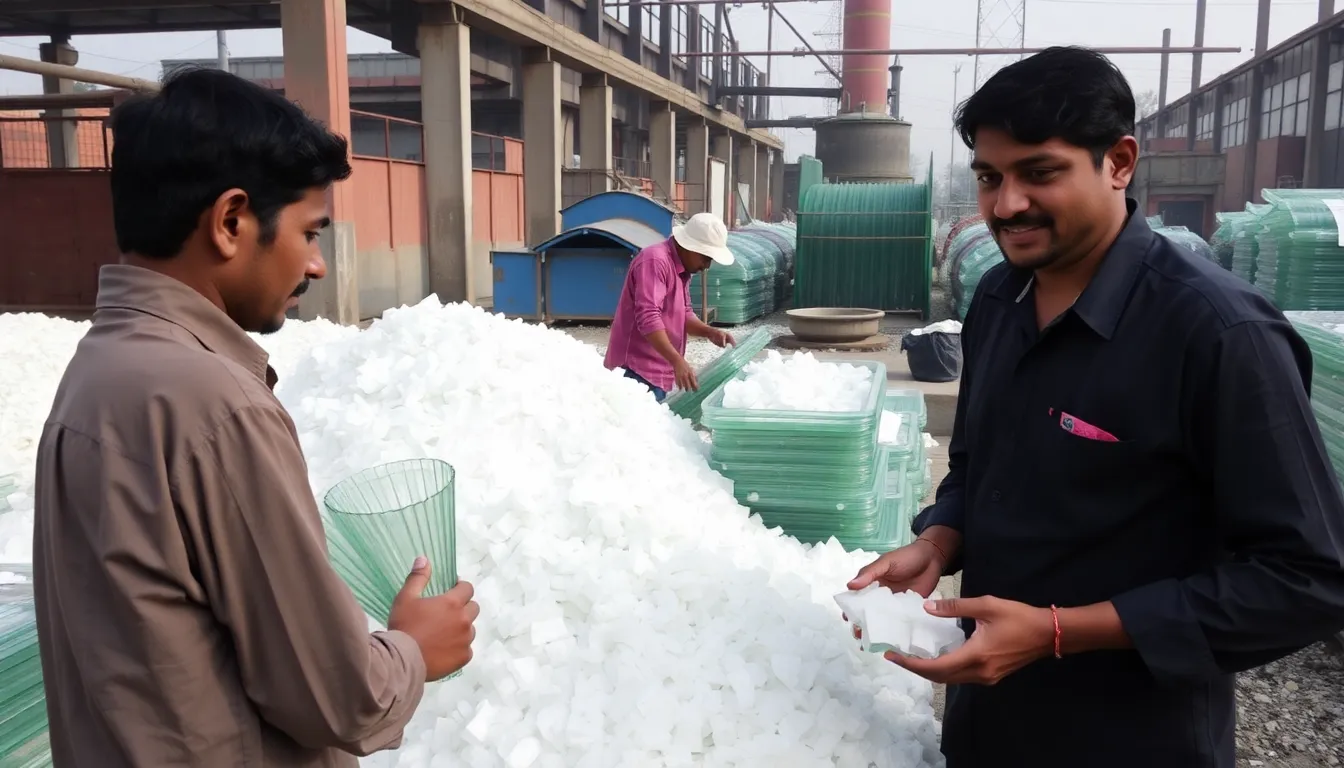
Over the years, the industry has evolved, influenced by various socio-political factors. During British colonial rule, the demand for glass products surged, as the British sought to exploit local resources for export. This period saw the introduction of modern techniques and machinery, which transformed traditional glassmaking practices. However, the industry also faced challenges, such as competition from imported glass products and the need for technological advancements, similar to those discussed in current gaming trends.
The Economic Impact of Global Conflicts
In recent years, the glass industry has been increasingly affected by global conflicts, particularly those in regions that produce raw materials essential for glass manufacturing. The ongoing tensions in various parts of the world have disrupted supply chains, leading to increased costs and scarcity of materials like silica sand and soda ash. As a result, glass manufacturers in India are facing significant challenges, threatening both their livelihoods and the broader economic stability of regions dependent on this industry.
Moreover, the socio-economic fabric of Firozabad is intricately linked to the glass industry. Thousands of families rely on glassmaking for their livelihoods, and any disruption in the industry can have cascading effects on local communities. The interplay between global conflicts and local economies underscores the vulnerability of the glass sector in India, highlighting the need for resilience and adaptability in the face of external pressures.
Key stakeholders and issues surrounding the conflict’s impact
The ongoing conflict, although distant, has significant repercussions on India’s glass manufacturing hub, particularly in the regions of Firozabad and other glass-producing districts. The primary stakeholders in this scenario include local glass manufacturers, international buyers, and the Indian government, each with distinct interests and concerns.
Local glass manufacturers are primarily focused on maintaining their livelihoods and preserving their market share. With increasing disruptions in supply chains due to the conflict, these manufacturers face challenges in sourcing raw materials, which can lead to production delays and increased costs. Additionally, many of these businesses depend on exports, making them vulnerable to shifts in international demand influenced by the conflict.
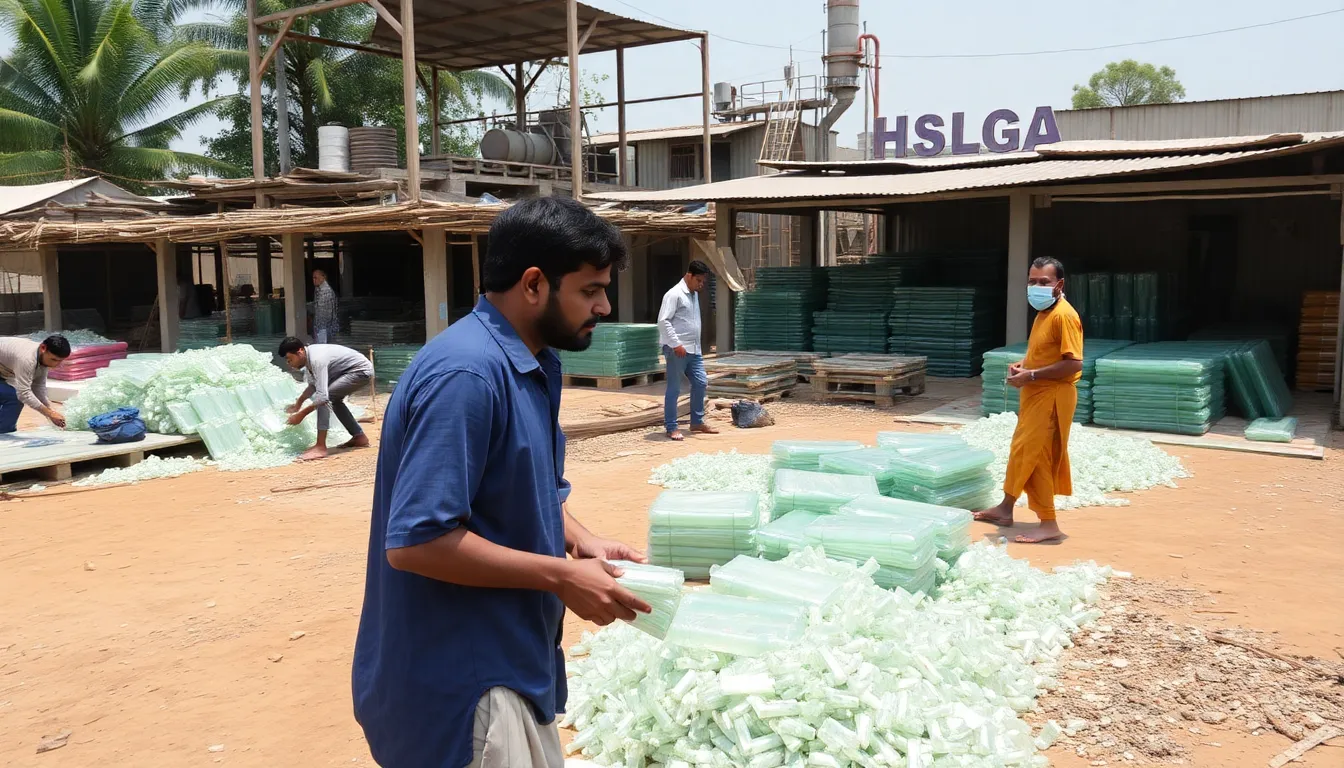
International buyers and retailers also play a crucial role in this landscape. Their interests lie in ensuring a steady supply of glass products while navigating the complexities of sourcing from a region affected by geopolitical tensions. Fluctuations in prices and potential sanctions can lead to increased uncertainty, prompting buyers to reconsider their partnerships with Indian manufacturers.
The Indian government is tasked with balancing domestic economic interests with foreign relations. Key issues include the potential for economic sanctions, which could directly impact the glass industry, and the need to support local manufacturers through policy measures. The government must also address the broader implications of the conflict on trade and employment within the sector.
- Supply Chain Disruptions: The conflict may hinder the availability of essential materials required for glass production.
- Market Volatility: Fluctuating demand and prices may affect local manufacturers’ profitability.
- Employment Concerns: Job security for workers in the glass industry is at risk due to potential economic downturns.
- Regulatory Challenges: Changes in trade policies may necessitate adaptations by local manufacturers.
- International Relations: The government’s diplomatic efforts could influence trade agreements impacting the glass sector.
The effects of the conflict on local artisans and the market
The ongoing conflict has far-reaching implications for the artisans in India’s glass hub, primarily located in Firozabad, Uttar Pradesh. This region is renowned for its intricate glasswork and craftsmanship, which has been passed down through generations. However, the disruption caused by the conflict has begun to threaten the livelihoods of these skilled workers.
In the short term, many artisans are experiencing a decline in orders due to reduced demand from international markets that are affected by the conflict. This has led to a significant drop in income, forcing many families to reconsider their daily expenditures and lifestyle choices. The local economy, heavily reliant on the glass industry, is also seeing a ripple effect, with related businesses such as suppliers and retailers facing challenges.
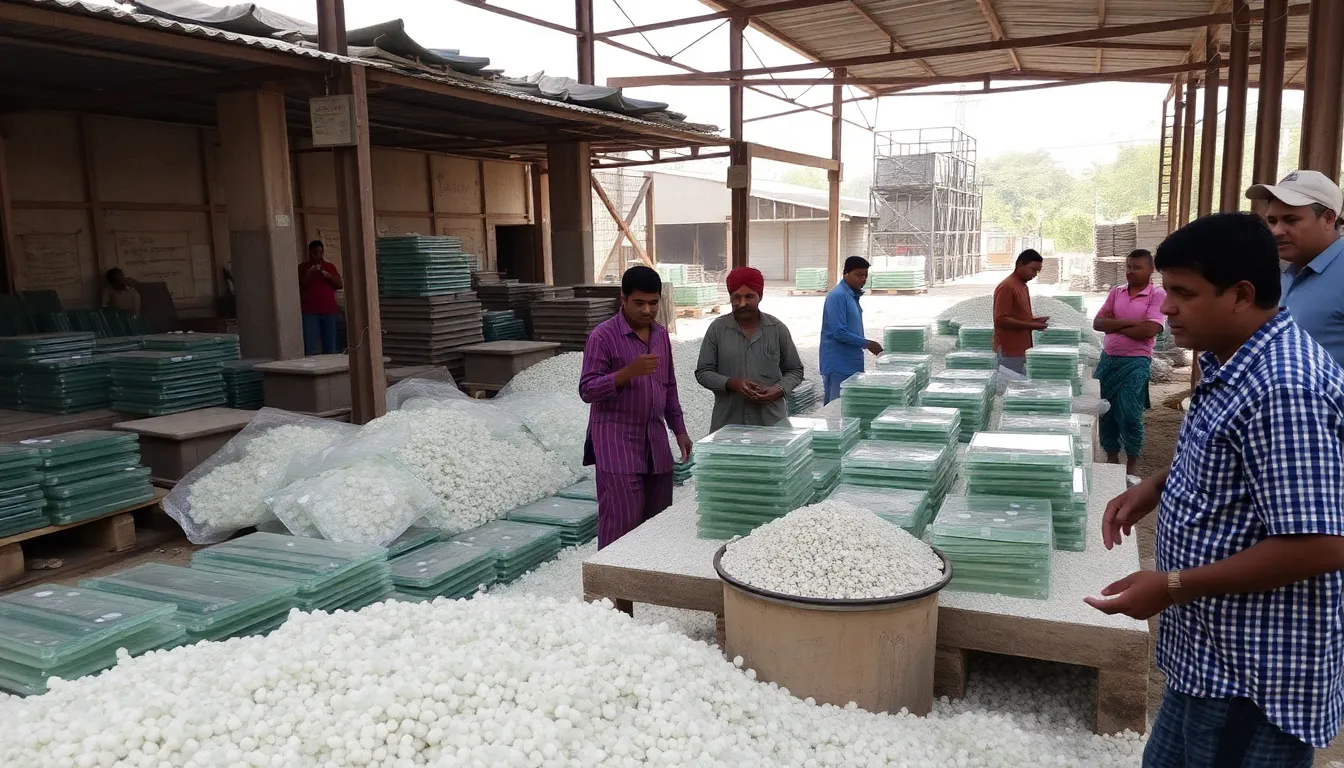
Mid-term impacts may include a shift in policy as local governments and associations attempt to support affected artisans. Initiatives could be introduced to promote domestic sales or diversify the market reach of glass products. However, the uncertainty surrounding the conflict may deter investment and innovation within the industry, stifling growth potential.
Despite these challenges, there are potential opportunities that could arise from the situation. For instance, artisans may explore new markets or adapt their products to cater to changing consumer preferences. Additionally, increased awareness of the conflict could lead to a surge in support for local crafts, encouraging consumers to buy handmade goods as a means of solidarity.
- Decline in orders and income for local artisans
- Impact on related businesses and local economy
- Potential policy shifts to support the industry
- Opportunities for market diversification and innovation
A: The conflict has disrupted supply chains and increased production costs, leading to a decline in the availability of raw materials essential for glassmaking. A: Various NGOs and government initiatives are being implemented to provide financial assistance and alternative livelihood options for artisans impacted by the conflict. A: Long-term solutions may involve diplomatic efforts to resolve the conflict and investments in local infrastructure to stabilize the industry. A: India’s glass industry has a rich heritage, dating back centuries, and is known for its unique craftsmanship and cultural significance. A: Yes, the conflict could affect global supply chains for glass products, impacting markets far beyond India.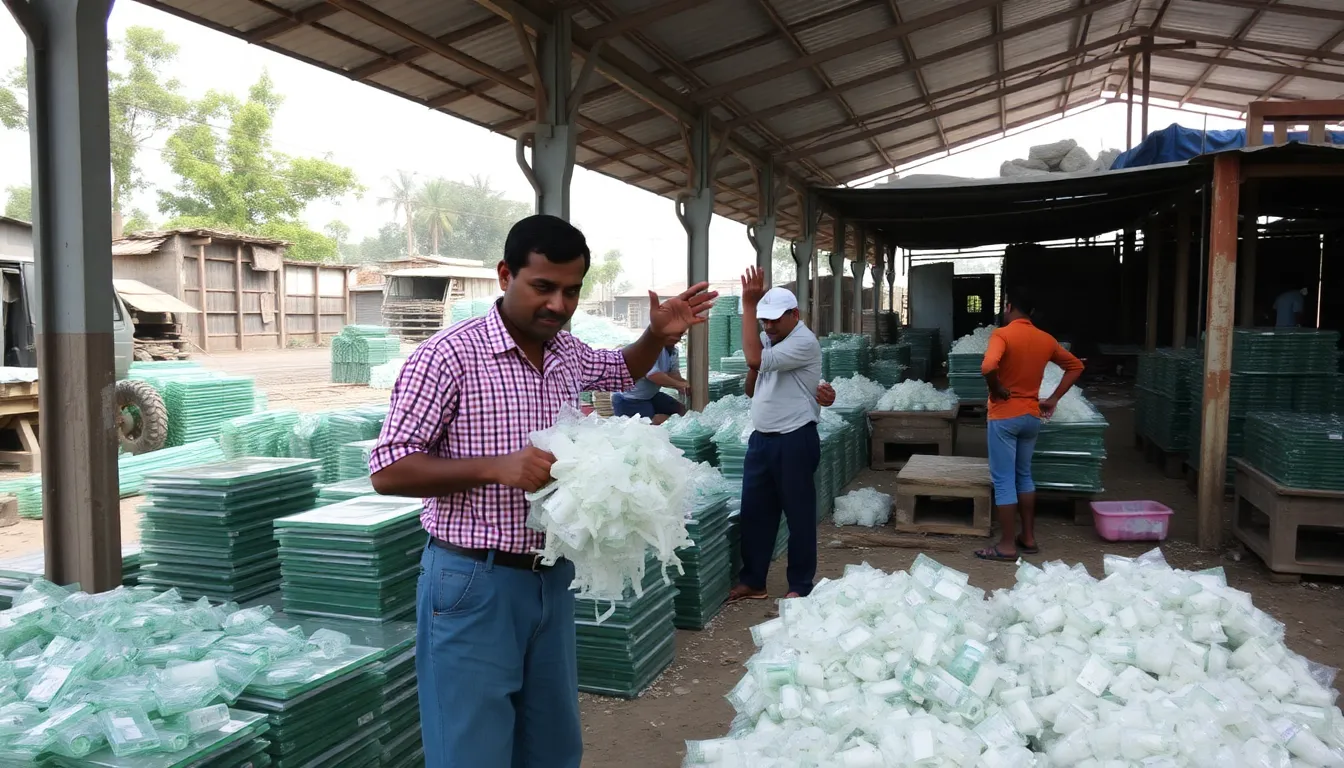
Frequently asked questions about the conflict and its implications
Insights and future outlook for India’s glass industry
The ongoing conflict, while geographically distant, has profound implications for India’s glass manufacturing sector, which relies heavily on global supply chains and international markets. As disruptions in raw material supply and export channels continue, the industry faces increasing costs and potential delays, which could hinder production capabilities and market competitiveness.
Looking ahead, stakeholders in the glass industry must navigate these challenges by diversifying supply sources and exploring alternative markets. The ability to adapt to shifting geopolitical landscapes will be crucial for sustaining growth and ensuring the livelihoods of those dependent on this vital sector.
- Monitor supply chain vulnerabilities: Companies should assess and strengthen their supply chains to mitigate risks associated with geopolitical tensions.
- Diversify markets: Exploring new export markets can help reduce dependency on regions affected by conflict.
- Invest in technology: Embracing innovative manufacturing techniques may enhance efficiency and reduce costs in the face of rising raw material prices.
- Engage with policymakers: Active dialogue with government and industry bodies can help secure support and resources needed to navigate these challenges.
- Focus on sustainability: Adopting sustainable practices can not only improve resilience but also appeal to a growing market of environmentally conscious consumers.