


The exclusion of the U.S. has raised eyebrows, particularly given its historical role in climate negotiations and its status as one of the largest greenhouse gas emitters. The meeting focused on collaborative efforts to reduce carbon emissions, enhance renewable energy investments, and address the impacts of climate change on vulnerable populations. For more insights on international cooperation, see The race to the moon between China and the US. The absence of U.S. representation underscores a growing divide in international climate cooperation.
Participants included leaders from the European Union, China, and several developing nations, all of whom emphasized the need for unified action. They discussed the implementation of the Paris Agreement and the necessity of increased financial support for climate adaptation projects in less affluent countries. The discussions highlighted the urgency of addressing climate change as a global emergency, with or without U.S. involvement.
As the world prepares for COP28, the implications of the U.S.’s non-participation may reverberate through negotiations, potentially affecting the outcomes and commitments made by other nations. The summit in Geneva serves as a reminder of the collective responsibility shared among nations to tackle climate challenges, even in the absence of one of the world’s most influential players.
Understanding the background of climate negotiations and U.S. absence
The global conversation surrounding climate change has evolved significantly over the past few decades, driven by increasing scientific evidence and public awareness of environmental issues. Major international agreements, such as the Kyoto Protocol in 1997 and the Paris Agreement in 2015, have sought to establish frameworks for reducing greenhouse gas emissions and fostering international cooperation. However, the effectiveness of these agreements has often been hampered by political dynamics and varying national interests, particularly concerning the role of the United States. For further reading on climate policies, check out Exploring the Impact of BBC Inside Science.
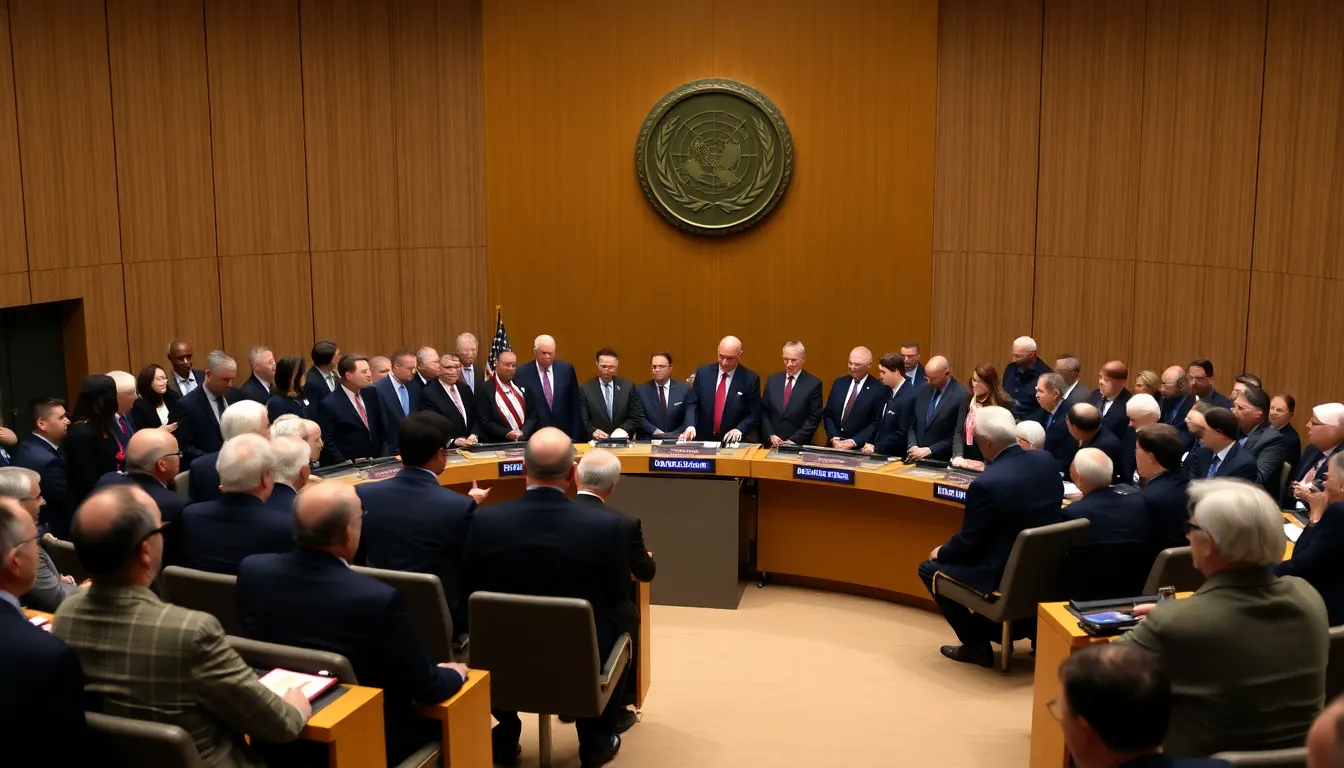
Historically, the U.S. has been a dominant player in climate negotiations, contributing significantly to global emissions while also providing substantial financial and technological support to developing nations. Nevertheless, the U.S. stance on climate policy has shifted dramatically over the years, influenced by changes in administration and public opinion. For instance, President George W. Bush’s decision to withdraw from the Kyoto Protocol marked a significant turning point, reflecting a reluctance to commit to binding targets without broader participation, particularly from emerging economies.
In recent years, the U.S. has seen a resurgence in climate activism and a push for more aggressive climate policies, especially under the Biden administration. However, the absence of the U.S. from key discussions, such as the recent climate summit, underscores ongoing tensions and a perception that the nation is not fully aligned with global climate priorities. This absence can be attributed to a combination of domestic political challenges, economic considerations, and the complex interplay of international relations.
The Role of Emerging Economies
As climate negotiations progress, the emergence of economies like China and India has shifted the focus of discussions. These nations are now key players, contributing significantly to global emissions while also seeking to balance economic growth with environmental sustainability. The U.S. absence from recent negotiations raises questions about its ability to influence these discussions and the potential for a fragmented approach to global climate action.
Key stakeholders and issues surrounding the exclusion of the U.S.
The recent climate change discussions that proceeded without the participation of the United States have highlighted a complex web of stakeholders and competing interests. The primary actors include international organizations, national governments, environmental advocacy groups, and the private sector. Each of these entities has distinct motivations and concerns that shape their positions on climate policy.
One of the most significant stakeholders in this context is the United Nations Framework Convention on Climate Change (UNFCCC), which aims to facilitate global cooperation on climate issues. The UNFCCC’s interest lies in achieving consensus among nations to combat climate change effectively. The absence of the U.S., a major emitter of greenhouse gases, raises concerns about the effectiveness of international agreements and the credibility of the climate dialogue.
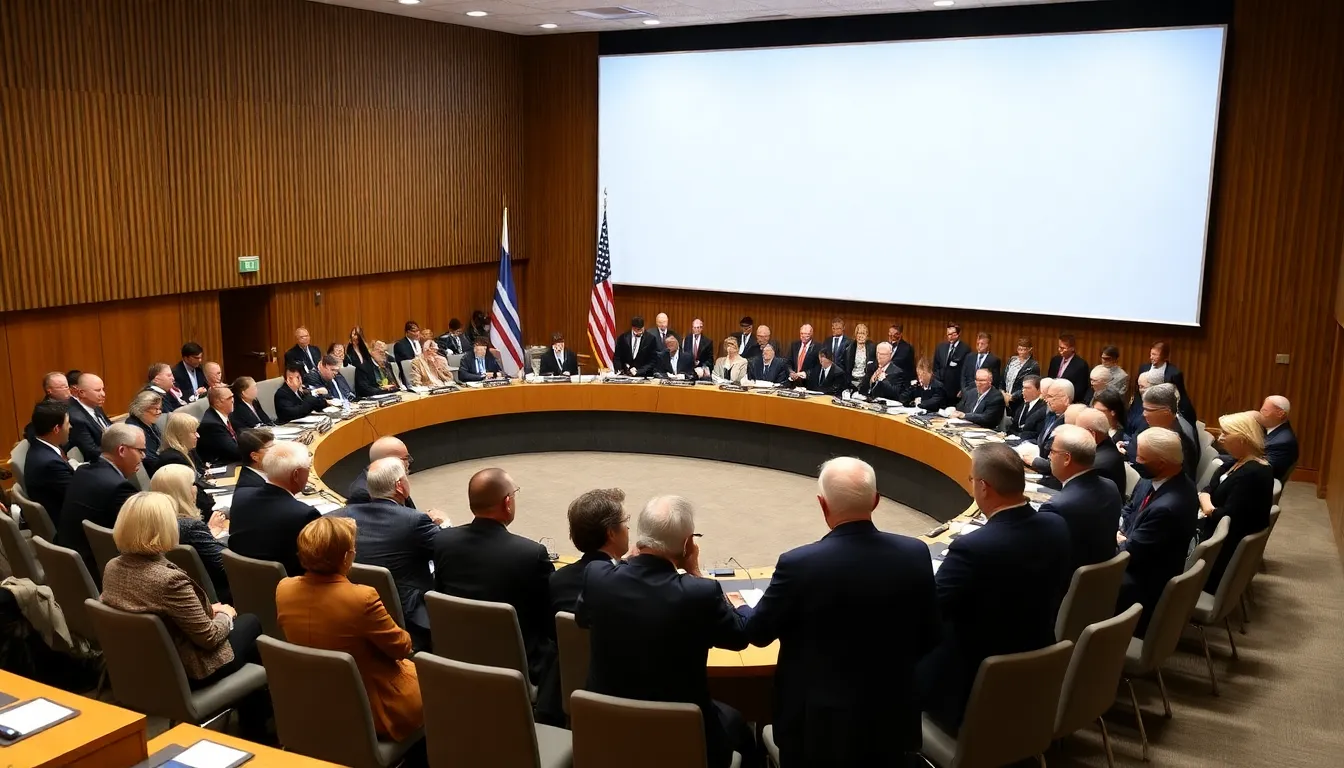
Another key player is the European Union, which has been vocal about its commitment to ambitious climate targets. The EU’s interest in excluding the U.S. may stem from a desire to lead the global climate agenda and pressure other nations to adopt more stringent measures. This dynamic creates a potential conflict between the EU’s ambitions and the U.S.’s historical stance on climate agreements.
- Economic Implications: The exclusion of the U.S. could lead to economic trade-offs for both the U.S. and participating countries, affecting investments in green technologies.
- Legal Ramifications: International law may come into play as countries navigate the implications of a fragmented climate policy landscape.
- Environmental Concerns: The effectiveness of global climate initiatives may be undermined without the participation of one of the largest polluters.
- Public Perception: The decision to exclude the U.S. may influence public opinion on climate change and international cooperation.
In summary, the exclusion of the U.S. from these critical discussions underscores the tensions between national interests and global climate goals. The implications of this decision extend beyond immediate diplomatic relations, impacting economic strategies, environmental policies, and the overall effectiveness of international climate efforts. To learn more about emerging trends, view Meet the teen aspiring to race in Formula 1.
Consequences of U.S. absence on global climate efforts
The absence of the United States from the recent global climate discussions has far-reaching implications for various groups and industries. Key stakeholders include environmental organizations, policymakers, and businesses that rely on sustainable practices. The void left by the U.S. may hinder collective global action, impacting efforts to combat climate change effectively.
In the short term, countries that are actively engaged in climate initiatives may face increased pressure to fill the leadership gap. This could lead to a fragmentation of climate policies, with some regions advancing while others lag behind. Industries such as renewable energy, agriculture, and manufacturing may experience uncertainty as international cooperation wanes, potentially stalling investments and innovation.
Mid-term impacts may include shifts in global supply chains and market dynamics. Regions that prioritize sustainability could gain a competitive edge, attracting investments and talent. Conversely, industries that depend on fossil fuels may face heightened scrutiny and regulatory challenges, particularly in markets that are moving towards stricter environmental standards.

- Increased regional disparities: Countries leading climate action may prosper, while others may struggle.
- Investment shifts: Opportunities for green technology may rise in regions that embrace sustainable practices.
- Regulatory challenges: Industries reliant on fossil fuels may face stricter regulations and declining demand.
Overall, while the U.S. absence poses significant risks, it also opens doors for other nations and industries to take the lead in climate action, potentially reshaping the global economic landscape in the process.
A: The U.S. was not invited due to its controversial stance on climate policies and withdrawal from previous agreements, leading to concerns among other nations. A: The meeting focused on global emissions reduction, renewable energy initiatives, and financial support for developing countries to combat climate change. A: The exclusion may strain relations with allies and hinder collaborative efforts to address climate change, as many countries seek unified action. A: Without U.S. involvement, there may be slower progress in achieving global climate goals, as the U.S. is a significant player in international climate finance and policy. A: Future meetings are planned, and it remains to be seen if the U.S. will be invited or if it will choose to participate, depending on changes in policy.
Frequently asked questions about the climate meeting and U.S. exclusion
Key takeaways and future outlook on climate negotiations
The recent gathering of global leaders to discuss climate change, notably without the participation of the United States, raises significant questions about the future of international climate agreements. The absence of the U.S. could shift the dynamics of global negotiations, potentially leading to new alliances and strategies among participating nations. Observers must consider how this exclusion might affect global climate goals and the overall momentum of climate action.
As countries adapt to this new landscape, it will be crucial to monitor how these developments influence both national policies and international cooperation on environmental issues. The evolving geopolitical climate may create opportunities for emerging powers to take the lead in climate initiatives, while traditional leaders may need to recalibrate their approaches to maintain influence.
- Watch for new alliances: Countries may form new partnerships to fill the leadership void left by the U.S., potentially altering the balance of power in climate negotiations.
- Increased focus on regional agreements: As global consensus becomes more challenging, nations might prioritize regional pacts to address climate issues more effectively.
- Shift in funding and investment: The absence of U.S. leadership could redirect climate finance and investments towards nations willing to take a more active role in climate action.
- Public sentiment and activism: The dynamics of public opinion on climate change may shift, influencing how governments respond to environmental challenges.
- Innovation in climate solutions: With changing leadership, there may be an increased emphasis on innovative technologies and solutions as countries seek to demonstrate progress independently.