


Additionally, the use of mobile phones in theaters has emerged as a growing concern. Bright screens and ringing notifications disrupt not only the film’s atmosphere but also the concentration of viewers. A study by the National Association of Theatre Owners revealed that 70% of respondents felt that phone usage during films is becoming increasingly unacceptable. For more insights on related topics, you can check out this article.
These disruptive behaviors are not isolated incidents; they reflect broader societal trends regarding attention spans and public etiquette. With the rise of technology and social media, many individuals struggle to disconnect and engage fully in communal experiences like cinema. This shift poses a challenge for theaters striving to maintain a welcoming environment for all patrons.
The impact of these issues is evident in declining attendance rates at cinemas. According to industry reports, ticket sales have dropped by 15% compared to pre-pandemic levels, with many potential viewers citing discomfort with the current cinema atmosphere as a deterrent. As theaters navigate these challenges, finding solutions to enhance the viewing experience has become increasingly urgent, especially as they face rising competition from platforms covered in this review.
Understanding the rise of distractions in theaters
In recent years, the cinema experience has evolved significantly, yet it faces new challenges that detract from its enjoyment. The rise of distractions in theaters, such as loud eaters and smartphone usage, can be traced back to broader social and technological changes. As society becomes increasingly interconnected through technology, the expectations and behaviors of audiences have shifted, leading to a more disruptive environment in public spaces.
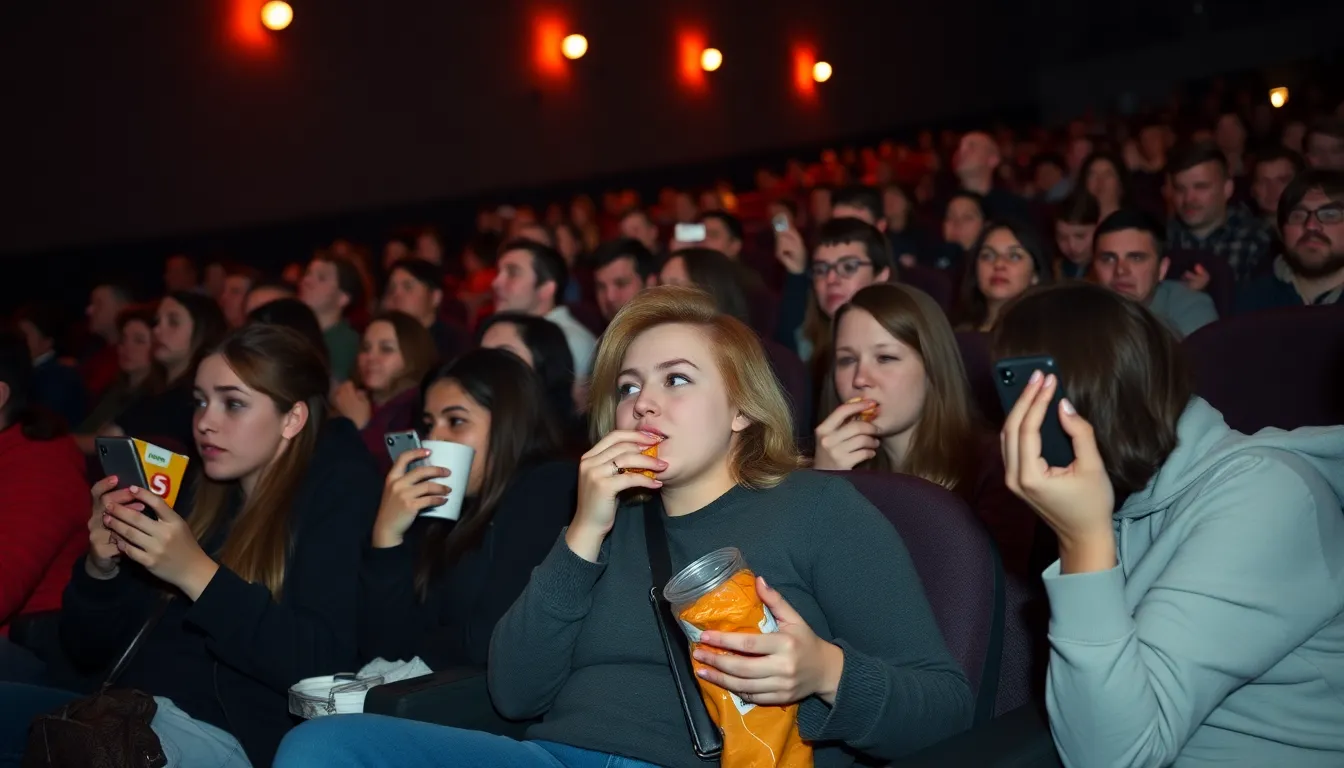
Historically, movie theaters have been places of collective enjoyment, where silence and focus were paramount. However, the advent of smartphones and the culture of multitasking have blurred the lines of etiquette. With the introduction of mobile devices in the early 2000s, audiences began to bring their digital lives into the theater, prioritizing connectivity over the communal experience of watching a film, a shift that resonates with the changes highlighted in Raghu Rai’s work.
Economic factors also play a role in this phenomenon. The rising costs of cinema tickets have encouraged audiences to maximize their experience, often resulting in a more casual approach to viewing. Patrons may feel justified in eating loudly or checking their phones, believing that they are entitled to enjoy their time in the theater, regardless of the impact on others. This shift reflects a broader trend of consumer entitlement in various entertainment sectors.
The impact of social media
Social media platforms have further contributed to the distraction dilemma. The desire to share experiences in real-time often leads to individuals using their phones during screenings, whether to post updates or capture moments. This behavior not only disrupts the viewing experience but also fosters a culture where the immediate gratification of social interaction takes precedence over respect for fellow moviegoers.
As theaters strive to adapt to these changes, they face the challenge of balancing technological integration with the preservation of a traditional cinematic experience. The increasing prevalence of distractions highlights the need for a renewed focus on etiquette and respect within the communal space of the cinema, ensuring that the magic of film remains intact for all audiences.
Key stakeholders and their roles in cinema etiquette
The cinema experience is influenced by a variety of stakeholders, each with distinct interests and perspectives. The primary actors include cinema-goers, theater owners, film distributors, and regulatory bodies. Understanding their roles is essential to grasp the complexities surrounding cinema etiquette and the challenges it faces today.
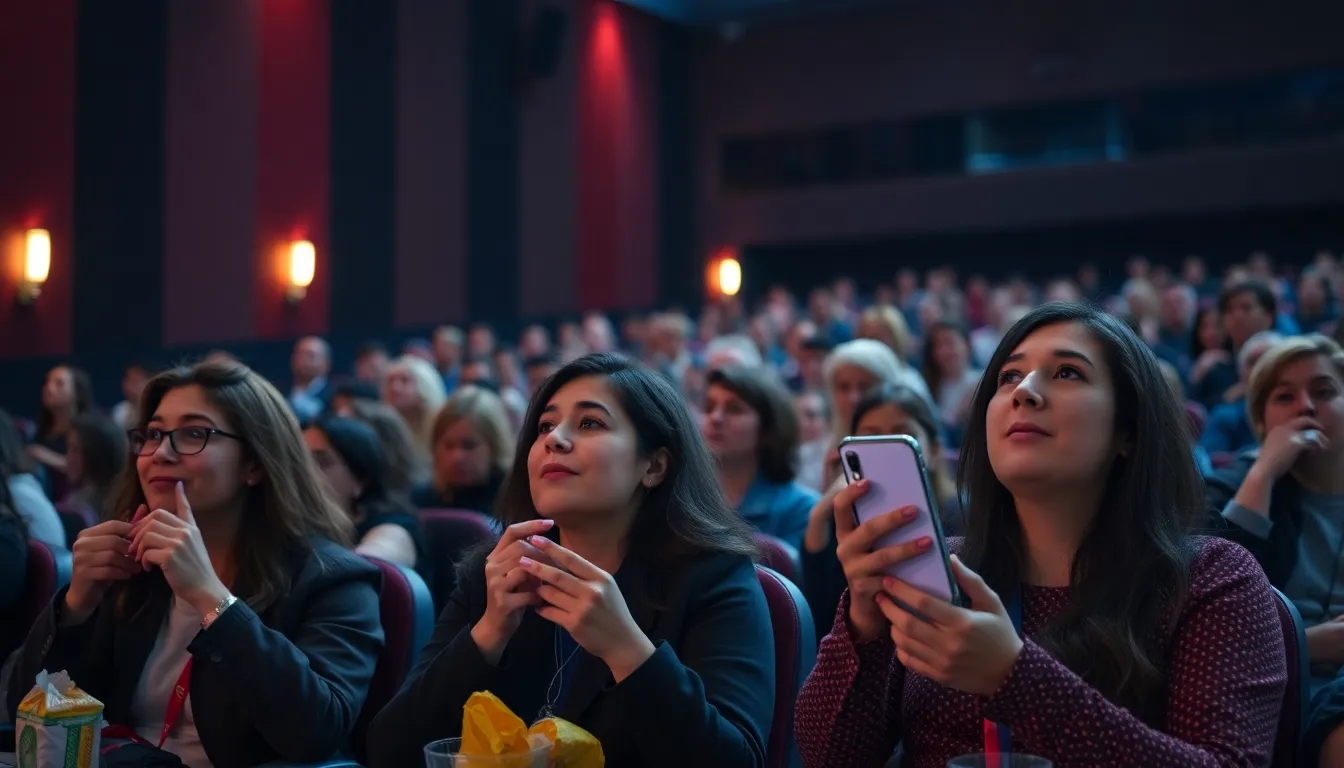
Cinema-goers are the most directly affected by the behaviors of others, such as loud eating or phone usage. Their primary interest lies in enjoying a distraction-free environment, which enhances their overall movie-watching experience. When these norms are violated, it can lead to frustration and a diminished enjoyment of the film.
Theater owners and operators have a vested interest in maintaining a positive atmosphere to attract and retain customers. They must balance the need for customer comfort with the economic realities of running a business. This includes addressing disruptive behaviors while ensuring that policies do not alienate patrons who may not be aware of etiquette standards.
Film distributors and producers also play a role, as they rely on box office sales for revenue. When patrons have negative experiences due to poor etiquette, it can impact ticket sales and, ultimately, the success of a film. Thus, they have an interest in supporting initiatives that promote better cinema behavior.
Regulatory bodies may become involved when disruptive behaviors escalate to the point of requiring intervention. Their focus is often on public safety and ensuring a pleasant environment for all attendees. However, legal frameworks around noise and behavior in public spaces can vary, leading to challenges in enforcement.
- Disruptive behaviors can lead to a decrease in cinema attendance.
- The balance between customer comfort and business profitability is delicate.
- Education and awareness programs may help improve cinema etiquette.
- Legal frameworks may not adequately address modern distractions like mobile devices.
- Stakeholder collaboration is essential for fostering a respectful cinema environment.
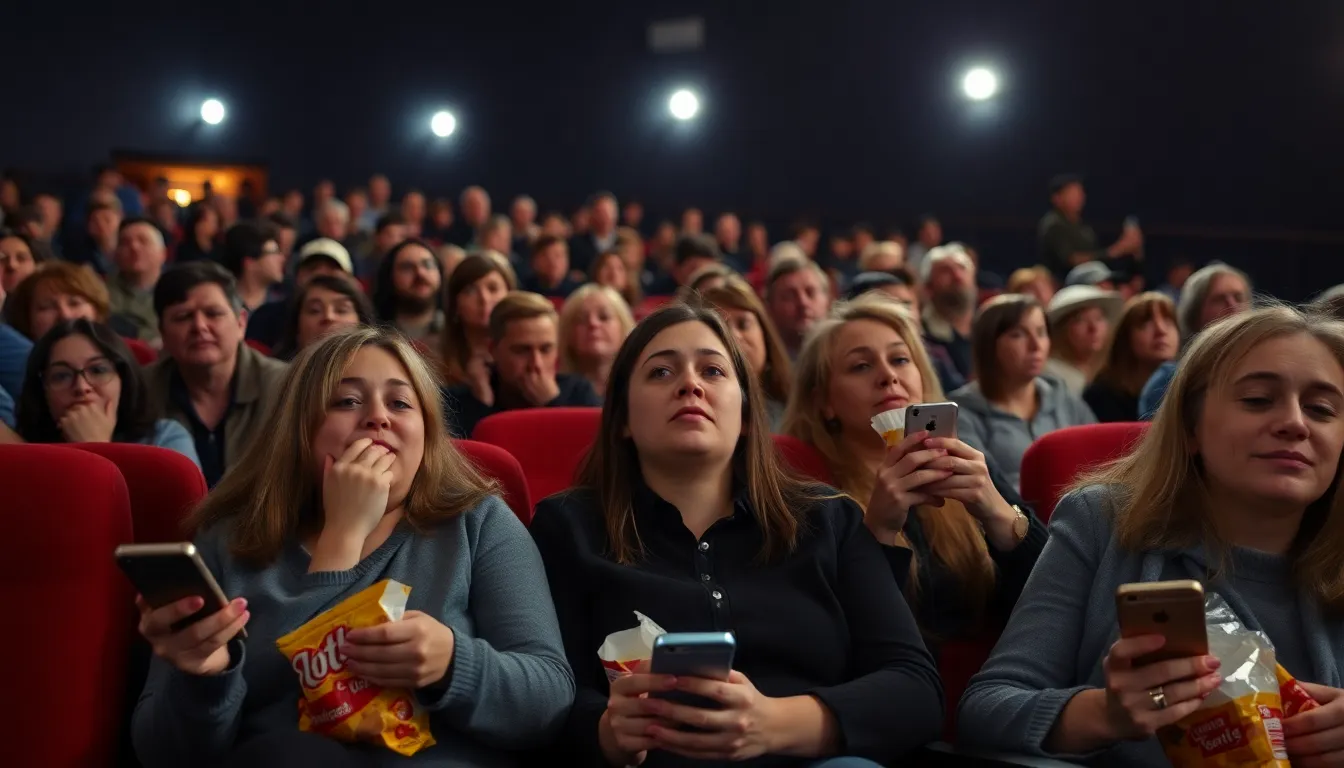
The impact of loud eaters and phones on audiences
The experience of watching a film in a cinema is meant to be immersive, but loud eaters and the distraction of mobile phones are affecting various groups of people. Audiences of all ages, particularly families and young adults, are directly impacted by these disturbances. Additionally, cinema operators and film distributors face challenges in maintaining a quality viewing environment.
Short-term, the immediate disruption caused by loud eating and phone usage can lead to dissatisfaction among moviegoers, resulting in negative reviews and decreased attendance. This can affect box office revenues, especially for films that rely heavily on opening weekend sales. Mid-term, cinemas may need to implement stricter policies regarding phone usage and food consumption, which could alter the traditional cinema experience.
While these disturbances pose risks to customer satisfaction, they also present opportunities for cinemas to innovate. For instance, theaters could introduce designated quiet zones or offer enhanced screening experiences that minimize distractions. Additionally, marketing campaigns that emphasize a distraction-free viewing experience could attract audiences looking for a more enjoyable outing.
- Increased customer dissatisfaction leading to negative reviews.
- Potential policy changes regarding food and phone use in cinemas.
- Opportunities for cinemas to enhance the viewing experience.
Regions with a high concentration of cinemas, particularly urban areas, may see a more pronounced impact as audiences are less tolerant of disruptions in crowded settings. The film industry as a whole may need to adapt to these challenges by promoting films that emphasize the communal experience of cinema, encouraging audiences to respect the viewing environment.
A: Cinemas can implement stricter policies on phone usage and encourage patrons to be mindful of their eating habits. Additionally, providing reminders before screenings may help set expectations. A: Yes, foods that are crunchy or have strong odors tend to be more disruptive in a quiet cinema setting. Opting for quieter snacks can help minimize disturbances. A: Reactions vary; some may express annoyance openly, while others may choose to ignore it. However, many report feeling frustrated and distracted from the film. A: While it can happen in any cinema, the frequency and severity of disruptions may vary based on location, audience demographics, and the type of films being shown. A: It is advisable to speak to a staff member discreetly, as they are trained to handle such situations and can address the issue without escalating it.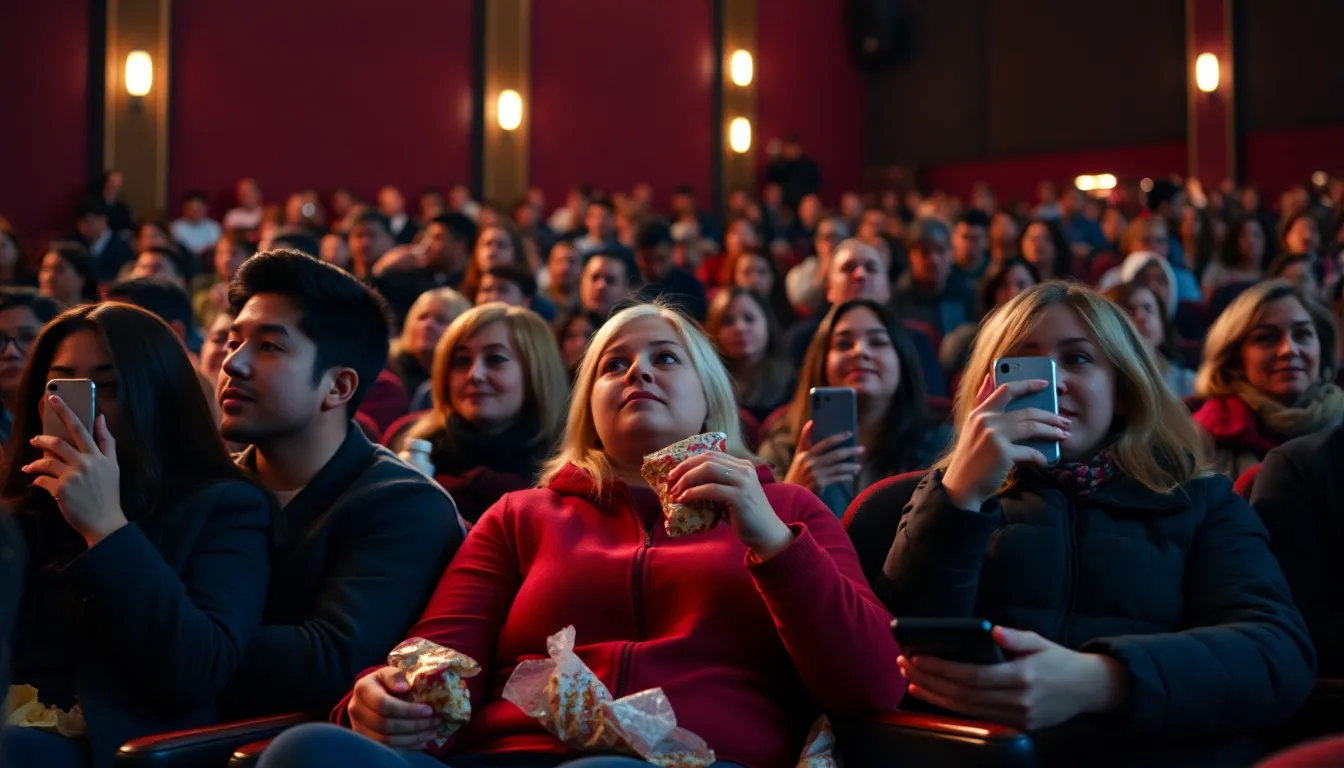
Frequently asked questions about cinema disruptions
Looking ahead: Improving the cinema experience
The recent experiences of patrons facing distractions from loud eaters and mobile phone usage highlight significant challenges in the cinema environment. These disruptions not only diminish the enjoyment of films but also raise questions about etiquette and the overall atmosphere in theaters. As cinemas strive to enhance the viewing experience, addressing these concerns will be crucial for maintaining audience engagement and satisfaction.
To foster a more enjoyable cinema experience, stakeholders must consider practical measures and encourage a culture of respect among moviegoers. By implementing thoughtful strategies, cinemas can create an environment that prioritizes the collective experience of film appreciation.
- Implement stricter policies: Cinemas could enforce rules regarding phone usage and eating habits, possibly including designated areas for loud snacks.
- Enhance pre-show announcements: Reminding audiences of etiquette before screenings may help set the tone for a more respectful viewing environment.
- Encourage feedback mechanisms: Providing platforms for audience feedback can help cinemas identify and address specific issues related to distractions.
- Promote quiet screenings: Offering special showings with a focus on silence could attract patrons seeking a more immersive experience.
- Community engagement: Hosting events that educate audiences on cinema etiquette might foster a sense of shared responsibility among moviegoers.