


Among the reported problems, over 40% of schools have issues with dampness and mould, which can lead to serious health risks, particularly for children with respiratory conditions. For example, understanding how environmental factors impact health can shed light on these issues. Furthermore, nearly one in five schools has faulty plumbing, resulting in inadequate sanitation facilities. These conditions not only disrupt the learning environment but also pose long-term risks to students’ well-being.
The implications of these findings are far-reaching, as they affect the quality of education and the overall school experience. Parents, educators, and policymakers are calling for immediate action to address the deteriorating infrastructure. The NEU has emphasized that investing in school facilities is essential for fostering a conducive learning environment.
In response to the survey, the government has acknowledged the need for improvements but has yet to outline a comprehensive plan to tackle these issues. As the school year progresses, the pressure mounts on authorities to prioritize funding and resources to ensure that all students have access to safe and functional learning spaces.
Understanding the background of school infrastructure issues
The state of school infrastructure in England has been a growing concern for several years, with reports indicating that a significant number of schools are plagued by issues such as leaks, mould, and faulty toilets. The impact of such conditions on educational outcomes cannot be understated. This situation is not merely a recent development but rather the culmination of years of underinvestment and policy decisions that have prioritized short-term budget cuts over long-term infrastructure needs.
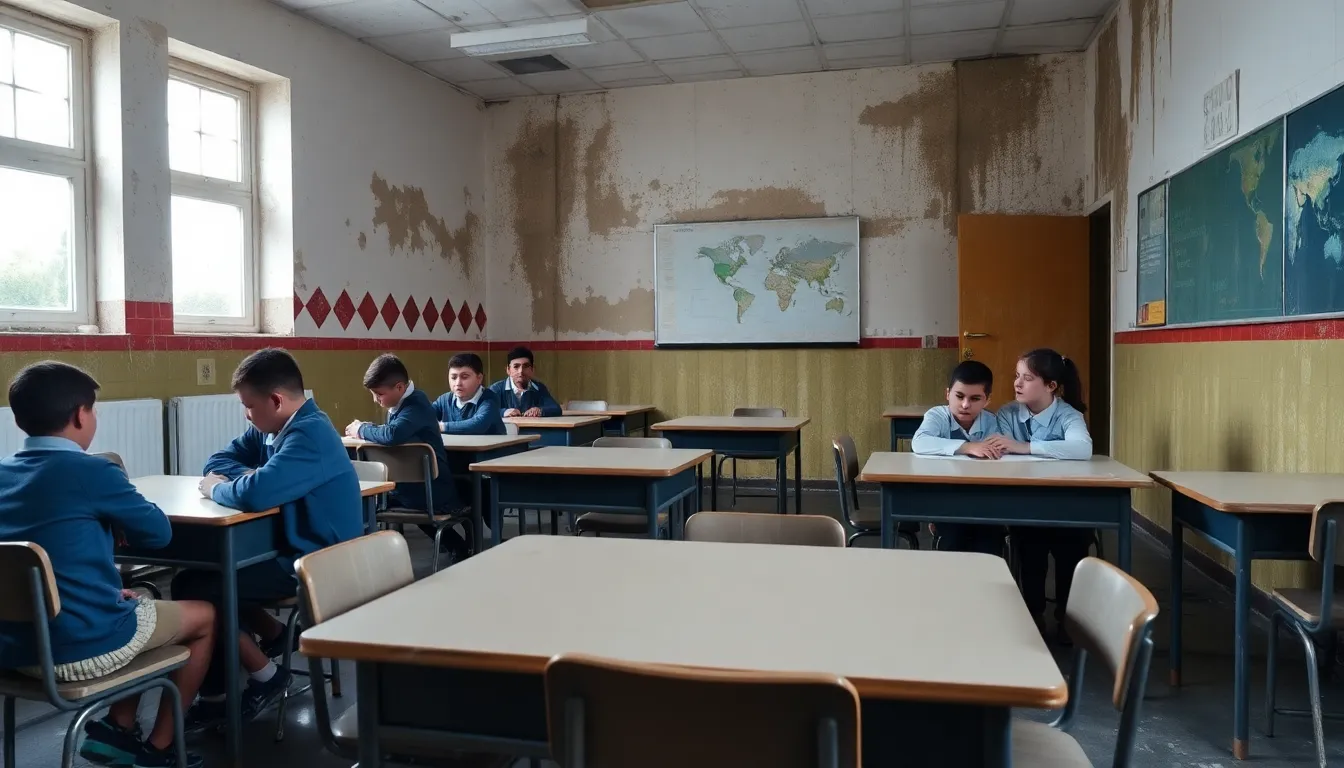
In the early 2000s, the UK government initiated several programs aimed at improving school infrastructure, including the Building Schools for the Future program, which sought to rebuild or refurbish secondary schools. However, following the 2010 austerity measures, funding for such initiatives was drastically reduced. This shift in policy has left many schools struggling to maintain their facilities, leading to the alarming statistic that nearly half of England’s schools are now deemed unfit for use.
The impact of austerity measures
The austerity measures implemented post-2010 have had a profound impact on local authorities’ ability to invest in school infrastructure. With budgets slashed, many schools were forced to defer maintenance and repairs, resulting in a backlog of necessary work. This has created an environment where issues like water damage and mould have become commonplace, posing not only a risk to the physical structure of the schools but also to the health and well-being of students and staff. Addressing these challenges requires significant investment and strategic planning.
Moreover, the lack of investment in school infrastructure has raised significant concerns regarding educational equity. Schools in disadvantaged areas often face the brunt of these issues, further exacerbating inequalities in educational outcomes. The current situation highlights the urgent need for a reevaluation of funding priorities and a commitment to ensuring that all students have access to safe and conducive learning environments.
Key stakeholders and the main issues at play
The recent poll revealing that half of England’s schools are deemed unfit due to issues such as leaks, mould, and faulty toilets highlights a complex interplay of stakeholders and significant concerns. Key actors include the government, local education authorities, school administrators, parents, and students, each with distinct interests and perspectives on the situation.
At the forefront, the government holds the responsibility for education funding and infrastructure maintenance. Their interest lies in ensuring that schools meet safety and health standards, which directly impacts student learning and wellbeing. However, budget constraints and competing priorities often lead to trade-offs that may compromise the quality of school facilities.
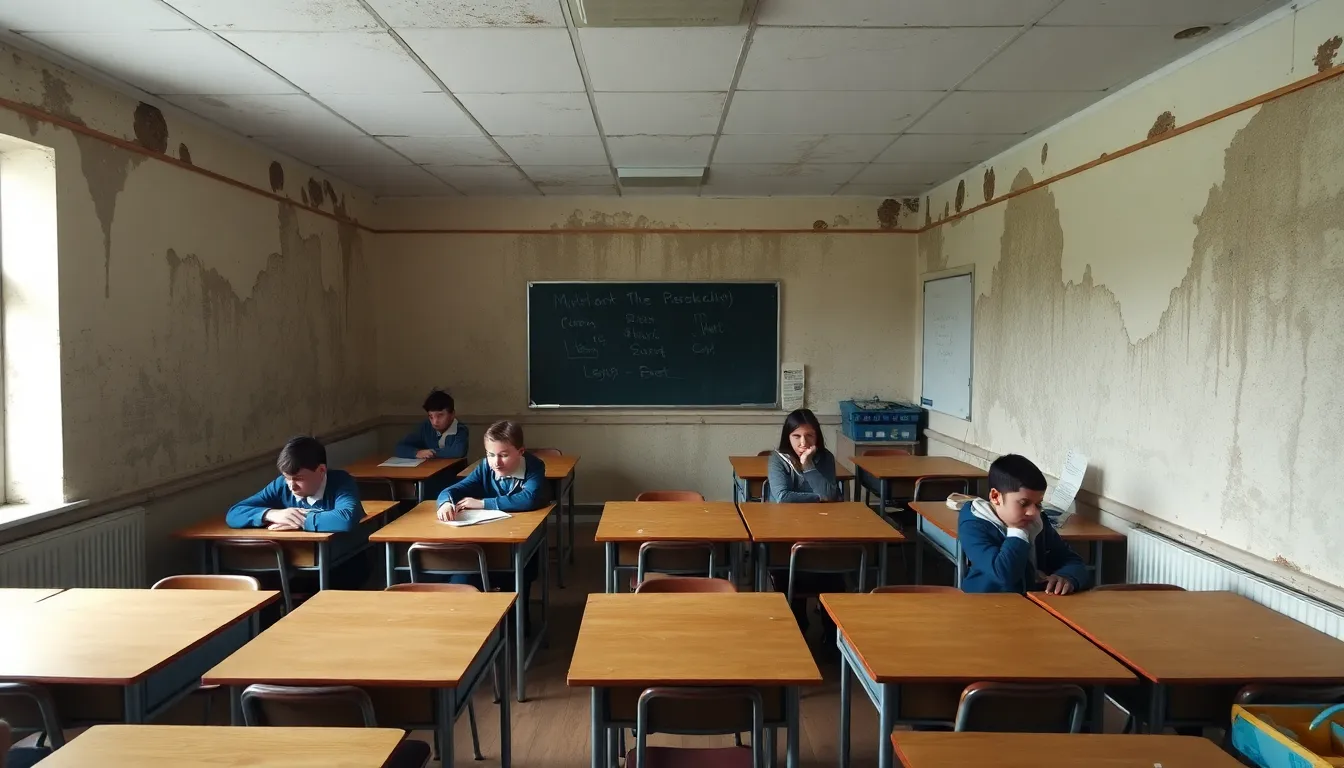
Local education authorities and school administrators are tasked with managing resources and addressing immediate concerns within their jurisdictions. They may face conflicts between maintaining existing facilities and investing in new projects. Their interests include advocating for increased funding and support to rectify the issues highlighted in the poll.
- Parents and guardians: Concerned about their children’s safety and learning environment, they may push for accountability and demand action from policymakers.
- Students: The primary stakeholders affected, their educational experience is directly impacted by the physical state of their schools. Poor conditions can hinder their academic performance and overall health.
- Community organizations: These groups often advocate for educational equity and may mobilize public support to address the disparities caused by inadequate school facilities.
Legal and economic issues also emerge from the findings of the poll. Schools that fail to meet health and safety regulations may face legal repercussions, while local authorities may struggle with the economic burden of repairs and upgrades. The potential for litigation over unsafe conditions adds another layer of complexity to the situation, requiring careful navigation by all stakeholders involved.
The impact on students and the education system
The recent poll revealing that half of England’s schools are unfit for use due to issues such as leaks, mould, and faulty toilets highlights a significant crisis affecting students, teachers, and educational institutions. The most immediate group impacted is the students, who face a compromised learning environment that can hinder their academic performance and overall well-being.
Teachers and school staff are also affected, as they must navigate the challenges of working in deteriorating conditions. This can lead to increased stress and burnout, potentially resulting in higher turnover rates within the education workforce. Furthermore, parents and guardians are likely to feel the strain, as they may need to seek alternative educational arrangements for their children.
The broader implications extend to local economies and communities, particularly in regions where schools serve as vital hubs for social interaction and support. The potential decline in school performance can lead to decreased property values and deter new families from moving into affected areas.
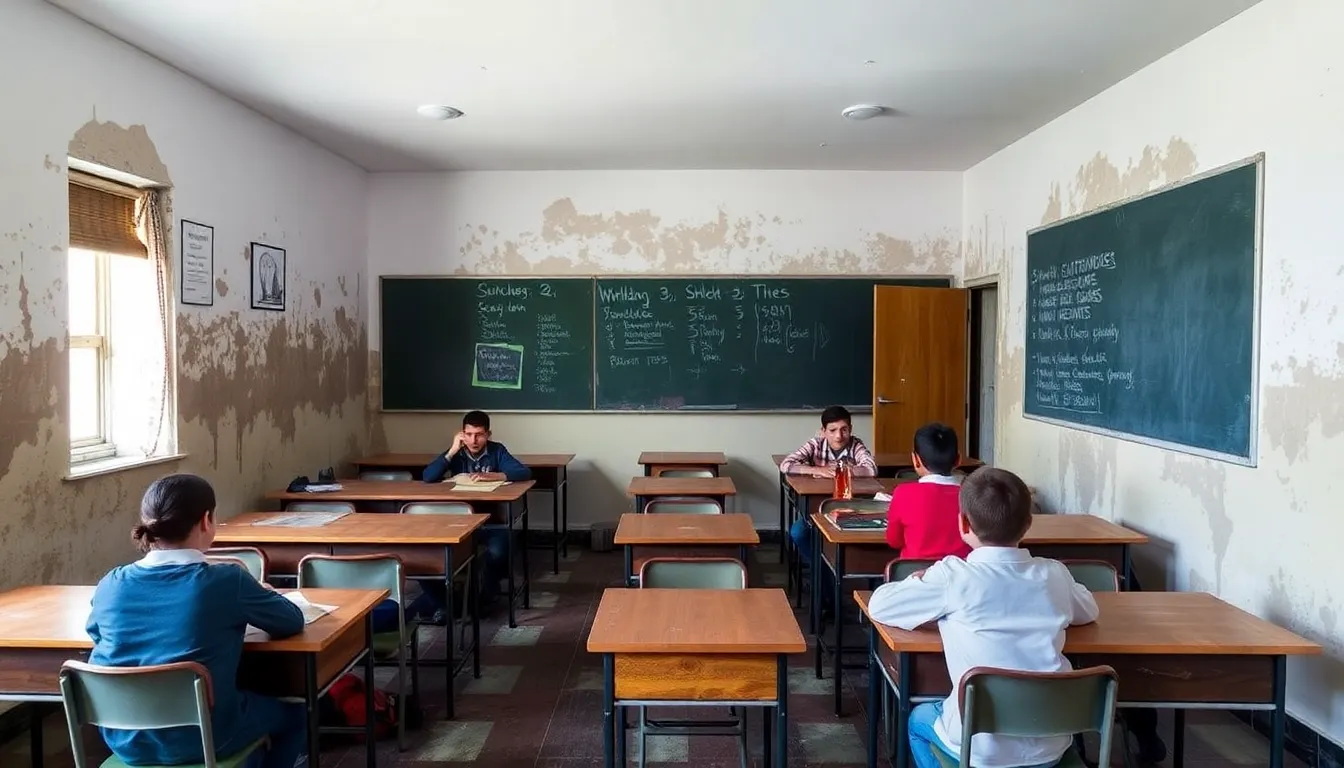
- Short-term impacts: Disruption of daily school activities, increased absenteeism, and a decline in student morale.
- Mid-term impacts: Potential changes in educational policies, increased funding requests for repairs, and shifts in community engagement.
- Risks: Long-term educational setbacks for students, potential health risks from poor conditions, and reputational damage to the education system.
- Opportunities: Advocacy for increased investment in educational infrastructure, community mobilization for change, and potential partnerships with local businesses for funding and support.
In summary, the ramifications of this situation are far-reaching, affecting not only those directly involved in education but also the wider community and economy. Addressing these issues will require a concerted effort from policymakers, educators, and the public to ensure that all students have access to safe and conducive learning environments.
A: The schools are facing serious problems such as leaks, mould growth, and faulty toilets, which compromise the safety and health of students. A: The poll was conducted through surveys distributed to various educational institutions across England, gathering data on the condition of school facilities. A: If left unaddressed, these infrastructure problems could lead to health risks for students and staff, as well as hinder the learning environment. A: Authorities are being urged to allocate more funding and resources to improve school infrastructure and ensure safe learning conditions. A: No, the severity of issues varies by region and individual school, with some facing more critical conditions than others.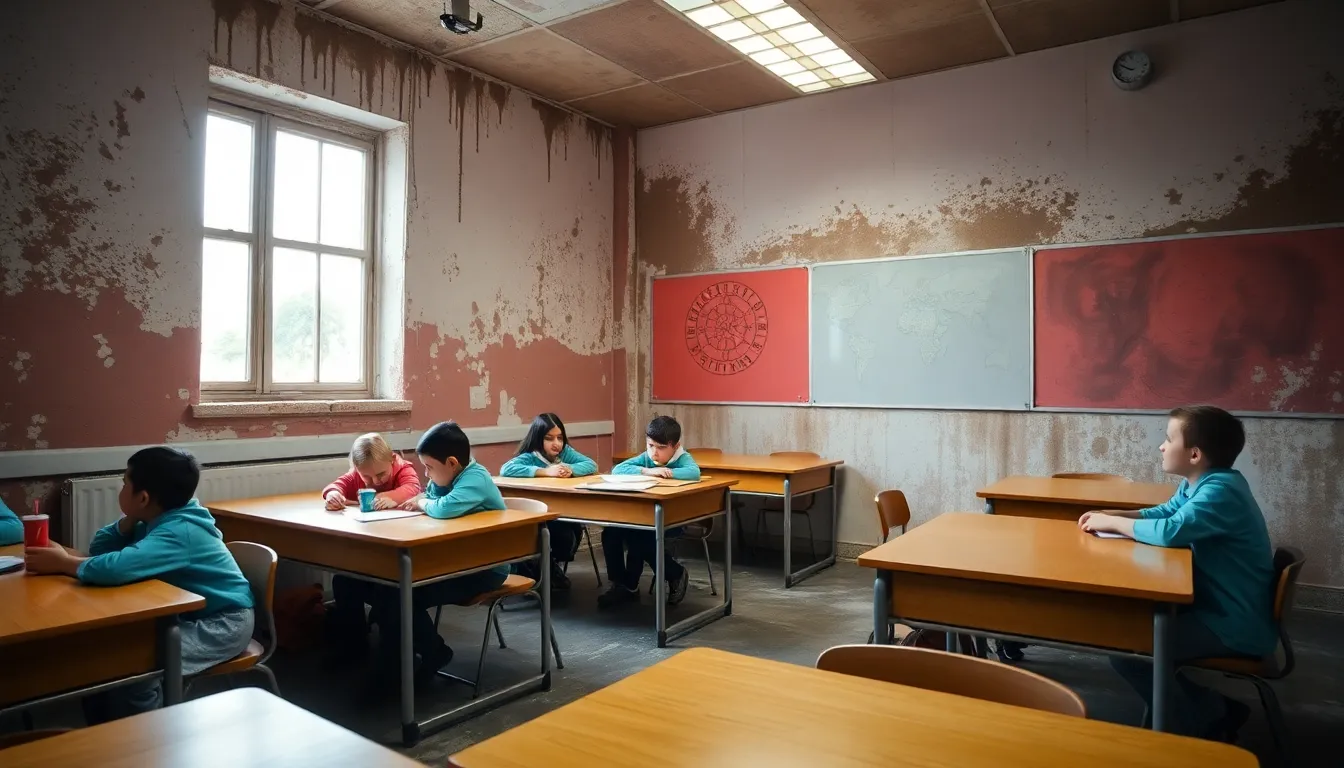
Frequently asked questions about school conditions
Key takeaways and future outlook on school infrastructure
The recent poll revealing that half of England’s schools are deemed unfit due to issues such as leaks, mould, and faulty toilets underscores a pressing concern for the educational environment. This situation not only affects the physical safety and health of students and staff but also has potential long-term implications for educational outcomes and community well-being.
As policymakers and educational leaders consider strategies for improvement, it is essential to recognize the need for immediate and sustained investment in school infrastructure. Addressing these issues could enhance the learning experience and foster a healthier environment for all stakeholders involved.
- Increased Funding: There is a critical need for increased government funding to address infrastructure deficiencies in schools, ensuring that basic health and safety standards are met.
- Long-term Maintenance Plans: Schools should implement long-term maintenance and inspection plans to proactively identify and resolve infrastructure issues before they escalate.
- Community Engagement: Engaging with local communities and parents can foster support for infrastructure improvements and ensure that the needs of students are prioritized.
- Health and Safety Standards: Establishing rigorous health and safety standards for school facilities can help prevent future issues related to mould and leaks.
- Innovative Solutions: Exploring innovative building materials and designs may provide sustainable solutions to infrastructure problems, ensuring schools remain safe and conducive to learning.