


Raducanu’s decision comes after she struggled with injuries earlier in the year, including a wrist issue that has hampered her performance. For a deeper understanding of injury challenges faced by athletes, you might want to read about Alcaraz’s recent withdrawal due to a wrist injury. This latest withdrawal raises concerns about her fitness and ability to compete at a high level, as she has already missed several key events this season.
The Madrid Open is one of the prestigious clay-court tournaments, and players often use it as preparation for the Grand Slam events. Raducanu’s absence not only affects her ranking but also her opportunity to gain valuable match experience on clay ahead of the French Open, which begins on May 28, 2023. This situation mirrors some of the challenges faced by athletes featured in the World Cup 2026 injury watch, where key players race against time to be ready.
As a former US Open champion, expectations have been high for Raducanu, but her ongoing injury struggles have led to questions about her readiness for the competitive circuit. Fans and analysts alike will be watching closely to see how she manages her recovery and what this means for her future in the sport.
Understanding Raducanu’s recent injury history
Emma Raducanu, the British tennis sensation who captured global attention with her stunning victory at the 2021 US Open, has faced a series of injuries that have hindered her performance on the WTA tour. Since her historic win, she has struggled to maintain consistent form, often sidelined by various physical setbacks. The latest withdrawal from the Madrid Open adds to a growing list of tournaments she has missed due to injury concerns.
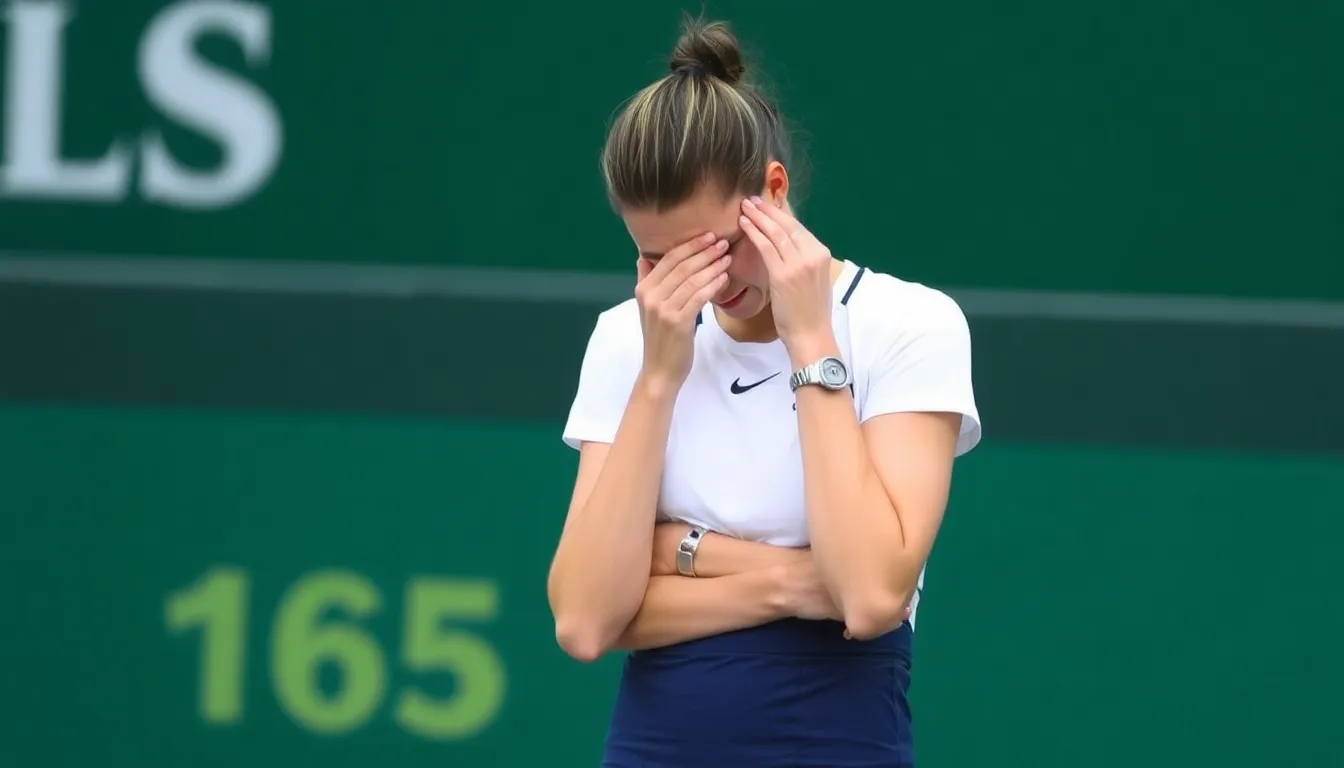
In the months following her US Open triumph, Raducanu’s body was put under immense pressure as she transitioned from a junior player to a professional athlete competing at the highest level. The demands of the tour, combined with her rapid rise to fame, have resulted in a challenging period for the young player. Injuries have included issues with her wrist and ankle, which have not only affected her match readiness but also her mental resilience on the court.
The Impact of Injuries on Career Trajectory
Injuries are not uncommon in professional sports, but for a player like Raducanu, who is still in the early stages of her career, they can be particularly damaging. The psychological burden of repeated withdrawals can lead to increased pressure and expectations from fans and media alike. As she pulls out of another significant tournament, questions arise about how these injuries will shape her future in the sport and whether she can return to the form that once made her a household name.
Looking back at similar cases in tennis history, players like Juan Martín del Potro and Maria Sharapova have faced lengthy injury setbacks that altered the trajectory of their careers. Their experiences serve as a reminder of the physical and mental challenges athletes must navigate, highlighting the importance of recovery and long-term health over immediate competition. As Raducanu focuses on her rehabilitation, her journey will be closely watched by fans and analysts alike, eager to see how she adapts to these challenges moving forward. For more insights, check out how Clavicular responded to serious health issues.
Key issues surrounding Raducanu’s performance and health
Emma Raducanu’s recent withdrawal from the Madrid Open has reignited discussions about the challenges she faces as a young athlete in the high-stakes world of professional tennis. Her decision to pull out is primarily linked to ongoing health concerns, which have plagued her since her stunning victory at the US Open in 2021. This situation highlights the delicate balance between an athlete’s physical well-being and their professional commitments.
Key stakeholders in this scenario include Raducanu herself, her coaching team, sponsors, and the broader tennis community. Each of these actors has distinct interests that can sometimes conflict. For instance, Raducanu’s health is paramount, yet her sponsors and the tennis governing bodies are eager to see her compete and maintain visibility in the sport. This creates a tension between the need for recovery and the pressures of performance.
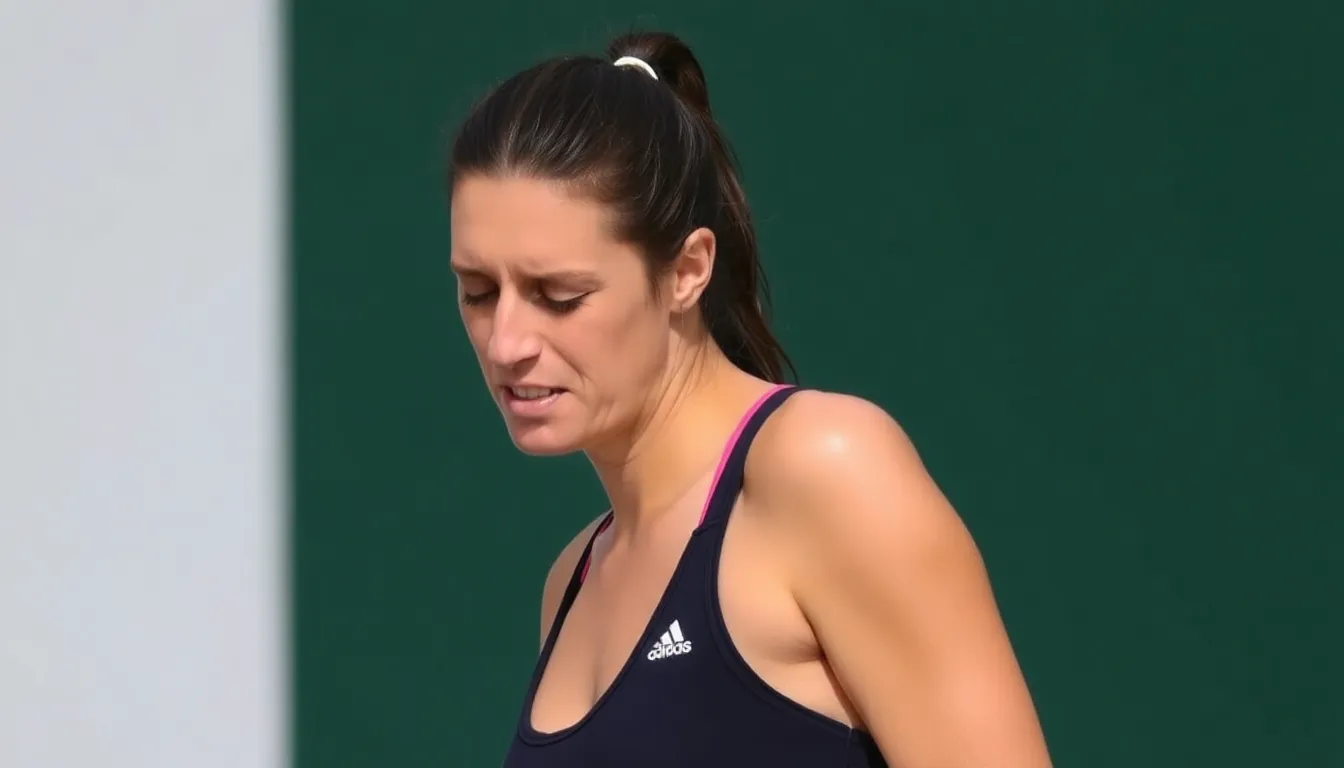
- Health vs. Competition: The primary issue revolves around Raducanu’s physical health, which must take precedence over her competitive aspirations.
- Sponsorship Expectations: Sponsors may exert pressure for her to participate in high-profile tournaments, potentially compromising her recovery.
- Public Perception: Frequent withdrawals can affect public perception and fan support, impacting her marketability as a professional athlete.
Additionally, the economic implications of her absence from tournaments cannot be overlooked. Each missed event represents not only a loss of potential earnings for Raducanu but also a decrease in ticket sales and viewership for the tournament organizers. This economic aspect further complicates the decision-making process for all parties involved.
As Raducanu navigates these challenges, it becomes evident that her situation is emblematic of broader issues faced by athletes in high-pressure environments. The trade-offs between health, performance, and economic viability are complex and require careful consideration from all stakeholders to ensure sustainable success in her career.
Potential effects on Raducanu’s career and rankings
The withdrawal of Emma Raducanu from the Madrid Open has implications that extend beyond her personal career. Key stakeholders in the tennis industry, including sponsors, fans, and event organizers, are likely to feel the impact. Raducanu, being a prominent figure in women’s tennis, attracts significant media attention and sponsorship deals, which could be jeopardized by her ongoing injury issues.
In the short term, Raducanu’s absence from the tournament may lead to decreased viewership and attendance at the Madrid Open, affecting revenue for organizers and local businesses reliant on the influx of fans. Additionally, her ranking may suffer if she continues to miss major tournaments, which could impact her seeding in future competitions.
In the mid-term, the situation raises concerns about Raducanu’s long-term health and career trajectory. If her injuries persist, it could lead to a re-evaluation of her training and competition strategy, potentially affecting her performance in upcoming Grand Slams. This uncertainty may also influence her current and future sponsorship deals, as brands may reconsider their investments in an athlete facing ongoing health challenges.
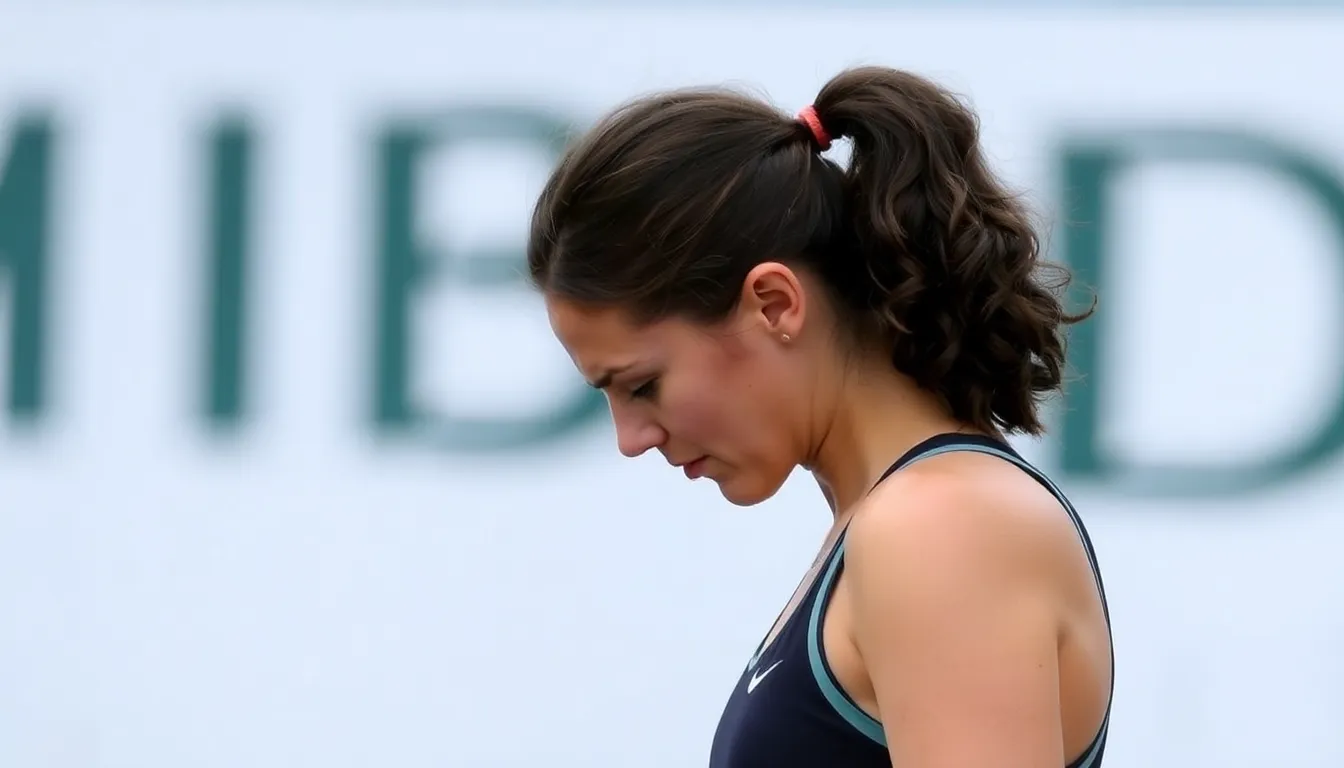
- Short-term impact: Decreased revenue for event organizers and local businesses.
- Mid-term impact: Risk of declining rankings and potential loss of sponsorships.
- Opportunities: Focus on recovery could lead to a stronger comeback in the future.
While the immediate effects are concerning, there is also potential for Raducanu to reassess her approach to the sport. A strategic focus on recovery and injury management could pave the way for a more sustainable career, allowing her to return stronger and more competitive in the long run.
A: Raducanu withdrew due to ongoing injury concerns that have affected her performance in recent tournaments. A: Withdrawing from tournaments can negatively affect her ranking points, potentially lowering her position in the WTA standings. A: Raducanu has been facing various injuries, including issues with her wrist and ankle, which have limited her participation. A: While no specific date has been announced, her team is hopeful for a return in the upcoming months, depending on her recovery. A: Fans and analysts have expressed concern for her health and future in the sport, emphasizing the importance of recovery over competition.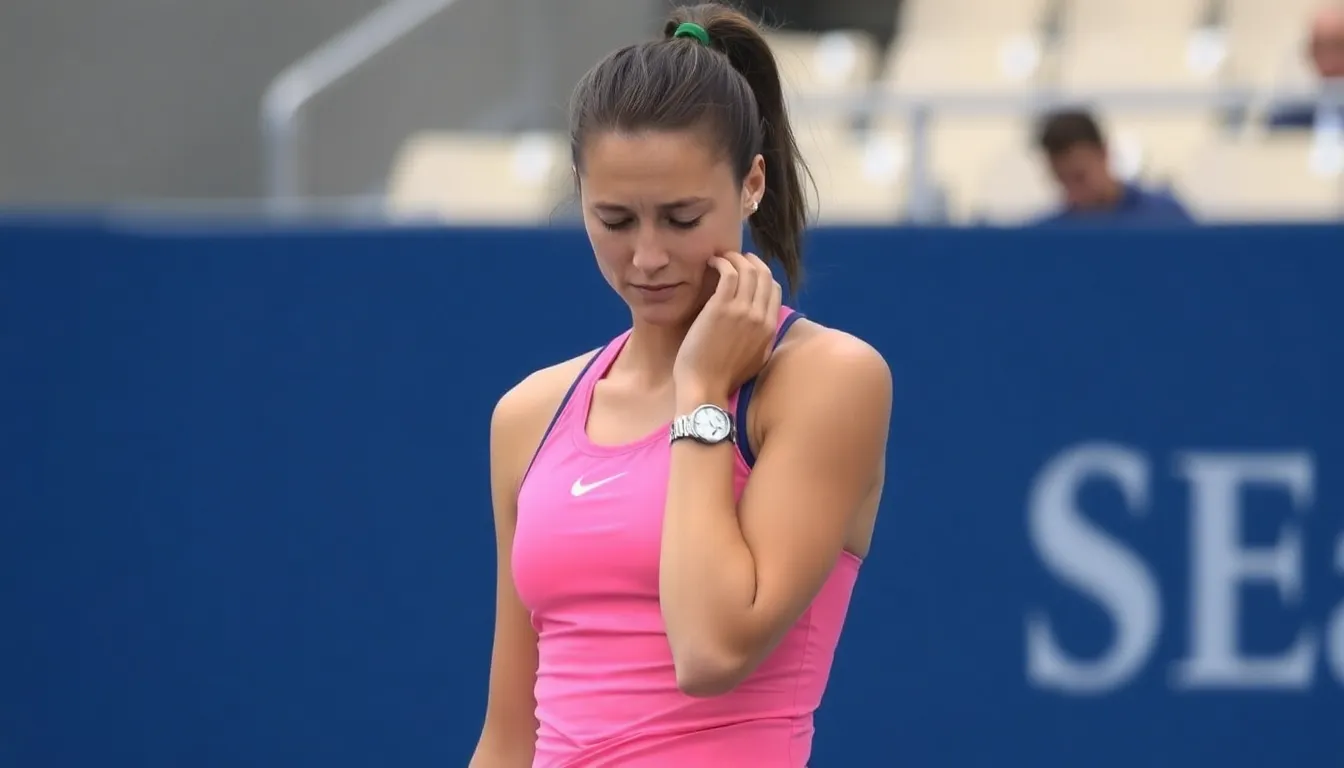
Frequently asked questions about Raducanu’s situation
Looking ahead for Raducanu’s future tournaments
Emma Raducanu’s withdrawal from the Madrid Open adds to the growing list of tournaments she has missed due to injury. This situation raises concerns about her ability to maintain a consistent presence on the WTA Tour, especially as she aims to build on her previous successes. The decision to prioritize recovery is crucial, but it also places additional pressure on her to perform when she returns.
As Raducanu navigates her recovery, fans and analysts alike will be closely monitoring her progress and the impact it may have on her ranking and performance in upcoming events. The tennis community will be particularly interested in how she manages her training and whether she can return to peak form in time for major tournaments later in the season.
- Watch for updates on Raducanu’s rehabilitation process and any potential changes to her training regimen.
- Consider the impact of her absence on her current ranking and seeding in future tournaments.
- Monitor her performance upon return to see if she can regain her competitive edge quickly.
- Keep an eye on the broader implications for young athletes dealing with injuries in high-stakes sports.
- Evaluate how her management and support team adjust their strategies to support her recovery and future participation.