


The layoffs will affect thousands of employees, marking a substantial shift in Meta’s approach to managing its resources. The company’s recent financial reports indicated that it had spent billions on AI initiatives, aiming to enhance its product offerings and maintain competitiveness in the industry.
Industry analysts suggest that this workforce reduction is a response to both economic pressures and the need to reassess priorities within the organization. As Meta continues to pivot towards AI technologies, the decision underscores the challenges faced by tech giants in balancing innovation with operational efficiency.
Meta’s CEO, Mark Zuckerberg, has emphasized the importance of focusing on core business areas while ensuring that investments in AI yield tangible results. The upcoming changes are expected to reshape the company’s structure, potentially leading to a more agile and focused organization in the long term.
The background of Meta’s financial challenges and AI focus
Meta Platforms, Inc., the parent company of Facebook, Instagram, and WhatsApp, has undergone significant transformations in recent years, driven by a strategic pivot towards artificial intelligence (AI) and the metaverse. This shift comes in the wake of substantial financial challenges, including declining advertising revenues and increased competition from rival platforms. The company’s decision to cut one in ten jobs reflects a pressing need to streamline operations and refocus resources amidst these economic pressures.
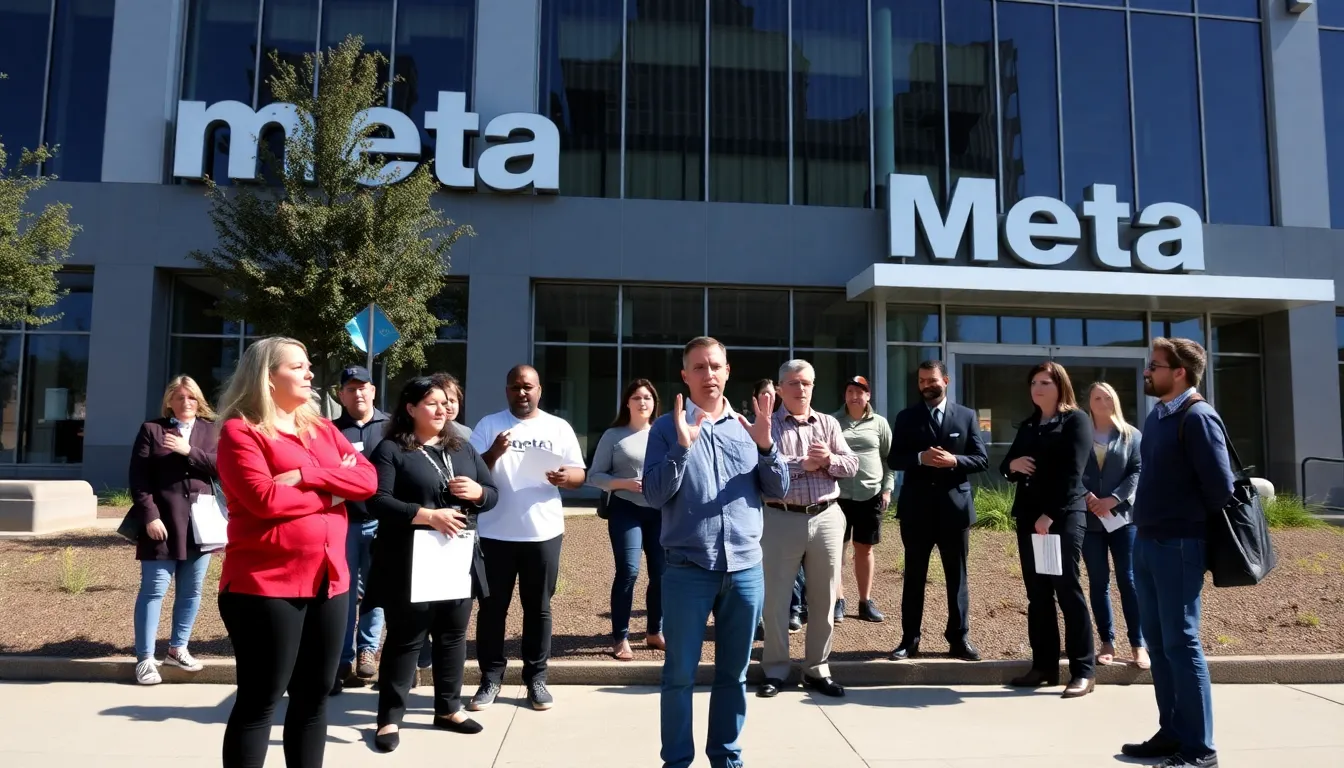
Historically, Meta has invested heavily in technology and innovation, with billions allocated to AI research and development. This investment aims to enhance user experience and maintain market dominance as consumer preferences evolve. However, the rapid pace of technological advancement has also created a landscape where companies must constantly adapt to remain relevant, leading to increased operational costs and the necessity for workforce optimization.
The impact of the pandemic on Meta’s business model
The COVID-19 pandemic significantly altered digital advertising dynamics, initially boosting Meta’s user engagement and revenue. However, as businesses reopened and economic conditions fluctuated, advertisers began to reassess their budgets, leading to a downturn in ad spending on social media platforms. This shift has forced Meta to reevaluate its business strategies and prioritize areas that promise sustainable growth, particularly in AI and virtual reality.
Moreover, regulatory scrutiny and privacy concerns have added to the challenges faced by Meta. Increased calls for transparency and data protection have necessitated changes in how the company operates, further straining its financial resources. As Meta navigates these complex issues, the decision to reduce its workforce is a strategic move aimed at stabilizing the company while it continues to invest in future technologies.
In summary, Meta’s journey towards cutting jobs is a reflection of broader economic trends, strategic realignments in response to market demands, and the ongoing challenges posed by a rapidly changing digital landscape. The company’s focus on AI represents both an opportunity for growth and a critical area for investment as it seeks to redefine its role in the tech industry.
Key stakeholders and implications of Meta’s job cuts
Meta Platforms Inc., the parent company of Facebook, Instagram, and WhatsApp, has announced significant job cuts affecting approximately 10% of its workforce. This decision comes after the company has invested billions into artificial intelligence (AI) technologies, raising several important questions about the implications for various stakeholders involved, including a closer look at the challenges faced by tech companies.

One of the primary stakeholders in this situation is Meta’s workforce. Employees facing layoffs are directly impacted, with concerns about job security, financial stability, and the overall morale within the company. The decision to cut jobs may lead to a loss of talent and institutional knowledge, which could hinder Meta’s innovation and growth potential in the competitive tech landscape.
Another key actor is the broader tech industry, which is closely watching Meta’s moves. Other companies may feel pressure to reassess their workforce and spending strategies in light of Meta’s significant investment in AI and the subsequent cuts. This could lead to a ripple effect across the sector, prompting similar actions among competitors who may also be grappling with high operational costs and shifting market demands.
Moreover, investors and shareholders represent a crucial stakeholder group. They are likely to view these job cuts as a strategic move to enhance profitability and streamline operations. However, there are risks involved, including potential backlash from the public and regulatory scrutiny regarding employment practices and corporate responsibility.
- Employee Impact: Job security concerns and potential loss of talent.
- Industry Dynamics: Possible ripple effects prompting similar layoffs in the tech sector.
- Investor Sentiment: Mixed reactions regarding the long-term strategy and financial health of Meta.
- Regulatory Scrutiny: Increased attention on corporate practices and responsibilities.
- AI Investment Strategy: Balancing innovation with operational efficiency amidst job cuts.
The impact of job cuts on employees and the tech market
The recent announcement by Meta to cut one in 10 jobs signals a significant shift in the tech industry, particularly affecting employees within the company and the broader tech ecosystem. The layoffs primarily impact teams focused on product development, engineering, and support roles. Many of these positions are concentrated in major tech hubs such as Silicon Valley, but the ripple effects will be felt globally as Meta operates in numerous countries.

In the short term, affected employees will face immediate challenges, including job loss and financial uncertainty. This could lead to a decrease in consumer spending as laid-off workers tighten their budgets. Additionally, the tech market may experience volatility as investor confidence wavers in response to these cuts, potentially affecting stock prices and market stability.
In the mid-term, businesses in adjacent industries, such as recruitment and training, may see opportunities arise as companies seek to fill gaps left by Meta’s layoffs. Furthermore, the shift in Meta’s focus towards AI could inspire startups and established firms to pivot their strategies, creating new job opportunities in AI development and related fields.
- Employee Impact: Job loss and financial instability for thousands.
- Market Reaction: Potential volatility in tech stocks and investor confidence.
- Business Opportunities: Growth in recruitment and AI-focused sectors.
- Policy Implications: Possible discussions on workforce retraining and support programs.
While the risks are significant, including increased unemployment and economic strain, there is potential for innovation and growth in new areas. As Meta reallocates resources towards AI, it may pave the way for advancements that could benefit the tech landscape and create new avenues for employment in the long run.
A: Meta is cutting jobs to streamline operations after spending billions on AI. This decision is part of a broader strategy to manage costs amidst financial pressures. A: Meta plans to cut approximately 10% of its workforce, which translates to thousands of positions across various departments. A: Despite the job cuts, Meta is expected to continue investing in AI technologies, focusing on efficiency and innovation in its projects. A: The job cuts are expected to be implemented in the coming months, with affected employees being notified shortly. A: Market analysts suggest that the job cuts could have mixed effects on Meta’s stock price, depending on investor reactions to the company’s long-term strategy.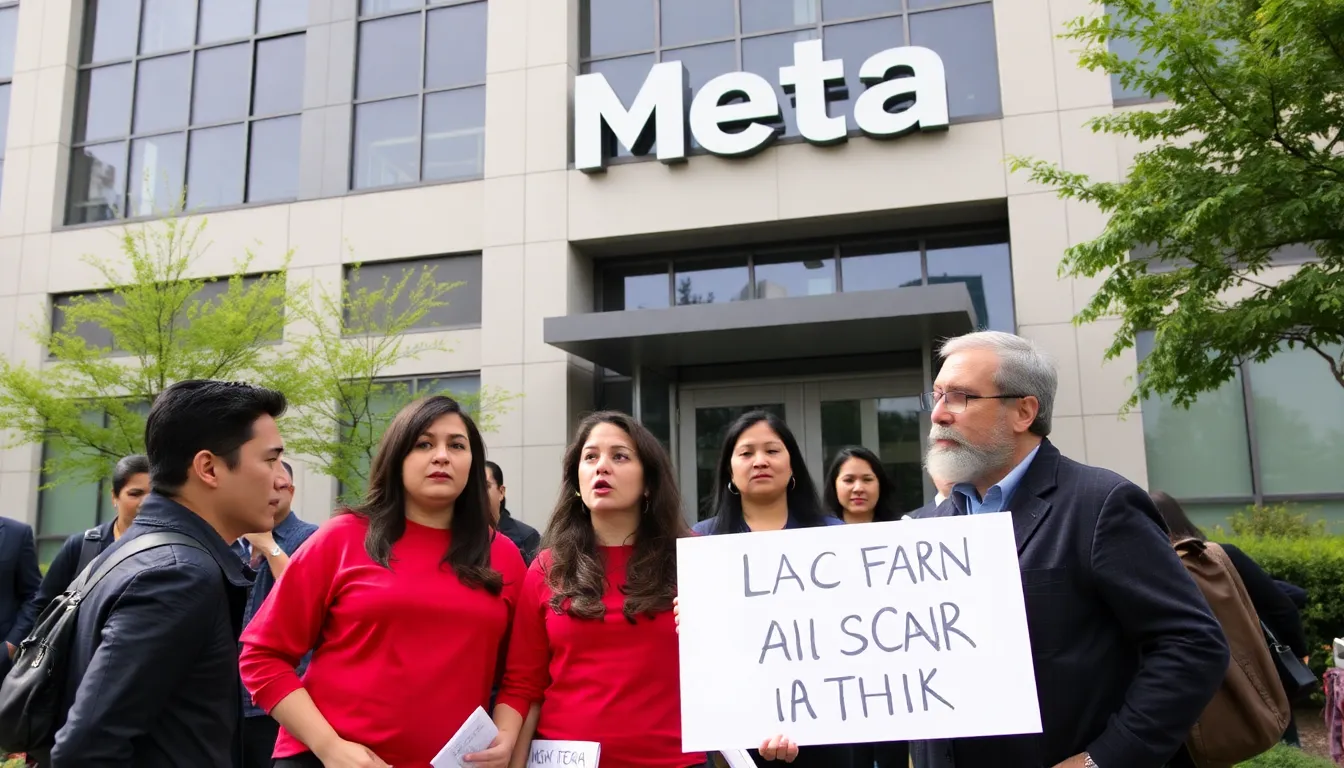
Frequently asked questions about Meta’s job cuts
Future outlook for Meta and the tech industry
As Meta embarks on a significant reduction of its workforce, the implications extend beyond the company itself, highlighting broader trends in the tech industry. The decision comes after substantial investments in artificial intelligence, reflecting a strategic pivot towards optimizing resources while navigating a challenging economic landscape. This move may signal a shift in how tech giants balance innovation with operational efficiency, especially in a time of economic uncertainty.
Looking ahead, it will be crucial to observe how Meta’s restructuring impacts its AI initiatives and overall market positioning. The tech sector may see increased pressure to demonstrate profitability and sustainable growth, prompting companies to reassess their spending and workforce strategies.
- Watch for how Meta reallocates resources towards AI development post-layoffs, potentially focusing on high-impact projects.
- Monitor the reactions of competitors and the broader tech industry, as layoffs may lead to a ripple effect in workforce reductions.
- Keep an eye on investor sentiment regarding Meta’s long-term strategy and financial health following these significant changes.
- Consider the implications for talent acquisition in the tech sector, as skilled workers may become more available amid industry cutbacks.
- Observe regulatory and public reactions to Meta’s job cuts, which could influence future corporate governance and labor practices in tech.