


In October 2023, the manifesto outlined a series of principles that challenge prevailing corporate policies related to diversity, equity, and inclusion. The CEO, who leads a firm with substantial contracts with the National Health Service (NHS) and defense agencies, argues that these policies hinder innovation and productivity within organizations, similar to the discussions around the future of AI.
The implications of this manifesto are far-reaching, as it not only reflects a growing divide within the tech community but also raises questions about the role of corporate responsibility in addressing social issues. Critics argue that such a stance could undermine efforts to create a more inclusive workplace, while supporters believe it promotes a necessary reevaluation of current practices.
As the anti-woke sentiment continues to resonate with certain segments of the workforce, major players in the tech industry are now faced with the challenge of balancing their commitments to social responsibility with the views expressed in this manifesto. The ongoing discourse around these issues is likely to influence corporate strategies and public perception in the coming months.
Understanding the background of the tech boss’s manifesto
The emergence of the ‘anti-woke’ movement in recent years has been fueled by a growing sentiment among certain sectors of society that view progressive cultural changes as a threat to traditional values. This movement has gained traction in various industries, particularly in technology, where leaders are increasingly vocal about their opposition to what they perceive as excessive political correctness and social justice initiatives. The tech boss at the center of this viral manifesto represents a faction of the industry that believes in prioritizing innovation and meritocracy over social considerations.

Historically, the tech industry has been a bastion of liberal values, often championing diversity and inclusion. However, as debates around ‘wokeness’ intensified, particularly following high-profile events such as the Black Lives Matter protests and the #MeToo movement, a counter-narrative began to emerge. This narrative is characterized by a backlash against perceived overreach by social justice advocates, with critics arguing that such movements stifle creativity and free speech. The tech boss’s manifesto reflects this growing divide, calling for a reevaluation of how corporate policies align with societal expectations, raising important questions much like those surrounding the recent miscarriage leave policy.
The Political Landscape
The political context surrounding the manifesto is equally significant. In recent years, political polarization has deepened, with many individuals feeling alienated by mainstream political discourse. This has led to the rise of populist movements that reject established norms and advocate for a return to what they consider common sense. The tech executive’s position is emblematic of this shift, as they leverage their influence to rally support against what they view as an oppressive cultural climate. The intertwining of business interests with political ideologies has created a complex landscape where corporate leaders are now seen as political actors.
Economically, the tech sector has thrived in an era characterized by rapid digital transformation and innovation. However, the pandemic has also highlighted disparities in access and opportunity, prompting calls for greater corporate responsibility. The tension between profit motives and social accountability is palpable, as companies grapple with their roles in addressing societal issues. The manifesto serves as a rallying cry for those who believe that the tech industry should focus on economic growth rather than social agendas, reflecting a broader debate about the responsibilities of corporations in contemporary society.
In summary, the manifesto of the ‘anti-woke’ tech boss encapsulates a confluence of cultural, political, and economic factors that have shaped the current landscape. As the discourse continues to evolve, it remains to be seen how these dynamics will influence the future of both the tech industry and societal values at large.
Key stakeholders and issues surrounding the manifesto
The emergence of the ‘anti-woke’ manifesto by a prominent tech executive has sparked considerable debate, drawing attention from various stakeholders. Key actors include the tech industry, government entities, healthcare organizations such as the NHS, and defense contractors. Each of these groups has distinct interests that are influenced by the manifesto’s implications.
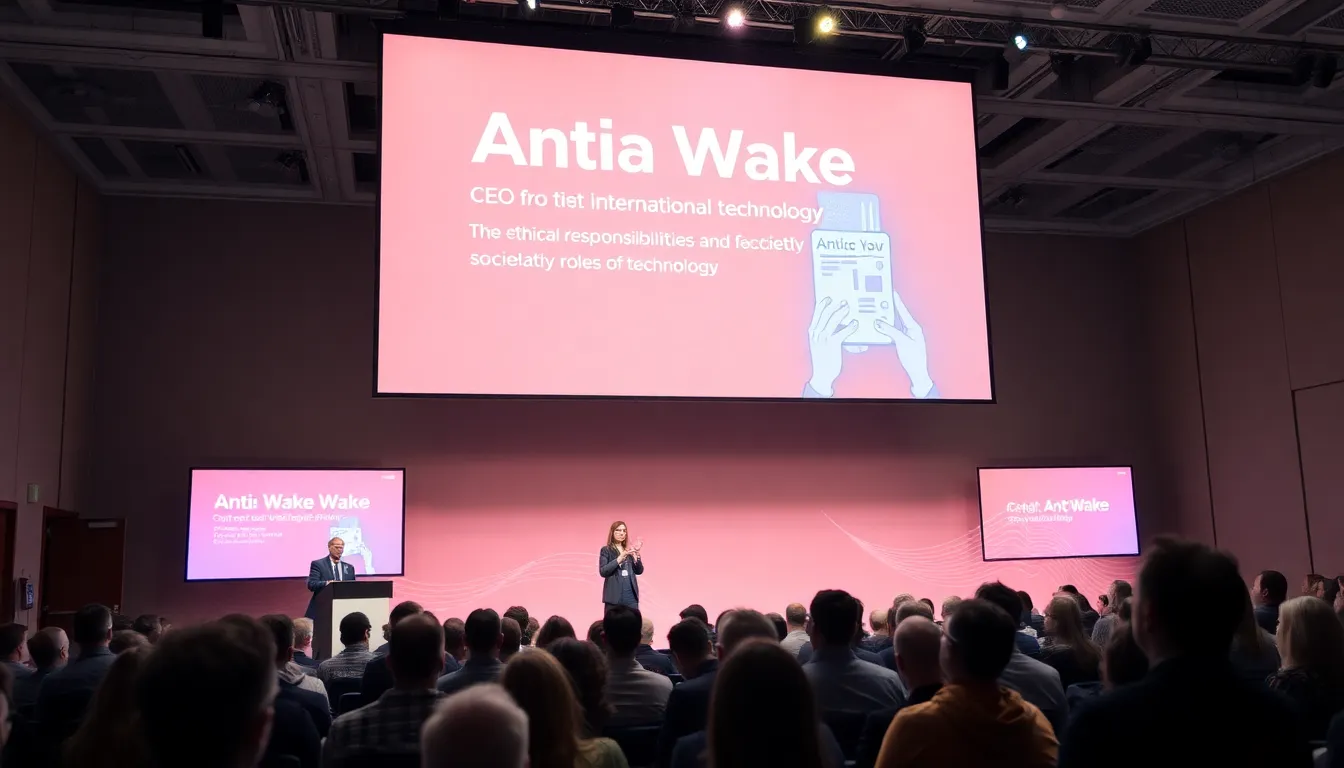
In the tech sector, the manifesto’s proponents argue that it promotes innovation and freedom of expression, positioning themselves against what they perceive as an overreach of social justice movements. This could potentially resonate with investors and consumers who share similar sentiments. However, this stance may alienate those who advocate for diversity and inclusion within the workplace, leading to a polarized environment.
Government bodies, particularly those overseeing public contracts like the NHS and defense, face a complex dilemma. They must balance the need for accountability and ethical considerations in awarding contracts against the pressure to foster innovation and economic growth. The manifesto raises questions about how public funds are utilized and whether they align with the values of the communities they serve, echoing concerns similar to those raised in recent political critiques.
- Economic implications: The manifesto may influence funding and investment flows within the tech industry, affecting startups and established companies alike.
- Legal challenges: The potential for backlash against companies associated with the manifesto could lead to legal scrutiny regarding their labor practices and adherence to anti-discrimination laws.
- Public opinion: The response from the general public and advocacy groups will play a crucial role in shaping the narrative surrounding the manifesto and its supporters.
Ultimately, the intersection of these interests highlights the ongoing tension between innovation, social responsibility, and public accountability. As the discourse evolves, stakeholders will need to navigate these complexities to address the potential ramifications of the manifesto on their respective domains.
Impacts on the tech industry and public services
The viral manifesto of the ‘anti-woke’ tech boss has sparked significant discussions across various sectors, particularly affecting the tech industry, public services, and governmental contracts. Key stakeholders include tech companies, government agencies, and the general public, especially those reliant on NHS and defense services.
In the short term, the manifesto may lead to increased scrutiny of existing contracts and partnerships between tech firms and public services. Companies that align with the manifesto’s ideology might experience a surge in demand, while those perceived as ‘woke’ could face backlash, potentially impacting their market share and public perception.

Mid-term impacts may include shifts in policy as government agencies reassess their partnerships and funding allocations. This could result in a reallocation of resources towards firms that espouse the manifesto’s principles, thereby influencing innovation and service delivery in sectors like healthcare and defense.
- Risks: Potential alienation of diverse talent pools in the tech industry.
- Risks: Backlash from the public and advocacy groups advocating for inclusivity.
- Opportunities: Increased funding for tech firms aligned with the manifesto.
- Opportunities: Potential for new policies that favor innovation over traditional practices.
Regions with a high concentration of tech firms and public service contracts may experience the most pronounced effects, as the dynamics of local economies shift in response to these changes. The evolving landscape could redefine how technology interacts with societal values, impacting everything from hiring practices to product development.
A: The manifesto advocates against what the author perceives as excessive political correctness and promotes a return to merit-based principles in the workplace. A: The manifesto has sparked significant debate, with supporters praising its bold stance while critics argue it undermines social progress. A: The tech boss’s contracts with these sectors raise concerns about the influence of personal ideologies on public services and national security. A: While the manifesto itself is a personal statement, its implications on company policies and public contracts could lead to scrutiny under anti-discrimination laws. A: The movement may gain traction as more executives express similar sentiments, potentially reshaping workplace cultures and policies.
Frequently asked questions about the manifesto
Key takeaways and future outlook on the anti-woke movement
The rise of the ‘anti-woke’ movement, particularly among influential tech leaders, signifies a shift in the cultural landscape that extends beyond social media into significant sectors such as healthcare and defense. As these figures gain traction and visibility, their ideologies may influence policy decisions, corporate governance, and public discourse, potentially reshaping the relationship between technology, government, and society.
Monitoring the developments in this movement is crucial for understanding its broader implications. Stakeholders across various industries should be aware of how these ideologies may affect partnerships, funding, and public perception, as well as the potential for backlash from opposing viewpoints.
- Watch for potential shifts in government contracts as tech firms align with anti-woke principles.
- Consider the impact on employee morale and recruitment in companies that adopt or resist these ideologies.
- Observe how public sentiment evolves regarding healthcare and defense initiatives influenced by anti-woke rhetoric.
- Stay informed about legal and regulatory responses to the anti-woke movement’s influence on corporate practices.